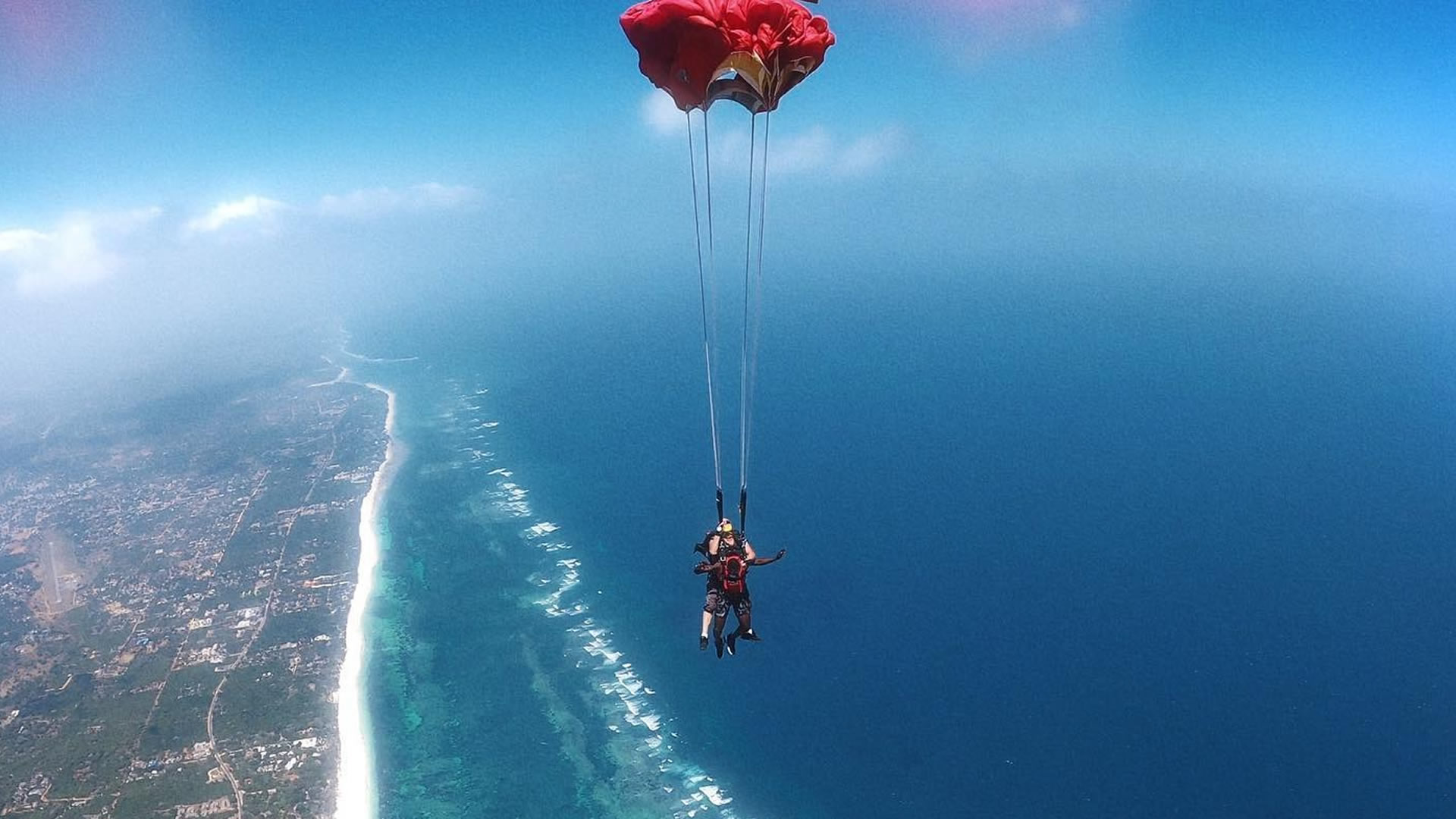
Dhow sailing, wild dolphins, coral reefs alive with colour, and a Swahili seafood feast on a coral-rag island at the edge of the Indian Ocean. The coast's most beloved day trip.
Ask anyone who has visited the Kenya coast what single excursion they would recommend, and the answer is almost always the same: the Wasini Island and Kisite Marine Park day trip. It is the complete coastal experience — marine wildlife, coral reefs, cultural immersion, and unforgettable food — packed into one extraordinary day.
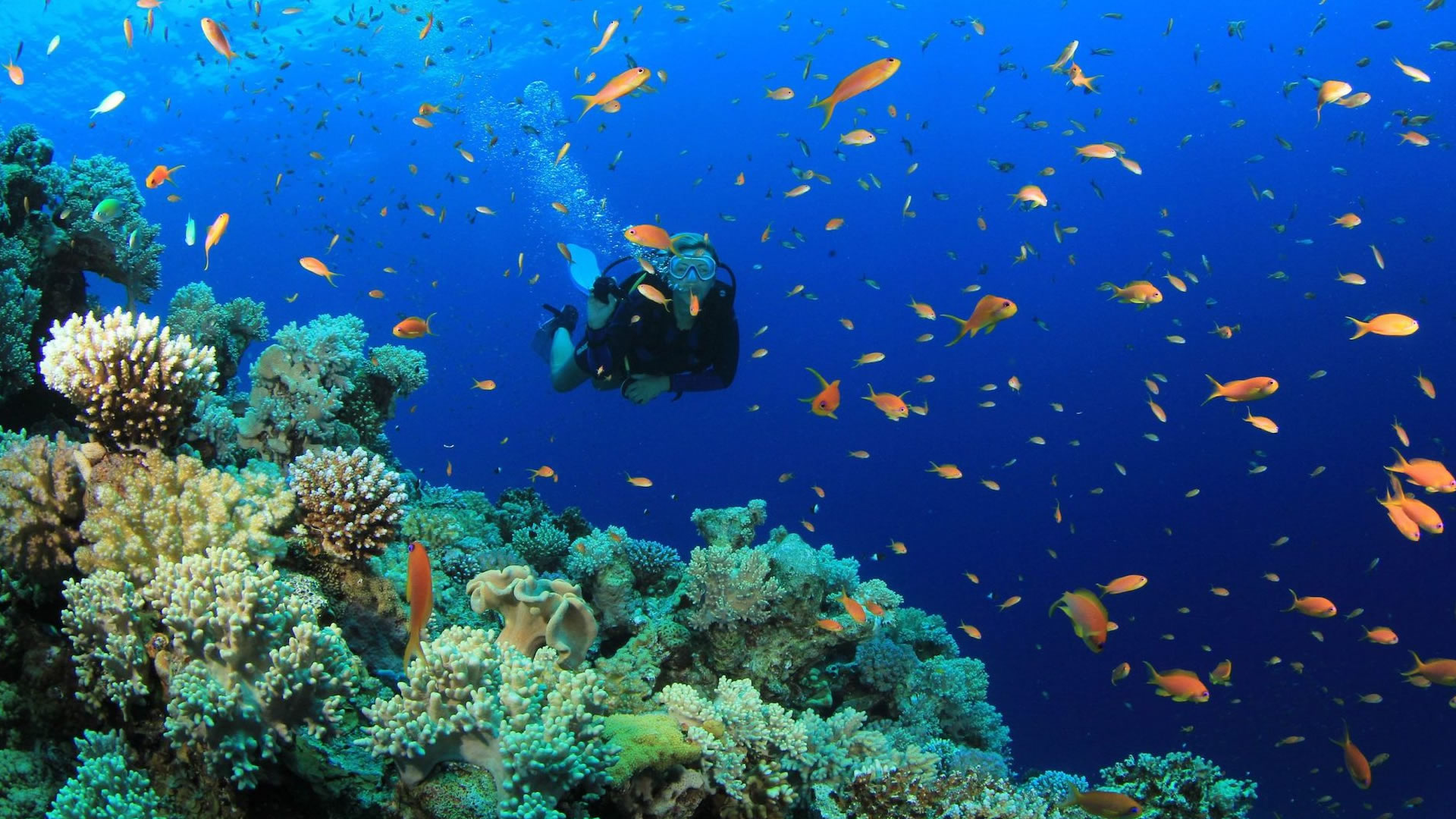
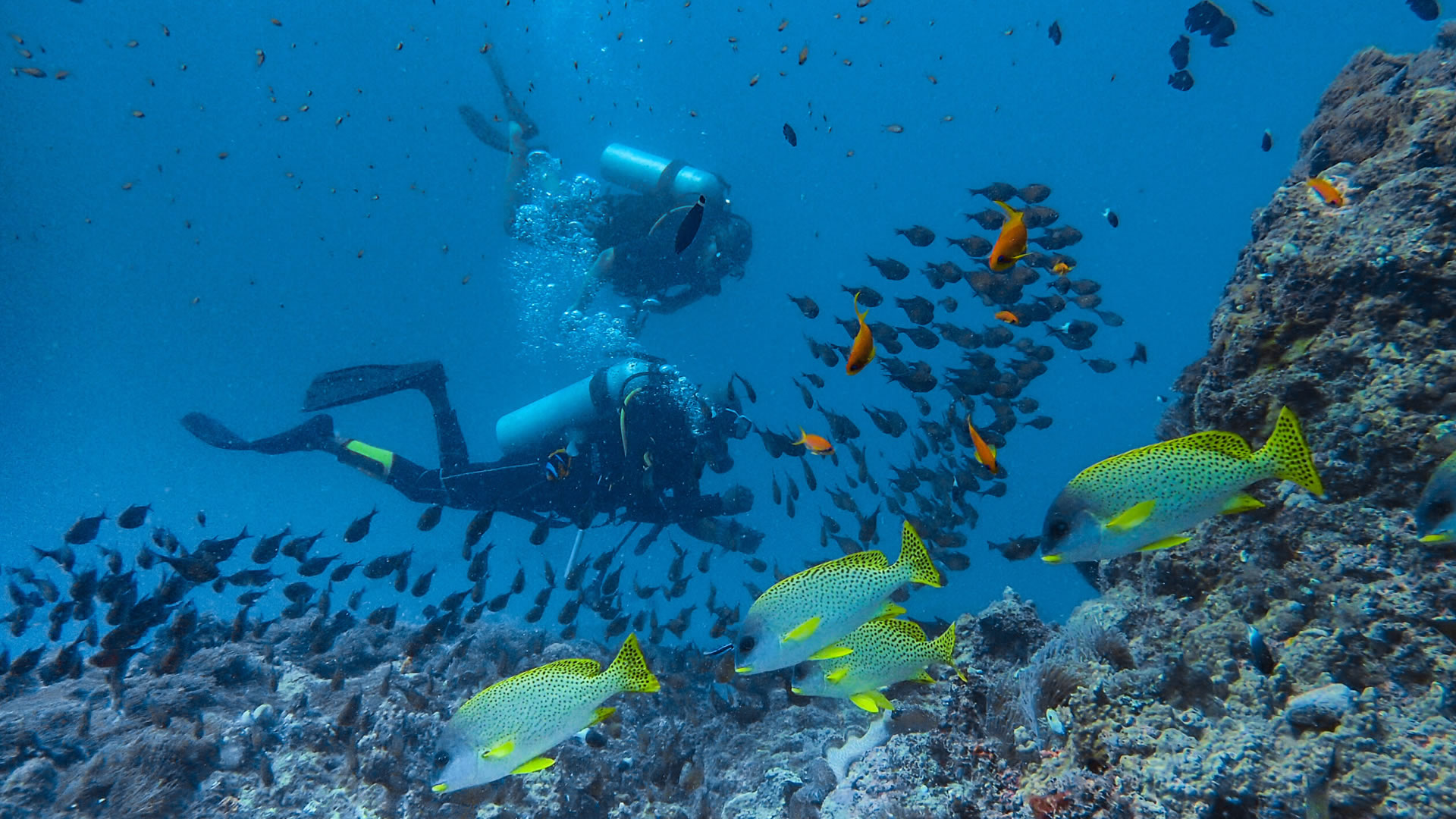
The adventure begins with an early-morning drive south from Diani to the small fishing village of Shimoni, where you board a traditional Arabic dhow and set sail for Kisite-Mpunguti Marine National Park, Kenya's premier marine sanctuary. Along the way, pods of bottlenose and spinner dolphins often swim alongside the boat, breaking the surface just metres away. At the reef, you slip into crystal-clear water to snorkel over vibrant coral gardens teeming with tropical fish, sea turtles, and occasionally reef sharks.
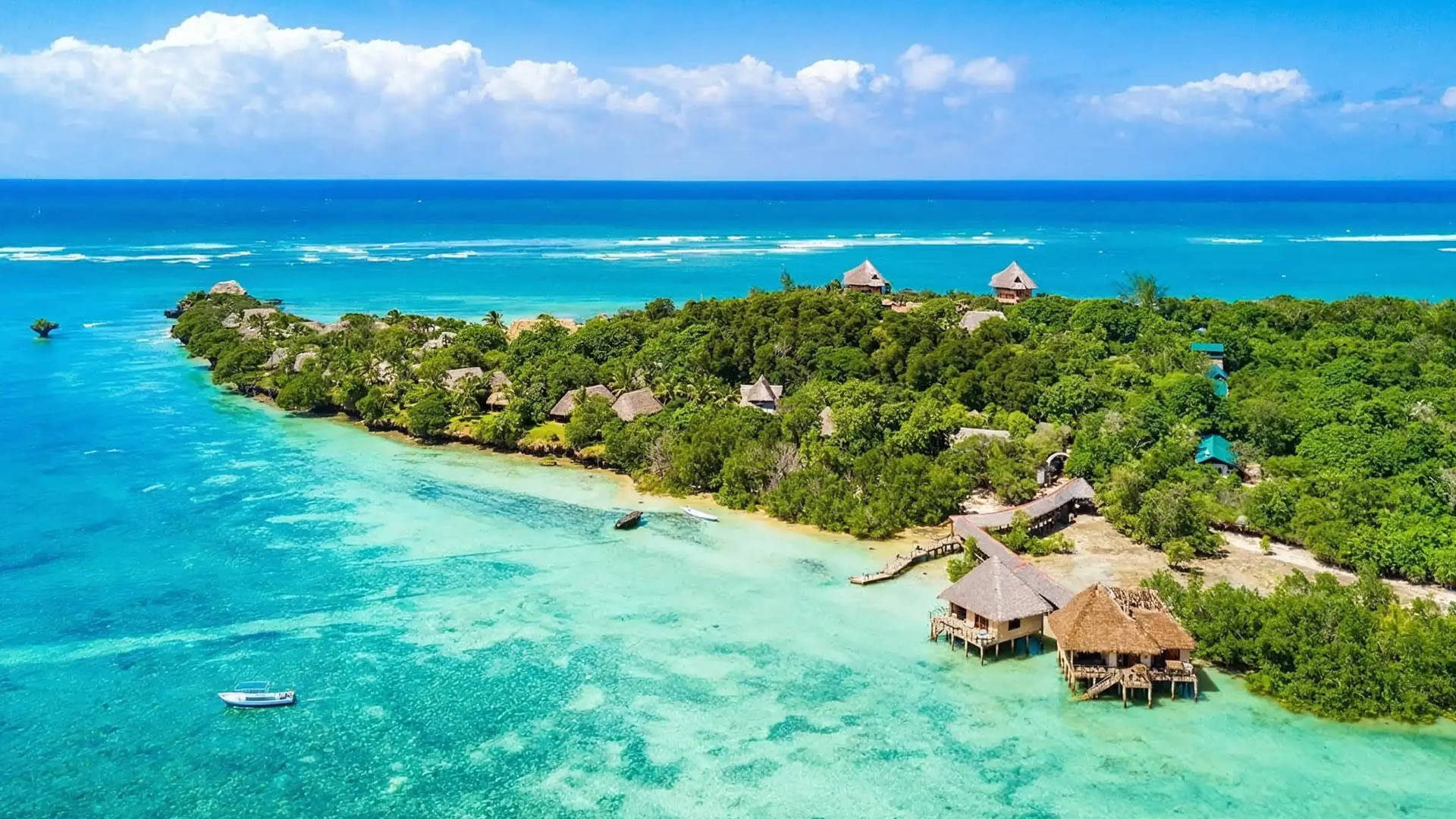
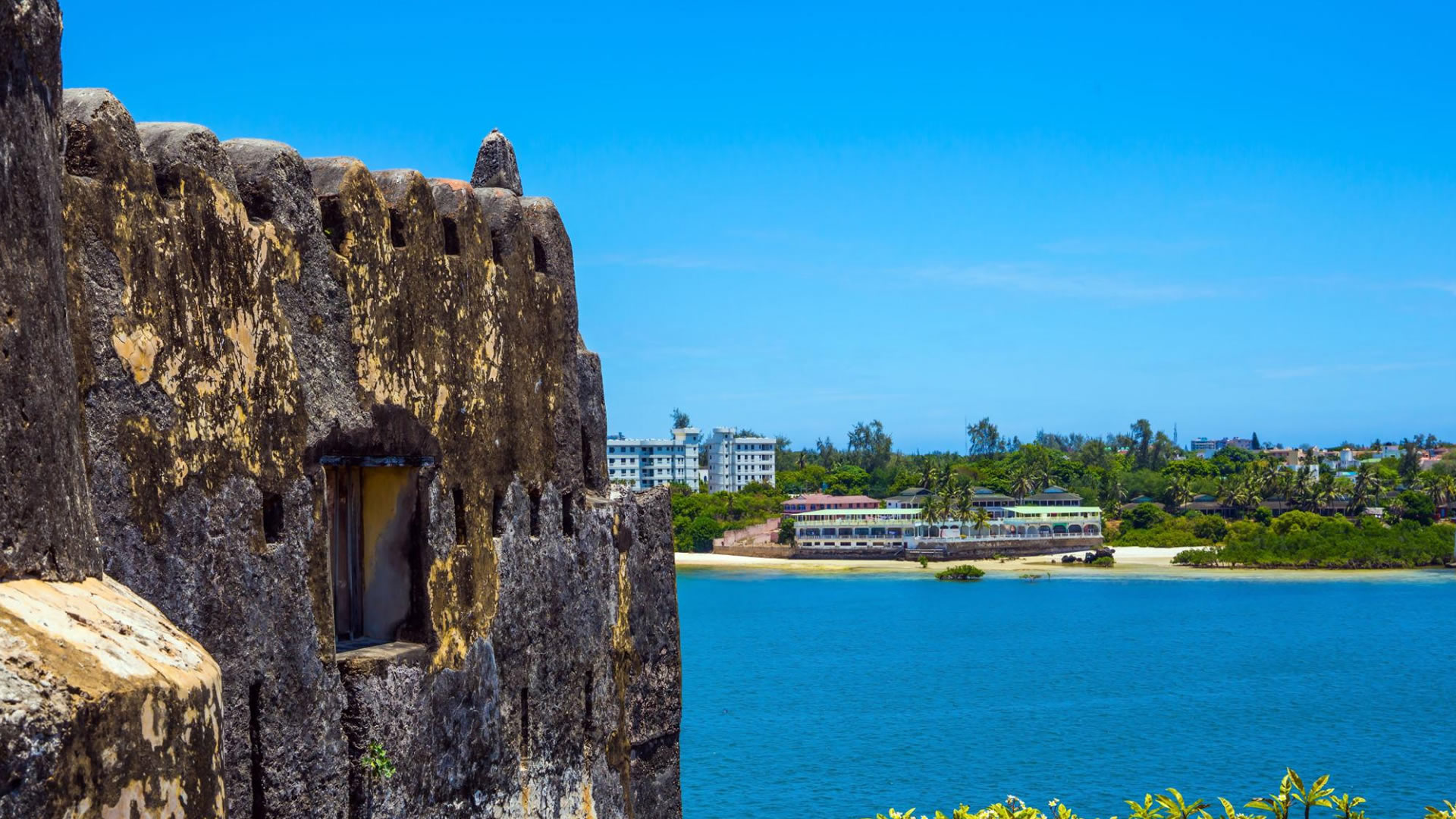
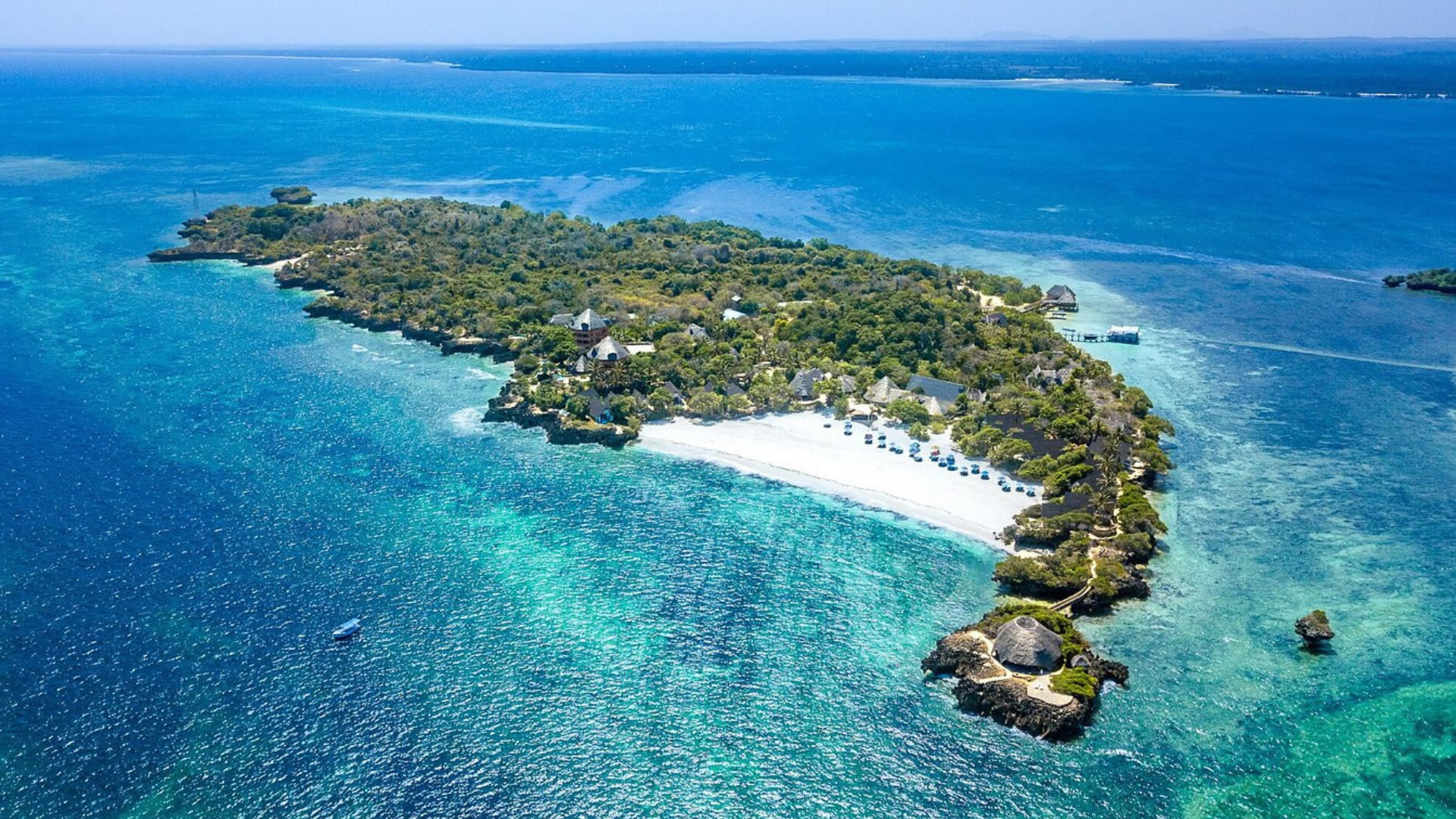
After snorkeling, the dhow sails to Wasini Island for the highlight many guests talk about for years: a generous Swahili seafood lunch — crab, lobster, grilled fish, coconut rice, chapati, and fresh tropical fruit — served at a waterfront restaurant. After lunch, a guided walk through the island reveals the remarkable coral gardens, ancient baobabs, and the quiet rhythms of a Swahili fishing community that has called this coral-rag island home for centuries.
Marine wildlife, pristine reefs, centuries-old island culture, and the best seafood lunch on the coast — all in a single day.
Bottlenose and spinner dolphins are regularly spotted in the channel between Shimoni and Kisite. Pods swim alongside the dhow, surfacing, spinning, and playing just metres away — an unforgettable encounter with wildlife in the open ocean.
Kisite-Mpunguti is Kenya's premier marine national park, with pristine coral reefs, exceptional water clarity, and abundant marine life — tropical fish in every colour, green sea turtles, moray eels, and reef sharks in the deeper sections.
The lunch on Wasini Island is legendary: freshly caught crab, lobster, grilled fish, pilau rice, coconut beans, chapati, and tropical fruit — served waterside in a setting that makes the meal an experience in itself.
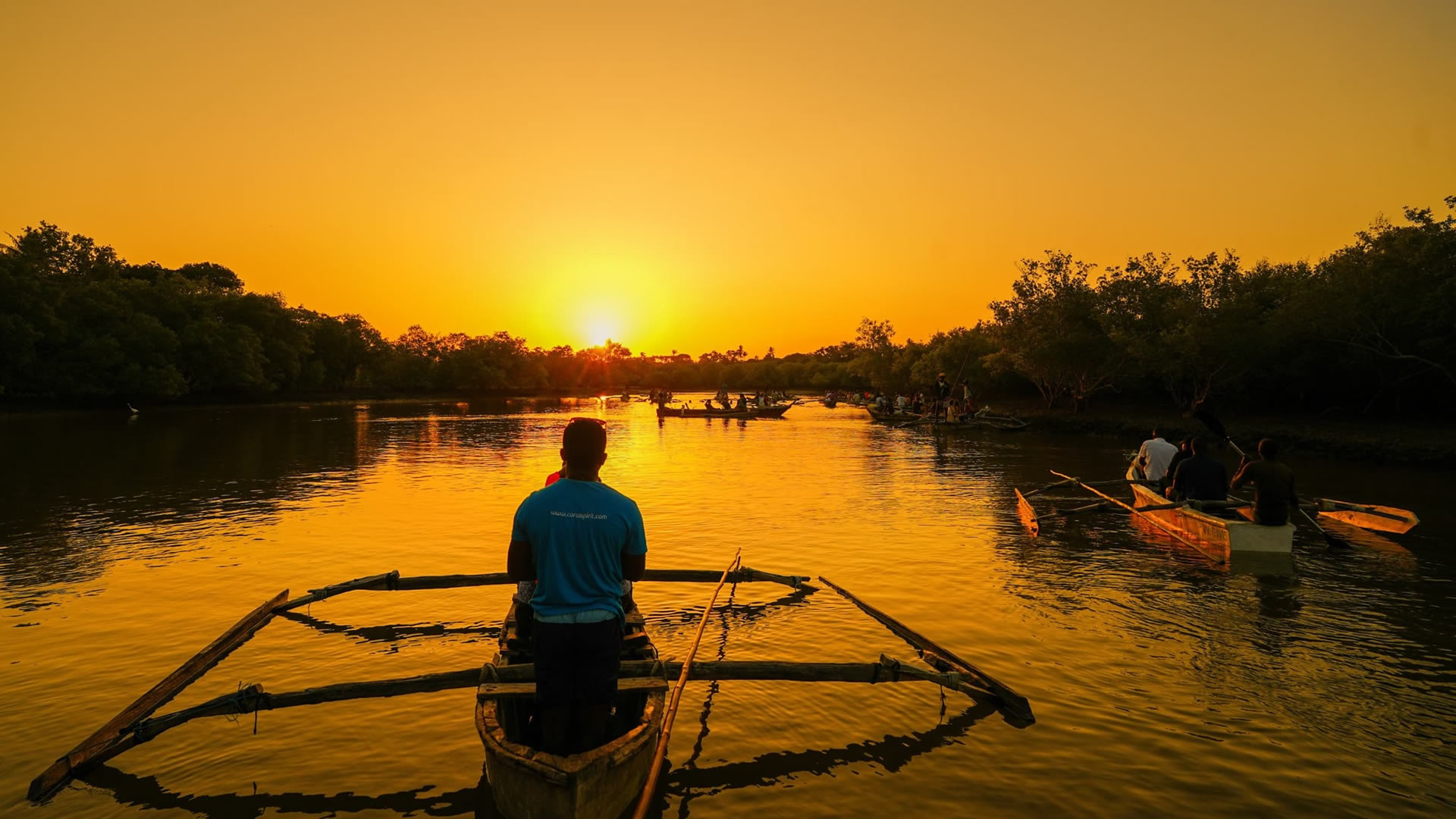
The journey itself is part of the magic. Sailing aboard a hand-built Arabic dhow with a billowing lateen sail, music on board, the coastline sliding by — this is the Kenya coast as it has been travelled for centuries.
Wasini's unique coral gardens — exposed fossilised coral formations — can be explored on foot via raised wooden boardwalks at low tide. A geological wonder and one of the island's most distinctive features.
Between July and October, migrating humpback whales pass through the channel. Sightings are not guaranteed but when they happen — a whale breaching on the horizon — the moment is extraordinary.
Everything you need to know to prepare for a full day on the water.
Swimwear (worn under clothes), towel, reef-safe sunscreen, waterproof camera or phone pouch, hat, sunglasses, and a light cover-up for the Wasini village walk. Bring cash for tips, souvenirs, and the optional slave caves visit.
Easy and family-friendly. Moderate swimming ability is recommended for snorkeling, though life jackets are available for weaker swimmers. The dhow ride and village walk require no special fitness. Not physically demanding.
All ages are welcome. Children under 5 should be closely supervised on the dhow. Life jackets in children's sizes are provided. The dolphins, snorkeling, and seafood lunch make this a favourite with families — kids love it.
Life jackets are provided on all boats. Snorkeling equipment is sanitised between uses. Dhows carry first-aid kits and VHF communication. Confirm your operator provides toilet facilities on board — quality varies between operators.
Weather-dependent. Rough seas during the Kusi monsoon (Jun–Sep) and the long rains (Apr–May) may cause cancellations. Most operators offer a full refund or reschedule. Client cancellation typically requires 24 hours notice.
From Diani: approximately 45 minutes to Shimoni. From Mombasa North Coast: approximately 2–2.5 hours via the Likoni Ferry. Factor this into your day — early pick-ups from Mombasa start around 05:30. The scenic drive passes coconut palms and cashew farms.
Year-round destination, but sea conditions and visibility vary by season.
Calm seas, warm water temperatures, and the best underwater visibility for snorkeling — you can see 15–30 metres on a good day. The Kaskazi (northeast monsoon) brings light winds and gentle swells. Dolphin sightings are frequent year-round, but conditions are most comfortable during this period.
Migrating humpback whales pass through the channel between July and October. While snorkeling conditions can be choppier during the early part of this window (Jul–Aug), the chance of a whale sighting adds a dramatic dimension. September and October offer the best balance of whale potential and calm seas.
Kisite-Mpunguti Marine National Park is a protected KWS (Kenya Wildlife Service) sanctuary. Your park entry fees directly fund conservation, anti-poaching patrols, and marine habitat protection. All tours follow ethical dolphin-watching guidelines: boats maintain a minimum distance and never chase pods. Snorkeling is strictly touch-free — no standing on coral, no collecting shells or marine life. By visiting, you support the long-term protection of one of East Africa's most important coral reef ecosystems.
Tell us your dates, hotel, and group size — we'll arrange everything from pick-up to the last chapati.
Book This TourDolphin sightings are very common — most trips encounter at least one pod of bottlenose or spinner dolphins in the channel between Shimoni and Kisite. However, these are wild animals in open ocean, so sightings cannot be guaranteed. Experienced skippers know the dolphins' preferred areas and will make every effort to find them. The ethical approach — no chasing, no crowding — means encounters, when they happen, are natural and unhurried.
Moderate swimming ability is recommended, but life jackets are available for anyone who is not a confident swimmer. The life jacket allows you to float comfortably at the surface while looking down through your mask at the reef below — many non-swimmers enjoy snorkeling this way. The crew are in the water with you and will assist anyone who needs help. Children and nervous swimmers are well looked after.
Chicken and vegetable alternatives are available at the Wasini Island restaurants. Let your operator or guide know your dietary requirements when booking or at the latest on the morning of the trip, so the kitchen can prepare accordingly. The side dishes — coconut rice, chapati, beans, fresh fruit — are excellent regardless.
The dhow ride and lunch are accessible to most mobility levels — you are seated for the sailing and the meal. Boarding the dhow requires stepping from a jetty onto the boat, which can be unsteady; the crew will assist. The Wasini village walk and coral garden boardwalk involve uneven terrain, which may be challenging for those with significant mobility limitations — this portion can be skipped. Snorkeling is optional.
Yes. Several operators offer scuba diving as an add-on at Kisite Marine Park for approximately USD 50 per person. Both Discover Scuba (no certification needed) and guided dives for certified divers are available. This must be arranged in advance — confirm with your operator at the time of booking. Note that scuba diving is not included in the standard tour price.
From Mombasa North Coast, the drive to Shimoni takes approximately 2–2.5 hours, including the Likoni Ferry crossing. It is a longer day — pick-up is around 05:30 — but the scenic drive through coconut plantations and fishing villages is part of the experience, and the day itself more than justifies the journey. From Diani or Tiwi, Shimoni is just 45 minutes away, making the logistics much more comfortable.
The Shimoni Caves are a network of coral-limestone caves near the jetty that were historically used as holding pens during the East African slave trade. Some tours include a brief visit; others offer it as an optional stop for a small additional fee. It is a sobering and historically significant site. Your guide can provide context on the history if you choose to visit.