A profound journey through Mombasa’s spiritual and historical mosaic. Walk in the footsteps of ancient Swahili traders, 19th-century missionaries, and devoted communities across centuries of faith.
Mombasa is not merely a bustling port of trade; it is a profound gateway of faith and heritage. For centuries, the Kenyan coast has been a melting pot where indigenous traditions, Islamic scholarship, Christian missionary zeal, and Hindu devotion have woven a rich tapestry of peaceful coexistence. This comprehensive day tour is designed to immerse you in the architectural and spiritual milestones that have defined the region.
Your journey spans multiple epochs, taking you just outside Mombasa to the Ribe Mission Station. Established in 1884, Ribe stands as Kenya's first mission station, offering a poignant look into early Christian missionary history in East Africa. Travelling further north into Kilifi County, the tour explores the ghostly beauty of Jumba la Mtwana, a ruined 14th-century Swahili settlement where the remains of an ancient mosque whisper secrets of a bygone maritime era.
Returning to the vibrant streets of Mombasa, your guided cultural walks will seamlessly weave the military grandeur of Fort Jesus with the city's living spiritual sanctuaries. You will explore centuries-old Islamic architecture, including the beautifully preserved 16th-century Mandhry Mosque in Old Town and Tononoka's historically significant Sidhik Mosque. The tour beautifully contrasts these Islamic landmarks with the vibrant devotion and intricate carvings found at the Shree Cutch Satsang Swaminarayan Temple, showcasing the enduring Indian heritage of the coast.
An enlightening journey tracing the spiritual milestones that shaped East Africa.
Visit Ribe, Kenya's very first mission station established in 1884. Located just outside Mombasa, this site provides a powerful look into early Christian missionary history, complete with the graves of pioneers who brought the faith to the coast.
Explore Mombasa's deep-rooted Muslim heritage. Your guide will highlight the elegant 16th-century Mandhry Mosque in the heart of Old Town, and take you to view Tononoka's Sidhik Mosque, representing centuries of Islamic scholarship.
Discover this fascinating 14th-century ruined Swahili settlement located north of Mombasa in Kilifi County. Wander among ancient coral-rag houses and a remarkably preserved seaside mosque that points to a wealthy maritime past.
Contrast the ancient stone ruins with the vibrant, living devotion of Mombasa's Hindu community. Admire the stunning, colorful architectural details and peaceful atmosphere of this prominent local temple.
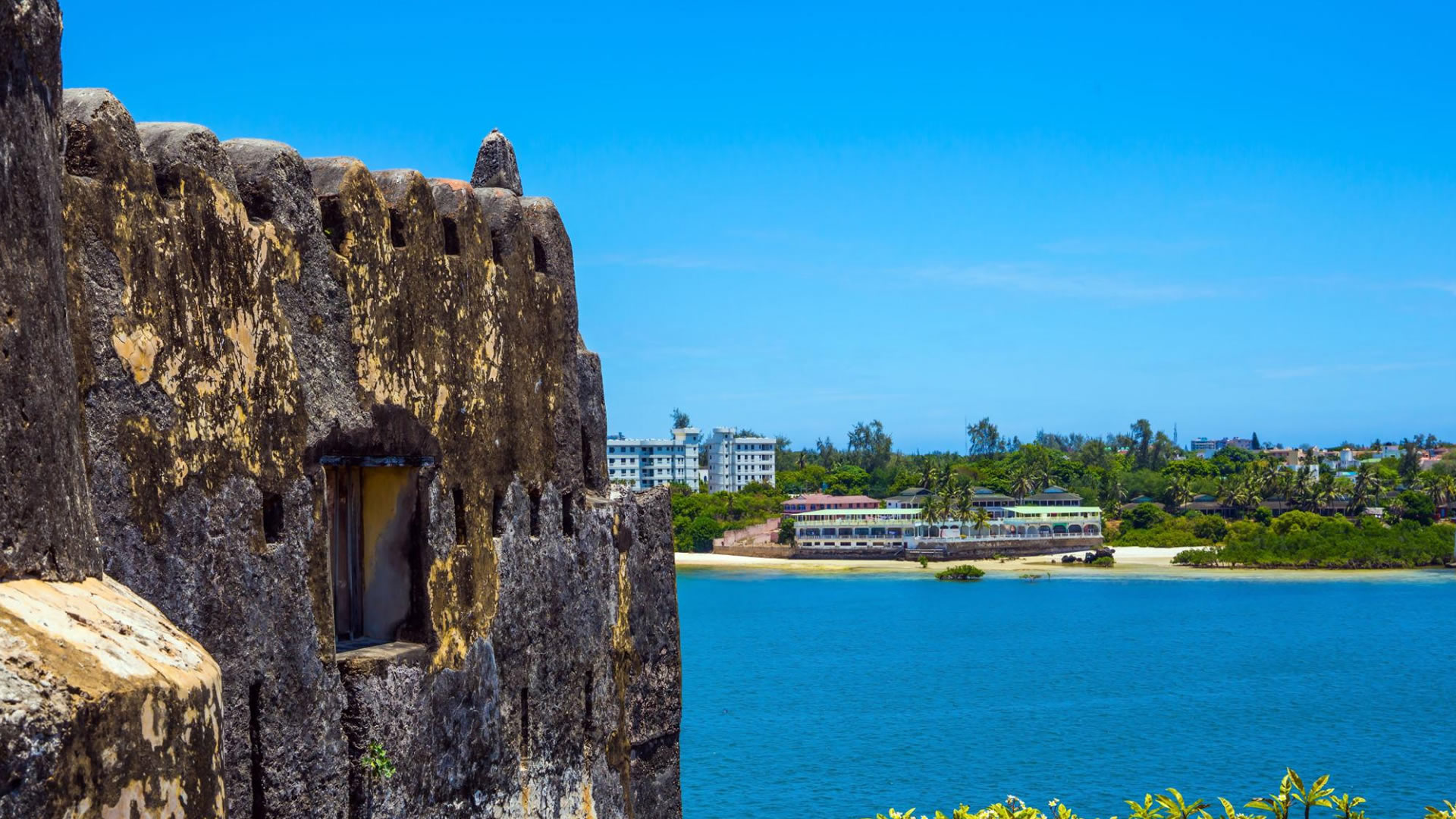
Guided cultural walks cover not only religious sites but the imposing military history of Fort Jesus. Understand how the Portuguese, Omani Arabs, and British fought to control these very places of worship and trade.
The true highlight of this tour is witnessing the peaceful coexistence of Mombasa's diverse communities. See how the call to prayer, church bells, and temple chants harmonize in the everyday life of the Swahili coast.
Important cultural etiquette to ensure a respectful and comfortable pilgrimage.
Because you will be visiting active mosques, churches, and temples, modest dress is mandatory. Both men and women must have their shoulders and knees covered. Women should bring a light scarf to cover their heads when required.
You will be required to remove your shoes frequently when entering Hindu temples and the grounds of Islamic mosques. Wearing comfortable slip-on shoes or sandals will make these transitions much easier.
While photography is welcomed at Fort Jesus and the Jumba la Mtwana ruins, active places of worship have strict rules. Always ask your guide for permission before taking photos inside or near temples, mosques, and worshippers.
The excursion spans Mombasa, Kilifi, and the surrounding areas. Walking through ruins and town streets can be hot. Wear lightweight fabrics, bring sunglasses, and apply sunscreen generously.
This is a full-day tour involving driving between locations (Mombasa Island, mainland Ribe, and north to Kilifi). It is a relaxed pace, but involves a fair amount of time in the vehicle between the historical sites.
Lunch is not included in the upfront cost, allowing you the flexibility to choose. Your guide can take you to an authentic Swahili café in Old Town or a traditional Indian restaurant near the temples to continue the cultural immersion.
By participating in the Pilgrimage & Heritage Tour, you are directly supporting the preservation of East Africa's diverse history. A portion of your tour fee goes toward the National Museums of Kenya for the upkeep of Jumba la Mtwana and Fort Jesus, while community donations assist the ongoing maintenance of the Ribe Mission and local places of worship, ensuring these stories survive for future generations.
Tell us your preferred date and hotel, and we will arrange your culturally enriching journey through the coast's spiritual past.
Book This TourNot at all. This tour is designed from a cultural, historical, and architectural perspective. It celebrates the diversity of the Swahili coast and is completely welcoming to visitors of all religious backgrounds, or none at all, who have an interest in history and heritage.
Entry into active Islamic mosques (like Mandhry and Sidhik) for non-Muslims depends heavily on the time of day, prayer schedules, and specific gender guidelines enforced by the mosque's leadership. Often, exterior viewing and courtyard access are permitted while the guide provides the historical context, but full interior access is not guaranteed.
Jumba la Mtwana (which translates to "the large house of the slave") is situated in Mtwapa, Kilifi County, roughly 20 kilometres north of Mombasa Island. Set beautifully right against the beach, it is a serene and much quieter archaeological site compared to Fort Jesus.
Established by the United Methodist Free Churches in 1884, Ribe was the very first Christian mission station in Kenya. It served as a crucial staging ground for missionaries heading into the East African interior. The site contains the graves of early missionaries and holds massive historical significance for Christianity in Kenya.