
Africa's most celebrated wilderness — an immense theatre of grass and sky where two million wildebeest trace the oldest migration route on Earth and the Big Five roam plains that stretch, seemingly, without end.
The Serengeti is not simply a national park — it is the standard against which all African wilderness is measured. Covering nearly 15,000 square kilometres of northern Tanzania, the Serengeti ecosystem extends from the volcanic highlands of the Ngorongoro Conservation Area in the south-east to the Maasai Mara in Kenya to the north, forming a single, unbroken landscape of grassland, savannah, and riverine woodland that has functioned as a living system for millions of years.
The park's name derives from the Maasai word siringet — "the place where the land runs on forever" — and no description has ever improved on it. The central Serengeti is defined by a sea of short grass growing on volcanic ash deposited by ancient eruptions, flat and open to the horizon in every direction. It is this vast, treeless stage that makes the Serengeti's wildlife spectacle so overwhelming: there is nowhere to hide, and nothing is small. Herds number in the hundreds of thousands. Predator hunts play out in full view. The sky is half the landscape.
At the heart of the Serengeti's fame is the Great Migration — the annual circular movement of approximately two million wildebeest, several hundred thousand zebra, and half a million Thomson's gazelle following the rains across the ecosystem. It is the largest terrestrial migration of mammals on Earth, a continuous, year-round cycle of birth, movement, river crossings, and predation that has occurred, unbroken, since the end of the last ice age. There is no moment when the Serengeti is empty. There is only the question of where the herds are now.
The greatest concentration of large mammals on Earth, the oldest migration, and a landscape so vast it dissolves the boundary between land and sky.
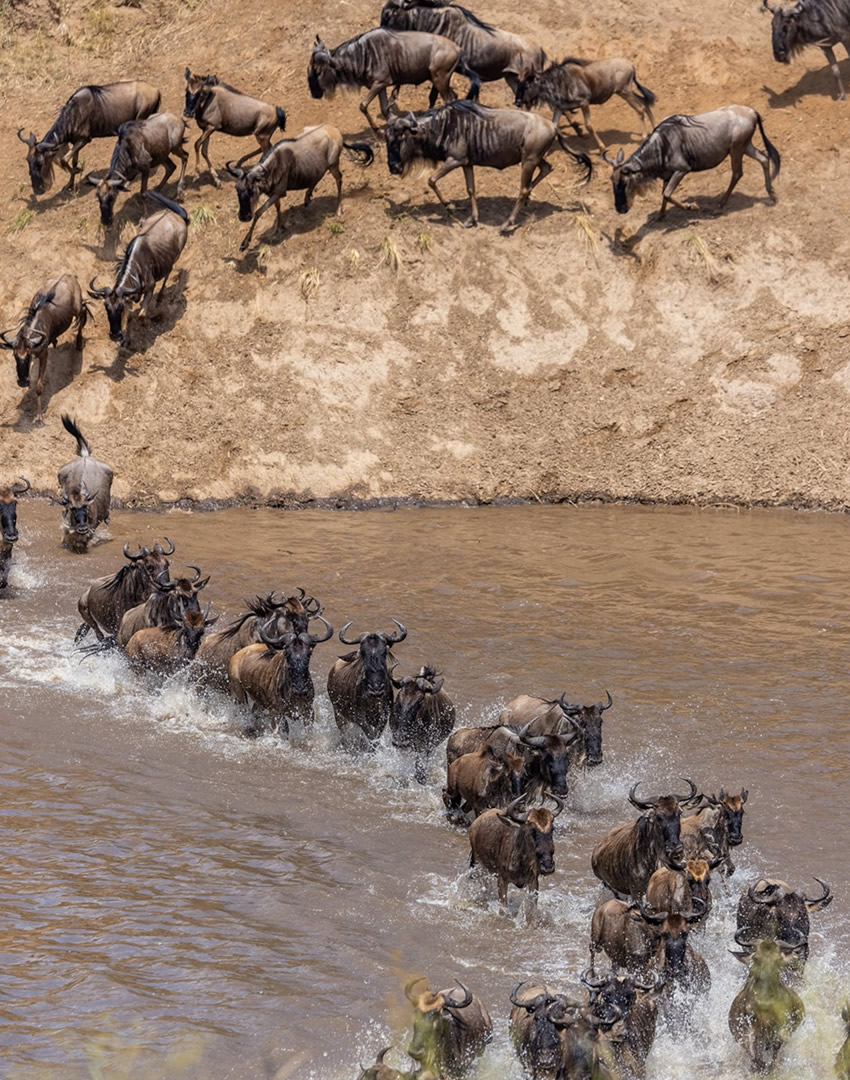
Approximately two million wildebeest, accompanied by several hundred thousand zebra and gazelle, move in a continuous clockwise circuit across the ecosystem, following the rains and fresh grazing. The Mara River crossings between July and October — where thousands of animals plunge into crocodile-filled waters — are among the most dramatic wildlife events on the planet. But the migration is present somewhere in the Serengeti in every month of the year.
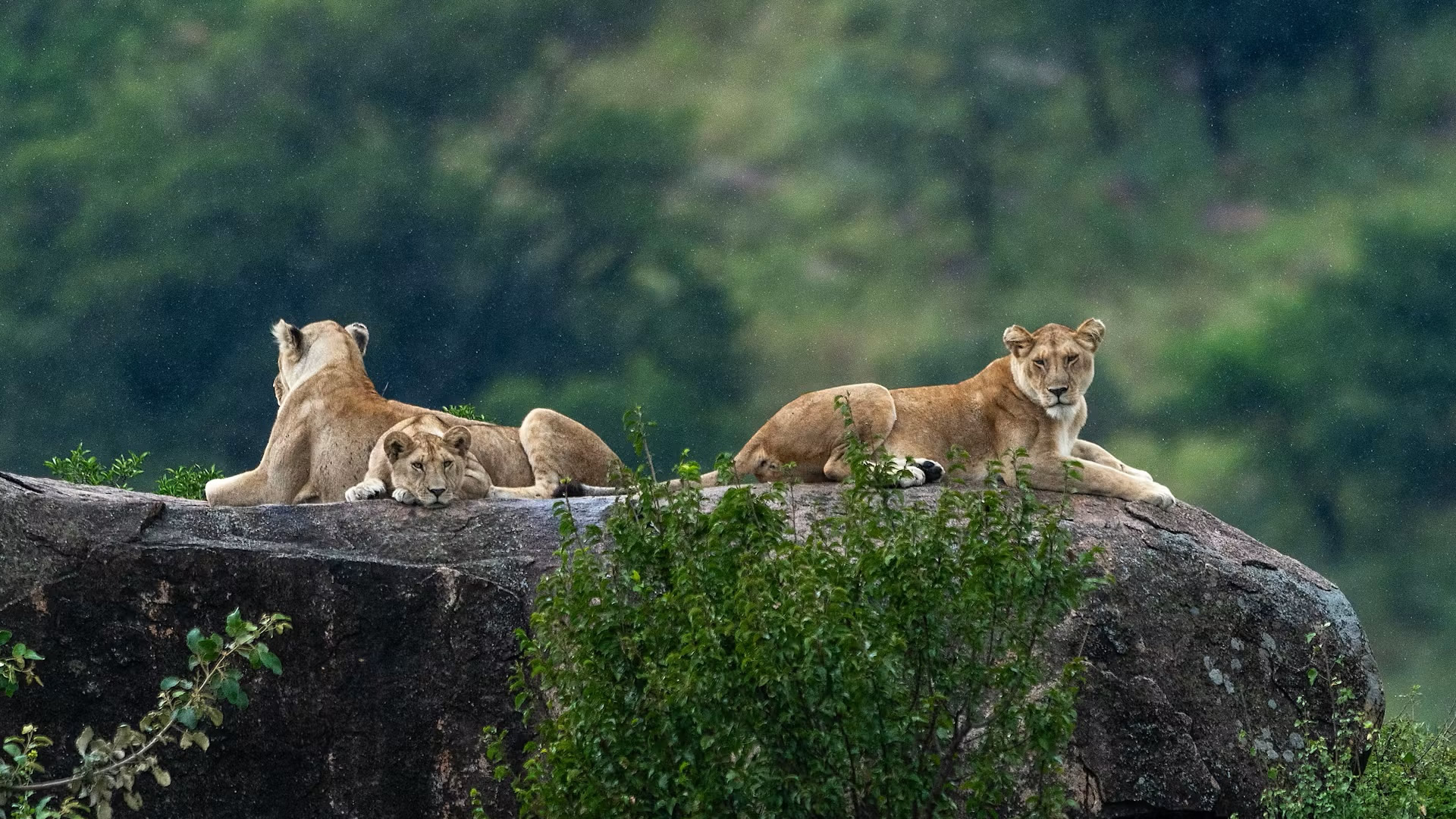
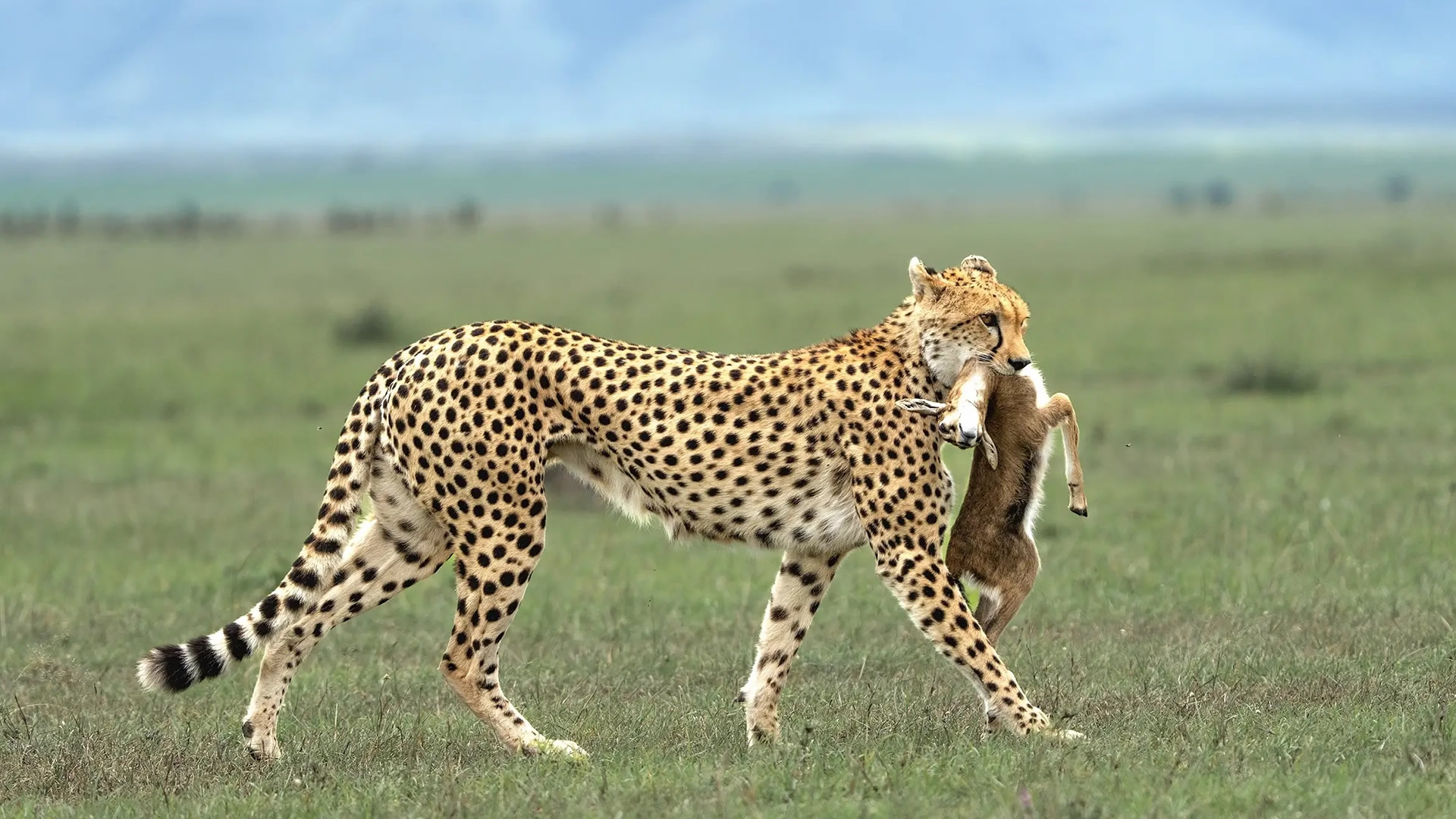
The Serengeti supports the largest population of lions in Africa — an estimated 3,000 individuals — along with significant populations of leopard, cheetah, spotted hyena, and wild dog. The open terrain means predator sightings are not only frequent but vivid: hunts, kills, and interactions between competing species play out across the plains in unobstructed view.
The central and southern Serengeti's short-grass plains — built on volcanic ash from ancient eruptions in the Ngorongoro highlands — are among the most visually striking landscapes in Africa. There are no trees, no fences, no structures. The horizon is unbroken in every direction. It is a landscape that makes every animal look monumental and every sky feel infinite.
Unlike parks that peak in a single season, the Serengeti delivers world-class wildlife viewing every month. The southern plains host the calving season from January to March. The western corridor fills with herds from May to July. The northern sector stages the river crossings from July to October. The central Seronera region holds resident prides, leopards, and elephant year-round.
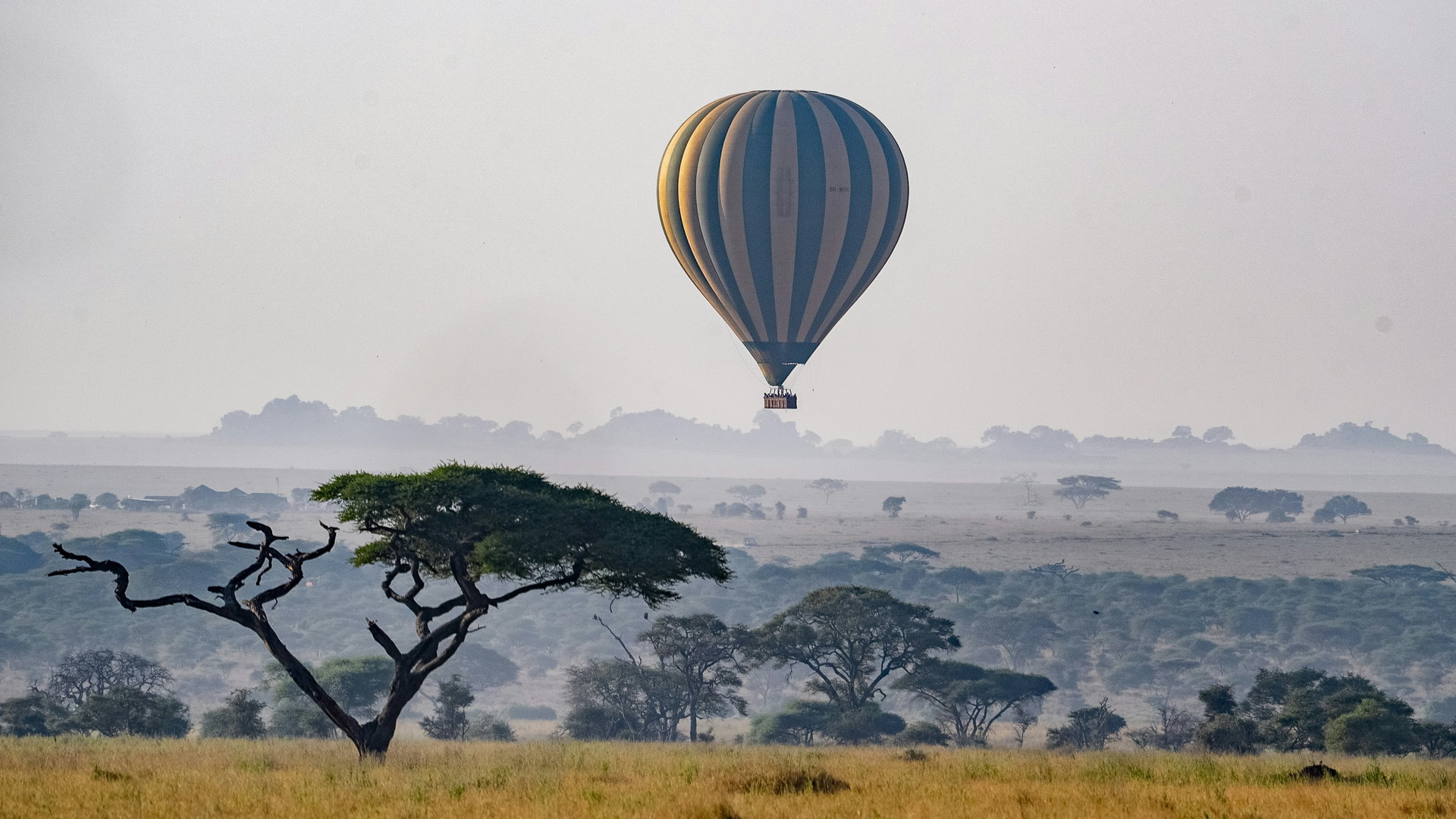
Nowhere on Earth offers a more spectacular balloon flight than the Serengeti at dawn. Drifting silently above the plains as the sun rises, watching herds move below and predators return from the night's hunt, is a perspective that transforms the safari experience. Flights operate year-round from multiple camps and typically conclude with a champagne breakfast on the savannah.
Inscribed in 1981, the Serengeti was among the first natural sites recognised by UNESCO — a designation that reflects its status as one of the most important ecosystems on Earth. The park's wildlife populations, ecological processes, and sheer scale remain substantially intact, making it one of the very few places where the African wilderness functions as it did before the modern era.
The Serengeti National Park occupies the vast plains of northern Tanzania, stretching from the Ngorongoro Conservation Area in the south-east to the Kenyan border and the Maasai Mara in the north. The park lies approximately 335 kilometres north-west of Arusha, the gateway city for northern Tanzania's safari circuit.
The greater Serengeti ecosystem — including the park itself, the Ngorongoro Conservation Area, the Maswa and Ikorongo game reserves, and multiple wildlife management areas — covers roughly 30,000 square kilometres, making it one of the largest protected ecosystems in Africa. This continuity is what makes the Great Migration possible: the herds move freely across political and administrative boundaries, following the rain and the grass in an unbroken circuit that has no beginning and no end.
From dawn game drives across the open plains to balloon flights above the migration — the Serengeti offers the full range of the African safari experience.
Morning and afternoon drives across the Serengeti's varied zones — from the open short-grass plains of the south to the acacia woodland of the Seronera Valley and the hilly, river-cut terrain of the north. All Big Five are present, along with cheetah, wild dog, serval, bat-eared fox, and over 500 bird species. Guides read the landscape in real time, adjusting routes to follow predator activity and herd movements.
Between July and October, the northern Serengeti's Mara River becomes the stage for the migration's most dramatic chapter. Thousands of wildebeest gather on the banks, hesitate, and then plunge into the current — running a gauntlet of Nile crocodiles. The crossings are unpredictable and electrifying. Camps in the Kogatende and Lamai areas position guests within reach of the main crossing points.
Lift off before dawn and drift silently over the plains as the Serengeti wakes. From the basket, the full scale of the ecosystem becomes visible — herds stretching to the horizon, hippo pools, kopje outcrops, and the patterns of predator and prey. Flights last approximately one hour and conclude with a champagne breakfast served on the open savannah.
Several exclusive concessions bordering the national park permit walking safaris — an experience that changes the scale of everything. On foot, with an armed guide, the grass is waist-high, the tracks are personal, and the silence between animal calls becomes its own presence. Walking safaris are available from select luxury camps in the Grumeti, Loliondo, and Singita concession areas.
Ancient granite outcrops — known as kopjes — rise from the flat plains like stone islands, supporting their own micro-ecosystems of fig trees, hyrax colonies, agama lizards, and resident leopards. The Simba Kopjes, Moru Kopjes, and Gol Kopjes are among the most productive predator-viewing sites in the park, particularly for lion prides that use the rock formations as lookout points and resting platforms.
Between late January and March, the southern short-grass plains around Ndutu host one of nature's most concentrated events. Approximately 500,000 wildebeest calves are born within a six-week window — as many as 8,000 per day. The abundance of vulnerable young draws every predator in the ecosystem, creating extraordinary concentrations of lion, cheetah, hyena, and jackal.
The Serengeti delivers year-round. The question is not whether to go but where to be — the migration moves continuously and the resident wildlife never disappoints.
The prime safari window. Vegetation thins, waterholes concentrate wildlife, and the migration herds push north towards the Mara River crossings — the Serengeti's signature spectacle. July to September is the busiest and most sought-after period. The dry months of January and February coincide with the calving season on the southern plains, creating a second peak that rivals the crossings in intensity.
The long rains transform the Serengeti into lush green savannah with dramatic skies, fewer vehicles, and lower camp rates. Some lodges in remote sectors close in April and May, but the main camps remain open and the resident predators — particularly the Seronera leopards and kopje lion prides — are present year-round. November's short rains are mild and the herds begin moving south, offering excellent viewing with far fewer visitors.
Multiple airstrips across the park, scheduled bush flights from Arusha, and overland access through the Ngorongoro Crater.
Scheduled bush flights operate daily from Arusha (Arusha Airport or Kilimanjaro International) to multiple airstrips across the Serengeti — Seronera in the centre, Grumeti and Kirawira in the west, Kogatende and Lamai in the north, and Ndutu in the south. Flight time is approximately 1.5 hours. Flying allows guests to follow the migration by positioning directly in the right sector without long overland transfers.
The classic overland route departs Arusha, descends into the Rift Valley at Lake Manyara, climbs to the Ngorongoro Crater rim, and drops down into the Serengeti through the Naabi Hill gate — approximately 8 hours of driving through some of East Africa's most spectacular scenery. Many itineraries combine the drive with a crater tour or a Lake Manyara visit en route, turning the transfer into a game drive in its own right.
The Serengeti is the centrepiece of Tanzania's northern safari circuit, which typically includes Tarangire, Lake Manyara, and the Ngorongoro Crater. A classic circuit runs five to eight days, moving between parks by road or light aircraft. Cross-border itineraries linking the Serengeti with Kenya's Maasai Mara are also popular — the two parks share the same ecosystem and the migration crosses between them.
The Great Migration, Big Five encounters, and the endless plains that gave Africa its most enduring silhouette.
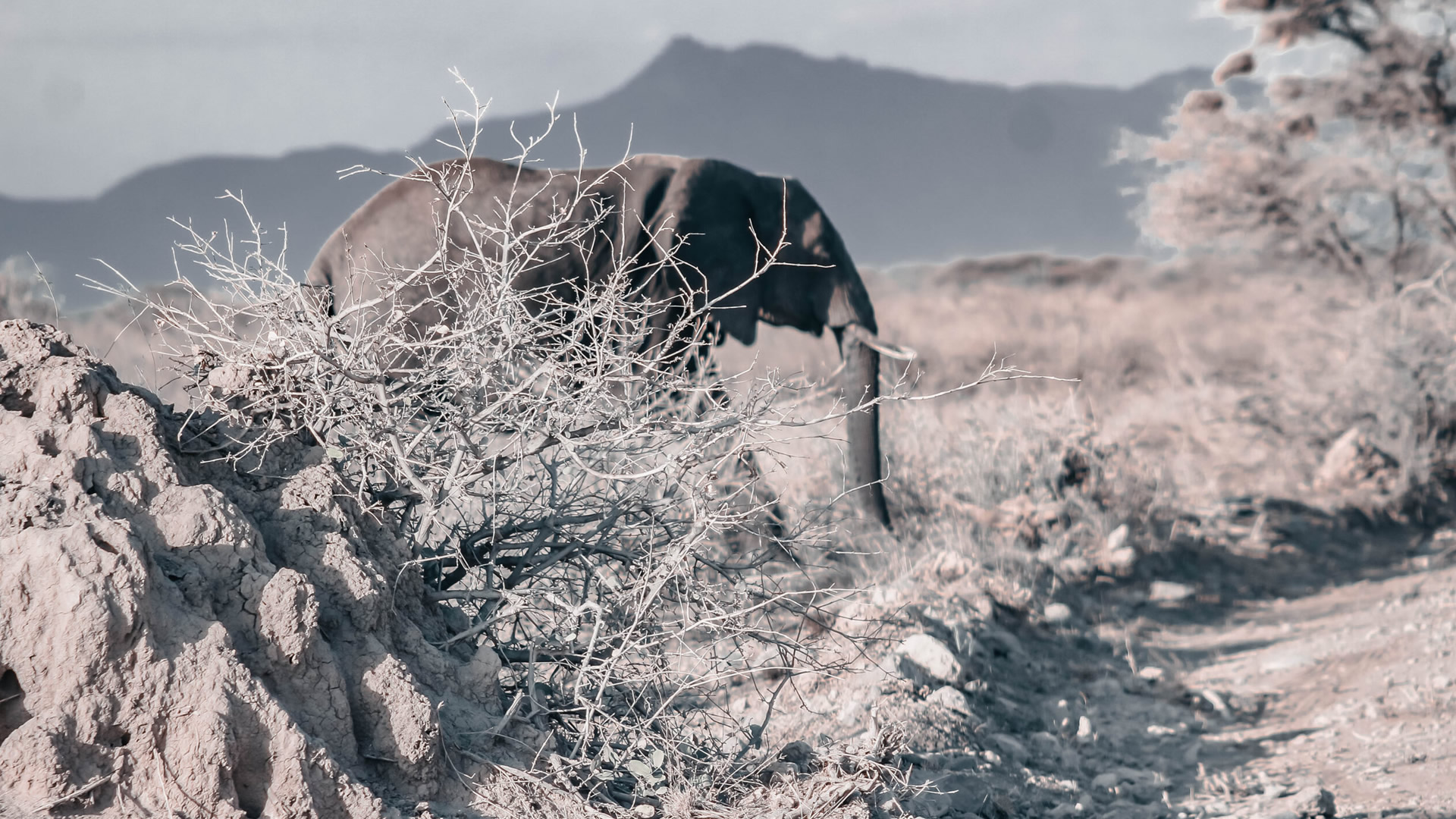
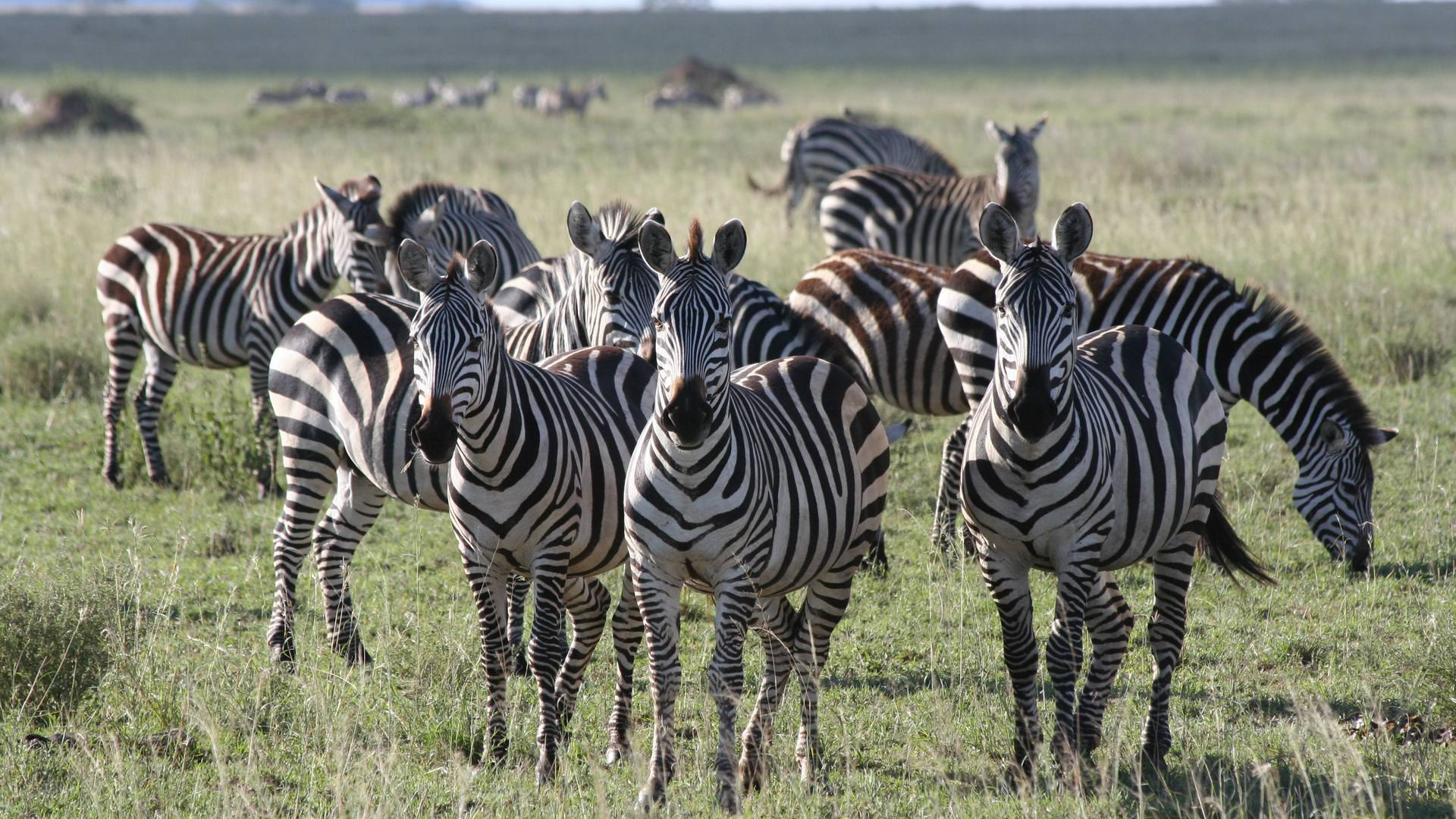
The migration is present in the Serengeti ecosystem year-round — the herds never leave, they simply move. The most dramatic phase is the Mara River crossings in the northern Serengeti, typically between July and October. The calving season on the southern plains from late January to March is equally spectacular, with hundreds of thousands of newborns and intense predator activity. June and November are excellent transitional months when the herds are on the move between zones, often in vast, concentrated columns.
Three nights is the recommended minimum — enough for six game drives across different habitats and a good chance of encountering the Big Five and the migration herds. Four to five nights allows time for a balloon safari, a full-day drive following predator activity, and the luxury of returning to a productive area for a second look. For migration-focused trips, particularly during the river crossings, four nights positioned in the northern Serengeti is ideal — crossings are unpredictable, and extra days significantly improve the odds of witnessing one.
The Serengeti is divided into four broad regions, each with distinct character. The southern plains (Ndutu) are open, treeless grassland — the calving grounds from December to March. The central Seronera Valley has riverine woodland and resident wildlife year-round, particularly big cats. The western corridor features open savannah and the Grumeti River, where crossings occur from May to July. The northern sector (Kogatende, Lamai) is hilly, wooded, and defined by the Mara River crossings from July to October. Your guide and camp location will be chosen based on where the action is during your travel dates.
Yes — the Serengeti is one of the best family safari destinations in Africa. The open plains make wildlife easy to spot, which keeps younger children engaged. Game drives can be tailored to shorter durations with frequent stops. Many lodges and camps welcome children from age five upwards, with dedicated family tents, child-friendly menus, and guided junior ranger programmes. Balloon safaris accept children above a minimum age (typically seven or eight). The sheer visual drama of the landscape and the migration holds attention across all ages.
The Serengeti National Park charges USD 70.80 per non-resident adult per 24-hour period (as of 2024/2025), with reduced rates for children aged 5–15. Concession fees may apply at camps operating within private wildlife management areas adjacent to the park. All park fees, concession fees, and applicable taxes on Kuldip's Touring Company safari packages are included in the quoted price — there are no hidden extras.
Absolutely — a Serengeti-to-Zanzibar combination is one of the most popular itineraries in East Africa, pairing world-class safari with Indian Ocean beaches. Direct flights connect several Serengeti airstrips to Zanzibar via Arusha, with total travel time of approximately 3 to 4 hours including the connection. A typical combination runs three to four nights on safari followed by three to four nights on the coast. Kuldip's Touring Company can arrange the full itinerary as a single seamless package.
Endless plains supporting the greatest concentration of large mammals on Earth. The stage for the Great Wildebeest Migration.
Explore the Serengeti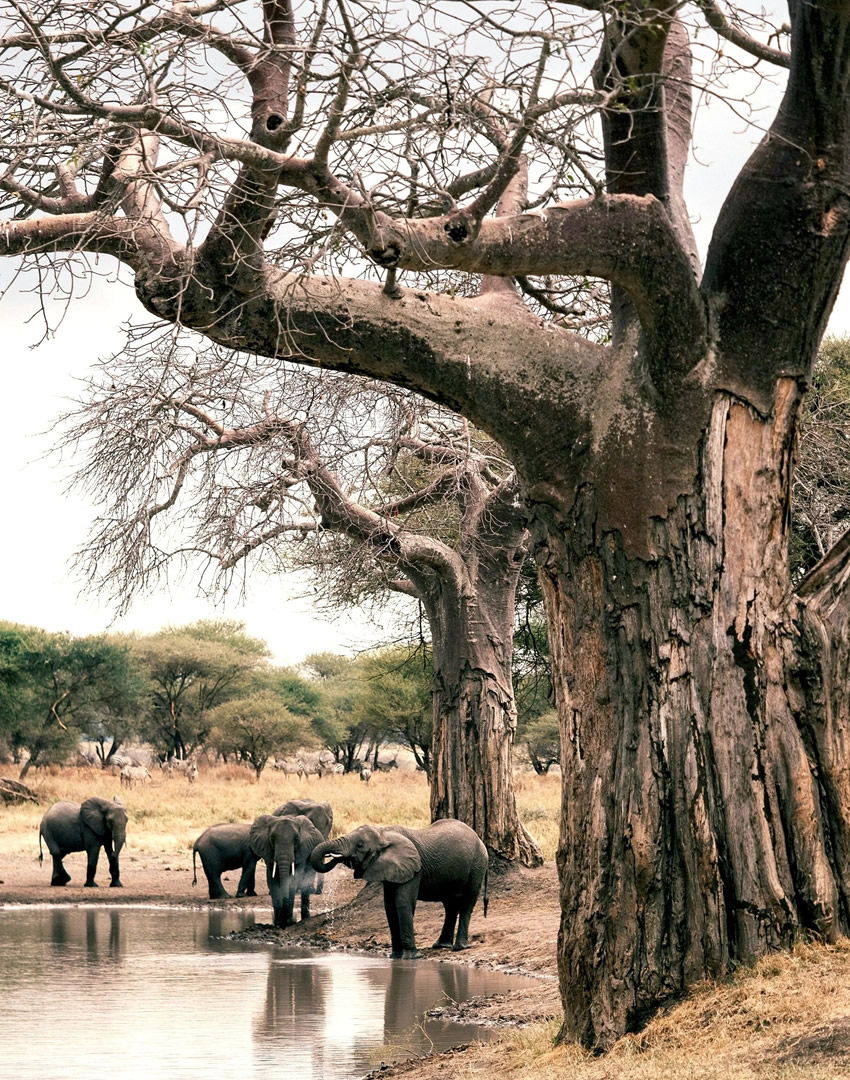
Ancient baobab trees tower over vast herds of elephant that converge on the Tarangire River during the dry season.
Explore Tarangire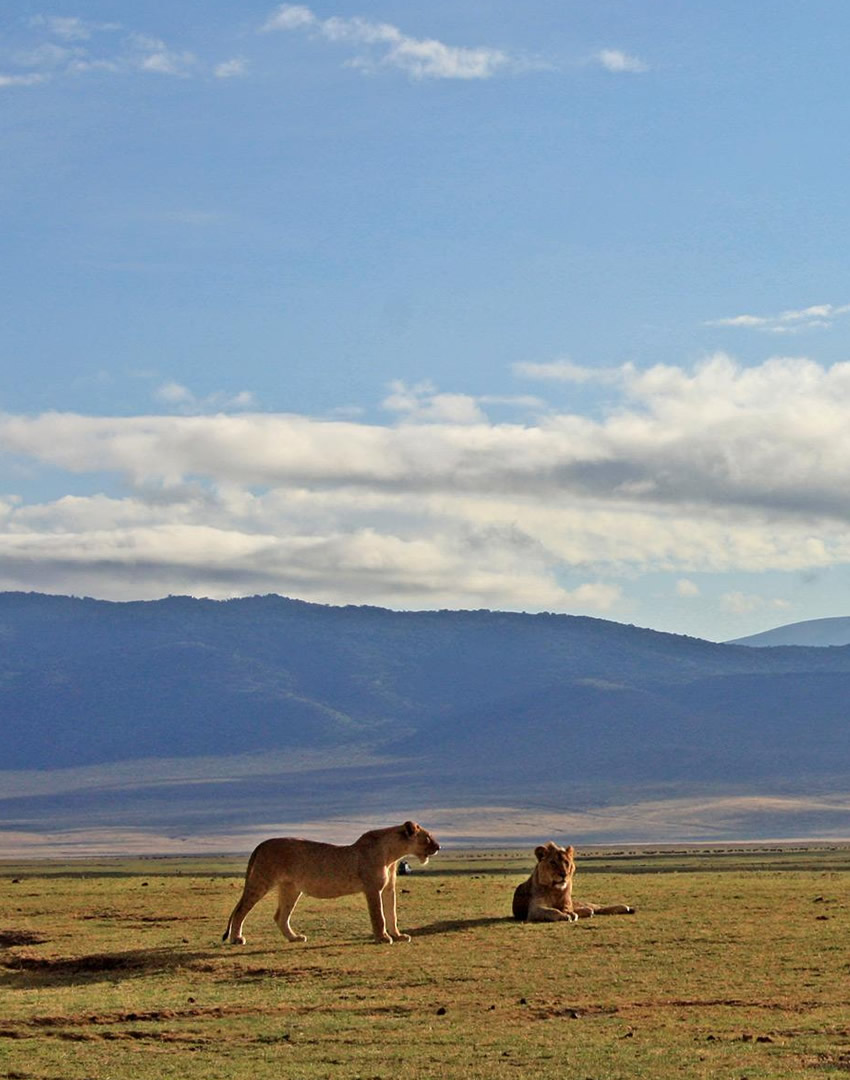
The world's largest unbroken volcanic caldera, sheltering an extraordinary density of wildlife on its lush, 600-metre-deep floor.
Explore Ngorongoro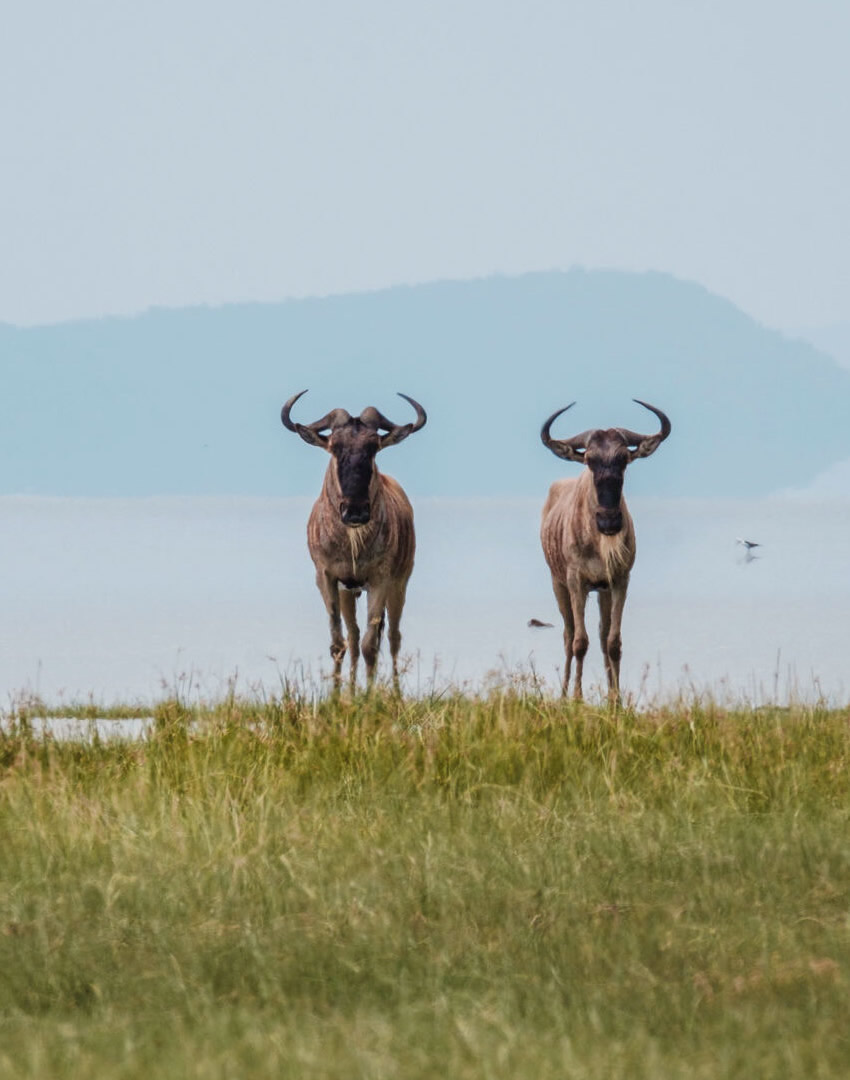
A compact gem at the base of the Great Rift Valley escarpment, famous for its tree-climbing lions in ancient mahogany trees.
Explore Manyara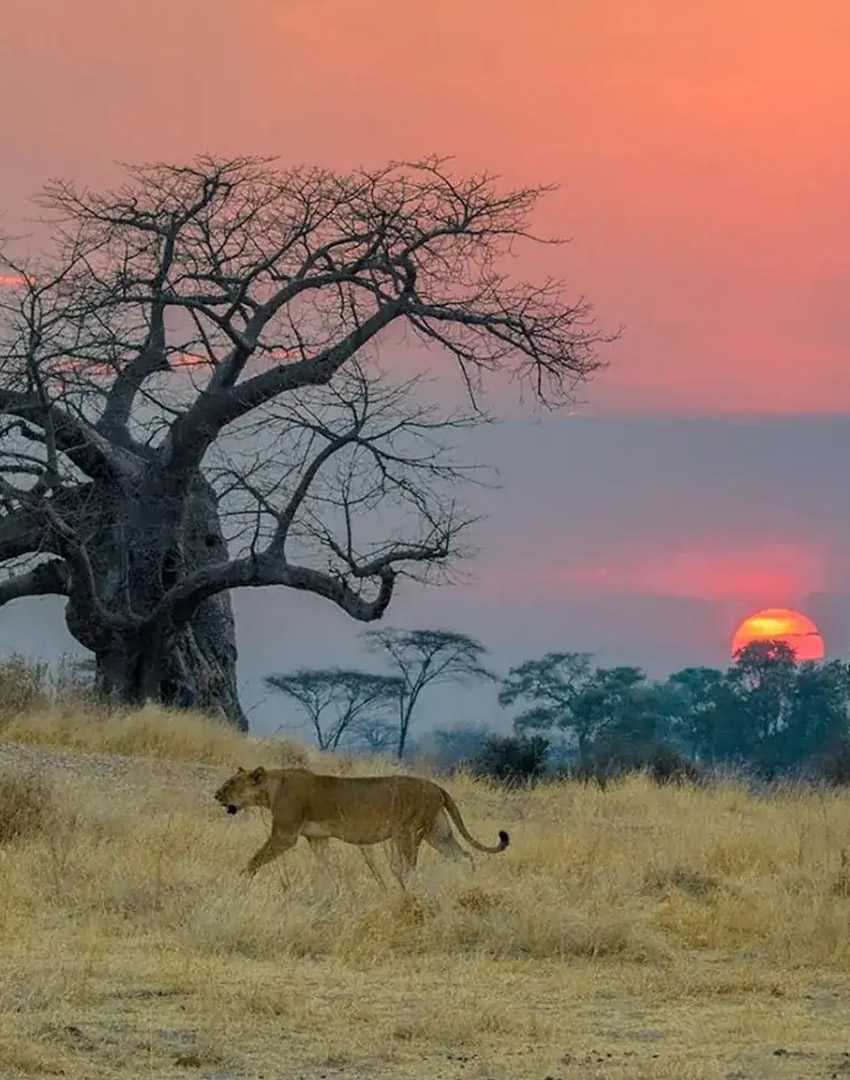
Tanzania's largest national park and one of its best-kept secrets, with one of the largest lion populations in Africa.
Explore Ruaha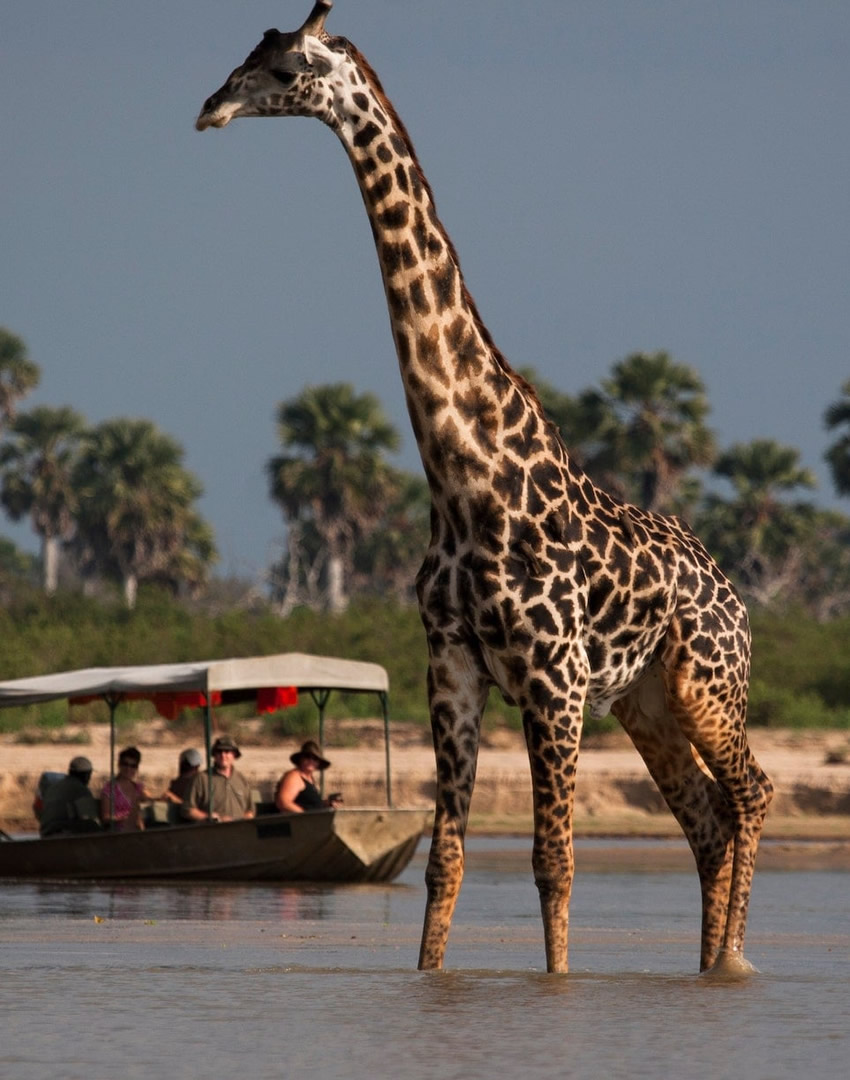
One of the largest protected areas in Africa, defined by the mighty Rufiji River. Boat safaris, walking safaris and fly-camping.
Explore Nyerere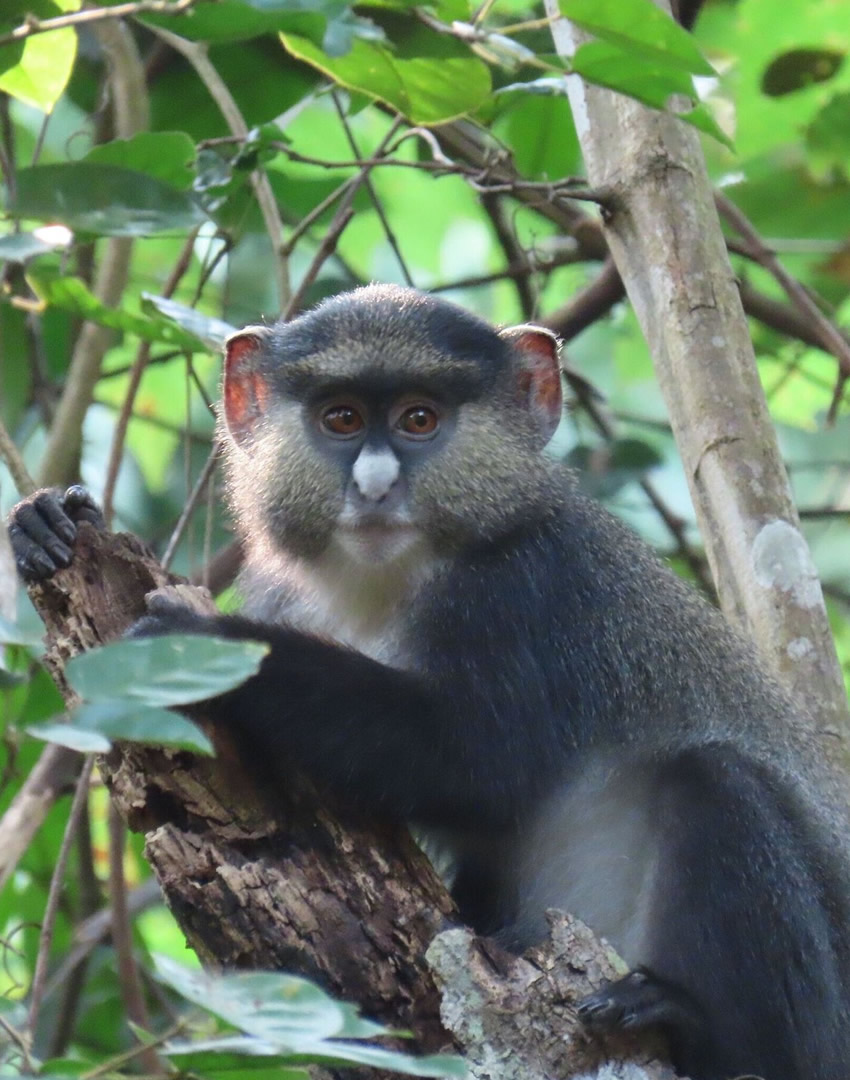
Where Jane Goodall began her groundbreaking chimpanzee research in 1960. Trek through steep forested valleys on the shores of Lake Tanganyika.
Explore Gombe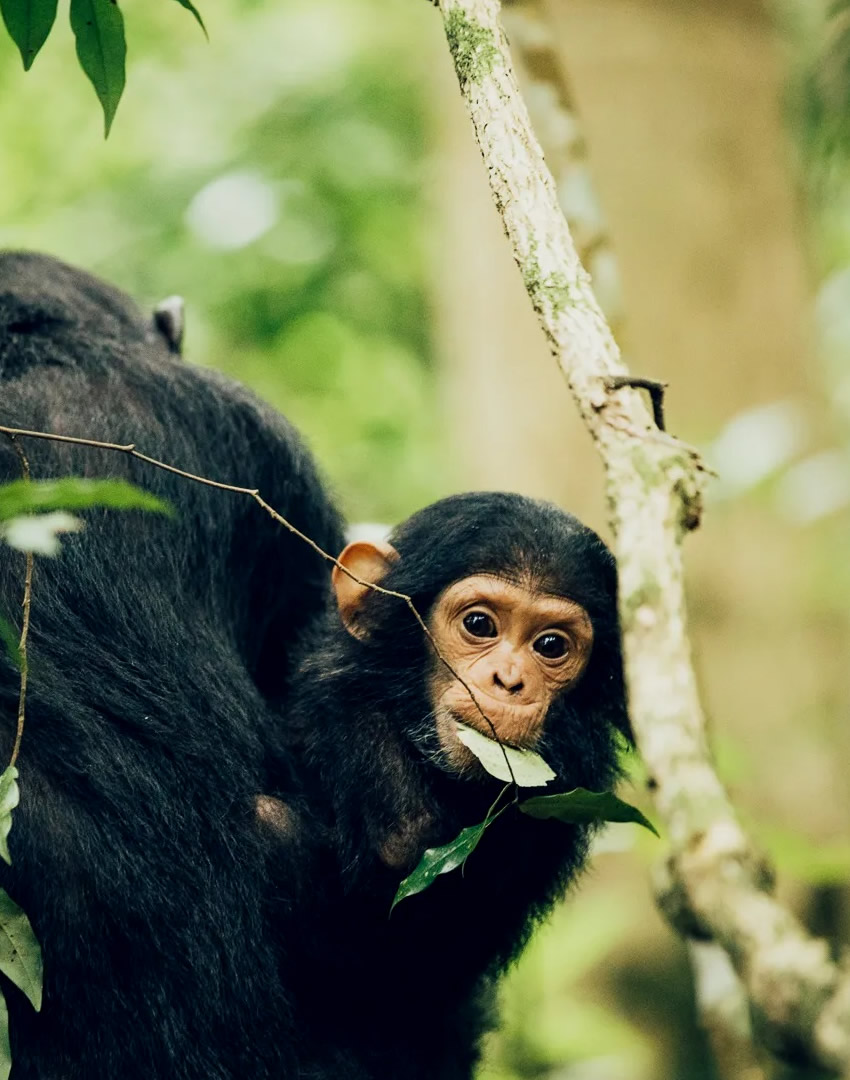
Remote, roadless and utterly extraordinary. The Mahale Mountains shelter one of the largest known populations of wild chimpanzees.
Explore Mahale