
Kenya's largest national park — a vast, ancient landscape of red earth, red elephants, and open savannah split by the Galana River and bounded by the longest lava flow on the planet.
Tsavo East National Park is, quite simply, vast. At 13,747 square kilometres — roughly half the size of Belgium — it is the largest national park in Kenya and one of the largest in the world. Established in 1948, it forms the eastern half of the greater Tsavo Conservation Area, separated from Tsavo West by the Nairobi–Mombasa highway and railway. Together, the two Tsavos protect over 22,000 km² of wilderness — an area larger than many European countries.
The landscape is defined by scale and colour. Flat, semi-arid plains of rust-red laterite soil stretch to every horizon, punctuated by rocky outcrops, seasonal river beds, and isolated baobabs. The Galana River — formed by the confluence of the Tsavo and Athi rivers — cuts an emerald seam across the park, its palm-fringed banks concentrating hippo, crocodile, and enormous herds of elephant. These elephants, famously stained the same terracotta red as the soil they dust-bathe in, are the park's visual signature and among the largest herds remaining in East Africa.
Tsavo East's most remarkable geological feature is the Yatta Plateau — the longest lava flow in the world, extending 290 kilometres along the park's western edge. The Lugard Falls, where the Galana pours through a series of sculpted rock channels, and the Mudanda Rock — a natural dam and gathering point for hundreds of elephants — add further drama to a landscape that rewards patience, distance, and the willingness to be genuinely remote.
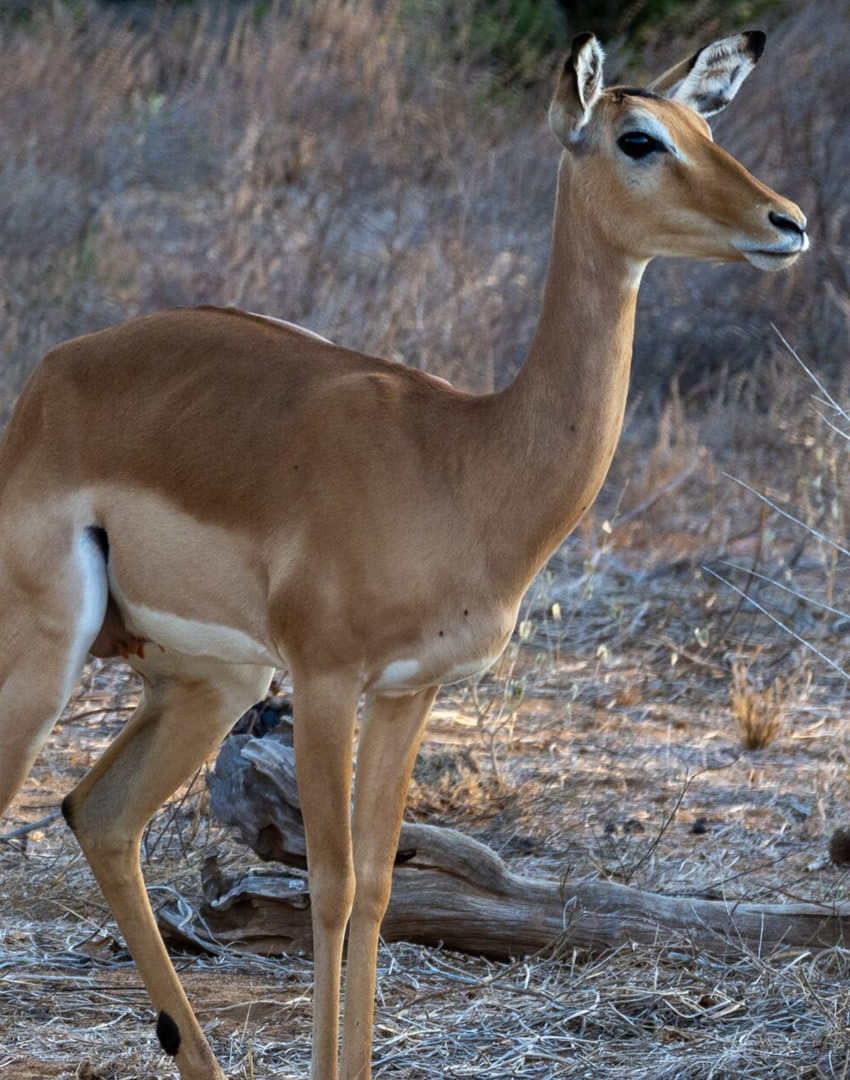
Scale, solitude, and the iconic red elephants — Tsavo East delivers a safari experience that feels genuinely wild.
Tsavo's elephants dust-bathe in the park's laterite soil, staining their skin the same deep terracotta as the earth they walk on. Over 12,000 elephants inhabit the Tsavo ecosystem — one of the largest populations in Kenya — and their red-earth colouring is found nowhere else. It is the park's most iconic image.
At nearly 14,000 km², Tsavo East is a wilderness on a continental scale. Horizons extend for miles. Herds move in the distance like shifting weather. Game drives feel like expeditions, not circuits — and the sheer vastness produces a sense of solitude impossible to replicate in smaller, busier parks.
The Galana is the park's lifeline — a palm-lined, perennial river that sustains hippo, crocodile, and vast herds of elephant, buffalo, and waterbuck. Game drives along the Galana reveal the park's richest wildlife concentrations, and the river's green ribbon against the red earth creates one of Kenya's most photogenic contrasts.
A 1.6-kilometre inselberg rising above the plains, Mudanda Rock functions as a natural water catchment during the rains. In the dry season, hundreds of elephants gather at its base to drink — a spectacle visible from the rock's summit, which is accessible on foot and offers a panoramic viewpoint across the park.
Tsavo East is the most accessible major park from Mombasa — just a two-hour drive from the coast. This makes it the natural first safari stop for beach-holiday visitors and the ideal complement to a Diani or Watamu getaway. A day trip or a two-night stay transforms a coastal holiday into a full safari-and-beach experience.
Tsavo entered global consciousness in 1898 when two man-eating lions terrorised the construction of the Kenya–Uganda Railway at the Tsavo River crossing. The story — retold in The Man-Eaters of Tsavo and the film The Ghost and the Darkness — remains one of the most famous wildlife encounters in history. The original railway bridge site is near the park's western boundary.
Tsavo East National Park occupies a vast swathe of south-eastern Kenya between the Nairobi–Mombasa highway to the west and the Galana and Tiva rivers to the north and east. The park's main entrance — Voi Gate — sits beside the town of Voi on the A109 highway, approximately 340 kilometres south-east of Nairobi and 170 kilometres north-west of Mombasa.
The Mombasa–Nairobi Standard Gauge Railway (SGR) passes directly through the park's southern section, and the Mtito Andei Gate provides an alternative entry point further west. Tsavo West National Park lies directly across the highway to the south-west, and the two parks share a continuous ecosystem with no fencing between them. The Yatta Plateau — at 290 kilometres the longest lava flow on Earth — defines the park's entire western boundary, a geological feature visible from space.
Red elephants, river drives, rock scrambles, and the raw drama of one of Africa's most untamed landscapes.
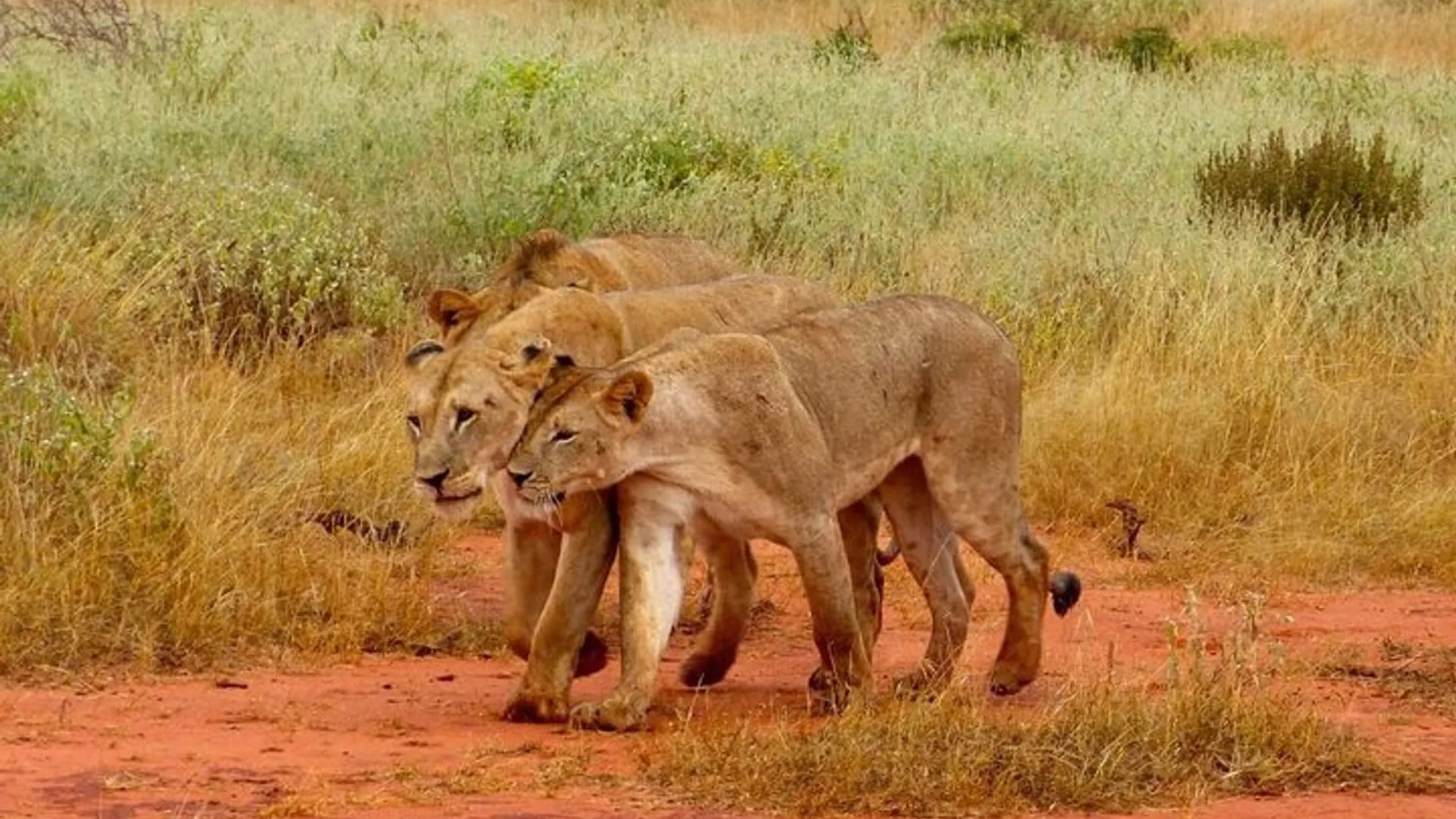
Morning and afternoon drives across the park's red-earth plains and along the Galana and Voi rivers. Elephant herds number in the hundreds, lion prides patrol the open savannah, and the flat terrain provides long sightlines that make spotting effortless even at distance.
The route along the Galana is the park's signature game drive — a green corridor through the red desert where hippo, crocodile, elephant, and waterbuck gather in extraordinary density. The palm-fringed banks against the laterite soil produce some of Tsavo's most striking photography.
Climb the gentle slope of this 1.6-kilometre inselberg for a panoramic view across the plains. Below, a natural dam collects rainwater that draws hundreds of elephants during the dry season — a gathering visible from the rock's summit that is one of Tsavo's most spectacular sights.
Not a waterfall in the traditional sense, but a series of rapids where the Galana River squeezes through narrow, wind-sculpted rock channels. The force of the water has carved the gneiss into surreal shapes over millennia. Crocodiles bask on the rocks below — a dramatic, accessible stop on any game-drive circuit.
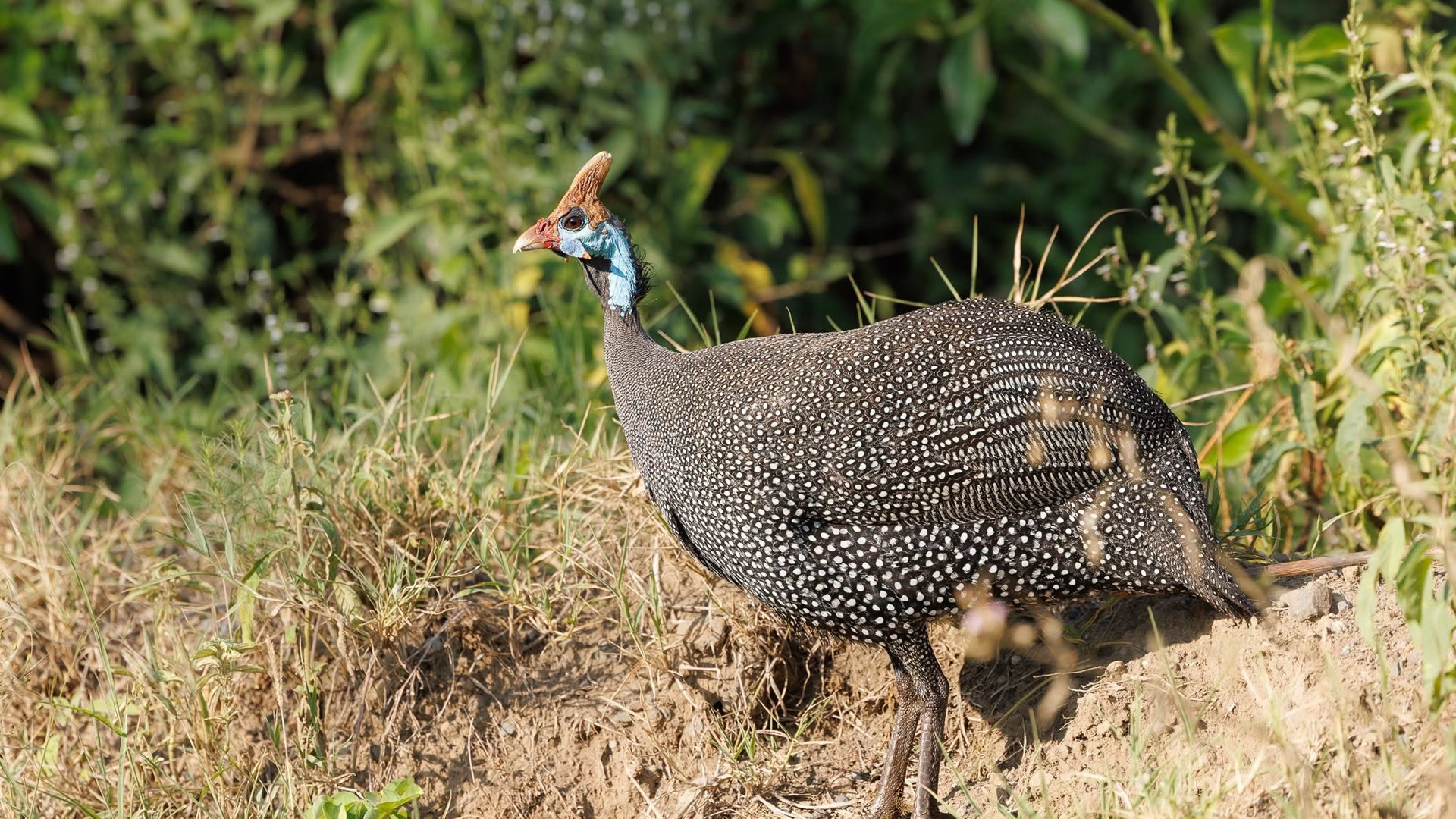
Over 500 species have been recorded across the Tsavo ecosystem. The dry-country specials — golden pipit, golden-breasted starling, vulturine guineafowl, and martial eagle — are complemented by waterbirds along the Galana and migrant raptors soaring above the Yatta Plateau.
A man-made dam on the Voi River that serves as one of the park's most reliable wildlife gathering points. Elephant, buffalo, zebra, and dozens of other species come to drink — particularly in the dry months — and the viewing area allows extended, unhurried observation from a single vantage point.
The dry months concentrate wildlife around permanent water — but Tsavo's sheer size means rewarding encounters year-round.
Tsavo East at its most spectacular. Seasonal waterholes dry up, forcing wildlife to concentrate along the Galana and Voi rivers, at Aruba Dam, and at the base of Mudanda Rock. Elephant gatherings of several hundred are common. The red soil is at its most vivid, vegetation is low, and the heat haze creates that signature Tsavo atmosphere. October extends the peak here because Tsavo's coastal-influenced rainfall arrives later than the highland parks.
The long rains transform the red desert into a green, flower-studded landscape. Wildlife disperses across the park's enormous area, making individual sightings harder to predict — but migratory birds arrive in huge numbers, newborn animals appear on the plains, and the park empties of visitors almost entirely. Some murram tracks may become impassable, but the main circuits remain open.
Perfectly placed between Nairobi and Mombasa — accessible by road, rail, and air from both cities.
The drive from Mombasa to Tsavo East's Bachuma Gate takes approximately 2 to 2.5 hours via the A109 highway — making it the most accessible major park from the Kenyan coast. Ideal for day trips or two-night extensions from a Diani or Mombasa beach holiday.
The drive from Nairobi to the Voi Gate or Mtito Andei Gate takes approximately 5 to 6 hours on the A109. The Standard Gauge Railway (SGR) also runs to Voi station in under 4 hours, where a safari vehicle can meet you at the platform — a scenic, comfortable alternative to driving.
Scheduled and charter flights operate from Nairobi's Wilson Airport and Mombasa's Moi International Airport to airstrips within the park, including Voi and Satao. Flight time from Nairobi is approximately one hour; from Mombasa around 30 minutes. Lodge transfers from the airstrip are arranged in advance.
Red earth, red elephants, and the raw immensity of Kenya's largest park.
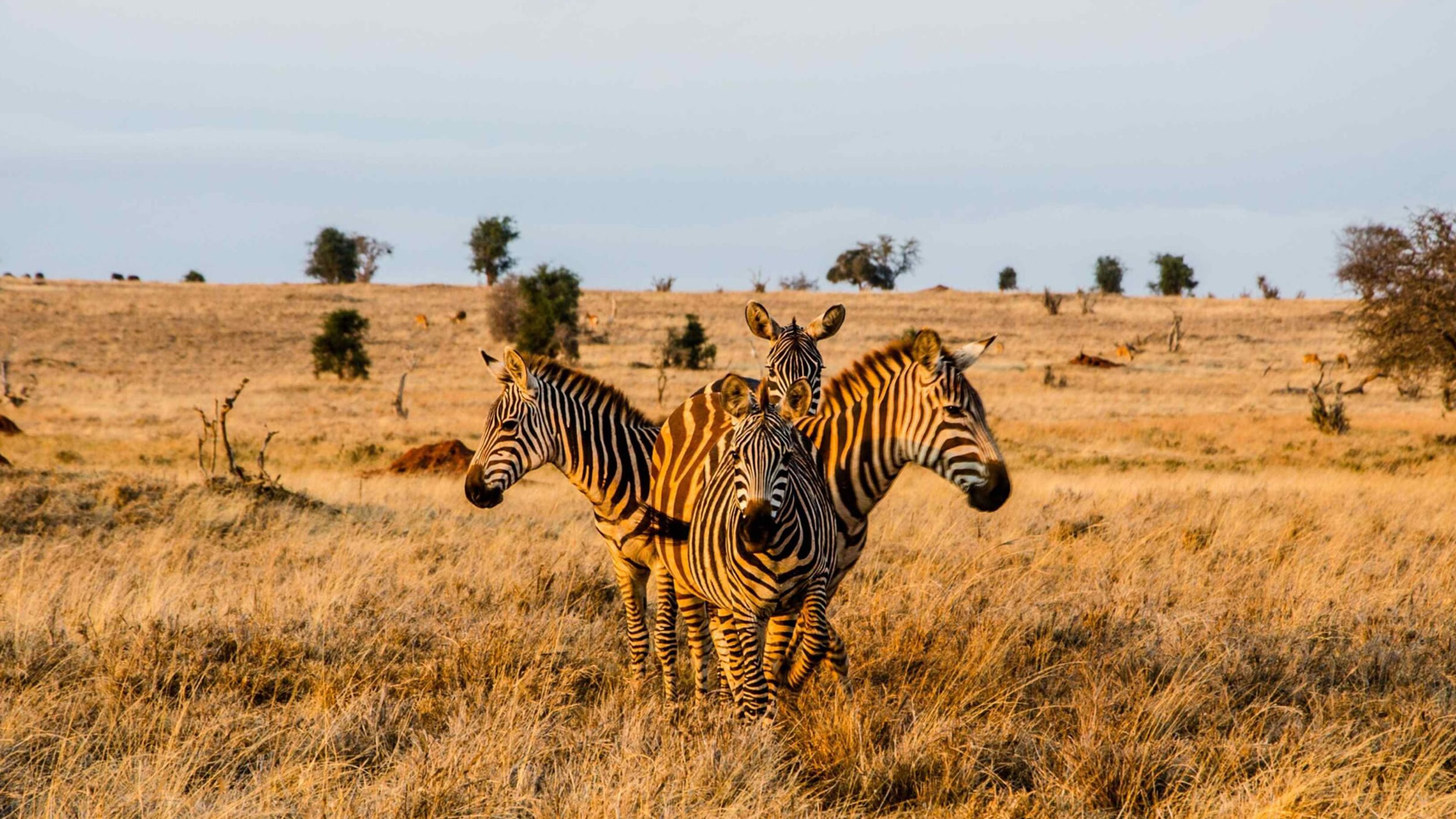
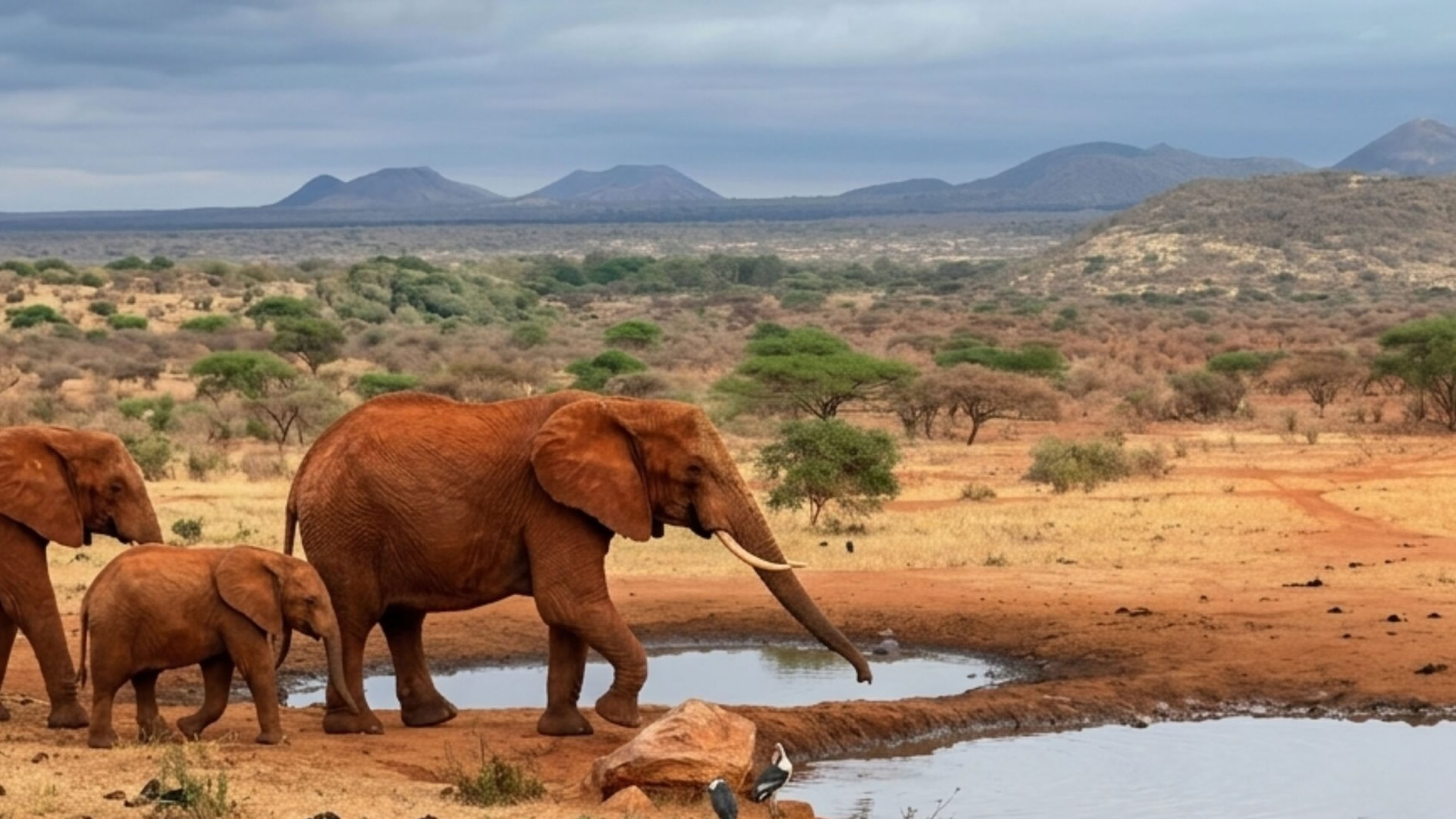
Tsavo's elephants are the same species as elephants elsewhere in Kenya — African bush elephants. Their distinctive red colour comes from regular dust-bathing and mud-wallowing in the park's laterite soil, which is rich in iron oxide and stains their skin a deep rust-red. The colour is most vivid during the dry season when dust-bathing is most frequent. In the wet season, after heavy rain, they may appear grey again until the next dust bath.
The two parks are separated by the A109 highway and the Nairobi–Mombasa railway. Tsavo East is larger, flatter, drier, and more open — its terrain is semi-arid savannah with red soil, ideal for spotting large herds at distance. Tsavo West is smaller, hillier, and greener, with volcanic landscapes, the underwater Mzima Springs viewing chamber, and denser vegetation. Many itineraries combine both parks for a full contrast of landscapes. Tsavo East is closer to Mombasa; Tsavo West is closer to Amboseli.
Yes — and this is one of the most popular safari options from the coast. The Bachuma Gate is approximately two hours from Mombasa and three hours from Diani Beach. A day trip typically departs early in the morning, includes a full game-drive circuit visiting the Galana River, Aruba Dam, and the Kanderi Swamp, and returns by late afternoon. However, an overnight stay allows for a more comprehensive experience, including sunrise and sunset drives.
In 1898, during construction of the Kenya–Uganda Railway bridge over the Tsavo River, two male lions killed an estimated 35 railway workers over nine months, halting construction and terrorising the workforce. The lions were eventually shot by the project's chief engineer, Lt. Col. John Henry Patterson, and their story was published in his 1907 book. The original lion skins and skulls are displayed at the Field Museum of Natural History in Chicago. The story has been retold in multiple films and remains one of the most famous human–wildlife encounters in history.
A single night (two days) is enough for a solid introduction — an afternoon arrival drive and a full morning circuit covering the main highlights. Two nights allows a more exploratory pace with time to reach Lugard Falls, Mudanda Rock, and the Galana River's more remote stretches. For the full Tsavo experience, a three-night itinerary splitting time between Tsavo East and Tsavo West gives you both landscapes and the broadest wildlife encounters.
Non-resident adult entry fees are currently USD 52 per person per day (24-hour period), with children aged 3–17 paying USD 26. Fees are payable via the KWS Smart Card system. A separate fee applies if you also visit Tsavo West. All park fees on Kuldip's Touring Company safari packages are included in the quoted price.
Yes — the Standard Gauge Railway (SGR) runs between Nairobi Terminus and Mombasa Terminus, stopping at Voi Station. The journey from Nairobi takes approximately 3.5 to 4 hours and passes directly through the park — you may even spot wildlife from the train window. At Voi, your safari vehicle can meet you at the station and drive directly into the park via Voi Gate. It is a scenic, comfortable, and increasingly popular way to reach Tsavo East without a long road transfer.
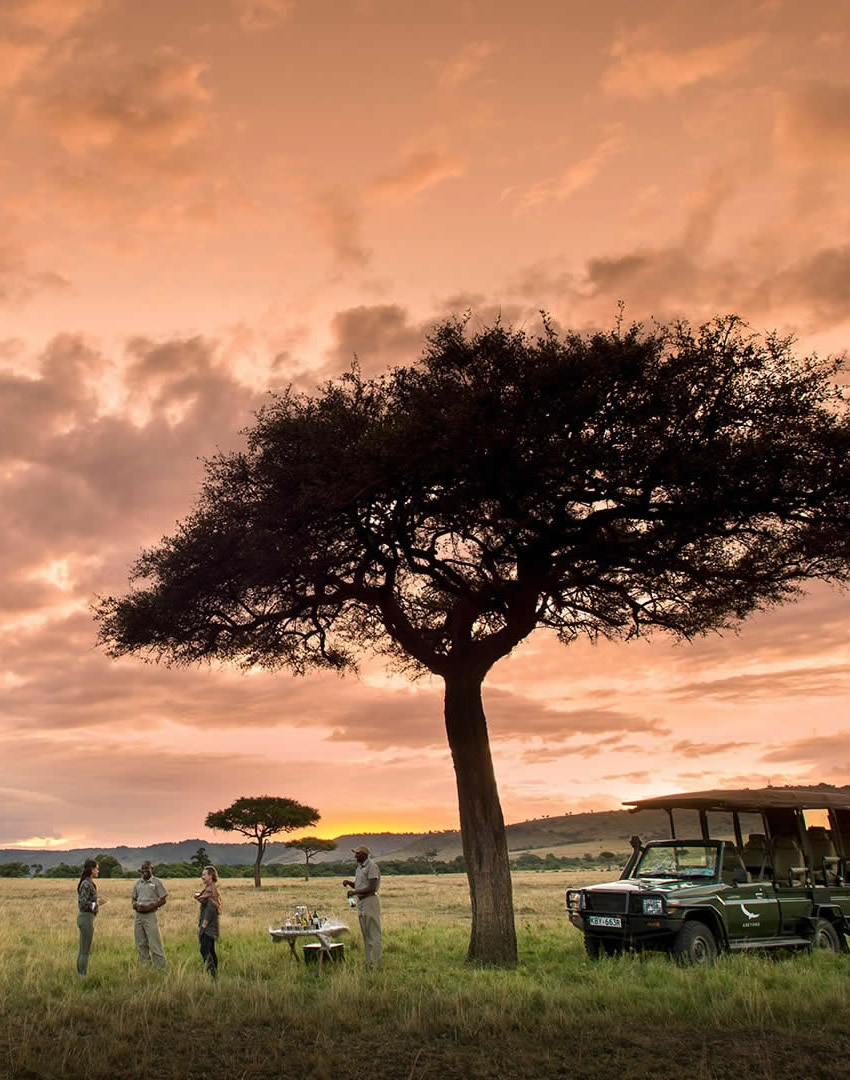
Kenya's most celebrated reserve and the northern stage of the Great Wildebeest Migration. Vast open grasslands deliver exceptional big cat sightings year-round.
Explore the Mara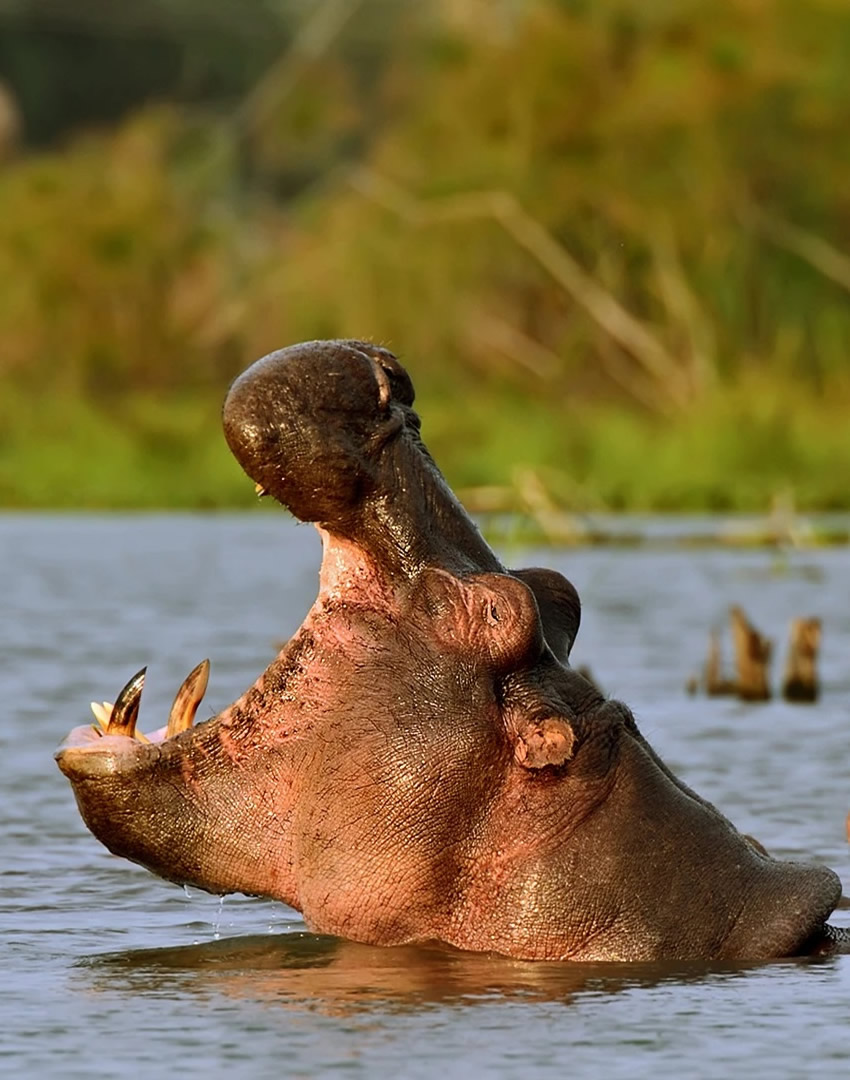
A soda lake fringed by millions of flamingos and surrounded by a compact national park that shelters both black and white rhino.
Explore Nakuru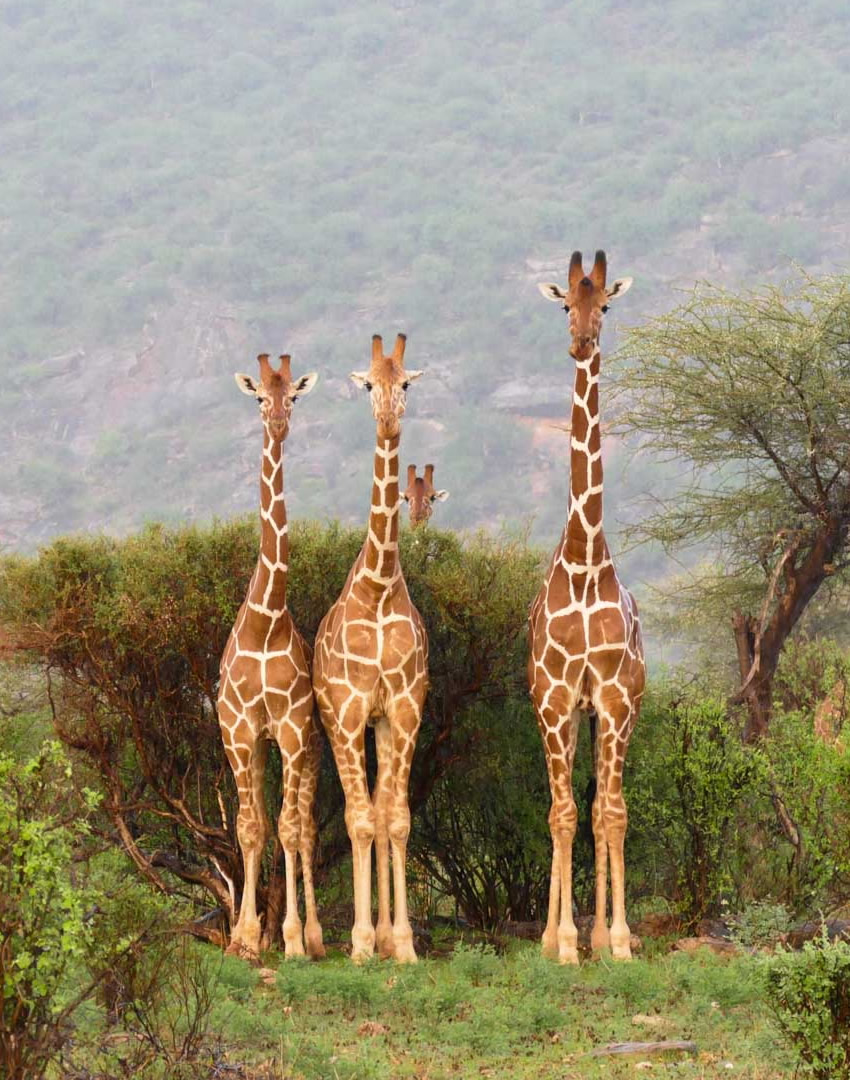
An arid wilderness bisected by the Ewaso Nyiro river, home to the famous Special Five — Grevy's zebra, reticulated giraffe, Somali ostrich, gerenuk and Beisa oryx.
Explore Samburu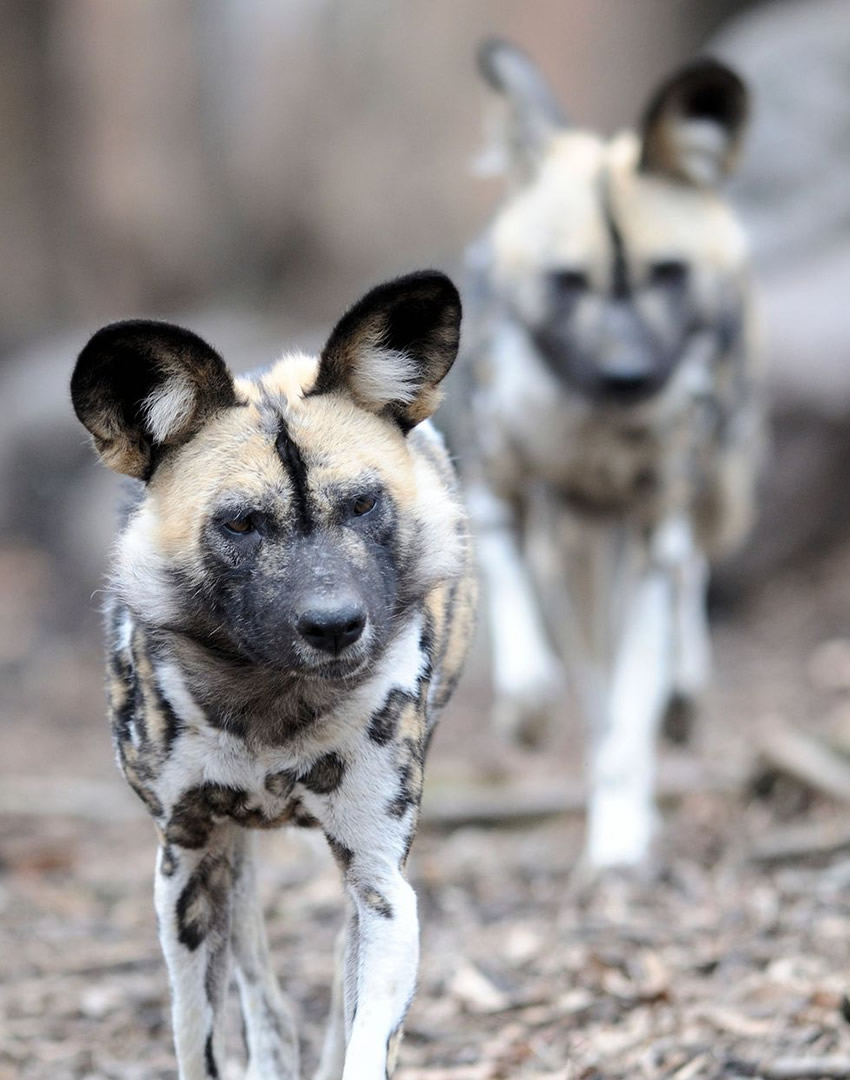
Made famous by Joy Adamson's Born Free story, Meru is a lush, under-visited wilderness of palm-lined rivers, dense bush and open grassland.
Explore Meru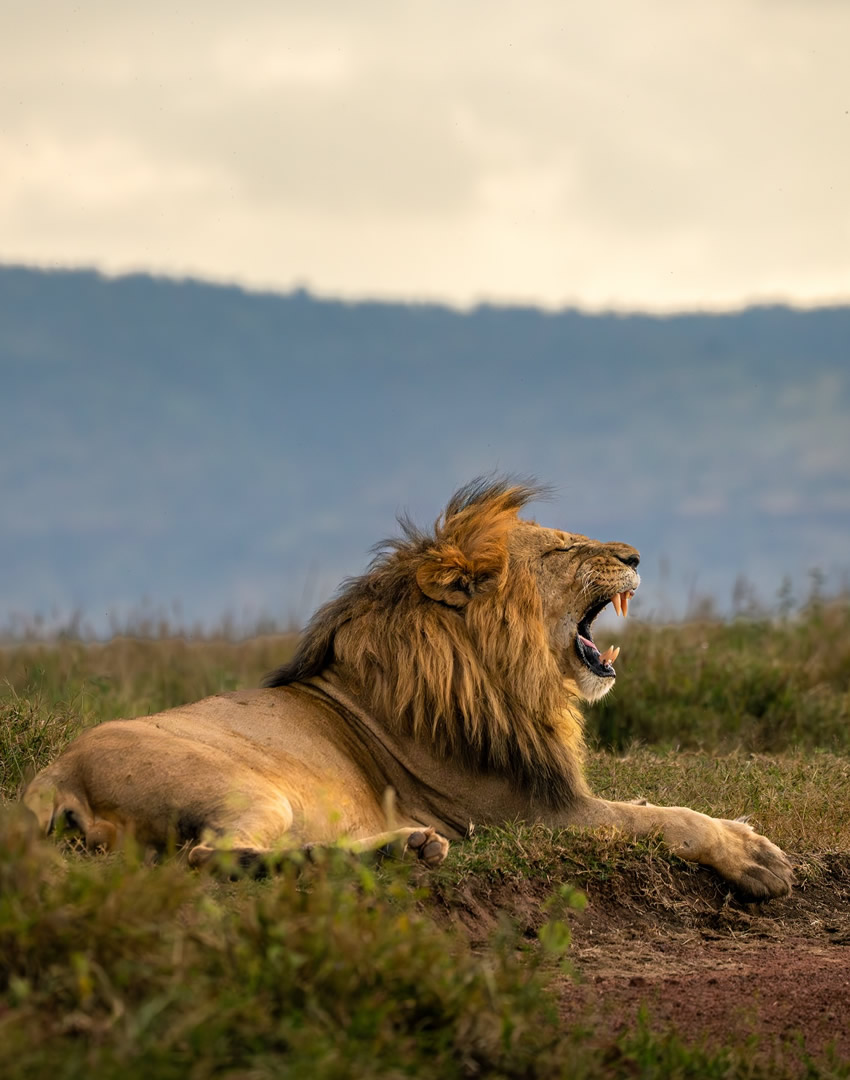
A private conservancy at the foot of Mount Kenya and one of Africa's greatest conservation success stories with exceptional rhino sightings.
Explore Lewa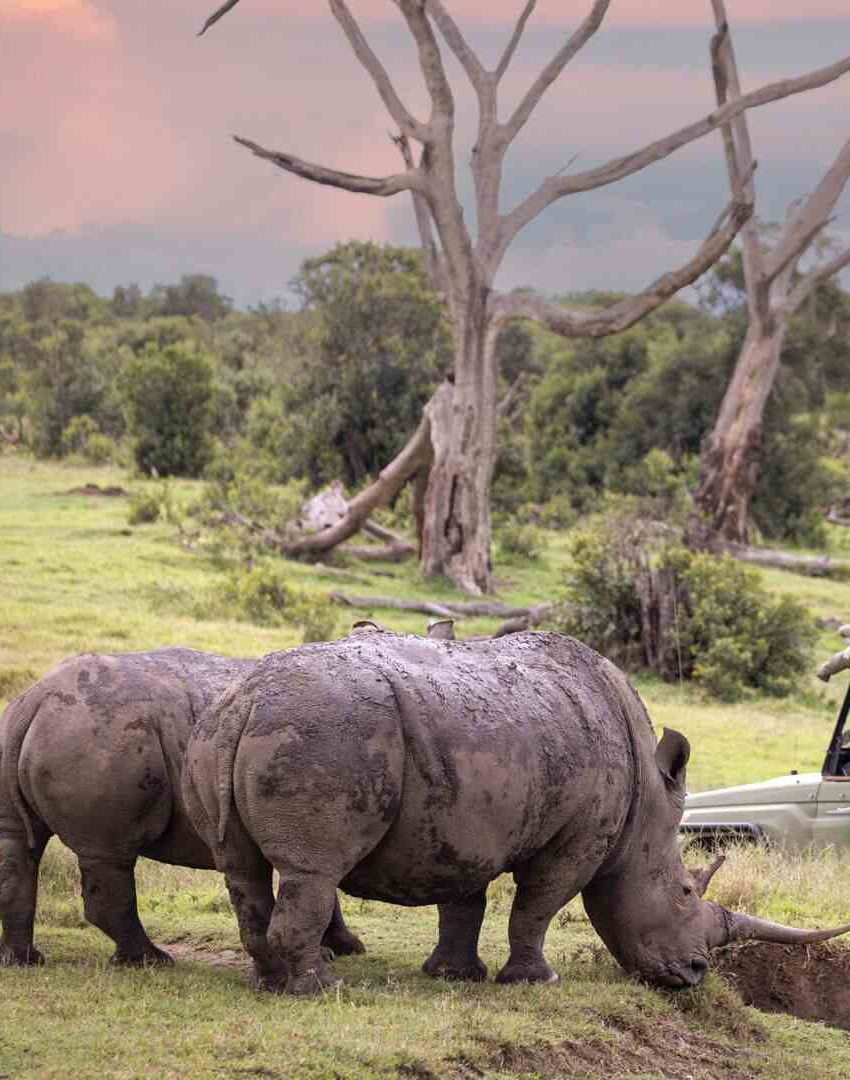
East Africa's largest black rhino sanctuary and home to the world's last two northern white rhinos. Big Five game drives and night drives.
Explore Ol Pejeta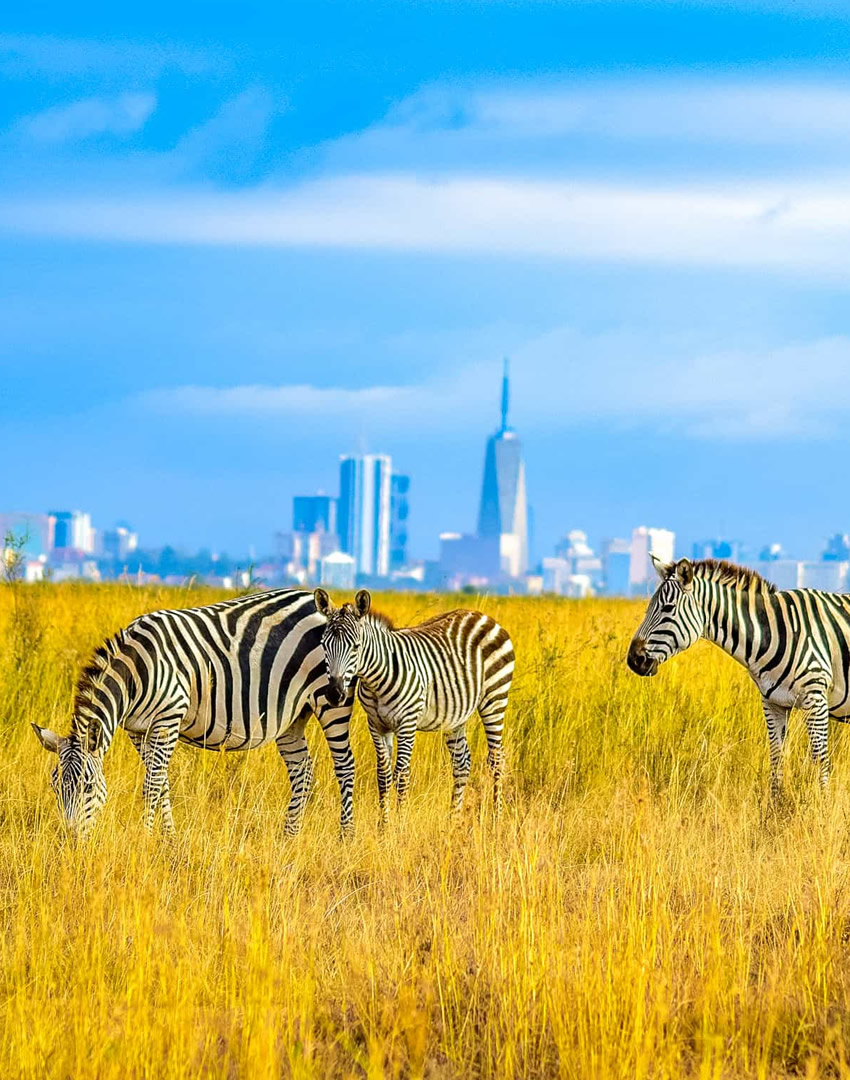
The only national park in the world set against a capital-city skyline. Lions, rhinos, buffalos and giraffes roam with Nairobi's towers rising behind them.
Explore Nairobi NPKenya's largest national park — a vast, rust-coloured wilderness where elephants coat themselves in red laterite soil and maneless lions patrol the plains.
Explore Tsavo East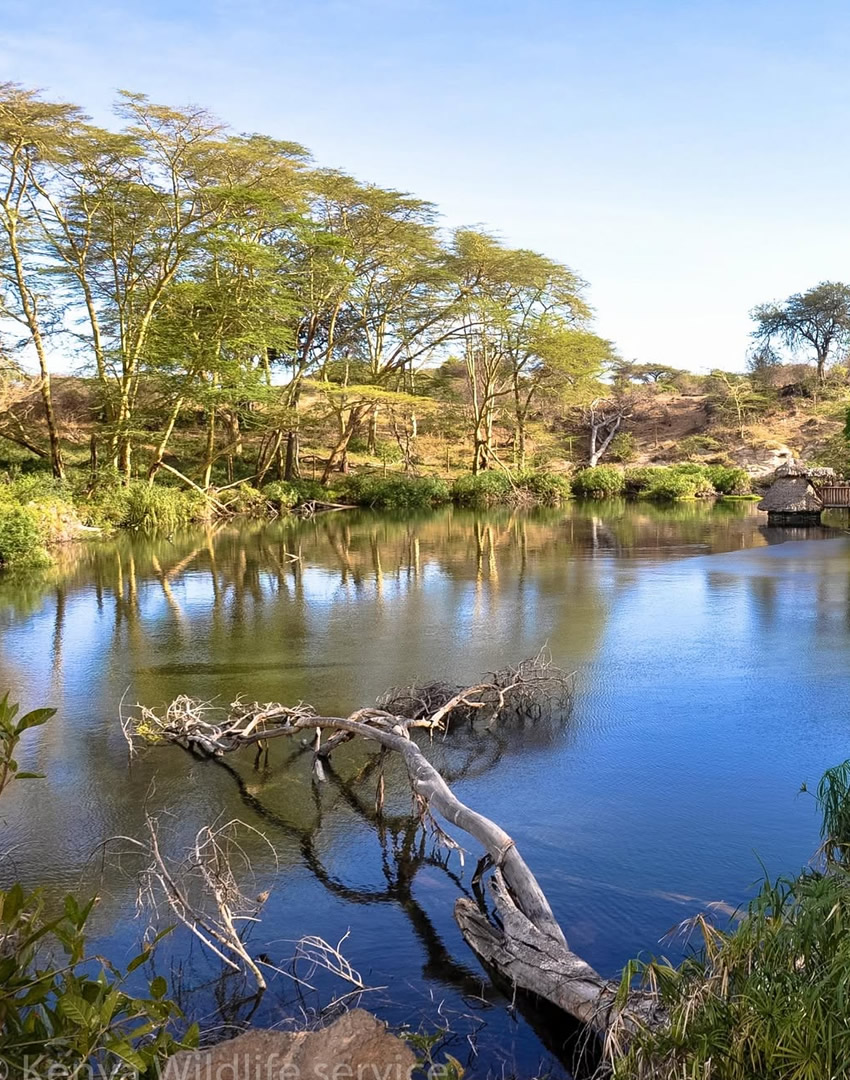
A dramatic landscape of ancient lava flows, rocky outcrops and dense woodland, centred around the crystal-clear Mzima Springs.
Explore Tsavo West