Experience the thrill of a 10,000-acre private wilderness sharing an unfenced border with Tsavo East. Famous for its high concentration of elephants, resident lions, and a spectacularly active lodge waterhole.
If you want the raw wildlife experience of Tsavo East without the long distances and national park crowds, the Ngutuni Wildlife Sanctuary is the perfect coastal day trip. Nestled on a 10,000-acre private reserve that shares a completely unfenced border with Tsavo East National Park, Ngutuni is a natural corridor for migrating wildlife and a permanent home to some of Kenya's most iconic species.
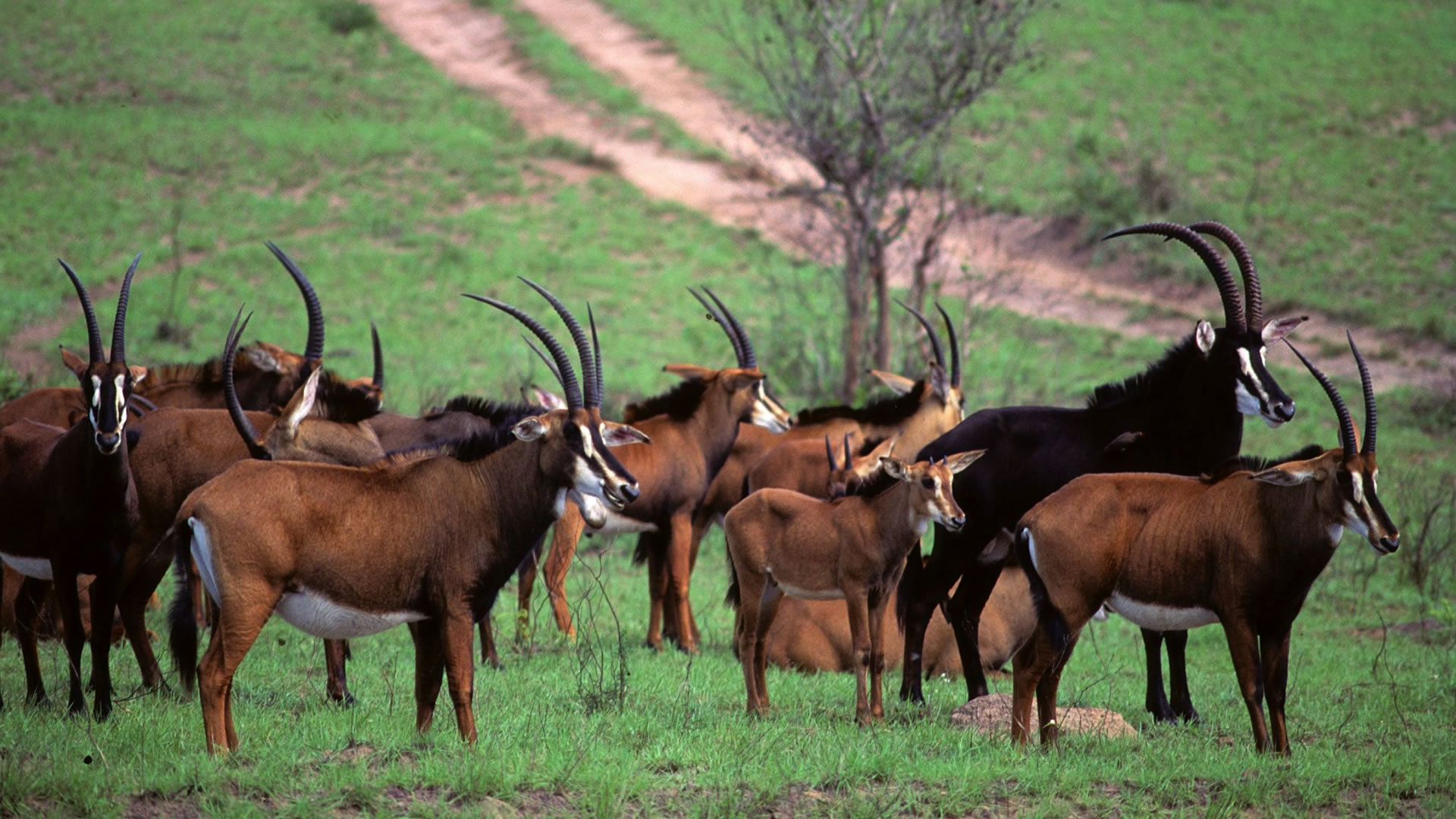
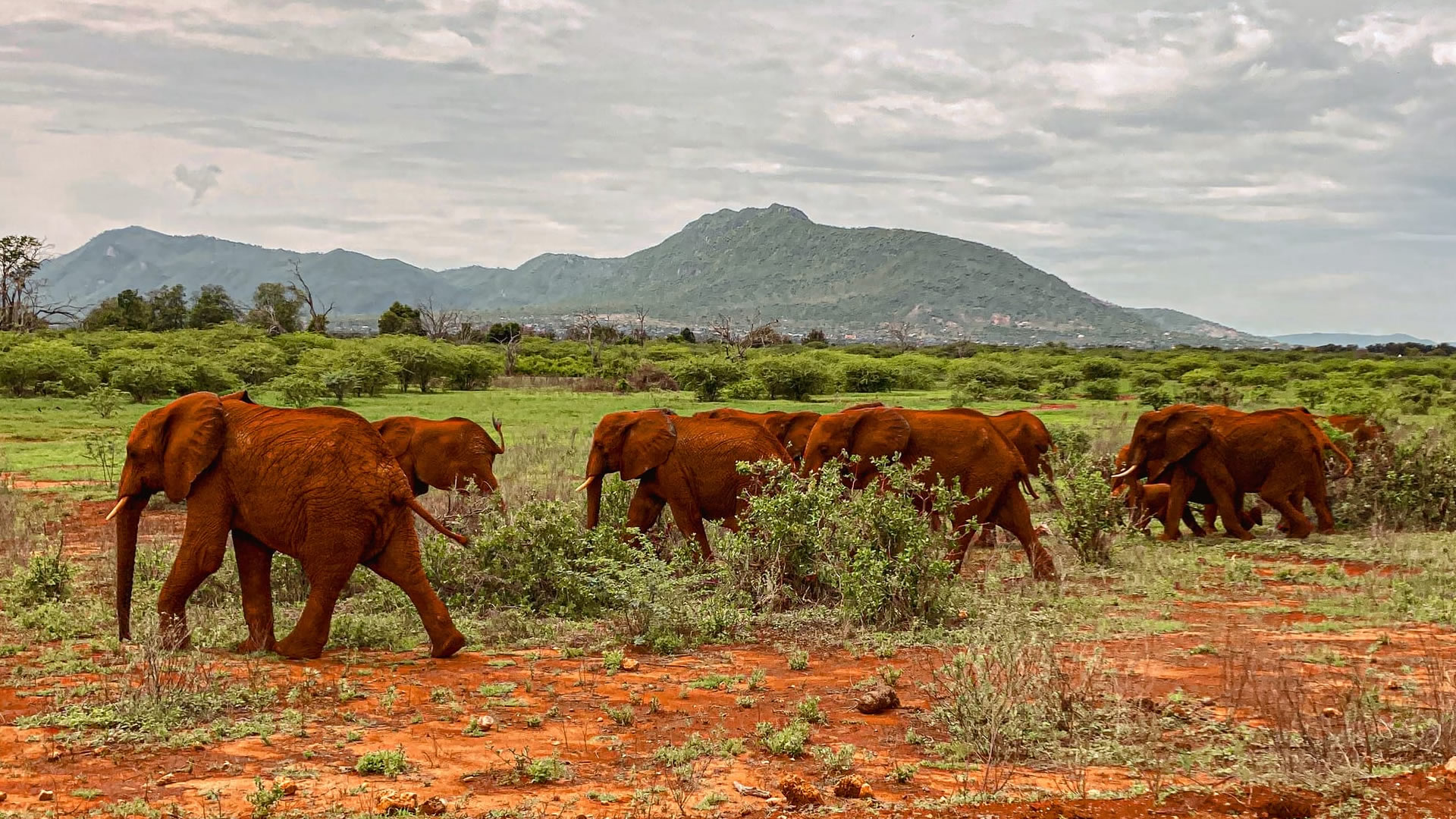
Your safari begins with an early morning drive from the coast along the Mombasa-Nairobi highway. Upon entering the sanctuary, the game drive begins immediately. Because Ngutuni is a private reserve, your guide has more flexibility to explore its diverse landscapes of open savannah and dense acacia woodland. The sanctuary is renowned for its large herds of "red" elephants (colored by the laterite soil), buffalo, giraffes, zebras, and a healthy population of resident lions and cheetahs.
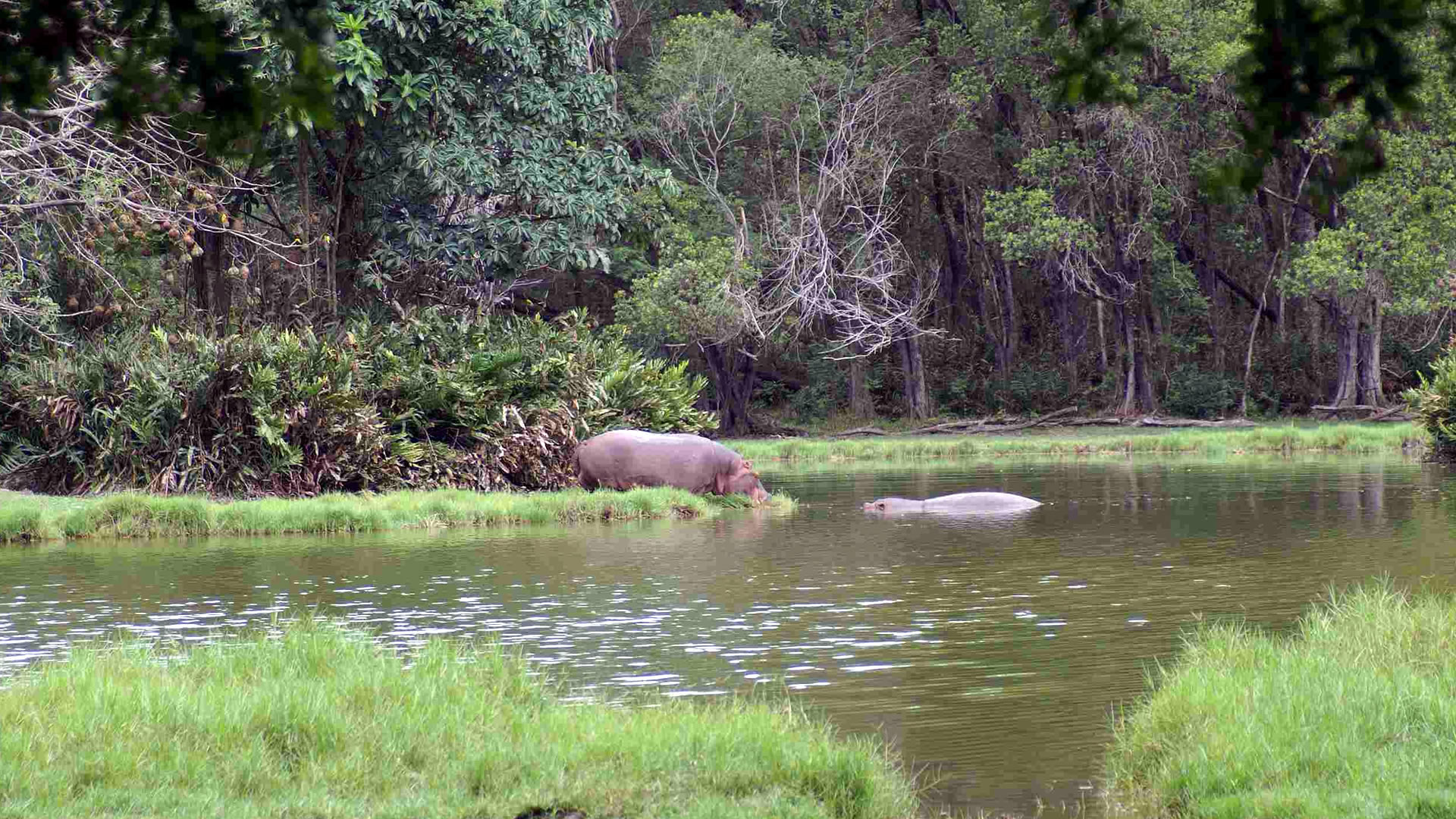
The crown jewel of this day trip is lunchtime. You will dine at the Ngutuni Lodge, which is built overlooking a massive, permanent waterhole. This water source acts as a magnet for wildlife from across the dry Tsavo ecosystem. It is entirely common to enjoy your buffet lunch while watching dozens of elephants drinking, bathing, and interacting just meters away from the viewing deck.
Enjoy the scale and drama of Tsavo with the exclusivity and action of a private reserve.
The permanent waterhole at Ngutuni Lodge is one of the most active in the region. You don't have to drive around looking for wildlife; during the dry season, the wildlife comes directly to you while you dine.
Because there are no fences between Ngutuni and the massive Tsavo East National Park, animal migration is entirely natural. Wildlife moves freely across the borders, ensuring dynamic and unpredictable game viewing.
The sanctuary's dense populations of herbivores—including impala, zebra, and waterbuck—sustain several resident lion prides. Cheetahs and leopards are also regularly spotted on the reserve's open plains and acacia groves.
As a private sanctuary, Ngutuni generally sees less vehicle traffic than the main tracks of Tsavo East. This means less dust, more peaceful wildlife encounters, and better photography opportunities without jockeying for position.
Like Tsavo East, Ngutuni is famous for its elephants, which appear bright red due to their habit of dust-bathing in the iron-rich laterite soil of the region to protect their skin from the sun and insects.
Located just off the main Mombasa-Nairobi highway, Ngutuni offers one of the shortest travel times from coastal hotels to actual game-drive territory, maximizing your time observing wildlife instead of sitting in transit.
Ensure a comfortable and rewarding day on safari with these essential tips.
Dress in comfortable, breathable layers. Neutral colors (khaki, brown, green) are best for safari. The early morning drive can be chilly with the vehicle windows open, but it will become very hot by midday.
Bring a good camera with a zoom lens (200mm to 400mm is ideal for wildlife). Binoculars are highly recommended for spotting predators resting in the distant shade. Keep your gear in a dust-proof bag.
The Tsavo ecosystem is arid and dusty, especially during the dry season. Bring a wide-brimmed hat, high-SPF sunscreen, sunglasses, and a lightweight scarf or bandana to cover your face when driving on dusty tracks.
Wildlife is most active during the cooler morning hours. We insist on an early departure (05:30 AM) so you can reach the sanctuary gates by 08:00 AM, maximizing your chances of seeing big cats hunting or returning from a kill.
This is an excellent, compact safari for families with children. The shorter driving distance compared to the deep interior of Tsavo, combined with the excitement of the lodge waterhole during lunchtime, keeps younger travelers highly engaged.
The journey from Mombasa uses the main, paved Mombasa-Nairobi highway. Once inside the sanctuary, the tracks are unpaved dirt and gravel, which can be bumpy—all part of the authentic African safari experience.
Ngutuni Wildlife Sanctuary is a vital buffer zone for the greater Tsavo ecosystem. By choosing to visit this private reserve, your entry fees directly support anti-poaching units, wildlife monitoring, and habitat maintenance initiatives that keep this migratory corridor open and safe for Kenya's elephants and big cats.
Tell us your coastal hotel and preferred date, and we'll have our safari vehicle waiting for you at dawn.
Book This SafariBoth are excellent, but Ngutuni is a private 10,000-acre sanctuary bordering Tsavo East. It offers a slightly shorter drive from Mombasa, a highly active waterhole at the lodge, and generally fewer tourist vehicles. Because it is unfenced, you see the same wildlife as you would in the main park, but often in a more private setting.
While Ngutuni has lions, elephants, buffalo, and leopards (rhinos are incredibly rare in this specific region), it is a wild ecosystem, not a zoo. Sightings cannot be guaranteed. However, elephants, buffalo, giraffes, and various antelopes are almost a certainty, and the chances of spotting lions are very high.
Yes, but it requires a very early start (often around 04:30 AM) to cross the Likoni Ferry before rush hour and reach the sanctuary by mid-morning. It is a long day, but entirely doable and highly popular with our South Coast guests.
No. During the highway transit from Mombasa to the sanctuary gates, the roof remains closed for safety and aerodynamics. The guide will pop the roof open as soon as you enter the sanctuary, allowing you to stand and enjoy 360-degree views for the game drive.
Game drives proceed in the rain. Wildlife behaviors often change during rainstorms, making for unique observations. The vehicles have secure roofs and windows to keep you dry. In the rare event of extreme flooding making tracks impassable, itineraries may be adjusted for safety.