
The only national park on Earth set within a capital city — where lion prides stalk open grassland and rhinos graze beneath the Nairobi skyline, just fifteen minutes from downtown.
Nairobi National Park covers 117 square kilometres of open grassland, acacia woodland, seasonal wetlands, and rocky gorges on the southern edge of Kenya's capital city. Established in 1946, it was Kenya's first national park — and remains the only one in the world set entirely within a major capital, its northern boundary running along the city's southern suburbs.
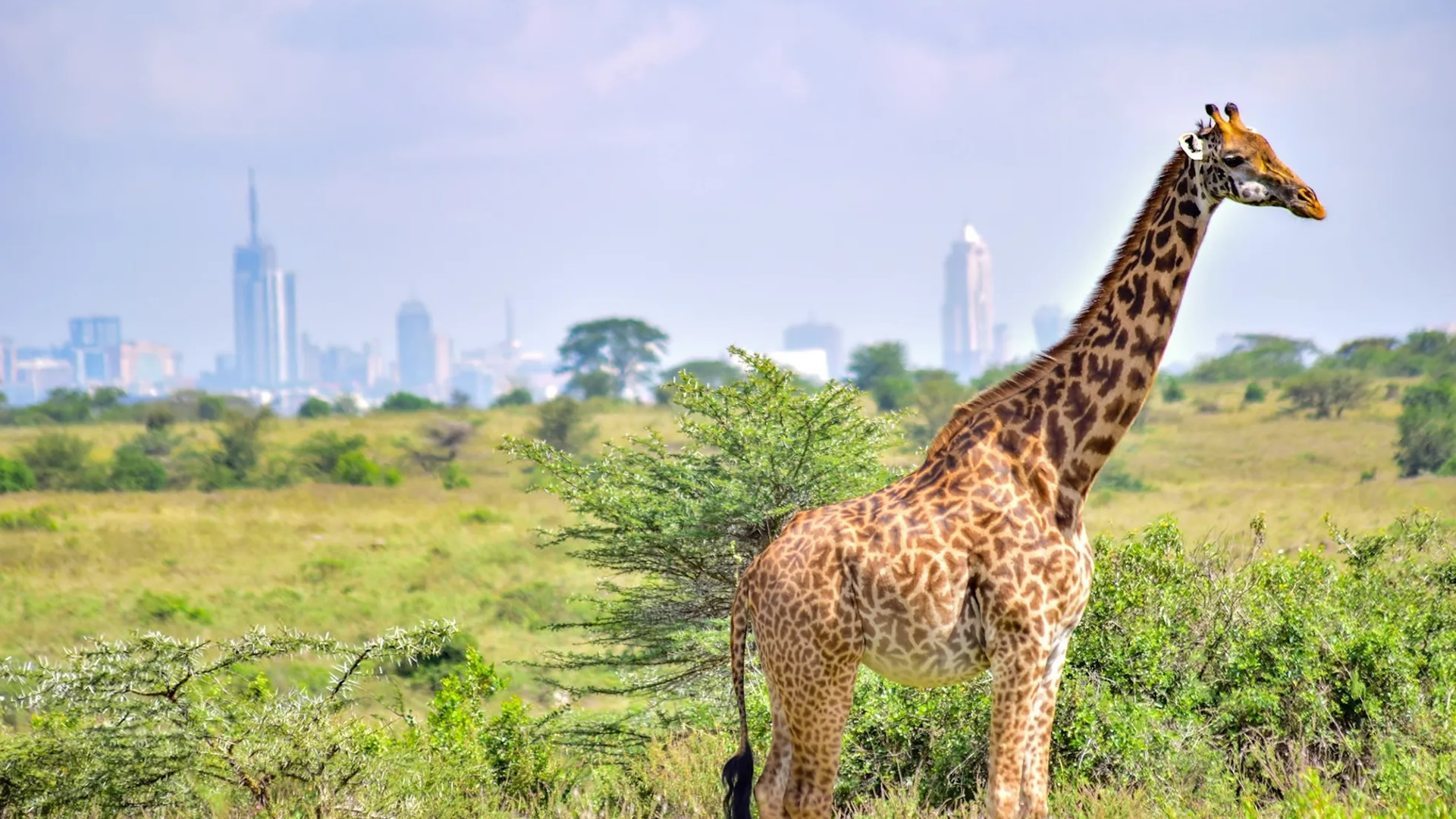
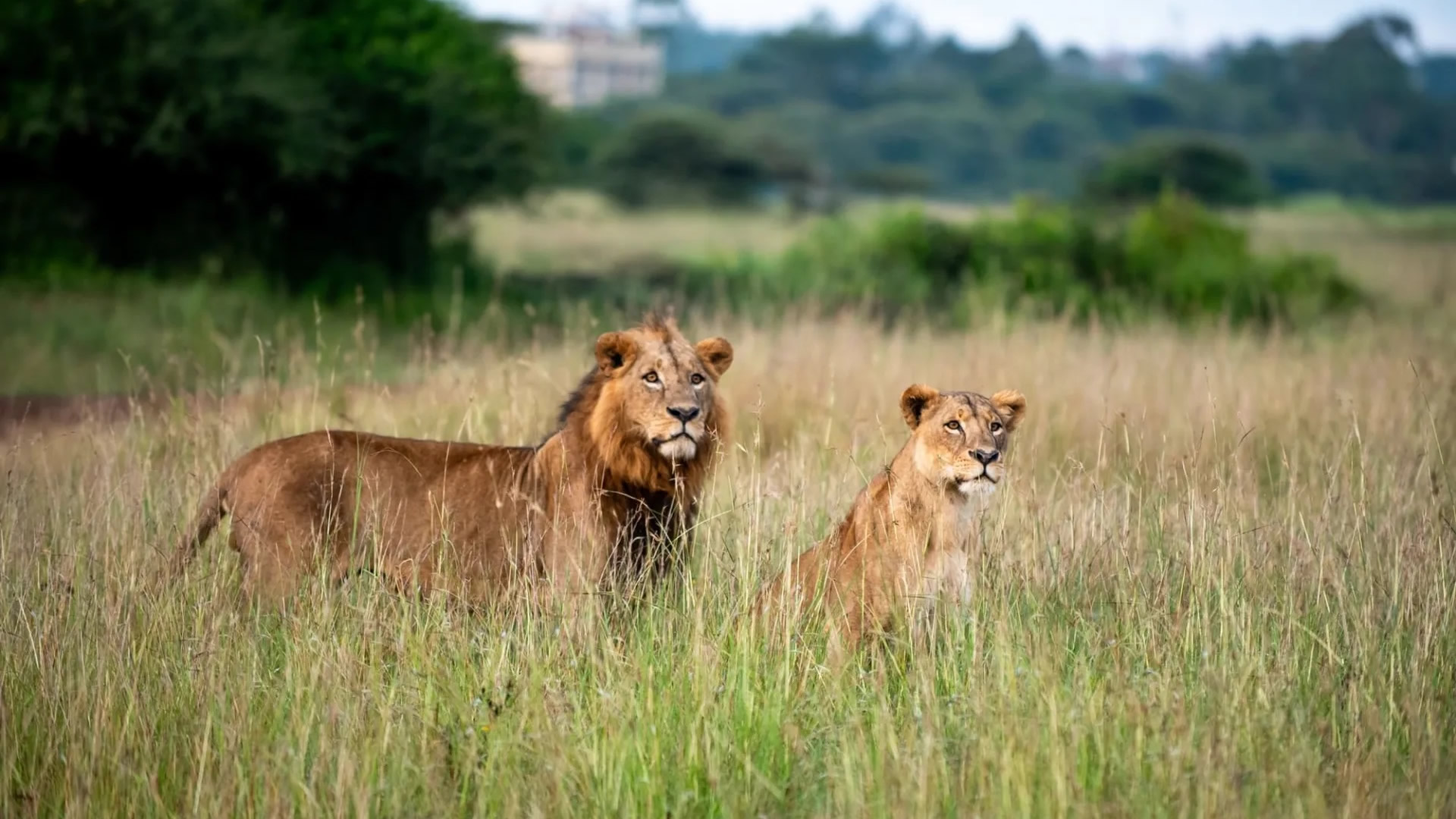
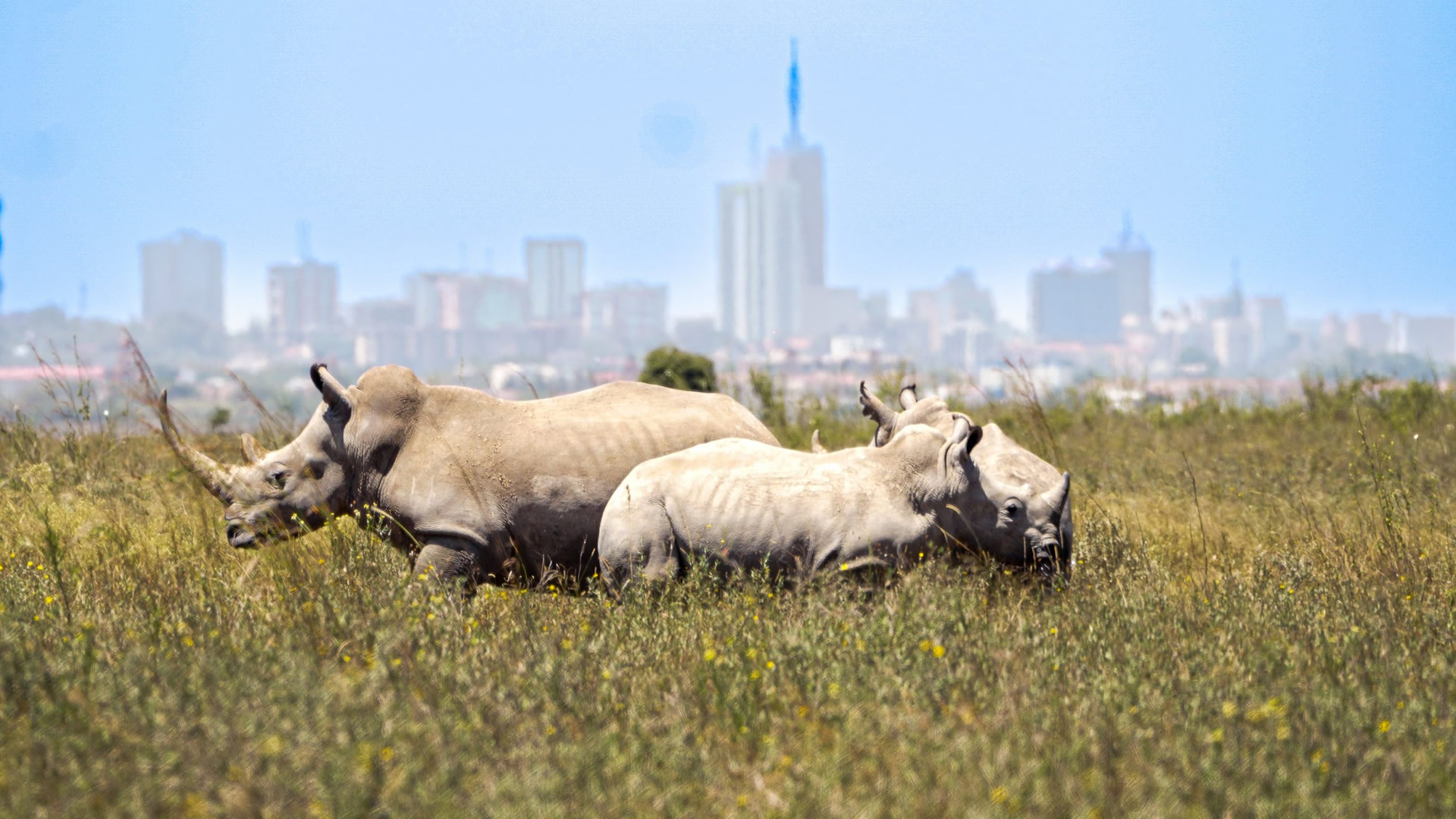
The result is a visual contrast found nowhere else on Earth. Giraffes browse against a backdrop of office towers. Lions sleep in long grass within earshot of traffic. Black rhinos — one of the park's greatest conservation stories — move in unhurried family groups past a skyline of glass and concrete. The juxtaposition is surreal, photogenic, and for many first-time visitors to Kenya, the moment that makes the country's relationship with wildlife feel real.
Despite its compact size, the park supports over 100 mammal species and more than 500 bird species — one of the highest avian counts in any Kenyan park. Its open southern boundary connects to the Athi-Kapiti plains, allowing seasonal movement of wildebeest, zebra, and eland. The park also houses the Nairobi Animal Orphanage, the Ivory Burning Site monument, and safari walking trails — making it as much an educational and historical site as a game-viewing destination.
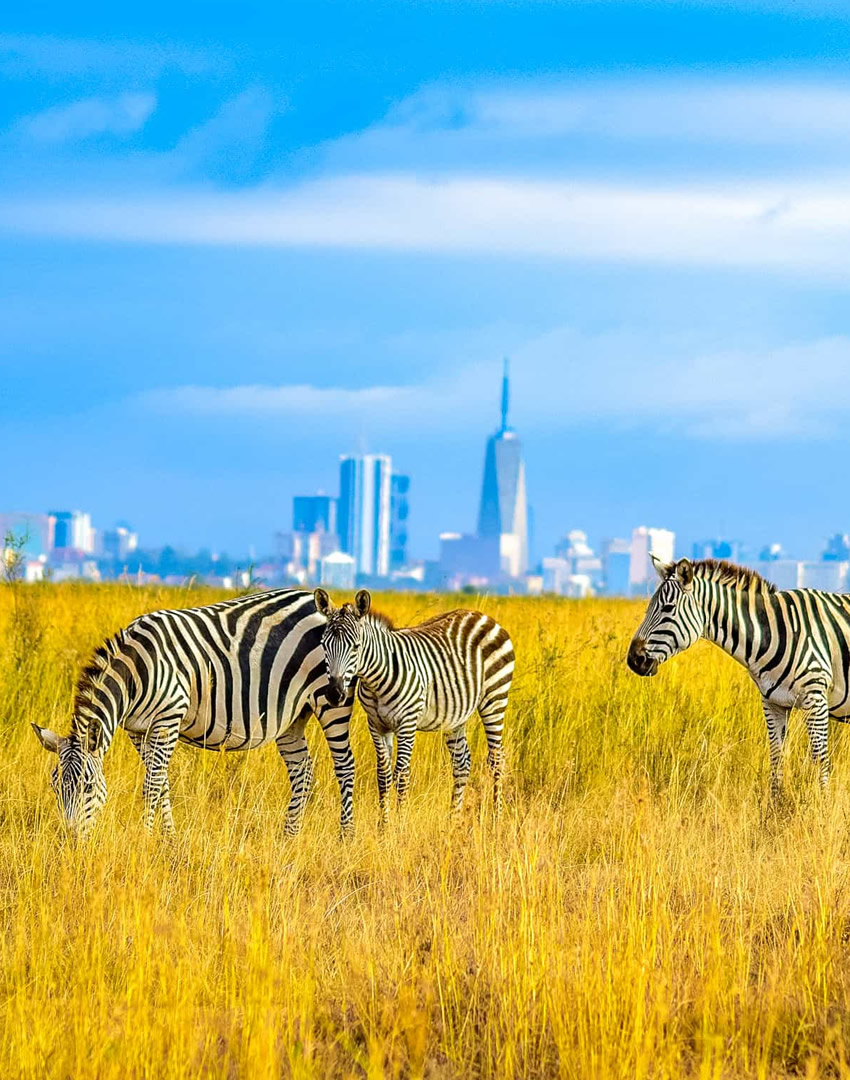
No other national park places big game against a major city skyline — and no layover in Nairobi should skip it.
Nowhere else on the planet can you watch lion, rhino, and buffalo with a capital city skyline in the background. The park's northern fence runs along Nairobi's southern suburbs — a fact that makes every photograph from here instantly, unmistakably unique.
Nairobi National Park protects one of Kenya's densest populations of the critically endangered eastern black rhinoceros. The park's compact size and open terrain make sightings remarkably reliable — many visitors see multiple rhinos in a single morning's game drive.
Just seven kilometres from JKIA and fifteen minutes from the CBD, the park is the most accessible Big Four wildlife experience in Africa. A half-day game drive fits neatly between flights, turning a transit stop in Nairobi into a genuine safari — the ideal start or end to any Kenya trip.
The park's varied habitats — open grassland, acacia woodland, riverine forest, seasonal dams, and rocky gorges — support one of the highest bird counts in any Kenyan park. Over 500 species have been recorded, from the crowned crane and secretary bird to migrant raptors passing through on the Afro-Palearctic flyway.
In 1989, President Daniel arap Moi set fire to twelve tonnes of confiscated ivory here — a symbolic act that galvanised the global campaign against the ivory trade. The site is preserved as a monument, and standing beside it adds a powerful conservation dimension to any visit.
Gazetted on 16 December 1946, Nairobi National Park was the first in Kenya and one of the first in all of Africa. Its establishment set the template for the country's entire protected-area network — visiting here is to stand at the origin point of Kenyan wildlife conservation.
Nairobi National Park occupies the south-western corner of Nairobi, Kenya's capital. The main gate — KWS Langata Gate — is just seven kilometres from Jomo Kenyatta International Airport and approximately fifteen kilometres from the city centre. The park's northern and western boundaries are fenced along the city edge; the southern boundary is open, connecting to the Athi-Kapiti plains and the Kitengela wildlife corridor.
This open southern border is critical to the park's ecological health — it allows seasonal migration of wildebeest, zebra, and eland between the park and the wider plains. Urban development continues to threaten this corridor, making conservation advocacy around the Kitengela area one of the most pressing wildlife-habitat issues in Kenya today. Within the park, the Mbagathi River gorge, the Athi River dams, and the Hippo Pools walking trail provide distinct micro-habitats within a compact area.
Game drives, walking trails, and conservation landmarks — more than enough to fill a morning, an afternoon, or an entire day.
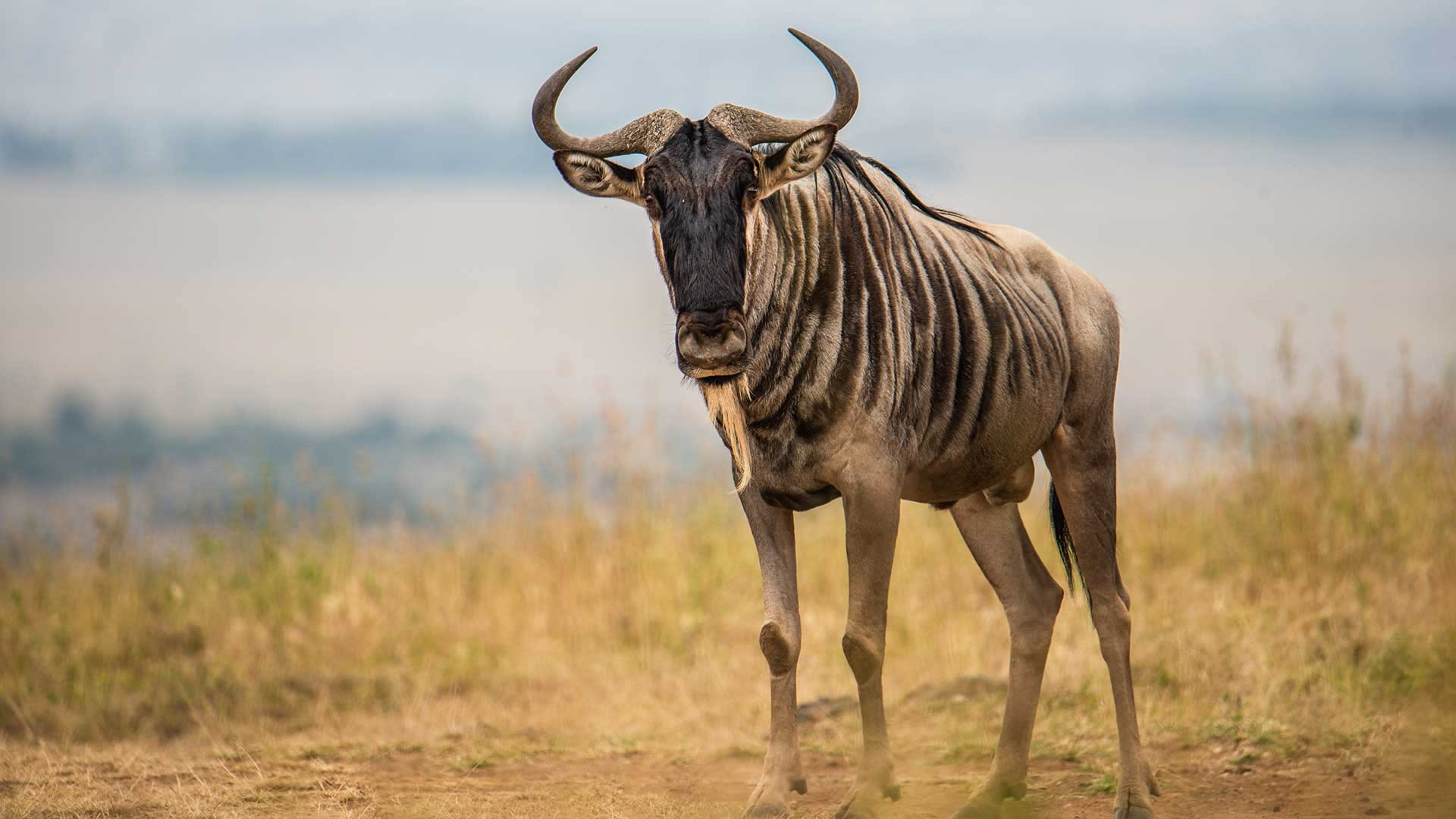
Morning and afternoon game drives through the park's grasslands and acacia woodland. Lion, black rhino, buffalo, giraffe, zebra, wildebeest, eland, and hippo are all regularly seen — with the city skyline providing a backdrop that makes every sighting extraordinary.
The park protects a significant population of the critically endangered eastern black rhinoceros. The open grasslands and compact park size make sightings frequent — this is one of the most reliable places in Kenya to see black rhinos without the crowds of larger parks.
Over 500 species in a 117 km² park is an extraordinary density. The seasonal dams attract waterbirds, the gorges harbour raptors, and the acacia woodland is alive with barbets, sunbirds, and shrikes. A morning bird walk with a Nairobi bird guide is a world-class outing.
One of the few walking opportunities inside a Kenyan national park. The marked trail follows the Athi River gorge past a hippo pool, through forest and bush, and along cliff edges with views across the valley — a chance to experience the park on foot with a ranger escort.
The KWS Animal Orphanage, located at the main gate, cares for injured, orphaned, and confiscated wildlife. Visitors can see animals undergoing rehabilitation — a window into the work of Kenya's wildlife service and an especially engaging stop for families with children.
A monument marks the spot where Kenya burned twelve tonnes of ivory in 1989 and a further 105 tonnes in 2016 — the largest ivory destruction in history. It is a powerful, symbolic stop that connects the game drive to the broader story of African conservation.
Open year-round and just minutes from the airport, the park fits into any schedule — but dry-season months offer the best game-viewing.
Short grass and dry conditions push wildlife into the open and towards permanent water sources. Rhino and lion sightings are at their most reliable, and the Nairobi skyline is often visible through clear, dust-hazed air. Early-morning drives benefit from cooler temperatures and active predators. July and August coincide with the wildebeest calving season on the Athi-Kapiti plains.
Long grass and lusher vegetation make game-viewing harder, but the park transforms into a green, flower-strewn landscape ideal for photography. Migratory birds swell the species count dramatically, and the seasonal dams fill with waterbirds. Fewer visitors mean quieter drives. Some murram tracks may be soft, but the park's main circuits remain open year-round.
The most accessible national park in Kenya — minutes from the airport, the city centre, and every Nairobi hotel.
Jomo Kenyatta International Airport sits just seven kilometres from the park's East Gate. A game drive can begin within thirty minutes of clearing arrivals — making Nairobi NP the ideal first or final stop for international travellers. Your safari vehicle meets you at the terminal.
The main Langata Gate is approximately fifteen kilometres from Nairobi's central business district — a 20 to 30-minute drive depending on traffic. The park is easily combined with other Nairobi attractions including the Giraffe Centre, the Karen Blixen Museum, and the David Sheldrick Elephant Orphanage.
A half-day game drive of 3–4 hours is the most popular option — enough for a full circuit, rhino sightings, and the Ivory Burning Site. Full-day visits with a picnic lunch are available for longer layovers. The park opens at 06:00 and closes at 18:30, allowing early-morning or late-afternoon drives.
Where skyscrapers meet savannah — the world's most improbable wildlife destination.
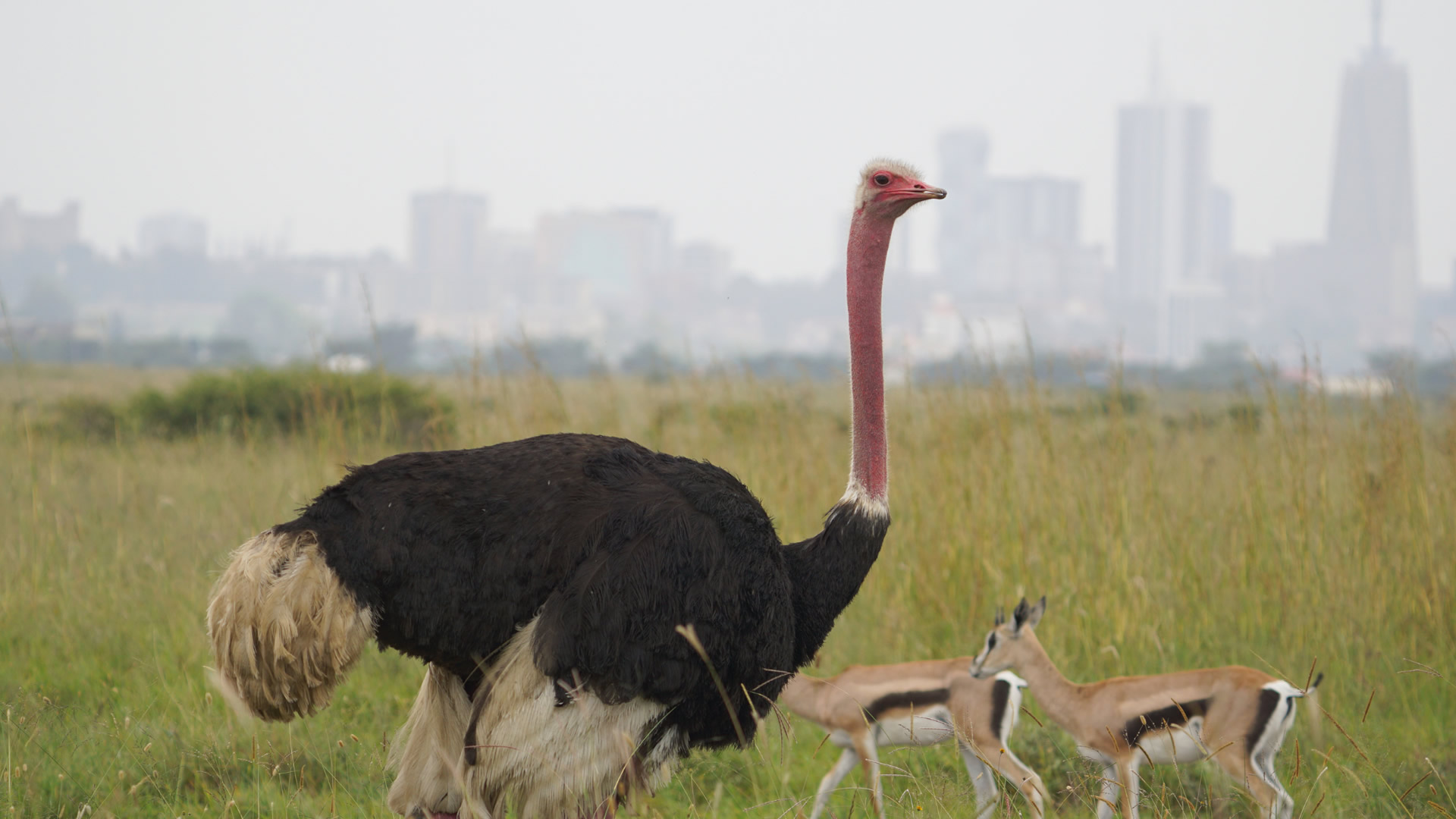
A half-day game drive that turns a Nairobi layover into the opening act — or the unforgettable finale — of your Kenya safari.
Plan My Nairobi SafariYes — this is one of the park's greatest strengths. JKIA is just seven kilometres from the East Gate, and a half-day game drive of 3–4 hours fits comfortably between an international arrival and an afternoon hotel check-in, or between a morning check-out and an evening departure flight. Your driver-guide can collect you directly from the airport, drive through the park, and deliver you to your hotel or onward transfer. It is the most time-efficient safari experience in Kenya.
The park supports over 100 mammal species. Lion, black rhino, buffalo, giraffe, zebra, wildebeest, eland, waterbuck, impala, Grant's and Thomson's gazelle, warthog, baboon, spotted hyena, and hippo are all regularly seen. Leopard and cheetah are present but less commonly encountered due to the park's density of vegetation. There are no elephants — the park is too small and too close to the city to sustain a resident population. Bird diversity is exceptional, with over 500 species recorded.
Yes. Nairobi National Park is managed by the Kenya Wildlife Service (KWS) with dedicated rangers, maintained roads, and controlled gate access. Visitors must remain in their vehicles at all times except at designated walking areas (the Hippo Pools trail and picnic sites). The park's proximity to Nairobi means KWS response times are among the fastest in Kenya. Standard safari safety guidelines apply — follow your guide's instructions and keep windows up around predators.
No — the park does not have a resident elephant population. Its 117 km² area and urban boundaries are insufficient to support elephant herds. For elephant encounters, nearby options include the David Sheldrick Wildlife Trust (elephant orphanage, open daily at 11:00 in Langata) or the safari parks further afield — Amboseli, Tsavo, and the Maasai Mara all have large, resident elephant populations.
The park is open daily from 06:00 to 18:30. Gates close promptly at 18:30 and late exits incur penalties. For the best game-viewing and photography, an early-morning entry at 06:00 is recommended — predators are most active in the first two hours of daylight, and the Nairobi skyline photographs best in the warm, low-angled morning light.
Non-resident adult entry fees are currently USD 60 per person per day (24-hour period), with children aged 3–17 paying USD 30. East African citizen rates are lower. Fees are payable via the KWS Smart Card system. All park fees on Kuldip's Touring Company safari packages are included in the quoted price.
Absolutely — and this is one of the best ways to fill a full day in Nairobi. A morning game drive at the park pairs naturally with an afternoon visit to the David Sheldrick Wildlife Trust (elephant orphanage, 11:00 feeding), the Giraffe Centre in Langata (hand-feed Rothschild's giraffe), the Karen Blixen Museum, or the Kazuri Beads Factory. All are within a twenty-minute drive of the park. Your guide can build a full-day Nairobi itinerary around these stops.
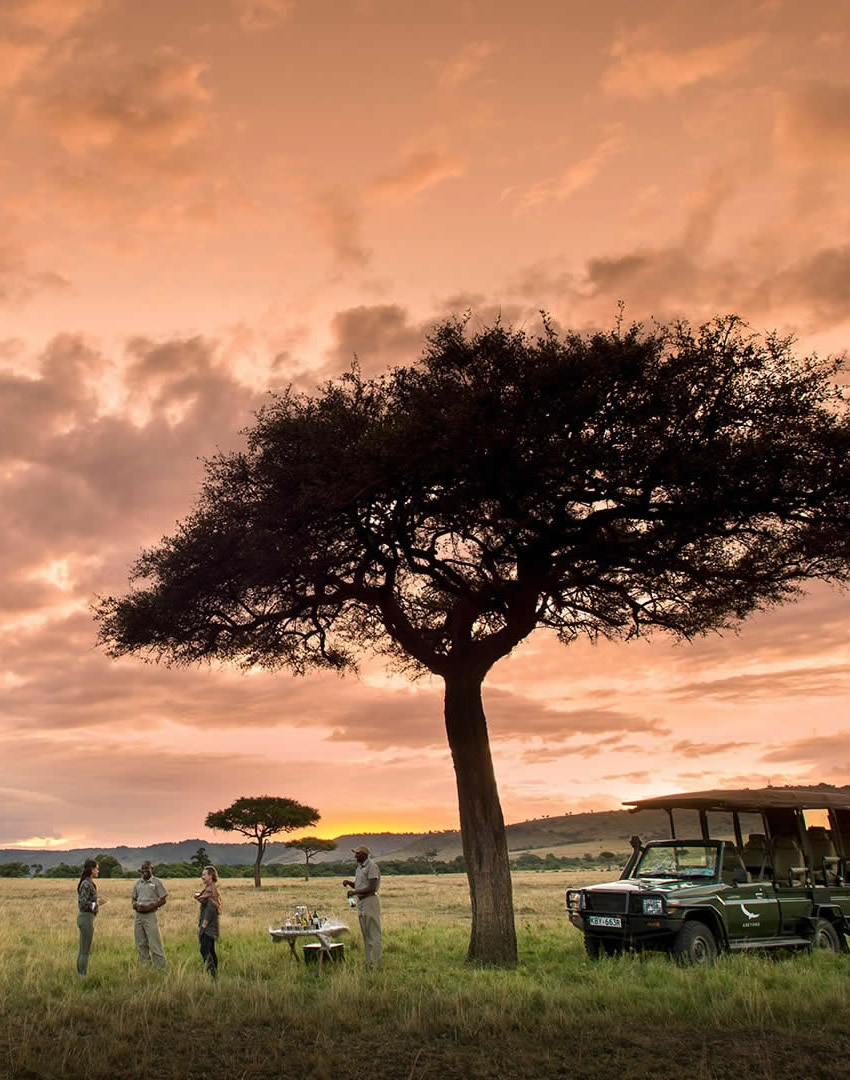
Kenya's most celebrated reserve and the northern stage of the Great Wildebeest Migration. Vast open grasslands deliver exceptional big cat sightings year-round.
Explore the Mara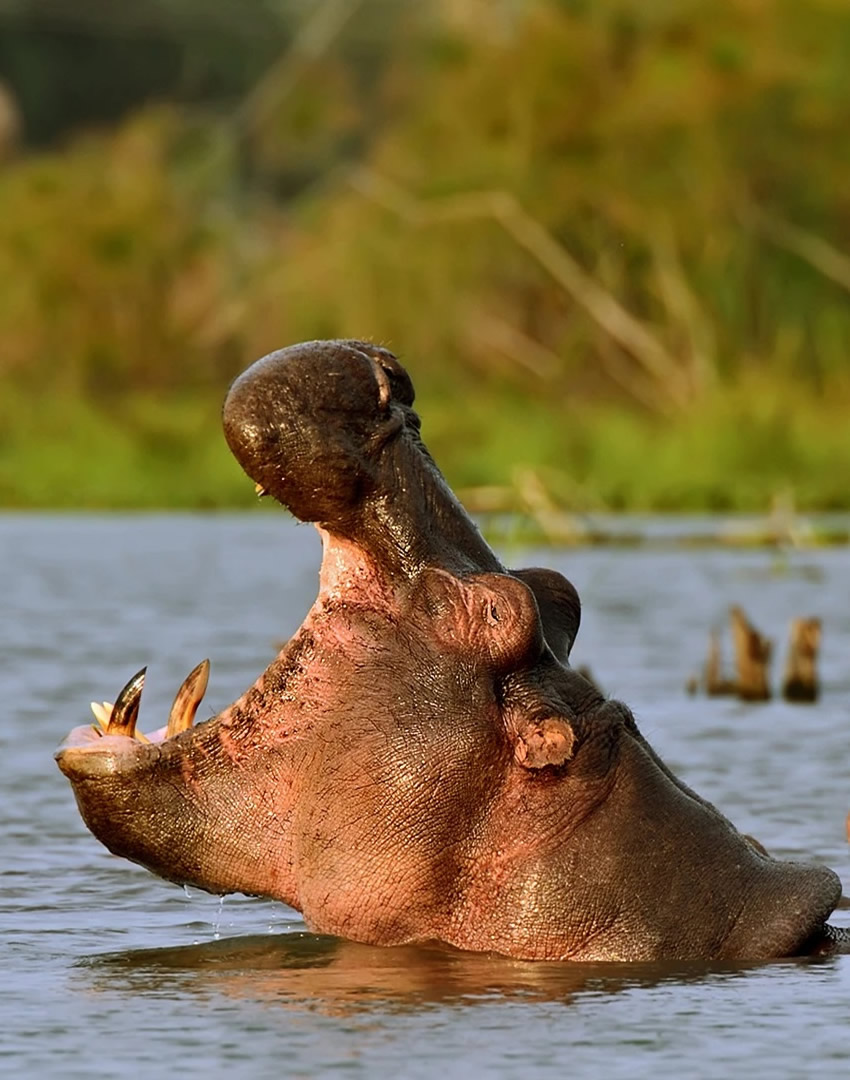
A soda lake fringed by millions of flamingos and surrounded by a compact national park that shelters both black and white rhino.
Explore Nakuru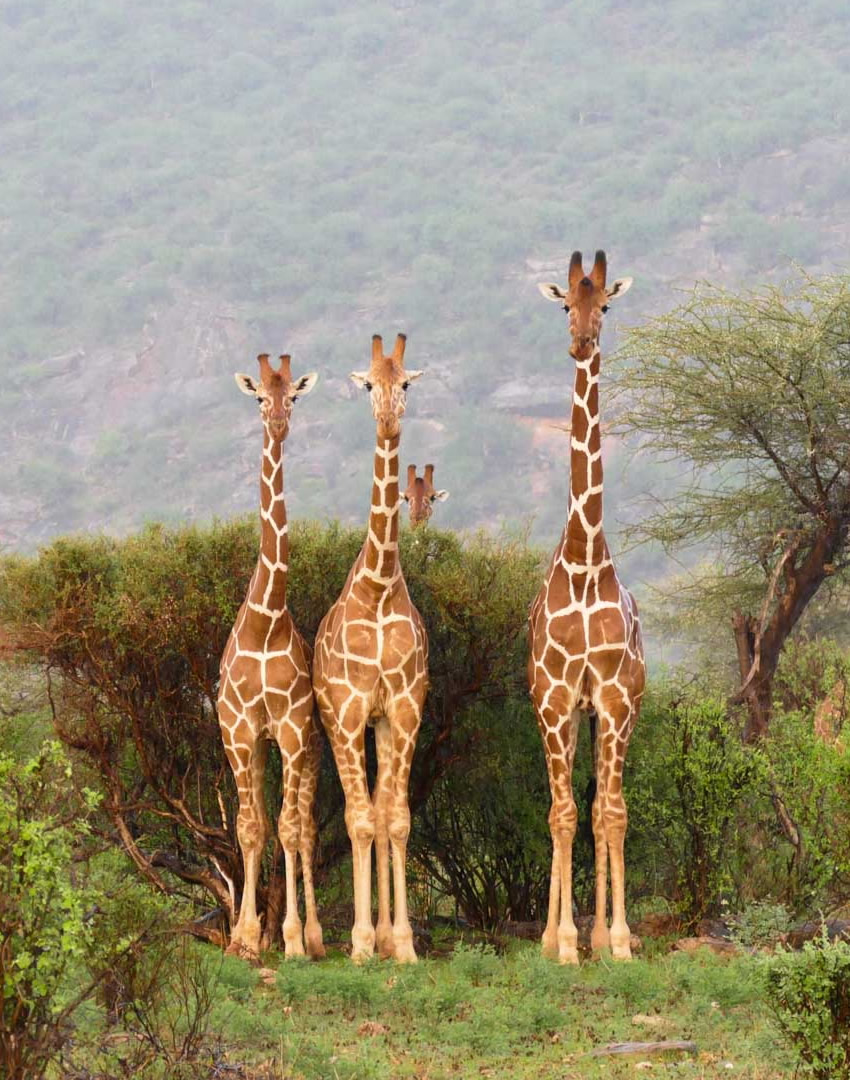
An arid wilderness bisected by the Ewaso Nyiro river, home to the famous Special Five — Grevy's zebra, reticulated giraffe, Somali ostrich, gerenuk and Beisa oryx.
Explore Samburu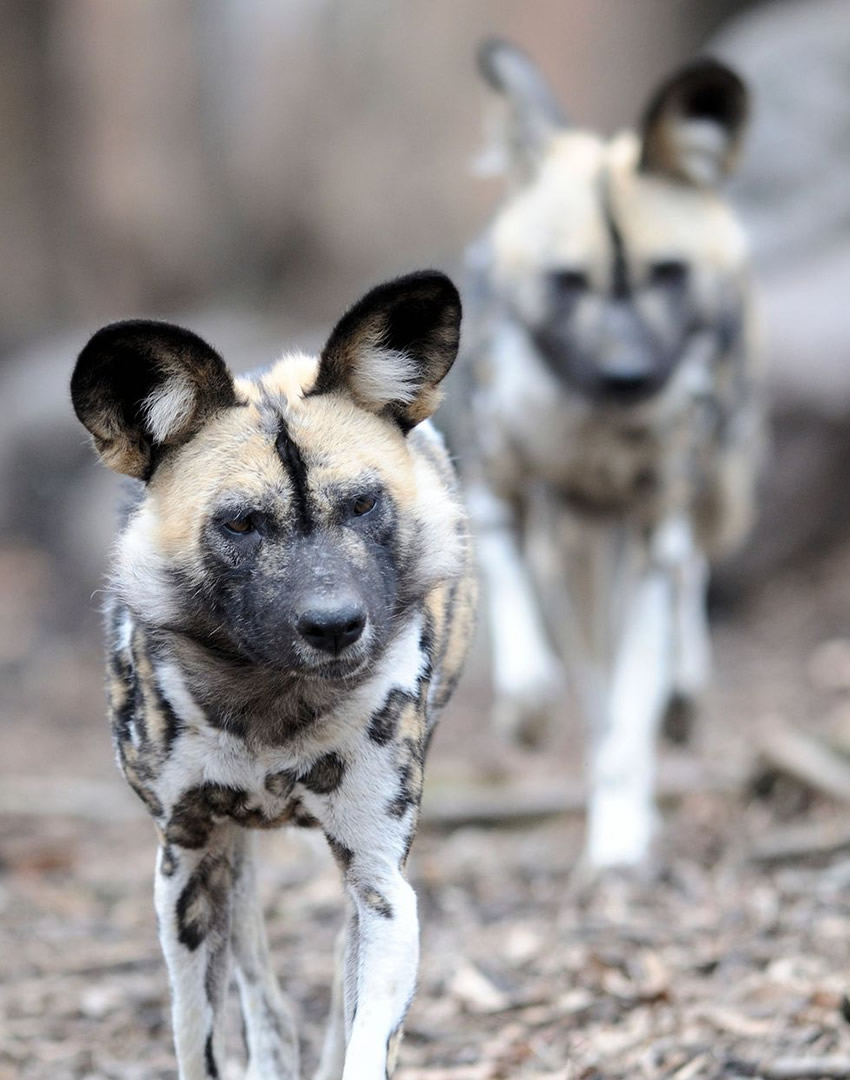
Made famous by Joy Adamson's Born Free story, Meru is a lush, under-visited wilderness of palm-lined rivers, dense bush and open grassland.
Explore Meru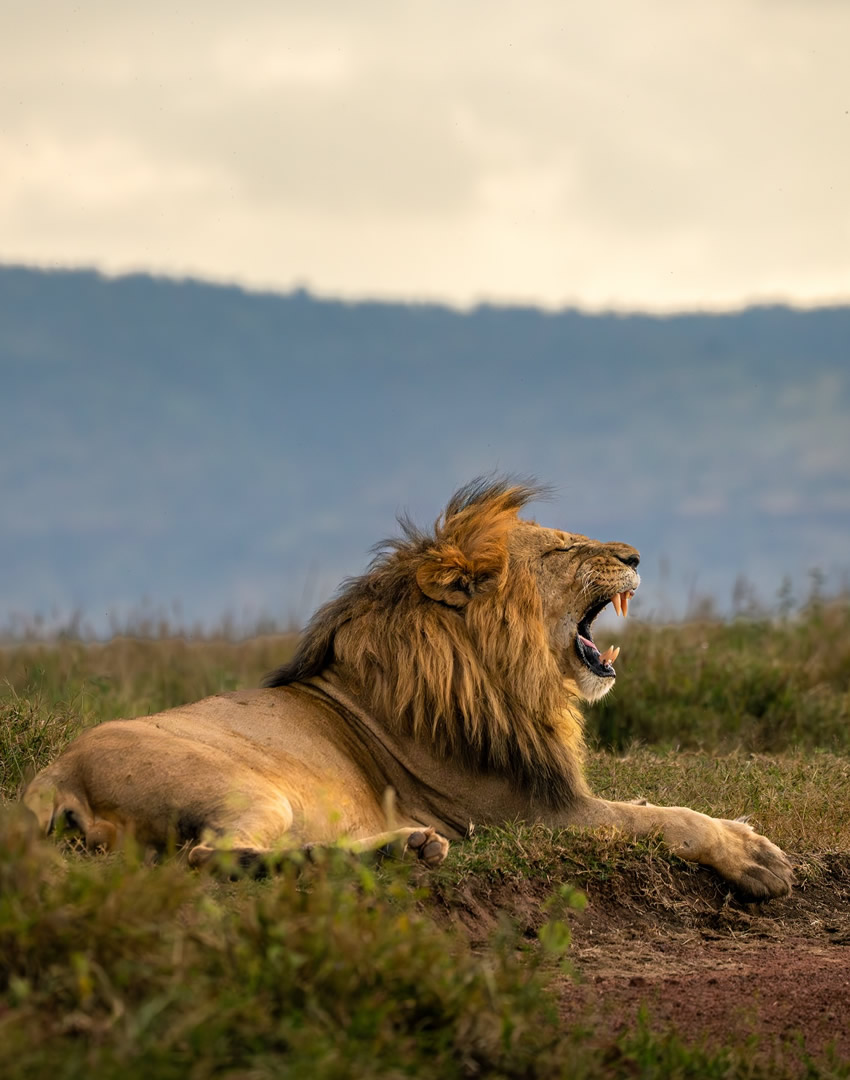
A private conservancy at the foot of Mount Kenya and one of Africa's greatest conservation success stories with exceptional rhino sightings.
Explore Lewa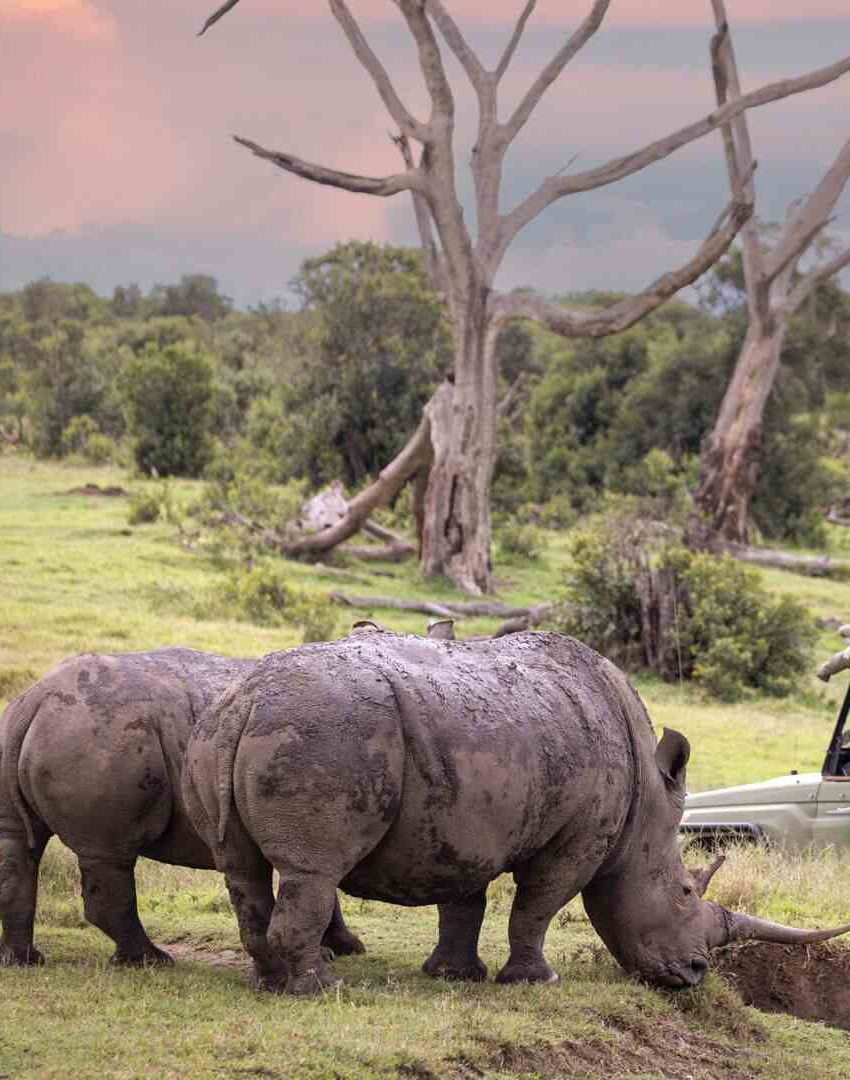
East Africa's largest black rhino sanctuary and home to the world's last two northern white rhinos. Big Five game drives and night drives.
Explore Ol PejetaThe only national park in the world set against a capital-city skyline. Lions, rhinos, buffalos and giraffes roam with Nairobi's towers rising behind them.
Explore Nairobi NP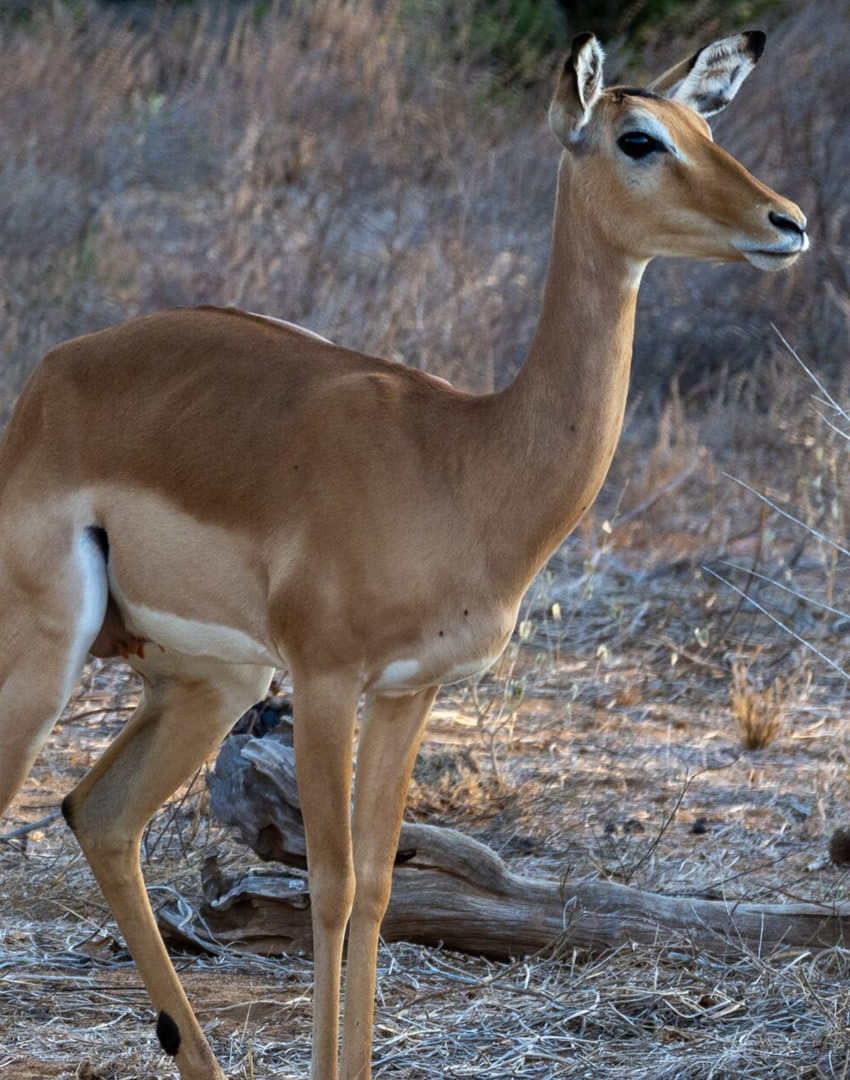
Kenya's largest national park — a vast, rust-coloured wilderness where elephants coat themselves in red laterite soil and maneless lions patrol the plains.
Explore Tsavo East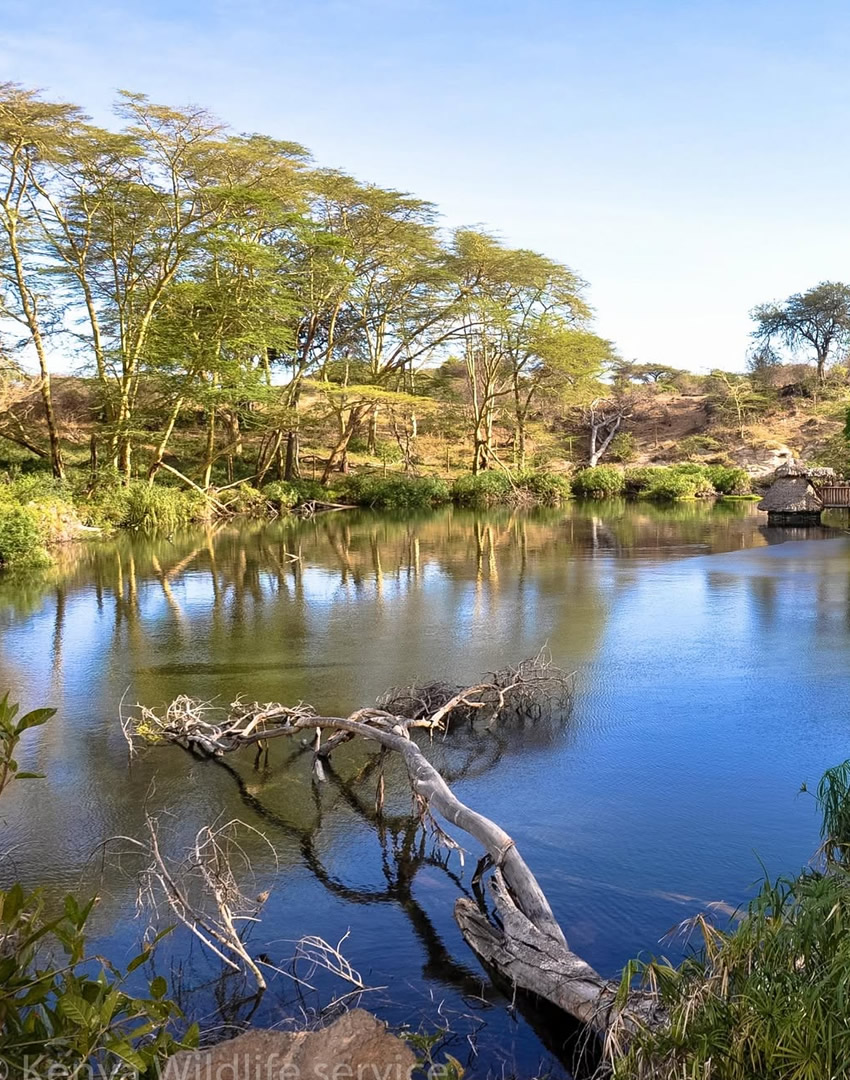
A dramatic landscape of ancient lava flows, rocky outcrops and dense woodland, centred around the crystal-clear Mzima Springs.
Explore Tsavo West