
Uganda's most remote and most beautiful national park — a semi-arid wilderness of rugged valleys and mountain horizons in the far north-east, where cheetah, ostrich, and striped hyena roam landscapes found nowhere else in the country, and the nearest paved road is a memory left far behind.
Kidepo Valley National Park lies in the extreme north-eastern corner of Uganda — closer to Juba, South Sudan, than to Kampala — in a landscape that bears no resemblance to the green, forested parks of the west. Here, the terrain is semi-arid: broad, open valleys flanked by rugged mountain ranges, dry sand rivers, scattered borassus palms, and savannah grassland that stretches to a horizon of volcanic peaks and purple ridgelines. It is, by wide consensus, the most scenically beautiful park in Uganda — and one of the most striking landscapes in East Africa.
Kidepo's remoteness has been both its burden and its gift. For decades, insecurity in the Karamoja region kept visitors away, and the park remained one of Africa's least-known wilderness areas. That isolation preserved a fauna found nowhere else in Uganda. Cheetah, ostrich, striped hyena, aardwolf, bat-eared fox, caracal, greater kudu, lesser kudu, Bright's gazelle, and Günther's dik-dik — species associated with the dry savannahs of Kenya and northern Tanzania — survive here in the only Ugandan populations. The species list reads like a park from a different country, and in ecological terms, it is: Kidepo belongs to the East African drylands rather than the Albertine Rift.
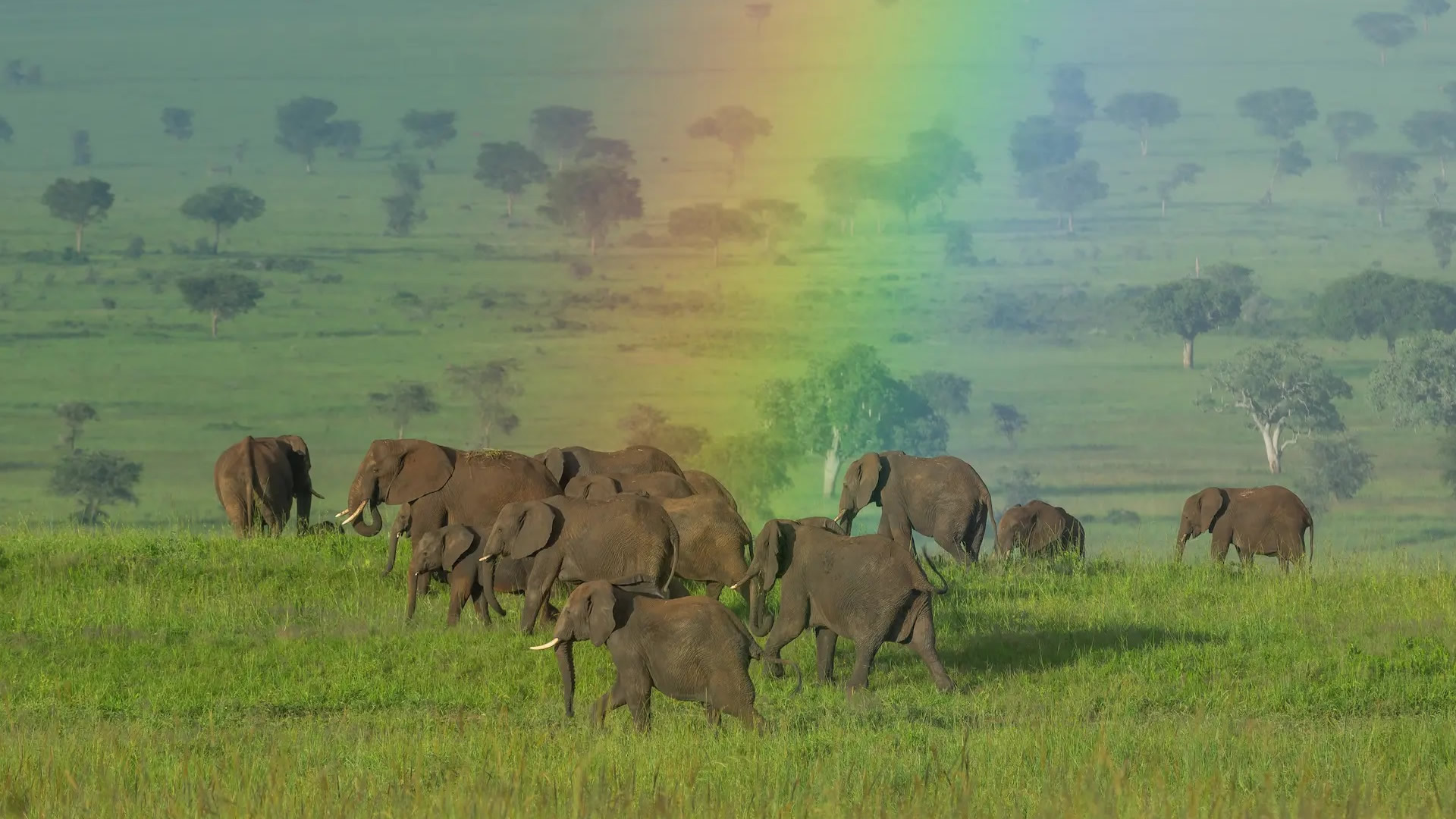
The park is divided into two valleys. The Narus Valley — with permanent water from the Narus River — is the main game-viewing area, supporting large herds of buffalo, elephant, zebra, Jackson's hartebeest, eland, and the lion prides that hunt them. The Kidepo Valley to the north is drier, more seasonal, and more remote — visited primarily for its scenery, its hot springs at Kanangorok, and the sense of being at the genuine edge of the map. Together, the two valleys create a park of extraordinary visual drama and zoological distinctiveness that rewards the traveller willing to make the commitment to get there.
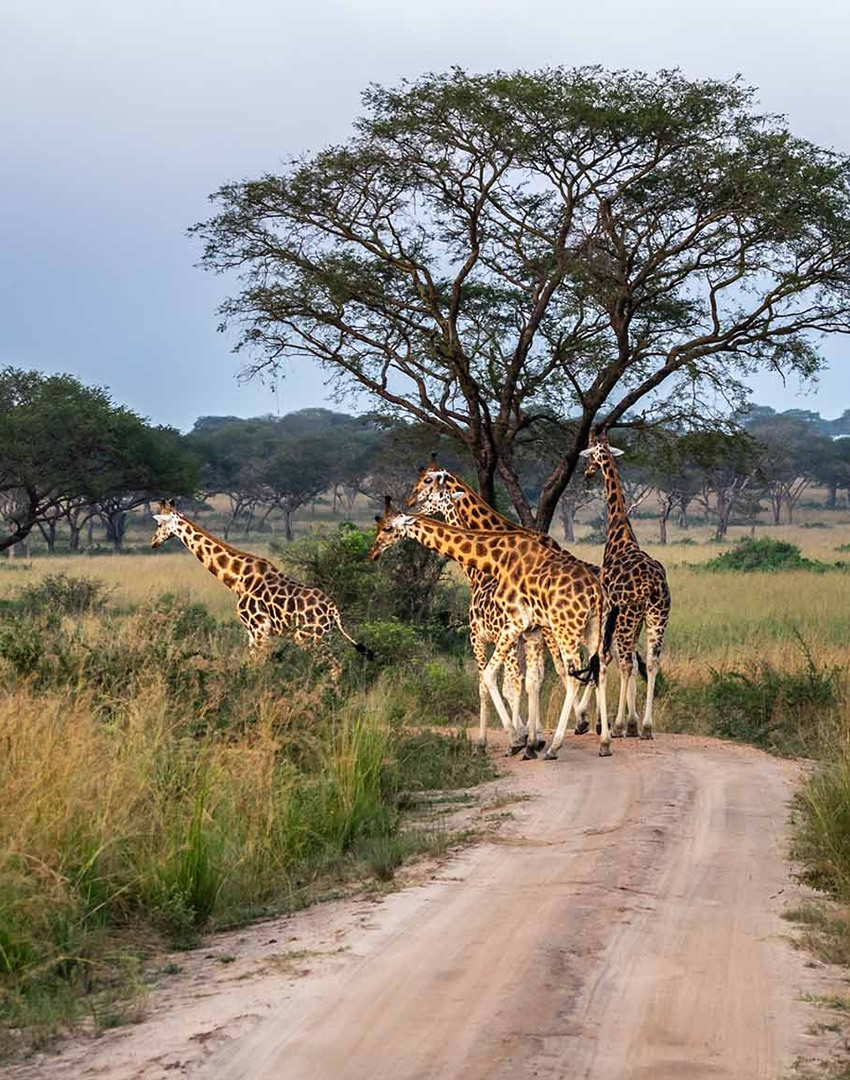
Species found nowhere else in Uganda, landscapes that defy expectation, Karamojong warrior culture, and the solitude of a wilderness that most travellers never reach.
Kidepo is the only park in Uganda where you can see cheetah, ostrich, striped hyena, aardwolf, bat-eared fox, caracal, greater kudu, lesser kudu, Bright's gazelle, and Günther's dik-dik. These are East African dryland species whose Ugandan range is confined entirely to the Karamoja region — their presence here creates a wildlife experience fundamentally different from anything in the western or central parks. For visitors who have done the gorilla and chimp circuit, Kidepo adds a cast of characters they will not have seen elsewhere in the country.
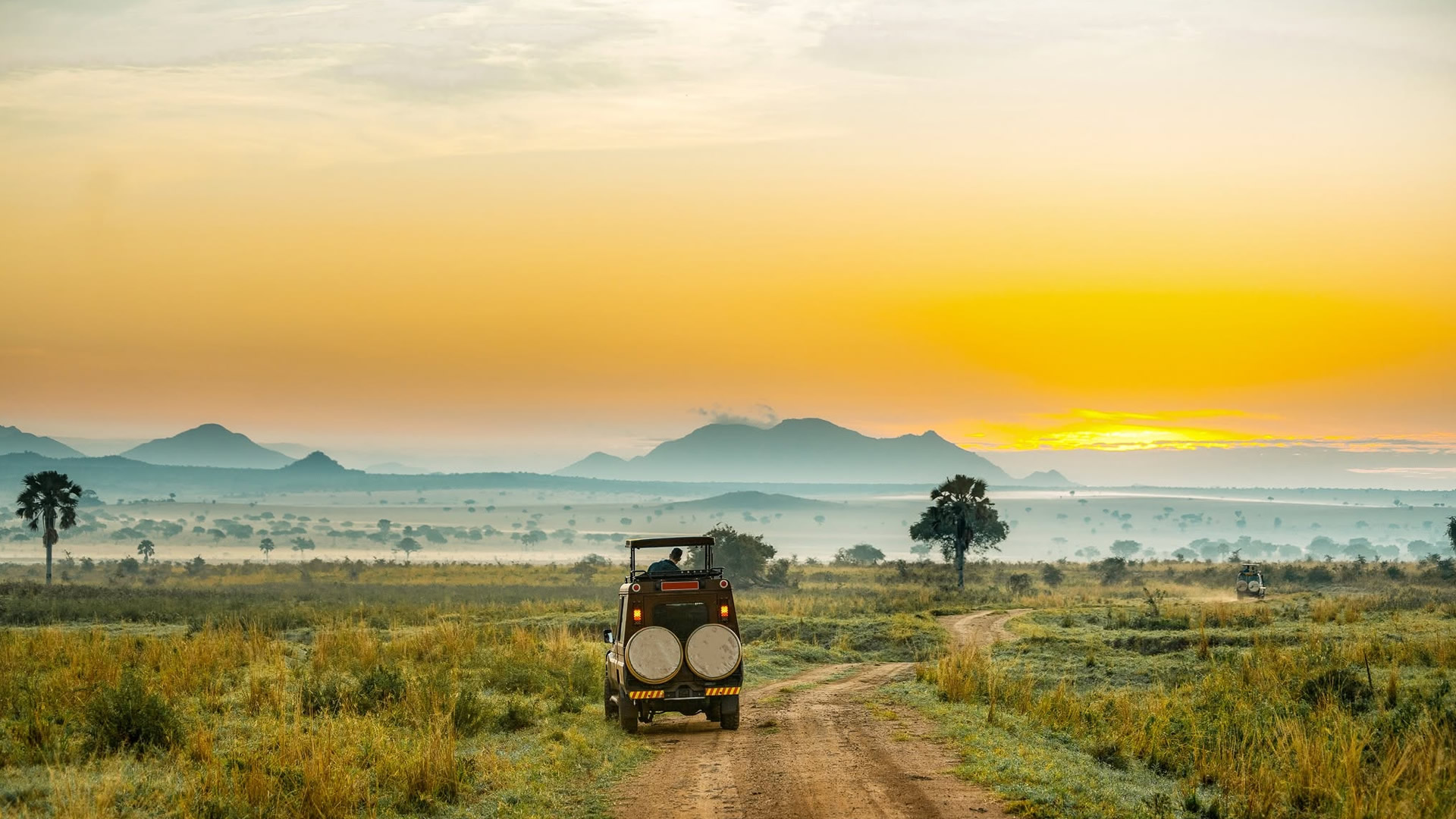
The claim is made by nearly everyone who visits, and it is difficult to argue. The Narus Valley — wide, open, ringed by mountain ranges in every direction — has a scale and clarity of light that recalls the Kenyan north rather than the green hills of Uganda. At dawn and dusk, the mountains glow in bands of purple, amber, and gold. During the dry season, the valley floor shimmers with heat haze and the borassus palms cast long shadows across the savannah. The scenery alone — even before a single animal appears — justifies the journey.
Kidepo is the only reliable location in Uganda for cheetah — a species absent from every other park in the country. The Narus Valley's open grassland is ideal cheetah habitat, and sightings, while not daily, are consistent enough to make a dedicated search worthwhile. The park also supports lion (in healthy prides), leopard, spotted hyena, striped hyena, side-striped jackal, black-backed jackal, and African wild cat — a predator diversity that exceeds most parks on the northern circuit and includes species found nowhere else in Uganda.
The communities surrounding Kidepo are predominantly Karamojong — semi-nomadic pastoralists whose cattle-centred culture, distinctive dress, and warrior traditions set them apart from every other ethnic group in Uganda. Cultural visits to Karamojong manyattas (homesteads) offer encounters with a way of life that has changed remarkably little: cattle kraal construction, beadwork, scarification traditions, and the dances that mark social occasions. The cultural dimension adds depth and context that purely wildlife-focused parks cannot provide.
The northern Kidepo Valley — drier, more seasonal, and less visited than the Narus — is the park's wilder frontier. The Kanangorok hot springs, where geothermally heated water rises through the valley floor, create an oasis of green in the otherwise arid landscape. The drive to the hot springs crosses terrain that is genuinely remote, with mountain views in every direction and the possibility of encountering ostrich, eland, and greater kudu along the route. It is a full-day excursion and one of the most rewarding drives in the park.
Kidepo receives fewer visitors per year than most East African parks receive per week. Game drives unfold without encountering another vehicle — sometimes for the entire day. The lodge options are few and small. The silence of the valley at night, broken only by hyena calls and the distant rumble of elephants, is the sound of a wilderness functioning without an audience. For experienced safari travellers who have done the headline parks and seek something genuinely untouched, Kidepo delivers the rarest commodity in modern African travel: the feeling of being completely alone in a wild place.
Kidepo Valley National Park lies in Uganda's extreme north-east, in the Karamoja region, bordering South Sudan to the north and Kenya to the east. The park occupies two main valleys — the Narus and the Kidepo — surrounded by the Morungole, Zulia, Napore, and Lotuke mountain ranges. The nearest town is Kaabong, approximately 60 kilometres to the south. Kampala is roughly 700 kilometres away.
Kidepo's geography is unlike any other park in Uganda. The Karamoja region is semi-arid — flat, open, and sun-scorched for much of the year, with vegetation that belongs to the Somali-Maasai biome rather than the moist savannahs and forests that characterise the rest of the country. The park sits at the transition between the East African plateau and the dry lowlands of northern Kenya and South Sudan. This ecological position explains both its unique species list and its visual character — a landscape of wide valleys, flat-topped acacias, and distant blue mountains that feels closer to Samburu or Turkana than to Queen Elizabeth or Bwindi.
From Narus Valley game drives and the Kanangorok hot springs to guided walks, Karamojong cultural visits, and birding in one of Uganda's richest avian landscapes.
The Narus Valley — the park's main game-viewing area — offers morning and afternoon drives through open grassland, acacia woodland, and along the permanent Narus River. Buffalo herds number in the hundreds. Elephant, zebra, eland, Jackson's hartebeest, and Uganda kob are abundant. Lion prides patrol the valley floor. Cheetah hunts are possible on the open plains. And the smaller dryland species — dik-dik, bat-eared fox, and black-backed jackal — appear along the track margins. The mountain-ringed setting makes every drive cinematic.
A full-day drive north from the Narus Valley crosses into the drier, more seasonal Kidepo Valley — a landscape of sand rivers, scattered palms, and the rocky foothills of the Morungole range. The destination is the Kanangorok hot springs, where geothermally heated water creates a green oasis surrounded by dry bush. The drive itself is the experience: ostrich, greater kudu, and eland graze the route, the terrain is genuinely wild, and the sense of remoteness deepens with every kilometre. It is one of the most rewarding excursions in any Ugandan park.
Walking safaris with armed UWA rangers explore the Narus Valley on foot — following animal tracks, identifying dryland plants, and experiencing the savannah at ground level where the scale of the landscape becomes immersive. Walks can be tailored from gentle two-hour morning strolls along the river to more ambitious half-day treks into the surrounding hills. The terrain is open and the visibility long, making for comfortable walking with panoramic views. On foot, the smaller species — dik-dik, ground squirrels, agama lizards — come into focus.
Guided visits to Karamojong manyattas outside the park provide an encounter with one of Uganda's most distinctive and least-changed pastoralist cultures. The Karamojong are cattle people — their social structure, ceremonies, dress, and daily rhythms revolve around their herds. Visits typically include demonstrations of cattle management, beadwork and jewellery, traditional dance, and conversation (through interpreters) about the realities of pastoralist life in a changing world. Tourism fees support community projects directly.
Kidepo's 475 bird species include several that are found at no other site in Uganda: ostrich, secretary bird, fox kestrel, pygmy falcon, and Karamoja apalis (a near-endemic named after the region). The dry savannah supports kori bustard, Abyssinian ground hornbill, Verreaux's eagle, and Egyptian vulture. The Narus River draws dense concentrations of bee-eaters, kingfishers, and raptors. For birders who have covered the western forests, Kidepo's dryland avifauna is an entirely different — and complementary — species list.
Kidepo's mountain-ringed valleys offer some of the most dramatic sunset viewpoints in East Africa. Several lodges arrange sundowner drives to elevated positions above the Narus Valley — watching the light change across the mountains as the sun drops behind the Sudanese border. The Lomej Hills viewpoint, overlooking the full sweep of the valley from east to west, is particularly spectacular. In a park where the scenery is as much the attraction as the wildlife, these golden-hour moments are essential, not optional.
Kidepo's semi-arid climate creates a pronounced dry-season concentration of wildlife — the driest months deliver the most intense game viewing.
The prime window. The Narus River shrinks, the surrounding bush dries to gold and amber, and wildlife concentrates around the remaining water in extraordinary density. Buffalo herds mass along the river. Predator activity peaks. Cheetah are most visible on the open, short-grass plains. The mountain horizons are sharpest in the dry air, and the light — low, warm, and dusty — is at its most photographic. January and February are the driest months and consistently deliver the best game viewing in Kidepo.
Kidepo's bimodal rainfall pattern creates two wet periods — the long rains from April to May and a shorter wet spell in August. During these months the valley greens up, wildlife disperses away from the river, and some tracks become impassable. Birding improves as migratory species arrive and resident raptors breed. The park remains open, but some areas may be inaccessible and the game-drive experience is less concentrated. June, July, September, and October are transitional — drying out but still green — and offer a quieter alternative to the peak dry months.
Kidepo requires a commitment — a charter flight from Entebbe or a long overland journey through Karamoja. The remoteness is not an obstacle; it is the point.
Charter flights from Entebbe or Kampala to Lomej airstrip within the park take approximately 2 to 2.5 hours. AeroLink Uganda operates scheduled services on select days; charter flights are available daily through various operators. Flying is the strongly recommended means of access — it eliminates the long overland transfer and delivers guests directly into the Narus Valley. From the airstrip, the lodge transfer is typically under 30 minutes, with game viewing beginning immediately.
The overland drive from Kampala takes approximately 10 to 12 hours via Gulu and Kitgum or via Moroto and Kaabong. Both routes are partially tarmac and partially murram, and the final stretch into the park requires a 4x4. The journey is long, rough, and emphatically not scenic in the conventional sense — but it crosses some of the most culturally fascinating and least-visited territory in Uganda. Some itineraries break the drive with an overnight at Gulu or Moroto, turning the transfer into a two-day Karamoja experience. The overland route is for adventurous travellers who value the journey as much as the destination.
Kidepo sits far from Uganda's western circuit, so most itineraries treat it as a dedicated fly-in addition rather than a road-linked stop. A typical combination runs two to three nights at Kidepo (by charter flight from Entebbe) followed by the western circuit — Murchison Falls, Kibale, Queen Elizabeth, Bwindi — connected by domestic flights or road transfers. Adding Kidepo to a Uganda safari adds the dryland species, the Karamojong cultural dimension, and the landscape drama that the western parks do not offer.
Mountain-ringed valleys, dryland wildlife, Karamojong warriors, and the park that everyone who visits calls the most beautiful in Uganda.
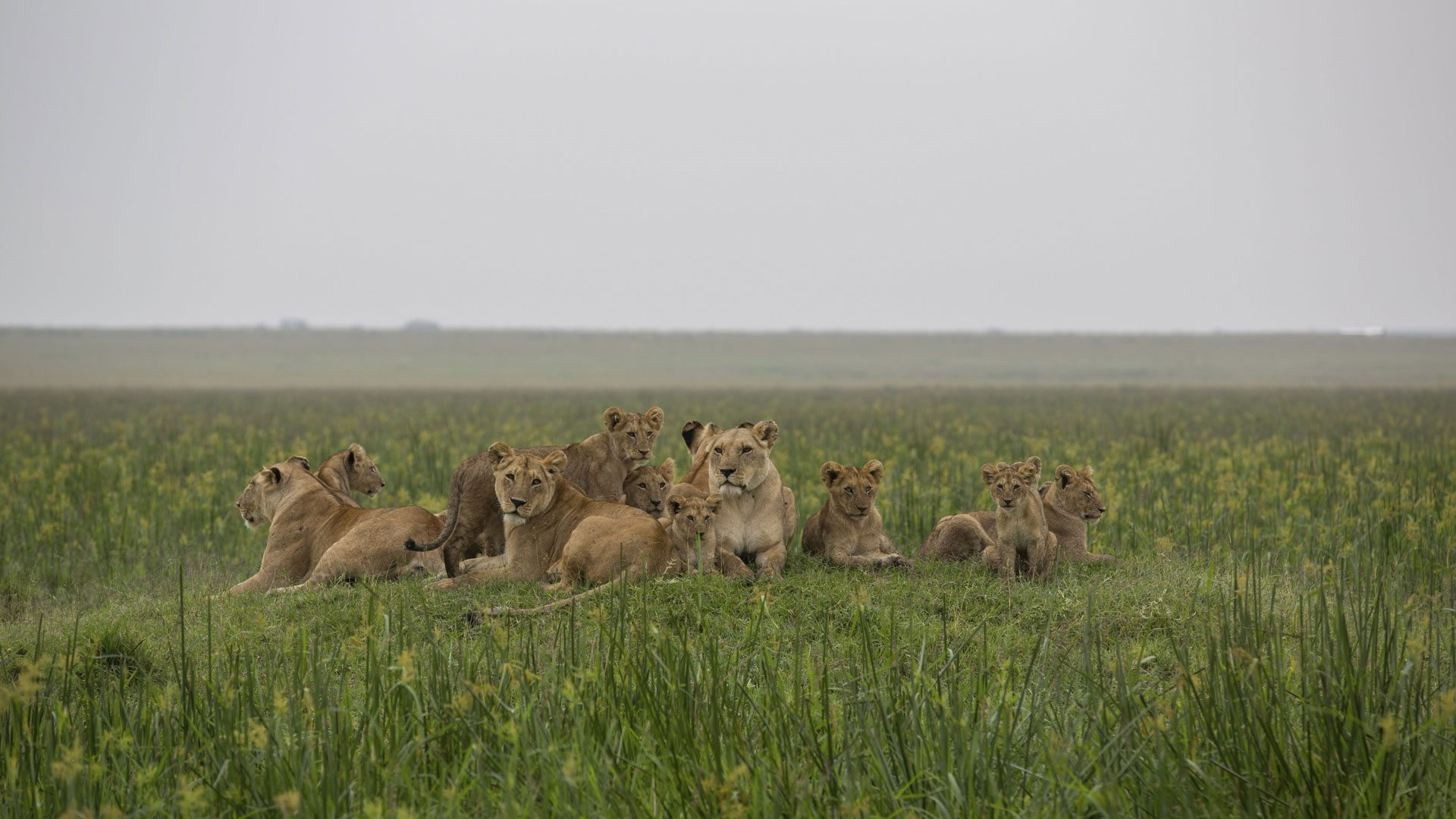
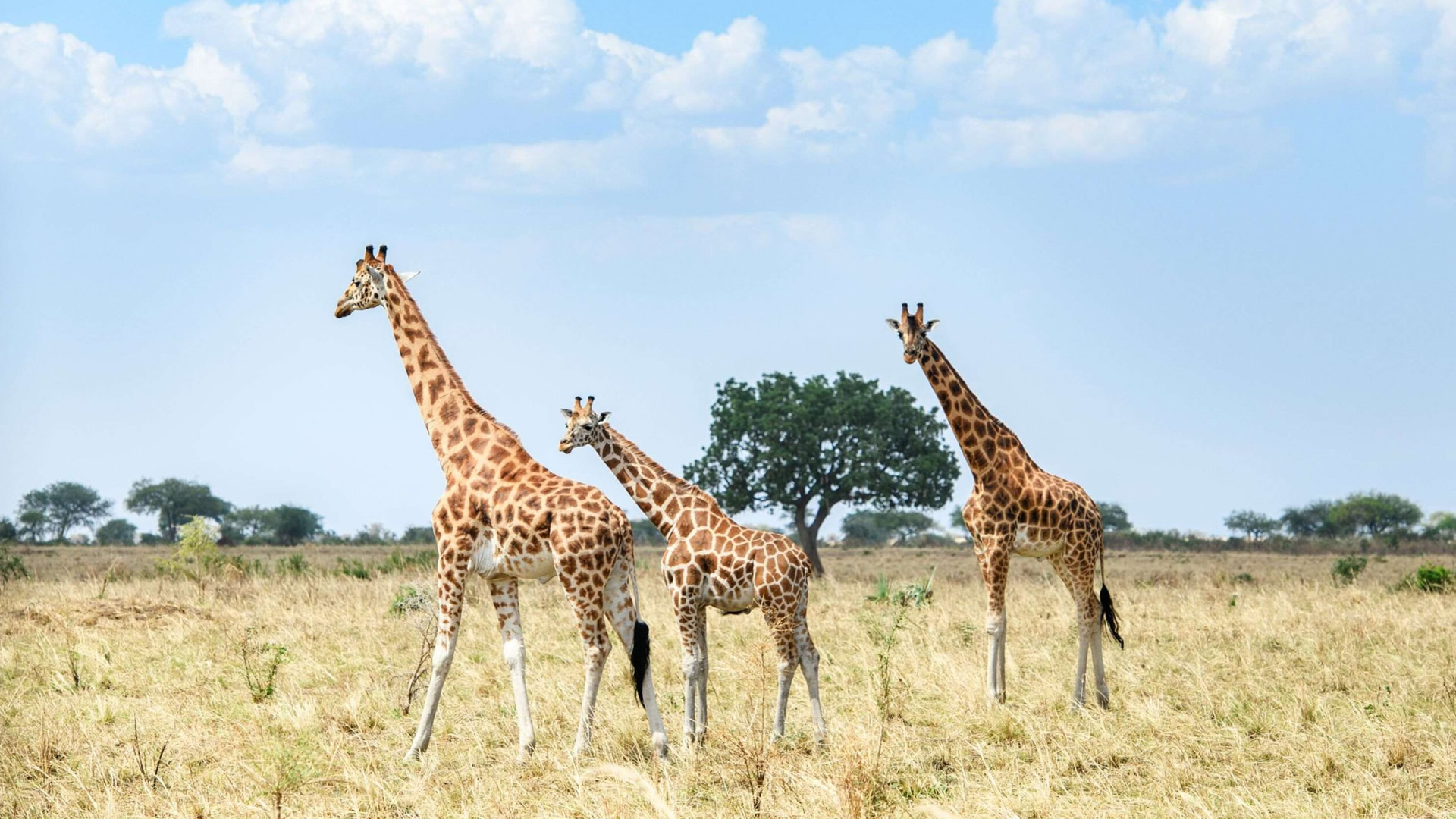
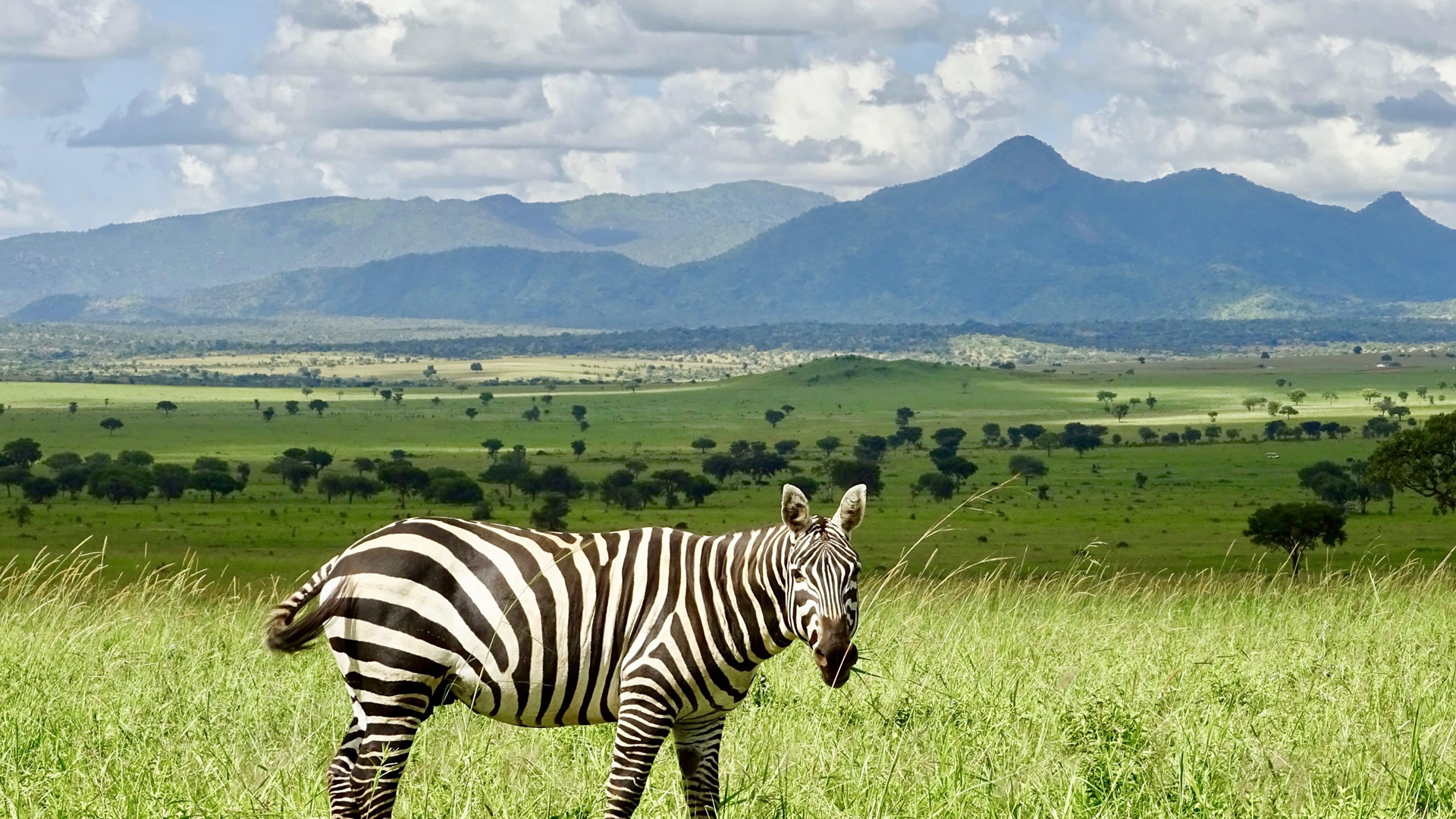
Two to three nights is ideal. Two nights allows three to four game drives in the Narus Valley covering the main circuits, the river, and the open plains. Three nights adds the full-day Kidepo Valley and hot springs excursion, a walking safari, and a Karamojong cultural visit — the activities that distinguish Kidepo from a conventional savannah park. One night is too short given the transfer time, even by air. Three nights also provides the best odds of encountering cheetah, which requires patient scanning across the open plains over multiple drives.
Kidepo is the only park in Uganda with a resident cheetah population, but the population is small and the territory large. Sightings are possible on any Narus Valley game drive — particularly in the dry season when the grass is short and the plains open up — but they are not guaranteed on every visit. A three-night stay with multiple morning drives gives a good chance. Your guide will know the areas currently favoured by the resident individuals. Even without a cheetah sighting, Kidepo delivers species — ostrich, striped hyena, bat-eared fox, greater kudu — that you simply cannot see elsewhere in Uganda.
Yes. The Karamoja region experienced security challenges in earlier decades, but the situation has been stable and safe for tourism for many years. UWA rangers patrol the park, and the lodges operate with full security protocols. The road from Kampala via Gulu and Kitgum is safe and well-travelled. The South Sudan and Kenya borders within the park are monitored. Kidepo receives a steady flow of international visitors, and the security situation is no different from that of any other national park in Uganda. Your tour operator will provide current travel advice.
Kidepo is hotter and drier than the western and central parks. Daytime temperatures during the dry season typically range from 28°C to 35°C, with the peak heat in February and March. Mornings and evenings are pleasant — the valley cools quickly after sunset, and dawn game drives start in comfortable conditions. Light, breathable clothing, a sun hat, sunscreen, and plenty of water are essential. The heat is part of the landscape's character — it creates the shimmering, amber-lit savannah that makes Kidepo so visually distinctive.
Kidepo Valley National Park charges USD 40.00 per non-resident adult per 24-hour period (as of 2024/2025). Guided nature walks are approximately USD 30 per person. Cultural visits to Karamojong communities are arranged through lodges or guides and typically cost USD 20–30 per person. Charter flights are the main cost factor — round-trip charters from Entebbe are quoted separately by operators. All park fees and applicable taxes on Kuldip's Touring Company itineraries are included in the quoted price.
Kidepo works well for adventurous families with older children who are comfortable with heat, remoteness, and long game drives. The open savannah makes wildlife easy to spot, which keeps children engaged. The Karamojong cultural visit is fascinating for all ages. Walking safaris have a minimum age (usually 12–15). The main consideration is the transfer: the charter flight is comfortable and quick; the overland drive is very long and rough. Lodge options are limited and basic by comparison with the western parks. For families seeking a wilderness experience beyond the ordinary, Kidepo is exceptional — but it is not a first-safari destination.
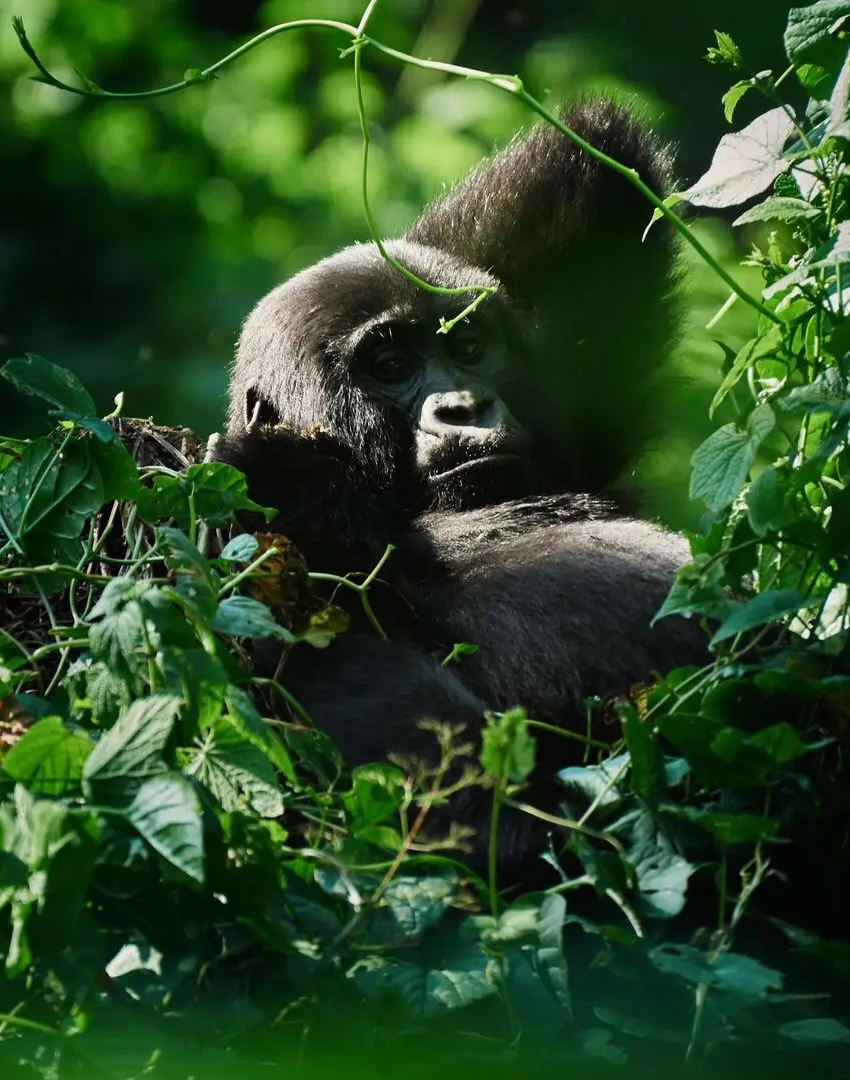
One of Africa's most ancient rainforests and home to roughly half the world's mountain gorillas. An extraordinary wildlife experience.
Explore Bwindi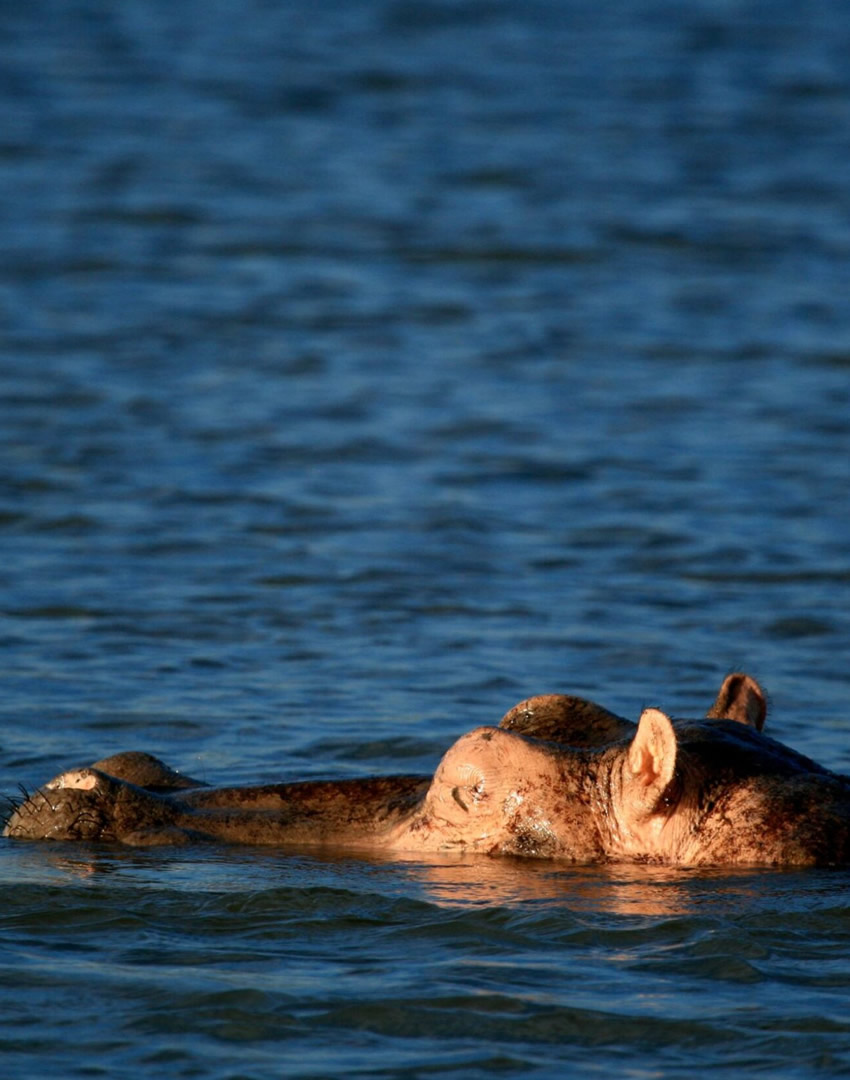
Uganda's largest national park, where the Victoria Nile forces itself through a narrow rock gap and plunges forty-three metres.
Explore Murchison Falls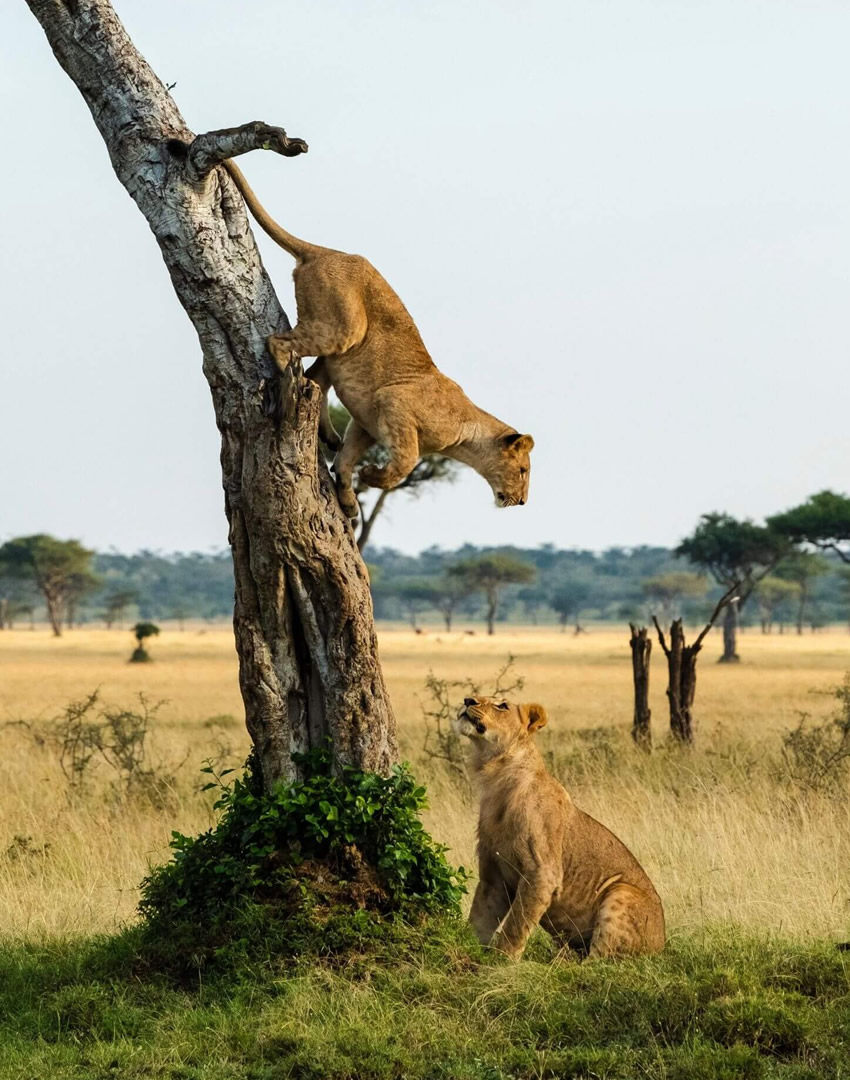
A mosaic of savannah, wetlands, crater lakes and tropical forest. Best known for tree-climbing lions and the Kazinga Channel boat safari.
Explore Queen Elizabeth NP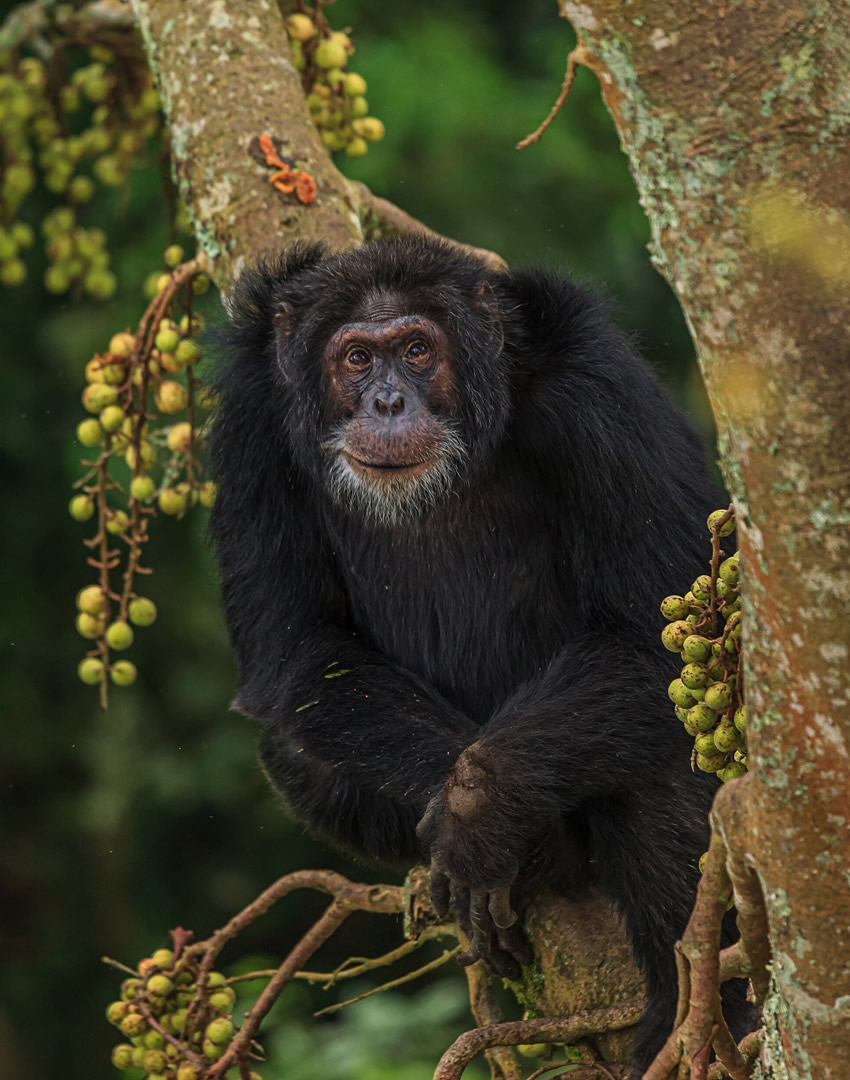
Africa's premier chimpanzee tracking destination, with the highest density and diversity of primates on the continent.
Explore KibaleOne of Africa's last true wilderness frontiers. Semi-arid savannah and rugged mountain scenery with species found nowhere else in Uganda.
Explore Kidepo Valley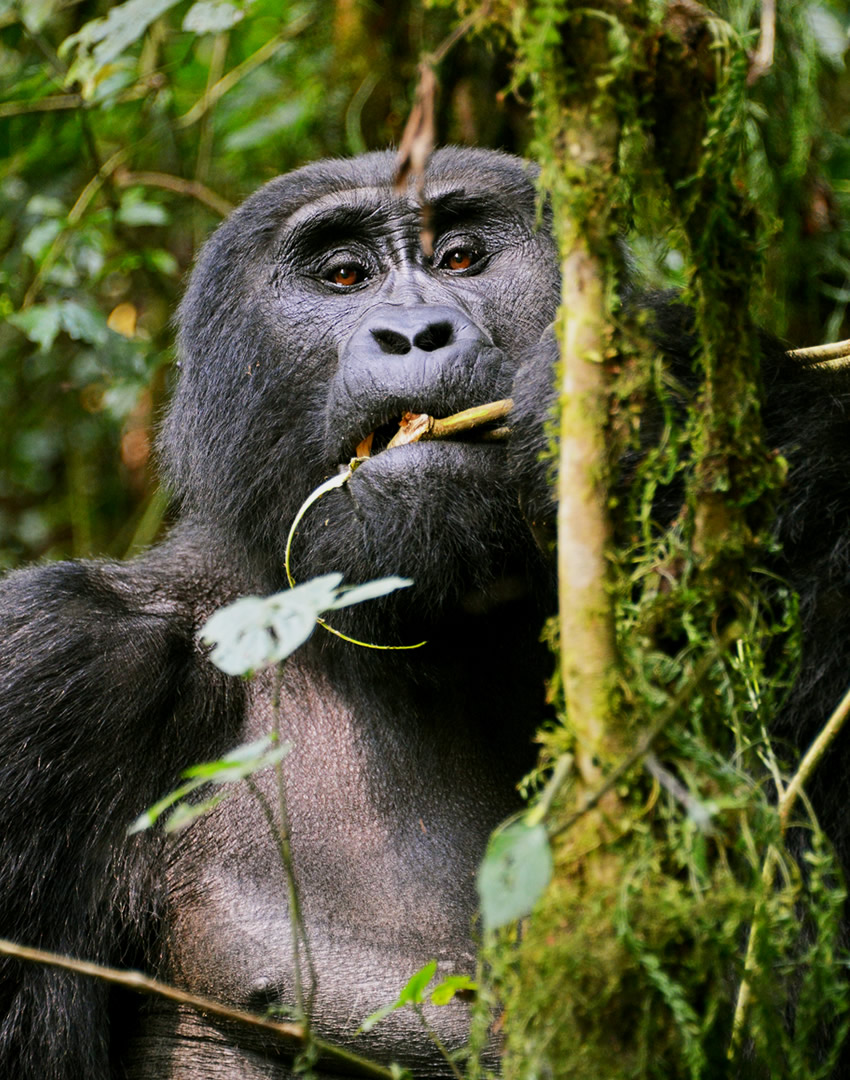
The smallest and most scenic of Uganda's gorilla parks, set on the slopes of the Virunga volcanoes at the meeting point of three countries.
Explore Mgahinga