Trade the crashing ocean waves for the tranquil, glass-like waters of Mtwapa Creek. Glide through dense mangrove forests, spot rich birdlife, and watch the sun set over a timeless coastal ecosystem.
Just a short drive from the bustling beaches of Nyali and Bamburi lies Mtwapa Creek, a deep inlet that snakes its way inland from the Indian Ocean. Here, the landscape undergoes a dramatic transformation. The white sands and open ocean swells are replaced by still, mirror-like waters fringed by dense, ancient mangrove forests that teem with life.
Your excursion begins by boarding a traditional motorized wooden boat or a small dhow, captained by a local guide who knows every twist and turn of the creek's tidal channels. As you navigate the intricate root systems of the mangroves, the silence is broken only by the call of the African Fish Eagle or the splash of a kingfisher diving for its prey. This estuarine environment serves as a vital nursery for marine life and a haven for coastal birds.
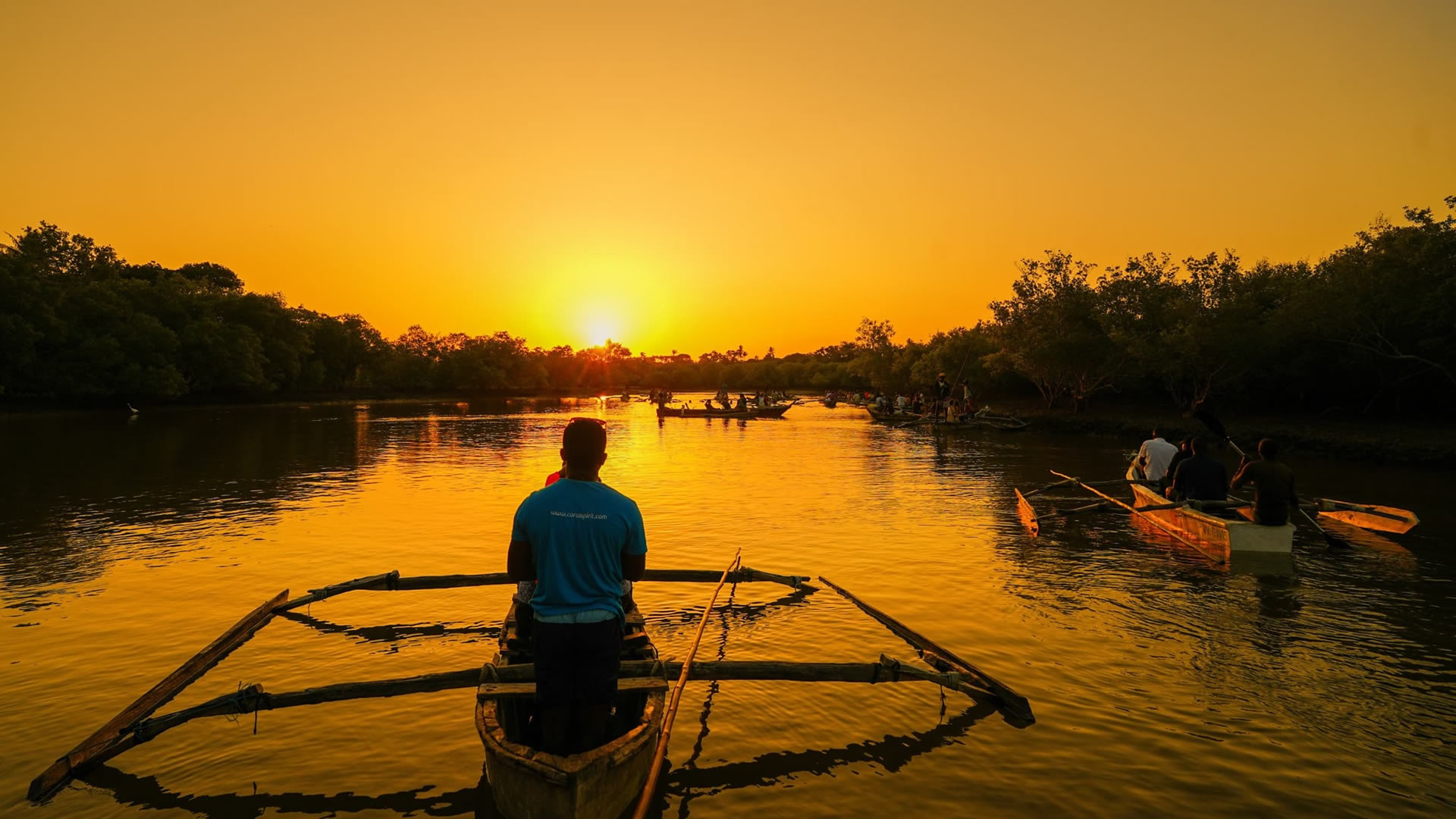
While morning tours are excellent for birdwatching and photography in crisp light, the late afternoon cruise offers a truly magical atmosphere. As the sun begins to dip below the palm-lined horizon, the creek is bathed in a warm, golden glow. Enjoy a cold drink on board as local fishermen paddle past in their dug-out canoes, ending your day with a profound sense of coastal tranquility.
Discover a quiet, ecologically rich side of Mombasa that most beachgoers completely miss.
Navigate the narrow, winding channels between thick stands of mangrove trees. Learn how these unique salt-tolerant plants survive and provide a critical nursery for the ocean's juvenile fish and crustaceans.
Mtwapa Creek is a haven for birdwatchers. Keep your binoculars ready for sightings of the iconic African Fish Eagle, Pied Kingfishers, Yellow-billed Storks, and various species of herons and egrets stalking the shallows.
The late afternoon cruise offers spectacular sunset views. Because the creek is sheltered from ocean winds, the water often turns to glass, creating flawless reflections of the fiery sky and silhouette palms.
Most tours are conducted on traditional wooden boats or small dhows, operated by local captains who have lived and fished around the creek their entire lives, offering genuine insight into the area.
Watch traditional Giriama and Swahili fishermen casting their nets or checking crab traps from dugout canoes. It is a peaceful, unhurried snapshot of coastal livelihoods that have remained unchanged for generations.
Unlike open ocean excursions, the calm waters of the creek make for a very stable boat ride. This allows for incredibly sharp photography, whether you are shooting wildlife with a telephoto lens or capturing wide landscape reflections.
Simple preparations for a comfortable and relaxing time on the water.
Mangrove forests are natural breeding grounds for mosquitoes, which become particularly active at dusk. Applying a good quality insect repellent before boarding is highly recommended for the sunset cruise.
Bring binoculars if you have them—the birdlife in the canopy can be spectacular. Photographers should bring a zoom lens (200mm+) for wildlife and a wide-angle lens for the dramatic sunset reflections on the water.
If you are doing the morning cruise, the sun reflecting off the water can be intense. A wide-brimmed hat, polarized sunglasses, and sunscreen are essential, even if the boat has a small canvas canopy.
This is one of the most accessible and relaxing excursions we offer. The water is completely flat, making it ideal for young children, elderly guests, and anyone prone to seasickness.
Wear comfortable sandals or flip-flops. Depending on the tide at the time of departure, you may need to step in shallow water to board the boat from the sandy bank.
The exact route through the mangrove channels depends entirely on the tides. During high tide, the boat can push deep into the narrow waterways. At low tide, you will stay in the deeper main channels of the creek.
Mangroves are the unsung heroes of the coastline. They protect the shores from erosion, filter pollutants, and capture immense amounts of carbon. They also serve as the critical breeding ground for up to 75% of the commercially caught fish in the region. By choosing a guided boat tour, you are directly supporting the local fishermen and boatmen who act as the stewards of this creek, providing an economic incentive to protect the forest from illegal logging and charcoal burning.
Tell us your preferred time—morning birds or golden sunset—and we will organize your captain and boat.
Book This TourIt is extremely rare to see crocodiles in Mtwapa Creek, as the water is a tidal estuary and heavily saline. While the ecosystem is similar to areas that might hold them, Mtwapa is a busy waterway for local fishermen and is completely safe for boating.
No, the boats are dry and the water is completely flat. The only time you might get your feet slightly wet is when stepping from the shore onto the boat, depending on the tide level at the launch point.
It depends on your interests. The morning cruise (around 08:30 or 09:00) is generally better for serious birdwatchers, as the birds are most active and the light is clear. The late afternoon cruise (around 16:00) is favored by those looking for a relaxing, romantic atmosphere and beautiful sunset reflections.
Swimming is not the focus of this tour. The creek water is murky due to the muddy mangrove environment and tidal movements, making it unsuitable for the kind of clear-water swimming you would do at Kisite Marine Park or the main beaches.
While possible, Mtwapa Creek is located on the North Coast. Traveling from Diani involves crossing the Likoni Ferry and navigating through Mombasa city traffic, which can take up to 2 hours each way. For Diani guests, we typically recommend the Kongo River Sunset Cruise, which offers a very similar mangrove experience much closer to your hotel.