Where a lifeless limestone quarry became a thriving wildlife sanctuary — hand-feed giraffes, walk with giant tortoises, and witness one of Africa's greatest ecological restoration stories.
In the 1970s, the site where Haller Park now stands was a barren, grey, lifeless limestone quarry — stripped bare by decades of cement mining. There was no soil, no trees, no water, and no wildlife. It looked, by all accounts, like the surface of the moon. What happened next is one of the most remarkable environmental restoration stories in Africa.
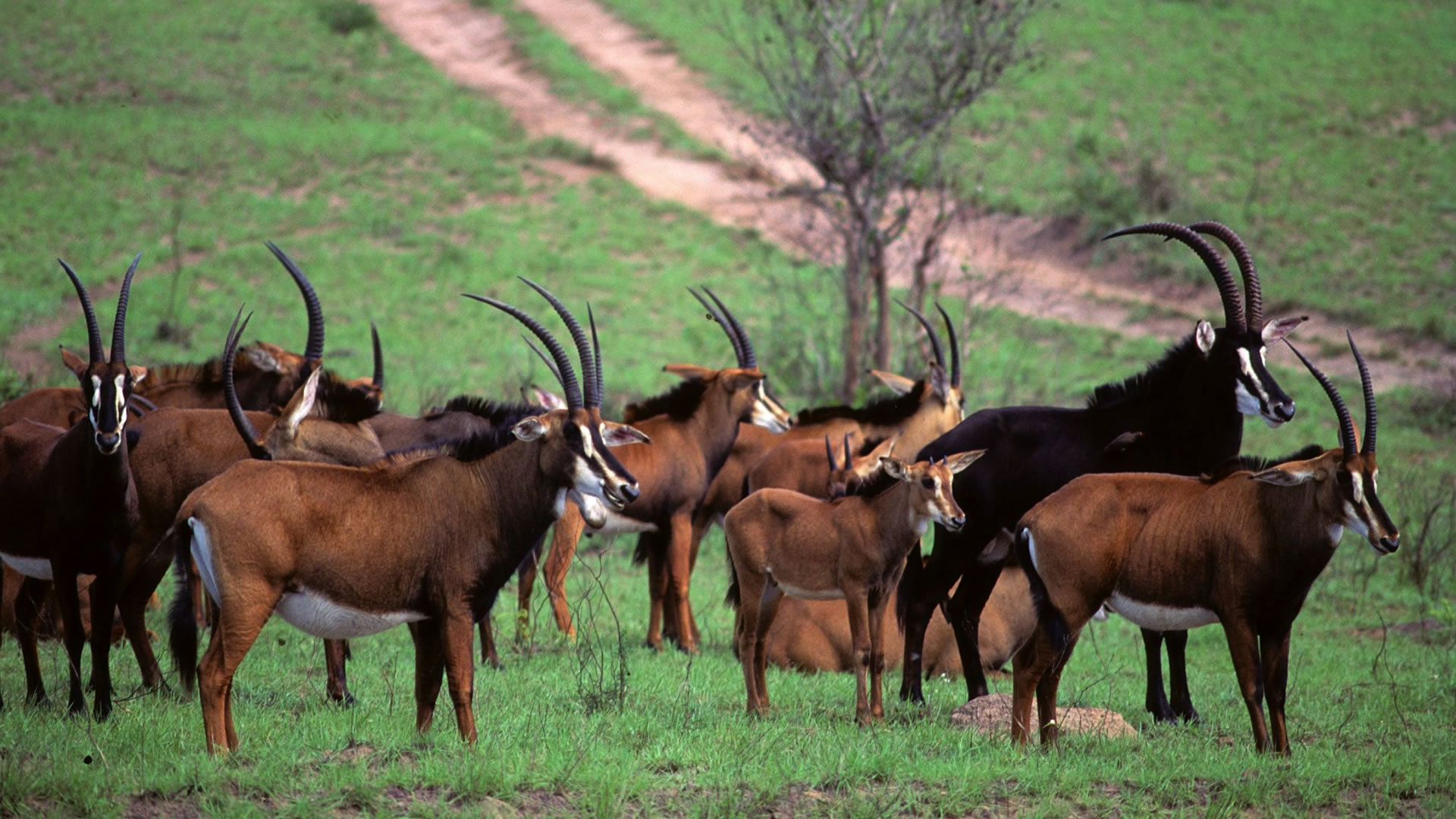
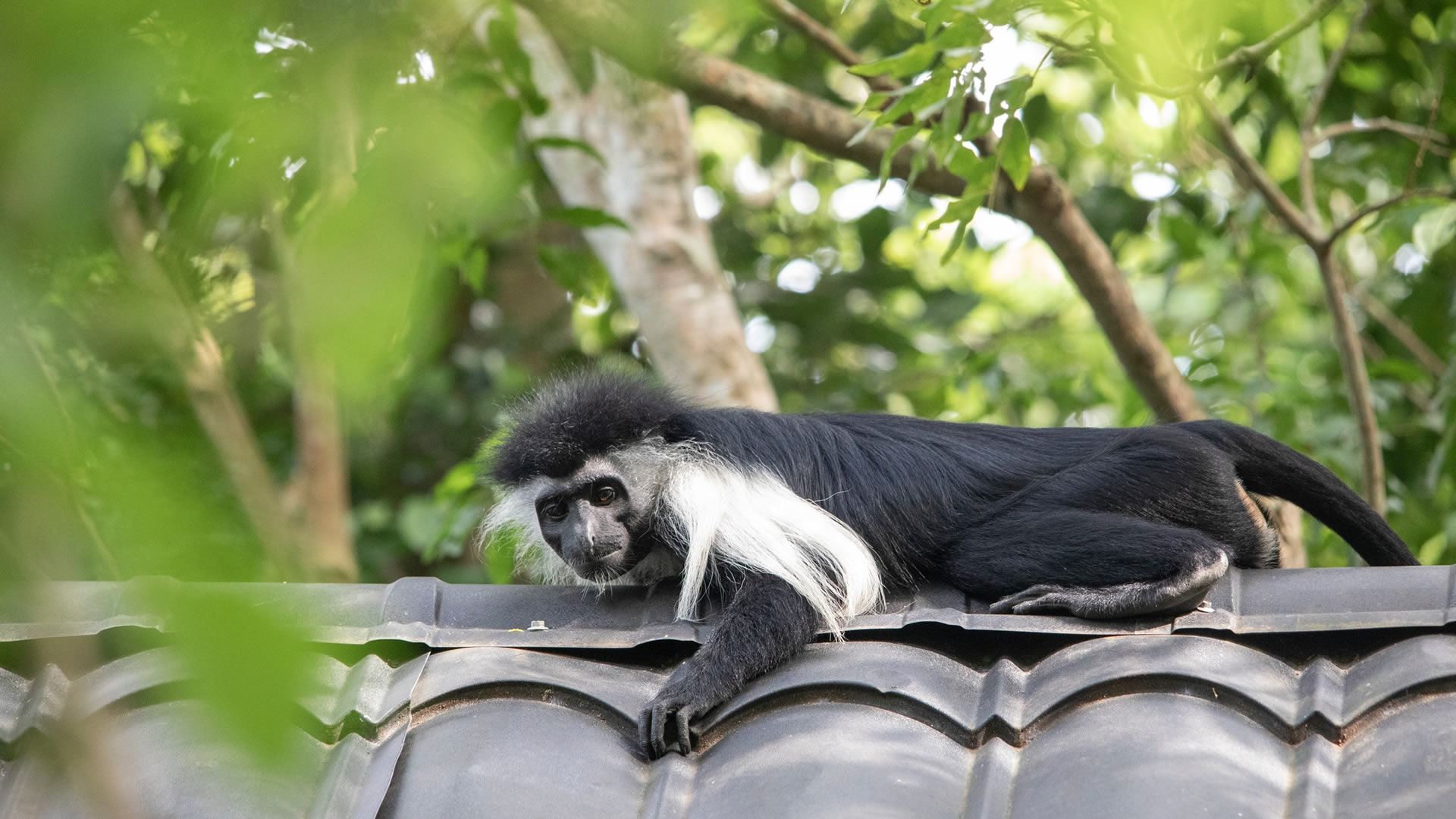
Dr. René Haller, a Swiss agronomist, led the transformation. Millipedes were introduced to break down leaf litter and create soil. Fast-growing Casuarina trees were planted to stabilise the ground and provide shade. Slowly, over decades, a functioning ecosystem reassembled itself — woodland, grasslands, wetlands, and ponds that now support giraffes, hippos, crocodiles, giant Aldabra tortoises, buffalo, monkeys, antelopes, and over 160 bird species. Today the park is a lush, thriving sanctuary that stands as living proof of what ecological rehabilitation can achieve.
For visitors, the experience is joyful and interactive. The undisputed highlight is giraffe feeding — you can hand-feed the park's resident giraffes from an elevated platform, feeling their long, rough tongues wrap around food pellets in your palm. The giant Aldabra tortoises, some weighing over 200 kg and well over a century old, wander freely and allow gentle touching. A guided nature trail takes you past the hippo and crocodile pools, through the butterfly pavilion, past the reptile enclosure, and along boardwalk paths through the rehabilitated woodland. For children, this is magic. For adults, the backstory of how it all came to be is equally extraordinary.
Hands-on wildlife, a story of transformation, and an experience children remember long after the holiday ends.
Stand on the elevated feeding platform, hold out a food pellet, and feel a giraffe's tongue wrap around your hand. It is gentle, surprising, and unforgettable — the single most-photographed moment in any family's Mombasa trip.
These ancient, gentle creatures — some over a century old and weighing more than 200 kg — wander freely through the park. You can touch their shells, watch them lumber past, and pose for close-up photographs. Children are mesmerised.
The park's origin is extraordinary: a dead, grey quarry brought back to life over decades through ecological engineering. Millipedes created soil. Trees stabilised earth. A functioning ecosystem reassembled. The story is as powerful as the park itself.
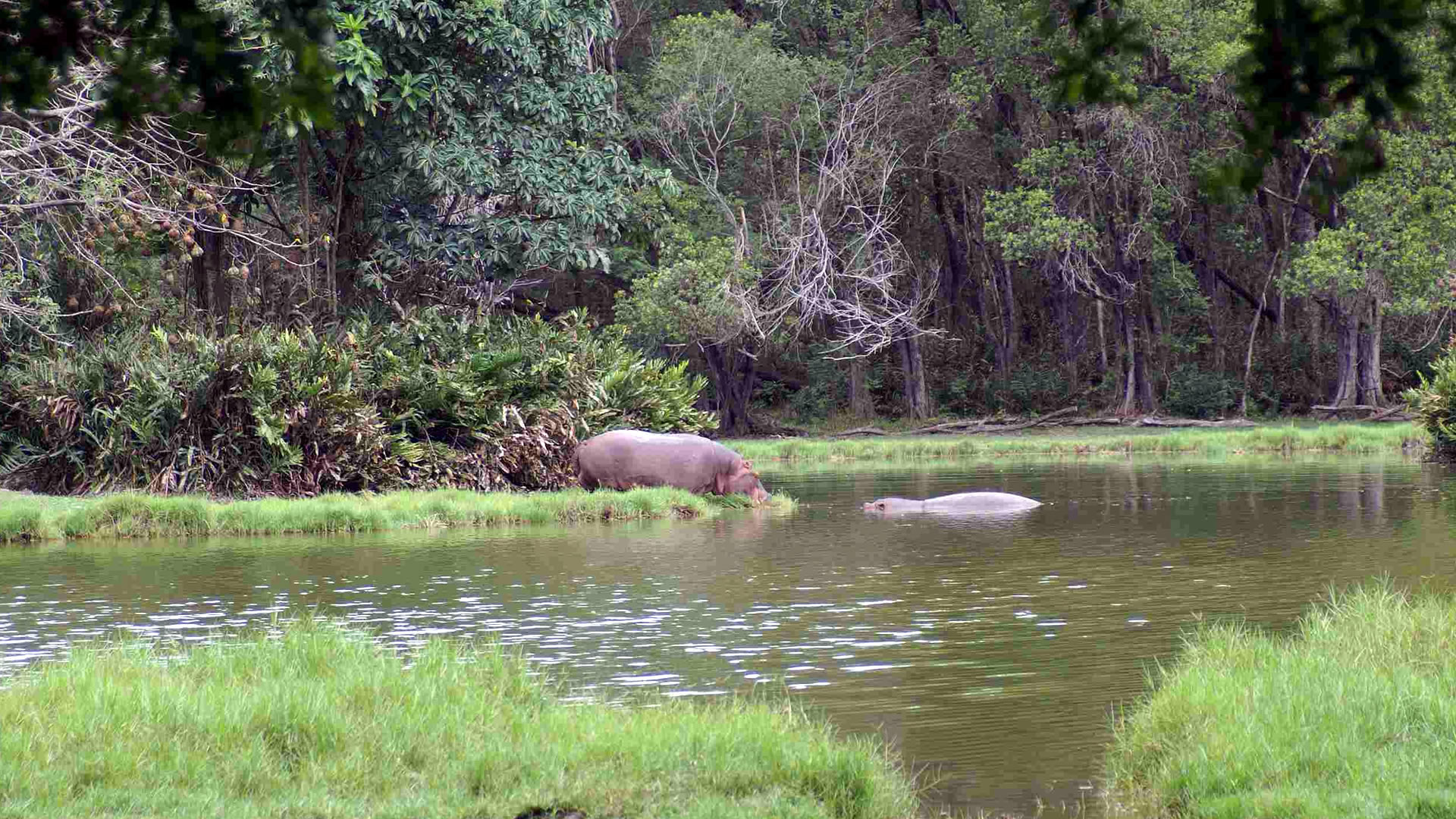
The park's ponds and wetlands host resident hippos and Nile crocodiles. Viewing is from safe, elevated positions. Crocodile feeding times (check the schedule) draw crowds and are a highlight — the power and speed of these animals is startling up close.
A walk-through butterfly enclosure filled with colourful tropical species, and a reptile section where you can see snakes, lizards, and chameleons native to the Kenya coast. Both are educational, well-maintained, and engaging for children.
Flat, paved paths throughout most of the park make this one of the most accessible wildlife experiences on the coast. Wheelchair-friendly in most areas. Suitable for all ages, all fitness levels, and all mobility requirements. No one is excluded.
A relaxed, accessible half-day — easy to plan, loved by everyone.
Camera — the giraffe feeding and tortoise encounters produce wonderful photographs. Comfortable walking shoes, hat, sunscreen, and insect repellent. Small cash for giraffe food pellets and the on-site cafeteria.
Flat, paved paths throughout most of the park. Wheelchair accessible in the main areas including the giraffe platform, tortoise enclosure, and hippo pools. Some sections of the nature trail have unpaved surfaces. This is one of the most mobility-friendly excursions on the coast.
The single best family excursion on the coast. Children of every age love feeding the giraffes and meeting the tortoises. The park is safe, well-maintained, and manageable for young children without pushchairs. Allow 2–3 hours — more if the children want to linger, which they will.
Follow park rules around all animals. The giraffes are habituated to feeding and gentle, but follow staff instructions. Do not approach the hippo or crocodile pools beyond the viewing platforms. The tortoises can be touched gently on the shell but not picked up or sat on.
Morning (09:00–10:00 arrival) avoids the midday heat. Afternoon visits are also fine. Check the crocodile feeding schedule — it is a highlight and worth timing your visit around. The park is less crowded on weekdays than weekends.
An on-site cafeteria serves drinks, snacks, and light meals. Clean toilets are available throughout the park. A gift shop near the entrance sells souvenirs, postcards, and educational materials about the park's restoration history.
Haller Park exists because of a visionary idea: that industrial damage to the environment can be reversed. The park is a demonstration site originally developed by Bamburi Cement (now part of Lafarge Holcim), showing that ecological engineering — using natural processes like millipede decomposition and pioneer tree planting — can transform barren industrial land into a functioning, biodiverse ecosystem. The park's existence is itself the conservation story. Entry fees support the ongoing management of the habitat, the care of the resident wildlife, and the educational programmes that teach the next generation what environmental restoration looks like in practice.
Let us know your date and hotel — we'll arrange transport and entry for a morning of unforgettable encounters.
Book This VisitYes. The park has an elevated feeding platform that brings you to the giraffes' head height. You hold out food pellets (available for purchase at the platform) and the giraffe extends its long, prehensile tongue to take them from your open palm. The sensation is gentle, slightly rough, and utterly delightful. The giraffes are habituated to human contact and calm throughout. This is hands-on wildlife interaction at its most joyful — and produces wonderful photographs.
Not in the traditional sense. Haller Park is a rehabilitated ecosystem — a former quarry that was ecologically restored into a functioning habitat. The animals live in large, naturalistic enclosures and open areas rather than cages. The giraffes and tortoises roam semi-freely. The hippos and crocodiles occupy natural ponds. It feels more like a wildlife sanctuary than a zoo, and the ecological restoration backstory gives it a dimension that conventional zoos lack.
Several of the Aldabra giant tortoises at Haller Park are estimated to be well over 100 years old. They can weigh over 200 kg and live to 200 years or more. They are gentle, slow-moving, and completely unfazed by visitors. You can touch their shells and take close-up photographs. For children, meeting a creature that may have been alive during the First World War is a genuinely astonishing thought.
Yes, though it adds travel time. Haller Park is on Mombasa's North Coast at Bamburi, so from Diani you cross the Likoni Ferry and drive north — approximately 1.5 to 2 hours each way. It works as a standalone half-day trip from Diani, or you can combine it with the Mombasa City Tour and Fort Jesus for a full day of Mombasa sightseeing. From Mombasa North Coast hotels, the park is just a 15–30 minute drive.
Largely, yes. The main paths through the park are flat and paved, including access to the giraffe platform, tortoise area, and hippo and crocodile viewing points. Some sections of the nature trail have unpaved or uneven surfaces that may be more challenging. Overall, Haller Park is one of the most accessible wildlife experiences on the Kenya coast — far easier to navigate than a bush safari or forest walk.
Mamba Village is a crocodile farm adjacent to Haller Park that breeds Nile crocodiles and offers close-up viewing, feeding demonstrations, and educational talks about crocodile biology. Some tour packages include entry to both Haller Park and Mamba Village as a combined visit. If crocodiles interest you — or your children — it adds approximately 30–45 minutes to the outing. Ask when booking whether your package includes it.