Step into the largest remaining fragment of coastal forest in East Africa. A globally recognized biodiversity hotspot sheltering rare endemic birds, elusive elephant shrews, and ancient trees.
Just inland from the white sands of Watamu and Malindi lies a completely different world. The Arabuko-Sokoke Forest Reserve spans 400 square kilometers and is the last major remnant of the tropical coastal forest that once stretched continuously from Somalia to Mozambique. Today, it stands as one of the most important conservation sites in Africa, fiercely protected for its staggering endemic biodiversity.
Your guided nature walk takes you beneath a dense, shaded canopy across three distinct forest habitats: the Mixed Forest, the Brachystegia woodlands, and the impenetrable Cynometra thickets. Each zone supports entirely different flora and fauna. Accompanied by a specialized local guide, you will search for the forest’s legendary residents, moving quietly to hear the rustle of the undergrowth or the call of a rare bird.
This is a specialist’s paradise, drawing birdwatchers and naturalists from across the globe to seek out the tiny, elusive Sokoke Scops Owl and the Clarke’s Weaver, which breeds nowhere else on earth. Even if you aren't a seasoned birder, walking through this ancient, sun-dappled woodland while looking out for the endemic Golden-rumped Elephant Shrew or tracking the footprints of the elusive forest elephants is a deeply rewarding, peaceful escape from the busy coastline.
Discover an incredibly rare ecosystem brimming with creatures found nowhere else on the planet.
This tiny, elusive owl is one of the rarest birds in Africa. Measuring just 15cm tall, it is endemic to this specific stretch of coastal forest. With the help of an expert guide, spotting one roosting in the branches is a true privilege.
About the size of a rabbit but with a distinctive elongated snout and a bright golden patch on its hindquarters, this remarkable mammal is endemic to Arabuko-Sokoke. Watch for them foraging frantically on the forest floor.
The forest is divided into three distinct zones—the Mixed Forest, the Brachystegia (Miombo) woodland, and the dense Cynometra thicket. Each zone feels like a different world, supporting its own specialized web of life.
The forest is home to over 250 species of butterflies, many of which are endemic. Walking through the sunlit clearings, you will often find yourself surrounded by clouds of vibrant, fluttering colors.
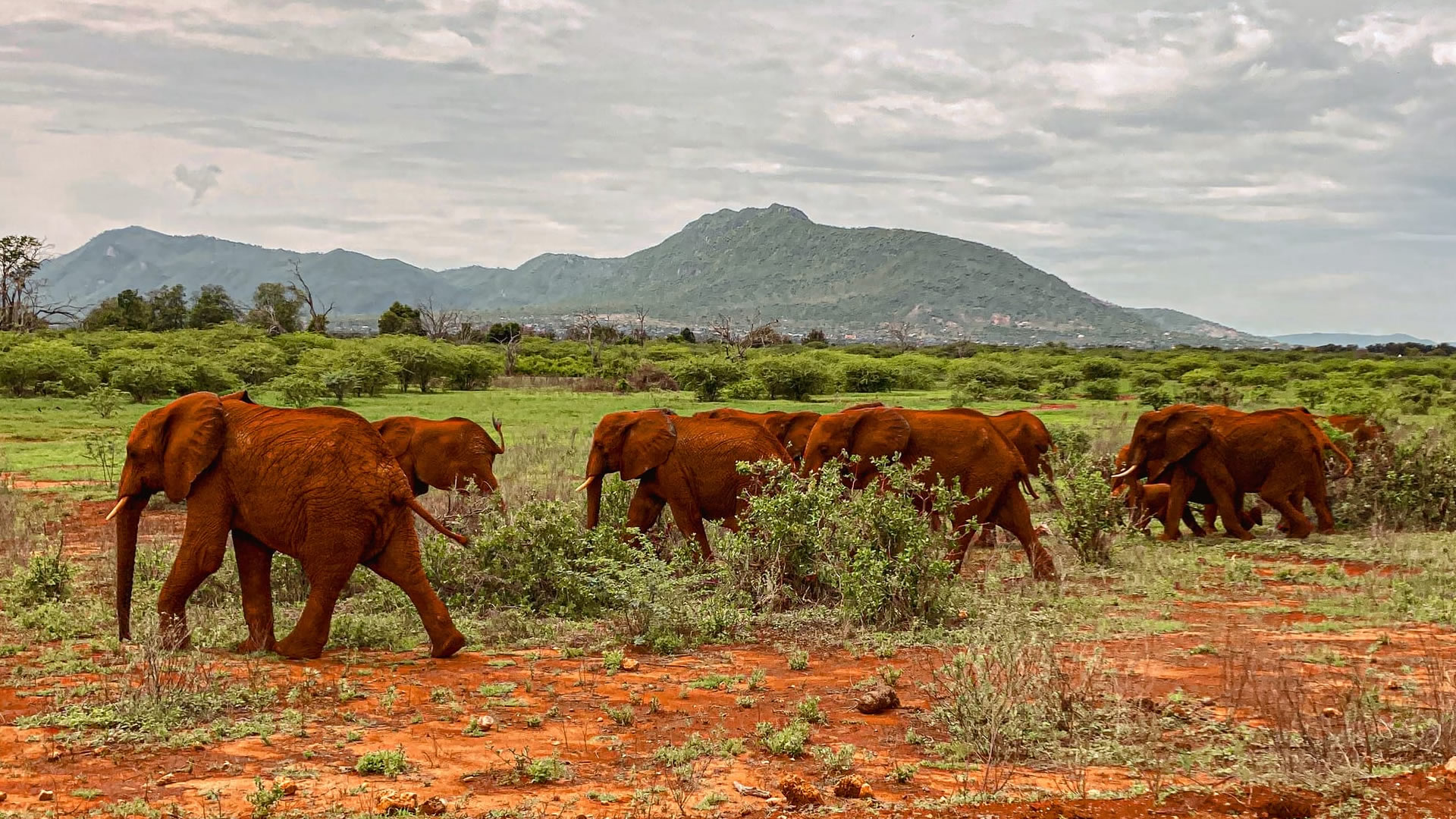
While extremely shy and rarely seen, a small herd of forest elephants lives within the reserve. You will often come across their massive footprints, fresh dung, and snapped branches, adding a thrilling sense of scale to the walk.
The forest sits directly adjacent to the ancient, abandoned Swahili city of Gede. Many visitors choose to combine their morning nature walk with an afternoon exploring the mysterious, monkey-filled ruins just down the road.
How to prepare for a comfortable, quiet, and successful nature walk.
If you have binoculars, this is the place to use them. Many of the forest’s most spectacular birds and mammals are small, well-camouflaged, and dwell high in the canopy or deep in the undergrowth.
The dense forest canopy retains humidity, making it a natural habitat for mosquitoes and other insects. Wear long, lightweight trousers, long sleeves, and apply a strong insect repellent before starting the walk.
To see the best birdlife and animal activity, you must beat the heat. We highly recommend starting your walk at 06:00 AM or 06:30 AM as the forest wakes up. Late afternoon walks (from 15:30) are the second-best option.
The trails are mostly flat, sandy, or covered in leaf litter. Comfortable, closed-toe walking shoes or light hiking boots are perfect. Wear muted, neutral colors (greens, browns) to avoid startling the shy wildlife.
Unlike a vehicle safari in the Masai Mara, walking in Arabuko-Sokoke requires patience and quiet. The slower and more silently you move, the higher your chances of spotting the elusive elephant shrews and forest birds.
The walk is very easy in terms of terrain—there are no steep hills or difficult climbs. The challenge comes only from the coastal heat and humidity, which is why an early start and a leisurely pace are key.
Arabuko-Sokoke is listed as one of the top 25 biodiversity hotspots in the world. However, it faces constant pressure from illegal logging, poaching, and land encroachment. By paying park fees and hiring local community guides trained by KWS and Nature Kenya, you are proving that the forest has higher economic value alive and intact than cut down for timber, directly contributing to the survival of its endemic species.
Tell us your dates and location, and we will pair you with an expert naturalist guide for an unforgettable walk.
Book This WalkWhile it is technically possible to pay the entry fee and walk the main tracks alone, it is highly discouraged. The forest is vast, trails can be confusing, and without a trained guide, you will likely miss 90% of the camouflaged birds and mammals. The local guides possess incredible spotting skills and mimicking abilities that make the experience worthwhile.
It is highly unlikely. There is a small herd of forest elephants in Arabuko-Sokoke, but they are incredibly shy, primarily active at night, and tend to stay deep within the impenetrable Cynometra thickets. You will likely see their tracks and dung, but a physical sighting is rare.
Yes, it is very safe. You will be accompanied by a professional guide, and there are no large predators (like lions or leopards) in this reserve. The main hazards are simply the heat, humidity, and the occasional mosquito.
If you are staying in Mombasa North Coast, it is about a 1.5 to 2-hour drive, meaning you would need to leave your hotel around 04:30 AM to catch the best morning birding. From Diani, the journey is closer to 3.5 hours, making it impractical for a morning walk unless you stay overnight in Watamu or Malindi.
Located near the forest entrance, the Kipepeo (Swahili for butterfly) Project is a community-based enterprise that supports local farmers. They breed forest butterfly pupae for export to live exhibits around the world. Visiting the project is a wonderful, colorful addition to your forest walk and directly supports the local economy.