
A landscape forged by fire — where black lava flows meet crystal-clear springs, volcanic hills rise above dense bush, and hippos glide through an underwater glass window set into the wild earth.
Tsavo West National Park covers 9,065 square kilometres of volcanic terrain, dense nyika bush, open savannah, and riverine woodland in south-eastern Kenya. Established alongside Tsavo East in 1948, it forms the western half of the greater Tsavo Conservation Area — together the two parks protect over 22,000 km² of contiguous wilderness, one of the largest protected ecosystems in the world.
Where Tsavo East is flat, open, and red, Tsavo West is its dramatic counterpart — hillier, greener, more varied, and shaped by a volcanic geology that makes every turn in the road a shift in scenery. The Shetani Lava Flow, a vast field of black volcanic rock erupted just 200 years ago, cuts a stark scar across the landscape. The Chaimu Crater, the Ngulia Hills, and the Chyulu Hills along the park's northern boundary add vertical drama absent from its eastern sibling.
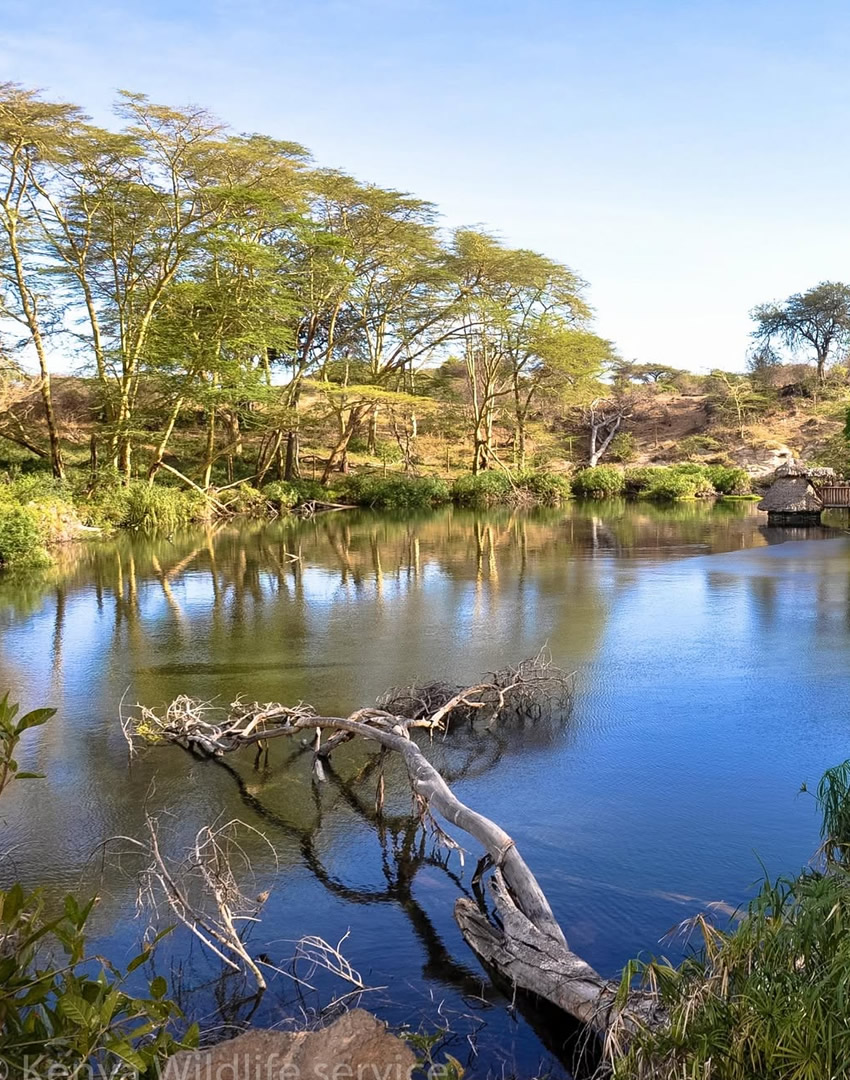
But Tsavo West's most celebrated feature lies underground. Mzima Springs — a series of crystal-clear natural pools fed by 50 million litres of water per day filtered through the volcanic rock of the Chyulu Hills — support hippo, crocodile, and dense tropical vegetation in the middle of otherwise dry bush. An underwater observation chamber set into one of the pools allows visitors to watch hippos and fish glide past at eye level — one of the most unusual wildlife encounters in any Kenyan park.
Volcanic geology, underground springs, and a landscape so varied it feels like several parks in one.
Fifty million litres of crystal-clear water surge daily from the Chyulu Hills' volcanic aquifer into a series of natural pools teeming with hippo, crocodile, barbel fish, and tropical vegetation. An underwater glass observation chamber lets you watch hippos from below the waterline — an experience found nowhere else in Kenya.
The Shetani Lava Flow — a vast expanse of jet-black rock erupted just two centuries ago — cuts across the park like a frozen river. The Chaimu Crater glows with volcanic vents, and the Ngulia and Chyulu hills add ridgelines that break the horizon. Tsavo West's geology is unlike any other Kenyan park.
Dense nyika scrubland, open savannah, riverine forest, volcanic craters, lava fields, mountain ridges, and underground springs — Tsavo West packs more landscape variety into a single park than most safari circuits achieve across three. Every game drive reveals a different terrain.
Tsavo West connects directly to Amboseli National Park via the Chyulu Hills and the Kimana corridor. A two-park itinerary combining Tsavo's volcanic drama with Amboseli's Kilimanjaro-framed elephants is one of the most popular overland safari routes in southern Kenya.
The fenced Ngulia Rhino Sanctuary within the park protects a growing population of black rhinoceros — one of Kenya's most important rhino conservation projects. Game drives within the sanctuary, escorted by KWS rangers, offer the chance to see this critically endangered species in dense, forested habitat.
Each October and November, the Ngulia Hills become the stage for one of Africa's most remarkable ornithological events. Millions of Palearctic migratory birds — warblers, thrushes, and flycatchers — are drawn to the lodge lights at Ngulia Safari Lodge during their nocturnal passage south. Ornithologists travel from around the world to witness and ring the birds.
Tsavo West National Park lies in south-eastern Kenya, separated from Tsavo East by the Nairobi–Mombasa highway (A109) and the Standard Gauge Railway. The park's main entrance — Mtito Andei Gate — is on the A109 approximately 250 kilometres south-east of Nairobi and 270 kilometres north-west of Mombasa. The Tsavo Gate further south provides direct access from the coast road.
The Chyulu Hills National Park borders Tsavo West to the north, and Amboseli National Park lies to the north-west — the three parks together form a vast, interconnected wilderness across the volcanic uplands of southern Kenya. Lake Jipe, shared with Tanzania, marks the park's south-western corner, and the Taita Hills rise along its southern flank. This varied topography — from 600 m on the eastern plains to over 1,800 m in the Ngulia Hills — drives the park's exceptional habitat diversity.
From underwater hippo viewing to lava-field walks — Tsavo West offers safari experiences you won't find anywhere else.
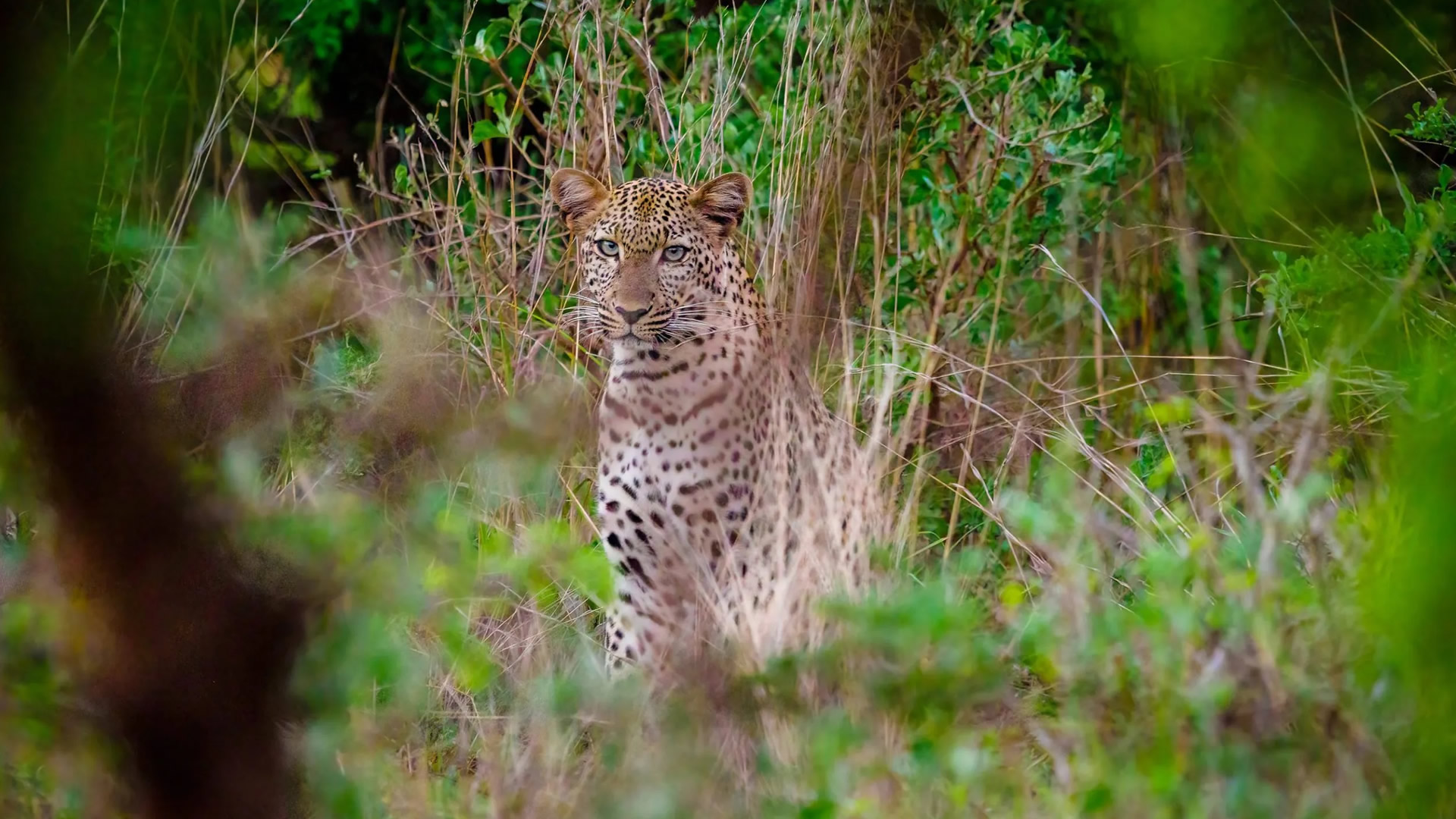
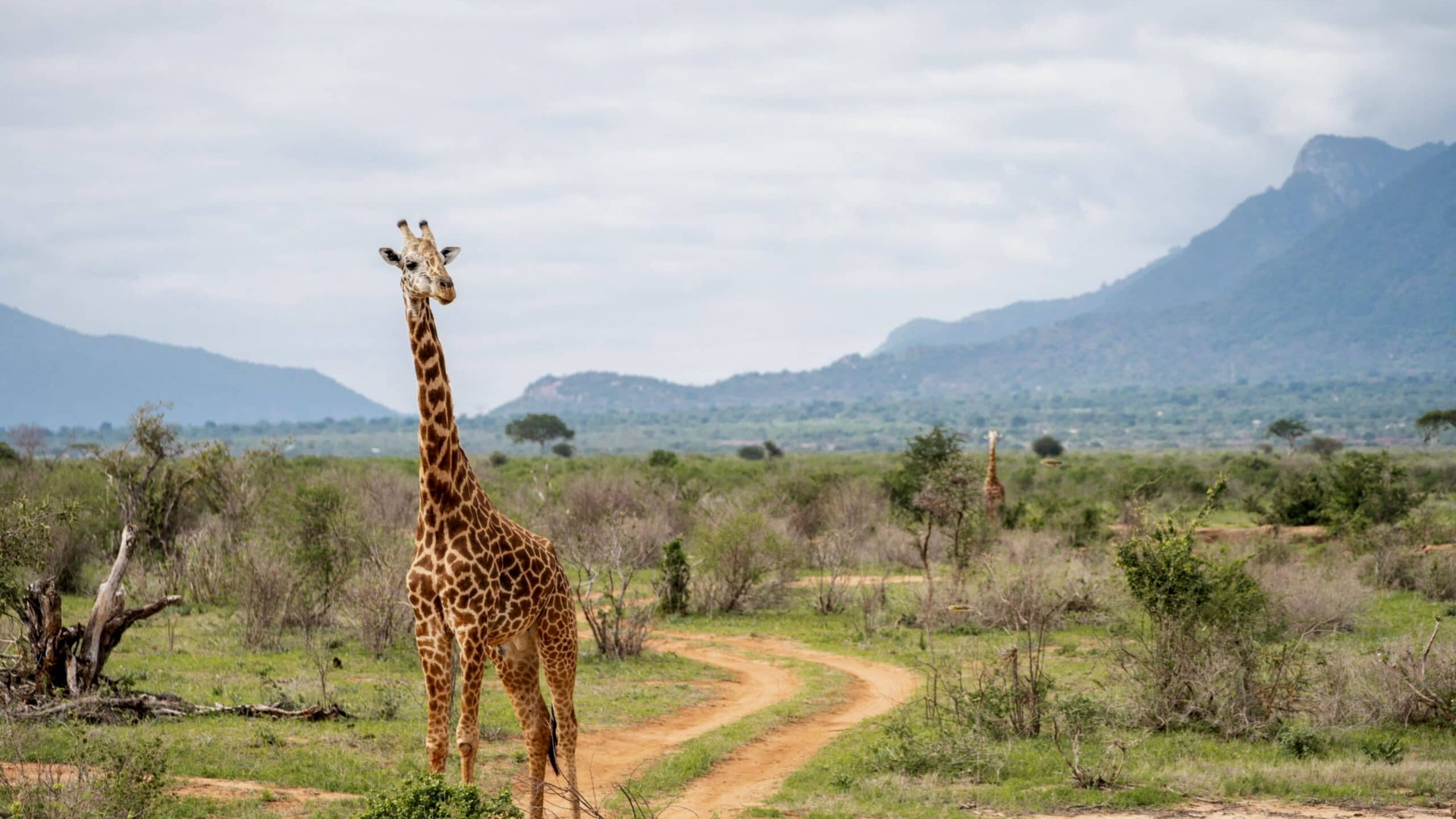
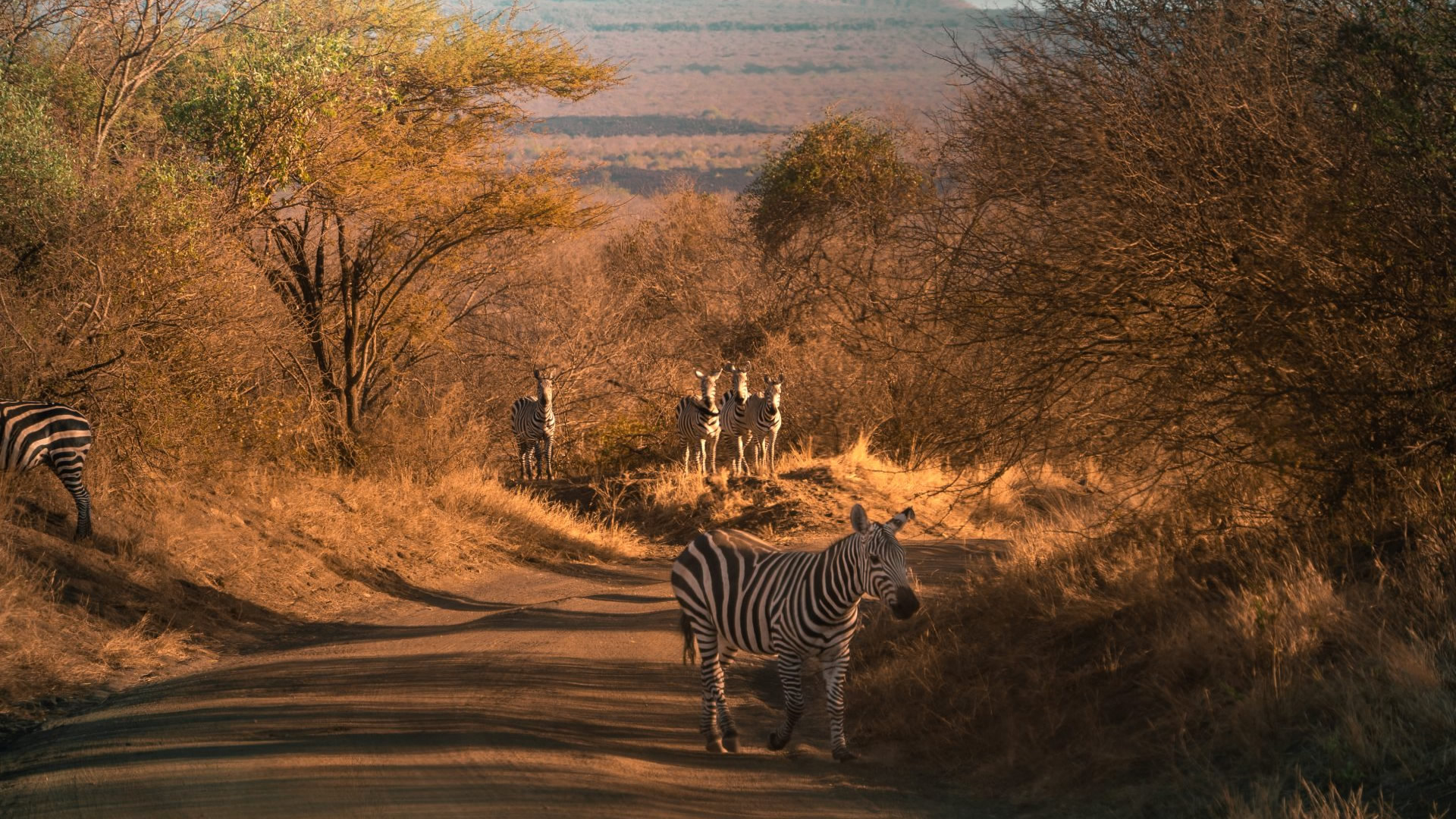
Morning and afternoon drives through the park's varied terrain — open savannah, dense bush, volcanic outcrops, and forested river valleys. Elephant, lion, leopard, buffalo, hippo, lesser kudu, gerenuk, and giraffe inhabit the diverse landscape, with the Ngulia Hills providing a dramatic backdrop.
Walk the boardwalk through tropical palms to the crystal-clear spring pools, then descend into the underwater observation chamber to watch hippos glide past at eye level. Crocodiles bask on the banks above while vervet monkeys swing through the canopy — a multi-layered, sensory experience unique in Kenya.
A vast, jet-black expanse of solidified lava erupted approximately 200 years ago. The name means "devil" in Swahili — local legend holds that the eruption was the work of a demon emerging from the earth. Visitors can walk across the flow's surface, an alien landscape of frozen ripples and caves.
A fenced, 90 km² enclosure within the park protecting a significant population of critically endangered eastern black rhinoceros. Ranger-escorted game drives within the sanctuary offer close encounters with one of Africa's most elusive species in the dense, hilly bush they naturally favour.
Over 600 species recorded across both Tsavos. Tsavo West's signature event is the annual Ngulia bird ringing — each October and November, millions of Palearctic migrants are drawn to the hilltop lodge lights during nocturnal passage. Daytime birding yields martial eagle, bateleur, hornbills, and the elusive Taita thrush.
A shallow, papyrus-fringed lake on the Kenya–Tanzania border, fed by runoff from Mount Kilimanjaro and the Pare Mountains. Boat rides on the lake reveal hippo, crocodile, and rich waterbird populations against a backdrop of Tanzanian mountains — one of Tsavo West's most remote and atmospheric excursions.
Dry months deliver the clearest game-viewing, but Tsavo West's greener, hillier terrain means rewarding encounters year-round.
Dry conditions thin the dense nyika bush and concentrate wildlife around Mzima Springs, the Tsavo River, and seasonal waterholes. The Shetani Lava Flow is most dramatic under clear skies, and the Ngulia Hills are visible from across the park. Roads are firm and all circuits accessible. This is also the best period for the Ngulia Rhino Sanctuary, when drier vegetation improves sightlines.
The long rains (April–May) bring lush green growth but can make some tracks challenging. October and November are special in Tsavo West — the short rains trigger the annual Ngulia bird migration, drawing ornithologists from across the globe. If birding is your focus, November at Ngulia Safari Lodge is unmissable. Wildlife disperses but Mzima Springs remains accessible and spectacular year-round.
Positioned between Nairobi, Mombasa, and Amboseli — Tsavo West sits at the crossroads of Kenya's most popular safari routes.
The main Mtito Andei Gate is approximately 250 kilometres from Nairobi on the A109 highway — a 4 to 5-hour drive. The SGR train to Mtito Andei station offers a scenic, comfortable alternative in under 3 hours, with a safari vehicle meeting you at the platform.
The Tsavo Gate on the eastern boundary is approximately 240 kilometres from Mombasa — a 3.5 to 4-hour drive via the A109. Alternatively, entering through Tsavo East and crossing into Tsavo West via the Manyani Link Road creates a continuous game-drive route between the two parks.
Tsavo West connects directly to Amboseli via the Chyulu Gate and Kimana corridor — approximately 3 to 4 hours overland through Maasai ranchland. This is one of Kenya's classic two-park safari routes, combining Kilimanjaro-view game drives with volcanic landscapes and Mzima Springs.
Volcanic drama, crystal springs, and the lush, green contrast to its eastern sibling.
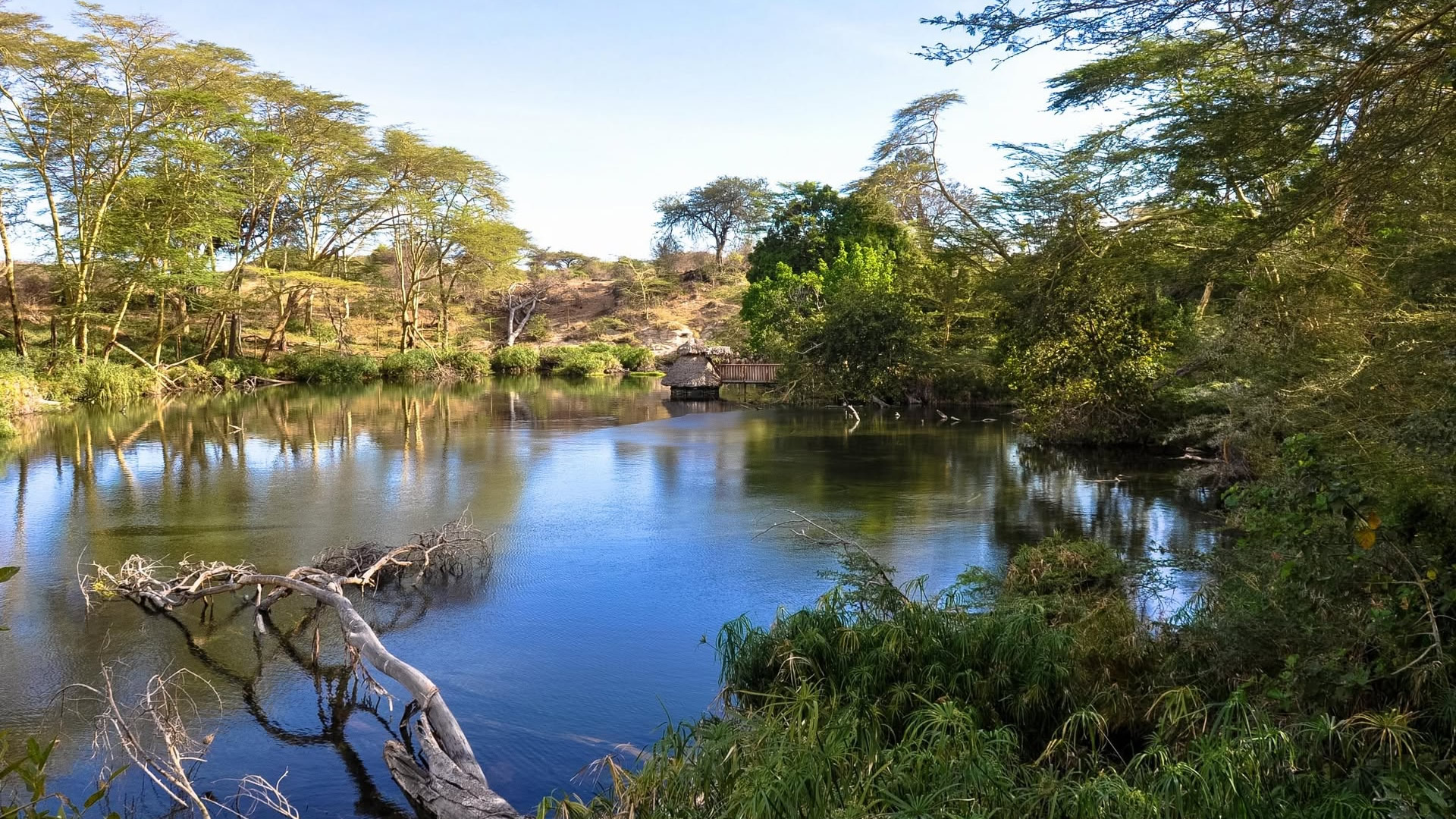
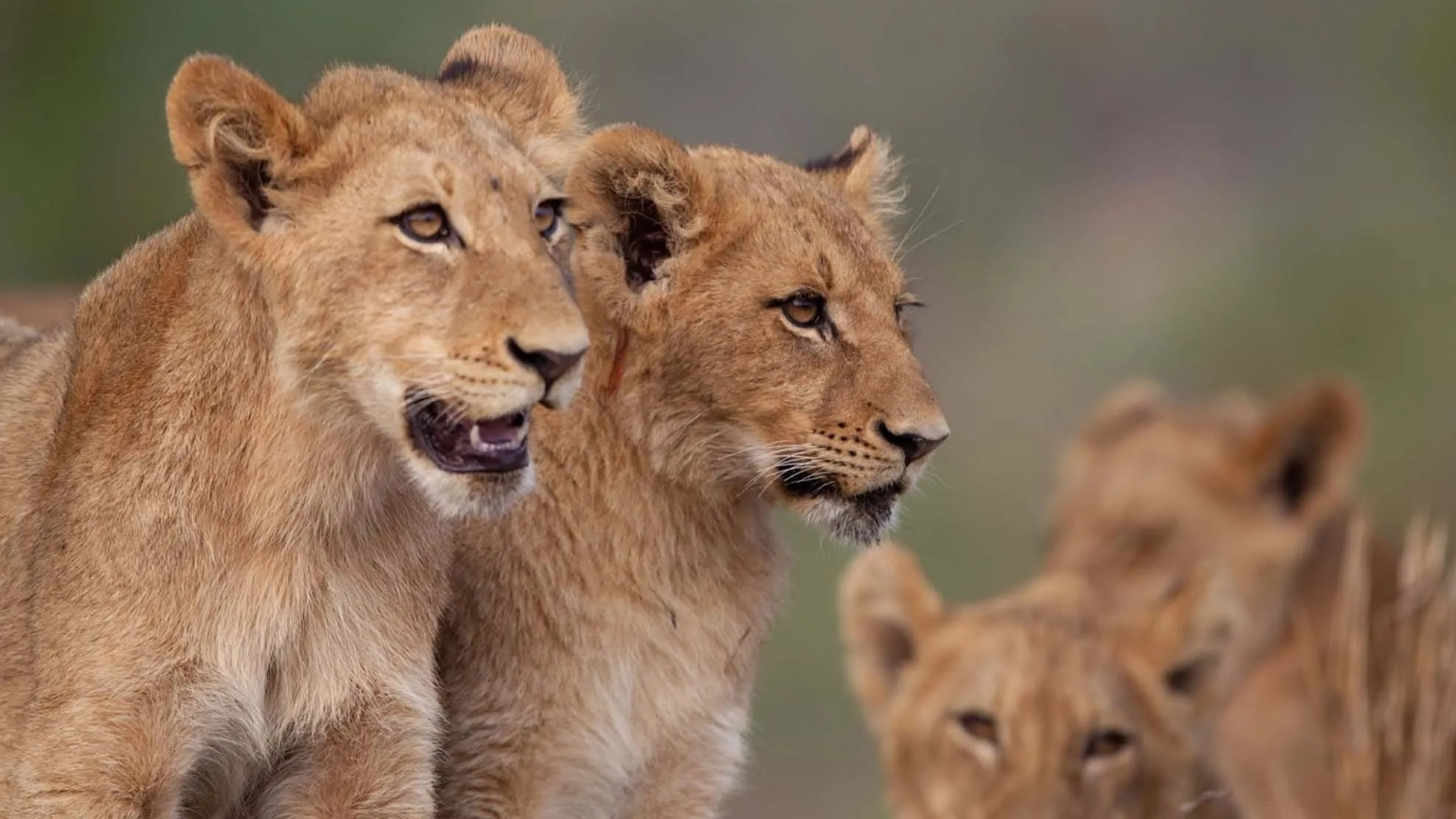
Mzima Springs are a series of natural freshwater pools within Tsavo West, fed by an underground aquifer originating in the Chyulu Hills some 50 kilometres away. Rainwater filters through porous volcanic rock for approximately 25 years before emerging here at a rate of 50 million litres per day. The water is so clear that hippos, crocodiles, and fish can be observed from an underwater glass observation chamber — one of only a handful of such facilities anywhere in Africa.
Tsavo West is hillier, greener, and more geologically varied. Its landscape includes volcanic craters, lava flows, mountain ridges, underground springs, and dense nyika bush — whereas Tsavo East is predominantly flat, open, and semi-arid with vast red-earth plains. Game-viewing in Tsavo West can be more challenging due to the denser vegetation, but the scenic reward is greater. Many itineraries combine both parks for a full contrast of terrain and atmosphere.
Yes — visitors can stop at the Shetani Lava Flow viewpoint and walk across the surface of the solidified lava. The rock is sharp and uneven, so sturdy, closed-toe shoes are essential. The flow covers several square kilometres and includes caves formed by gas pockets in the cooling lava. The name "Shetani" means "devil" in Swahili — local Maasai and Taita oral tradition attributes the eruption to a demon emerging from the ground, and the site retains a powerful, otherworldly atmosphere.
Each October and November, millions of Palearctic migratory birds — predominantly warblers, thrushes, and flycatchers — pass over the Ngulia Hills on their nocturnal journey south. On misty, overcast nights, the birds are attracted to the lights of Ngulia Safari Lodge and gather in their thousands. Since 1969, ornithologists have operated a bird-ringing station at the lodge, making it one of the longest-running and most significant migratory bird studies in Africa. It is an extraordinary event for serious birders.
Two nights (three days) is ideal for Tsavo West alone — enough for a full game-drive circuit, a visit to Mzima Springs and the Shetani Lava Flow, and time in the Ngulia Rhino Sanctuary. If combining both Tsavos, a three-night itinerary splitting between the two parks gives you the broadest experience. Adding Amboseli to create a four- or five-night southern-circuit itinerary is one of the most popular and rewarding multi-park routes in Kenya.
Non-resident adult entry fees are currently USD 52 per person per day (24-hour period), with children aged 3–17 paying USD 26. Fees are payable via the KWS Smart Card system. A separate fee applies if you also visit Tsavo East. All park fees on Kuldip's Touring Company safari packages are included in the quoted price.
Absolutely — this is one of Kenya's classic safari combinations. The overland transfer from Tsavo West to Amboseli via the Chyulu Gate and Kimana corridor takes approximately 3 to 4 hours through scenic Maasai ranchland. The journey itself is a game drive of sorts, with wildlife often visible along the route. The contrast between Tsavo West's volcanic landscapes and Amboseli's Kilimanjaro-framed plains makes the combination visually and ecologically compelling.
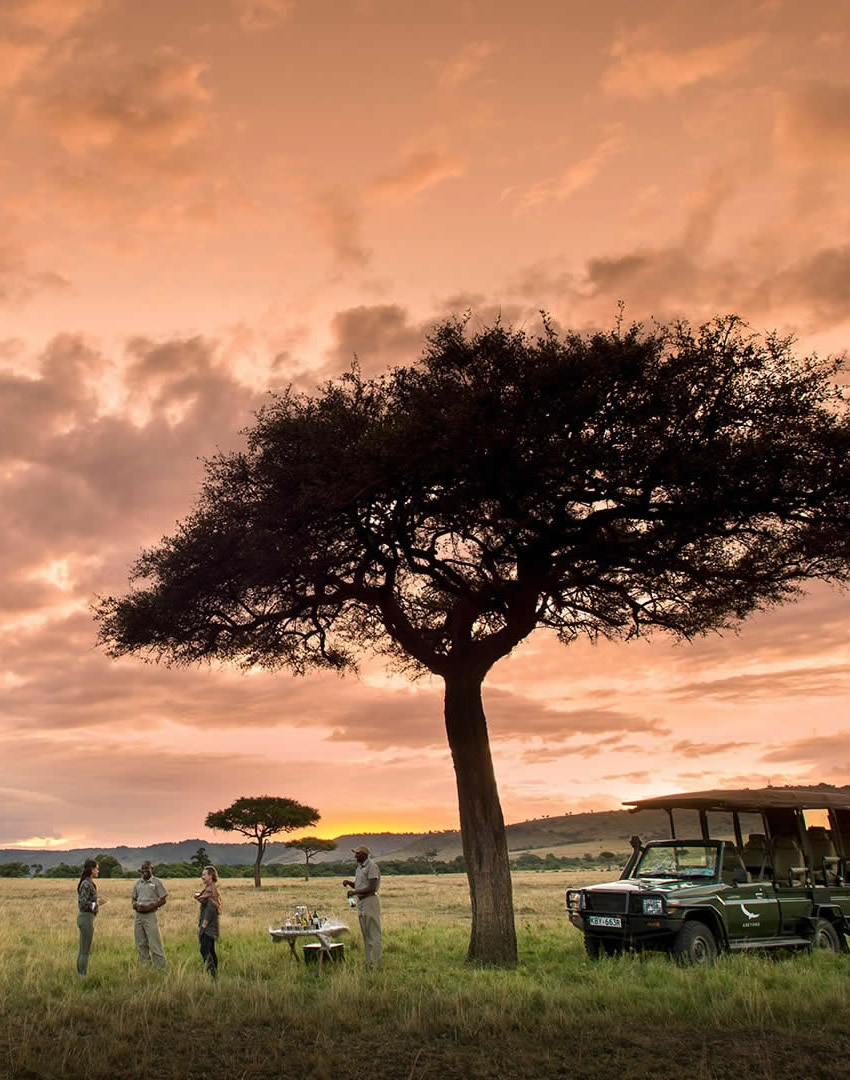
Kenya's most celebrated reserve and the northern stage of the Great Wildebeest Migration. Vast open grasslands deliver exceptional big cat sightings year-round.
Explore the Mara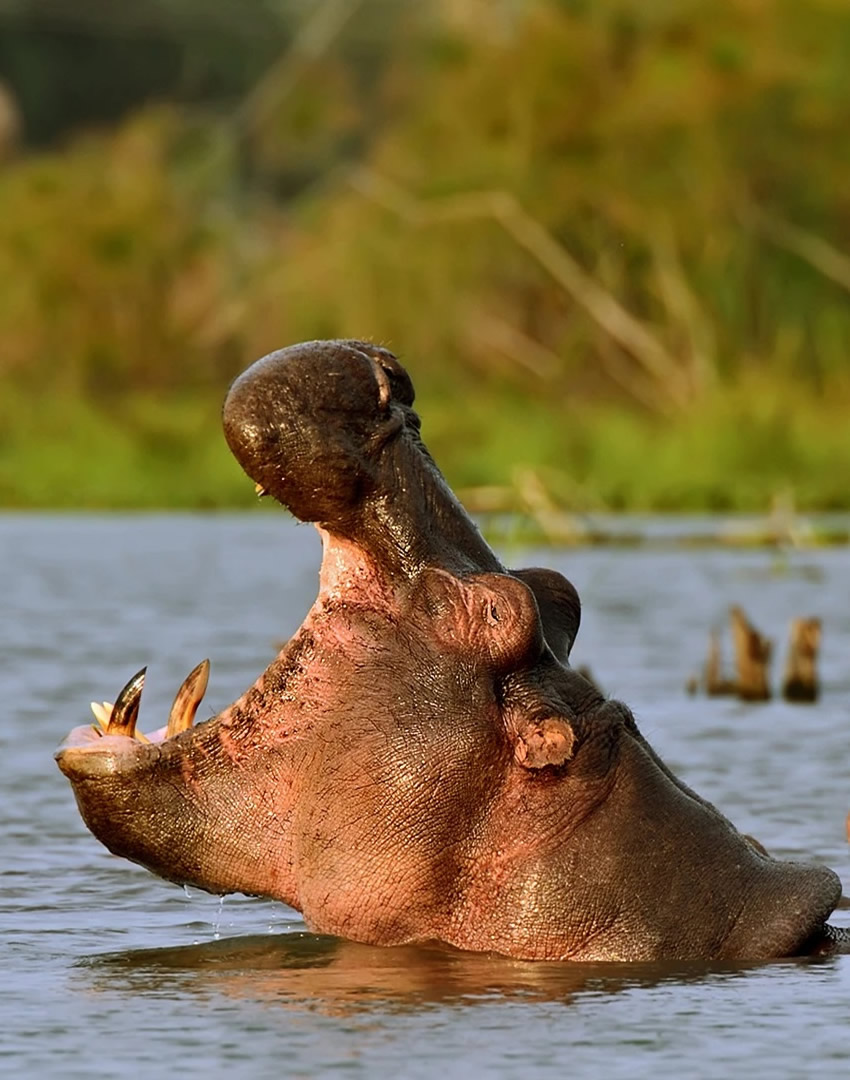
A soda lake fringed by millions of flamingos and surrounded by a compact national park that shelters both black and white rhino.
Explore Nakuru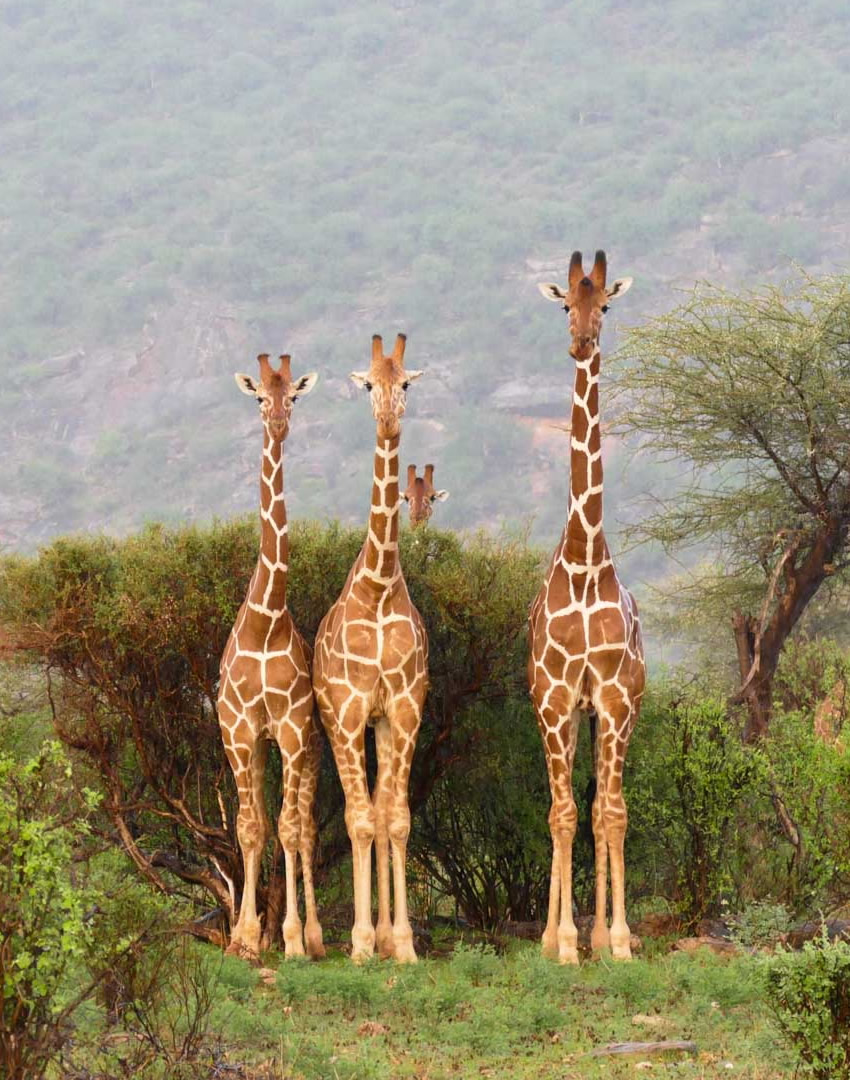
An arid wilderness bisected by the Ewaso Nyiro river, home to the famous Special Five — Grevy's zebra, reticulated giraffe, Somali ostrich, gerenuk and Beisa oryx.
Explore Samburu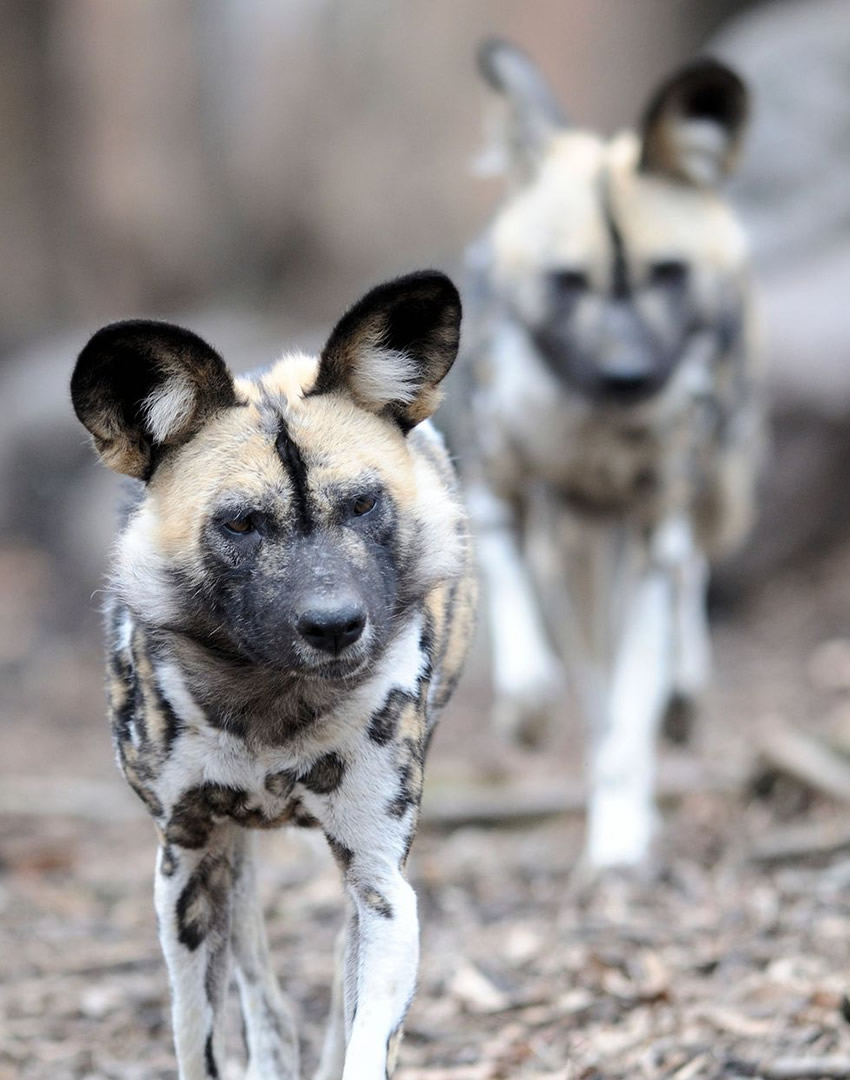
Made famous by Joy Adamson's Born Free story, Meru is a lush, under-visited wilderness of palm-lined rivers, dense bush and open grassland.
Explore Meru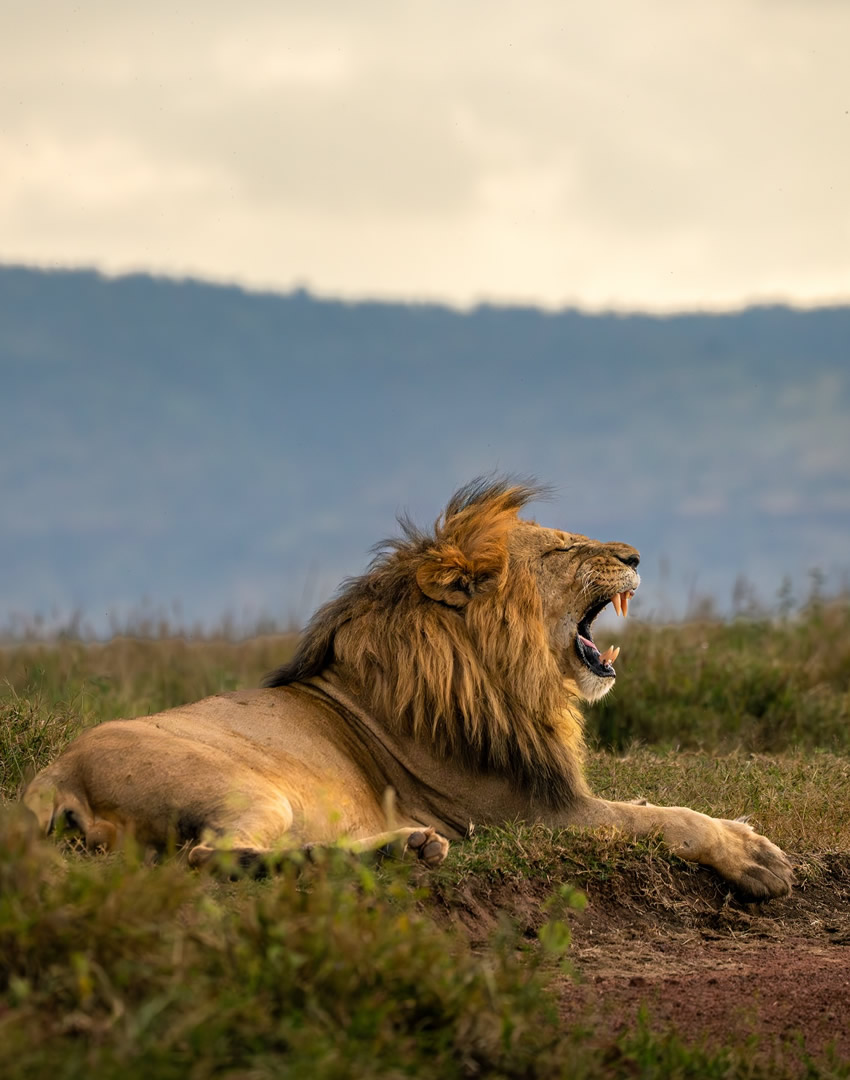
A private conservancy at the foot of Mount Kenya and one of Africa's greatest conservation success stories with exceptional rhino sightings.
Explore Lewa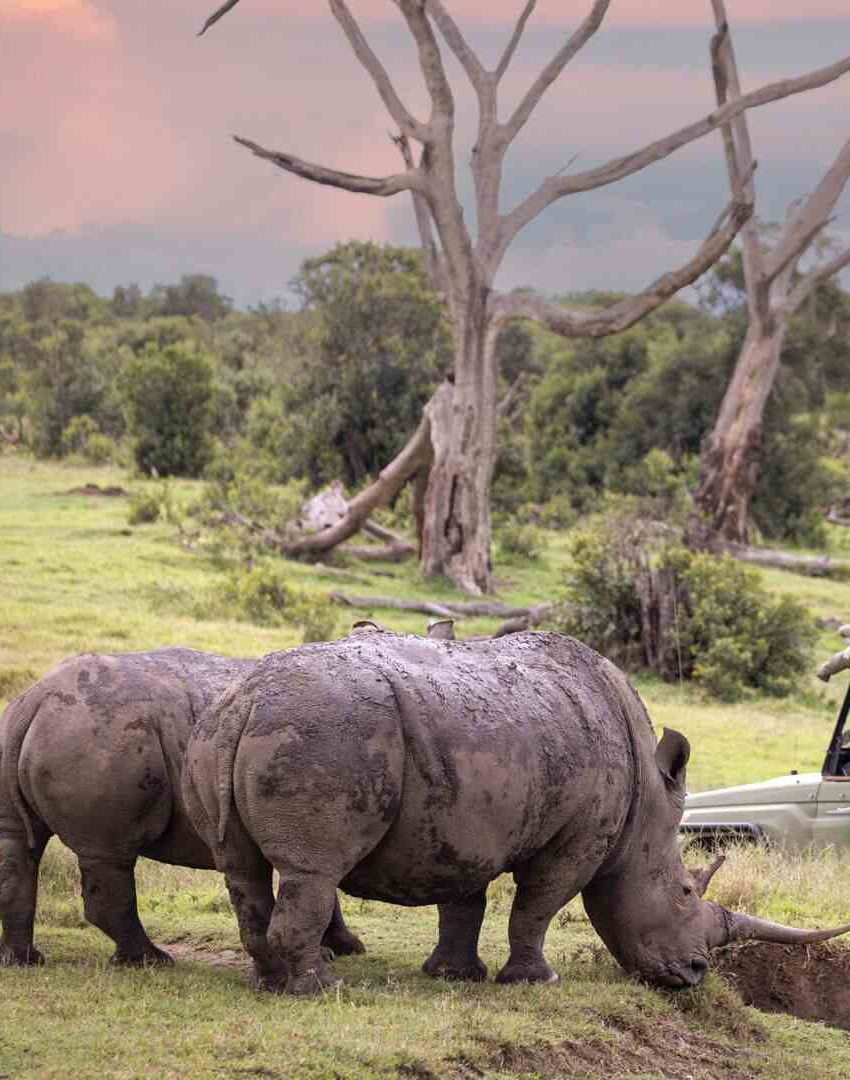
East Africa's largest black rhino sanctuary and home to the world's last two northern white rhinos. Big Five game drives and night drives.
Explore Ol Pejeta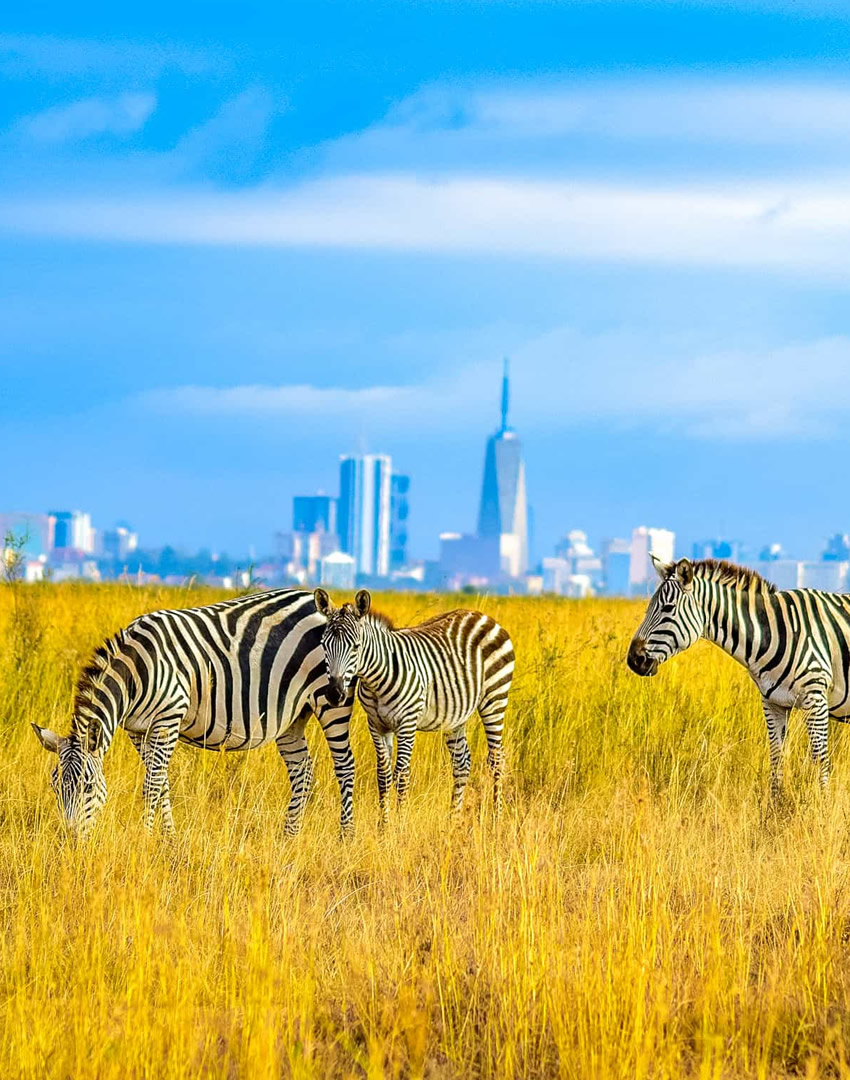
The only national park in the world set against a capital-city skyline. Lions, rhinos, buffalos and giraffes roam with Nairobi's towers rising behind them.
Explore Nairobi NP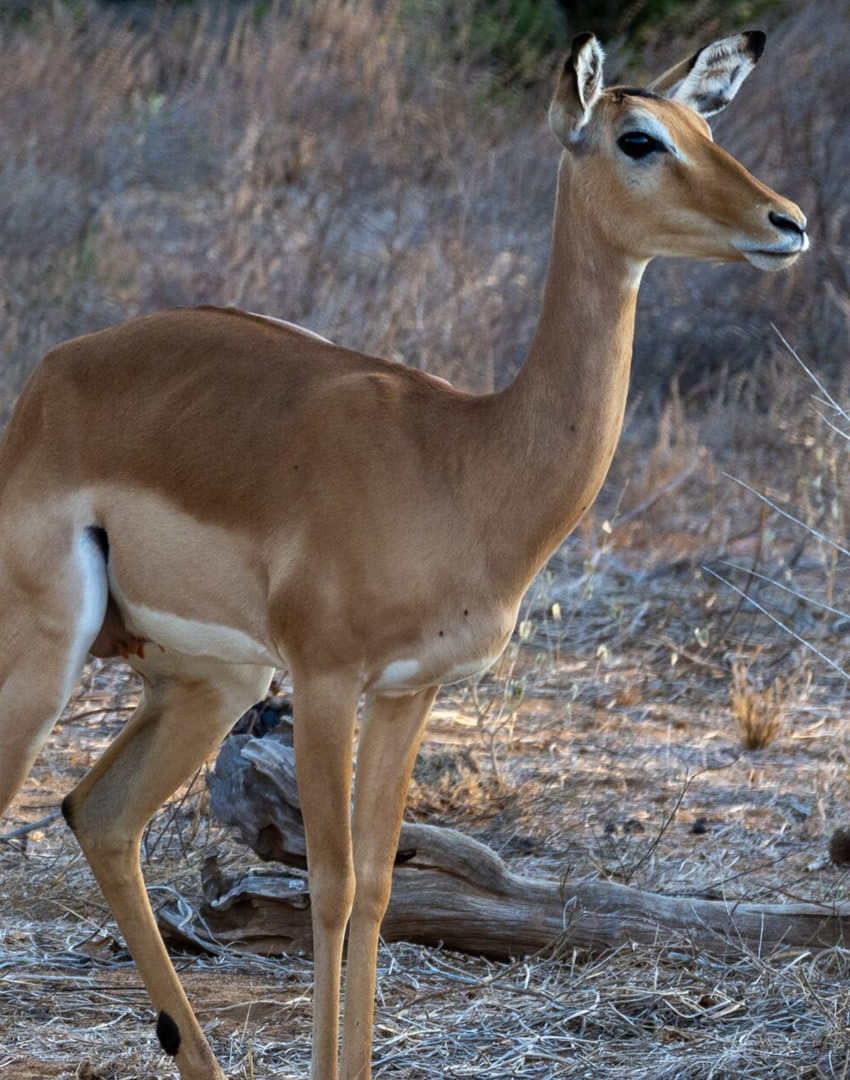
Kenya's largest national park — a vast, rust-coloured wilderness where elephants coat themselves in red laterite soil and maneless lions patrol the plains.
Explore Tsavo EastA dramatic landscape of ancient lava flows, rocky outcrops and dense woodland, centred around the crystal-clear Mzima Springs.
Explore Tsavo West