
Born Free country — a lush, river-laced wilderness east of Mount Kenya where pristine bush, rare wildlife, and an almost total absence of other visitors make every game drive feel like a private expedition.
Meru National Park covers 870 square kilometres of lush, river-crossed wilderness on the eastern slopes of Mount Kenya, in Meru County. It was here, in the 1950s and 60s, that Joy and George Adamson raised the lioness Elsa and released her back into the wild — a story told in the book and film Born Free that helped ignite the modern wildlife conservation movement. Elsa's grave remains in the park, a quiet pilgrimage point on the banks of the Ura River.
What makes Meru remarkable is its water. Thirteen permanent rivers and countless seasonal streams flow through the park from the Nyambeni Hills and Mount Kenya, feeding dense riverine forest, doum palm galleries, swamps, and open grassland. This abundance of water supports an exceptional diversity of habitats within a single park — from thorny semi-arid bush in the east to rich green woodland in the west — and the wildlife that comes with it: elephant, lion, leopard, cheetah, buffalo, hippo, lesser kudu, reticulated giraffe, Grevy's zebra, and the northern species shared with neighbouring Samburu.
After a period of decline due to poaching in the late 1980s, Meru has been comprehensively restored. The Meru–Mwea National Reserve complex now includes the Meru Rhino Sanctuary — a fenced, intensively protected enclosure within the park where over 90 white and black rhinos thrive. Today, Meru is one of Kenya's most rewarding and least-visited major parks, offering genuine wilderness and Big Five game-viewing without the crowds.
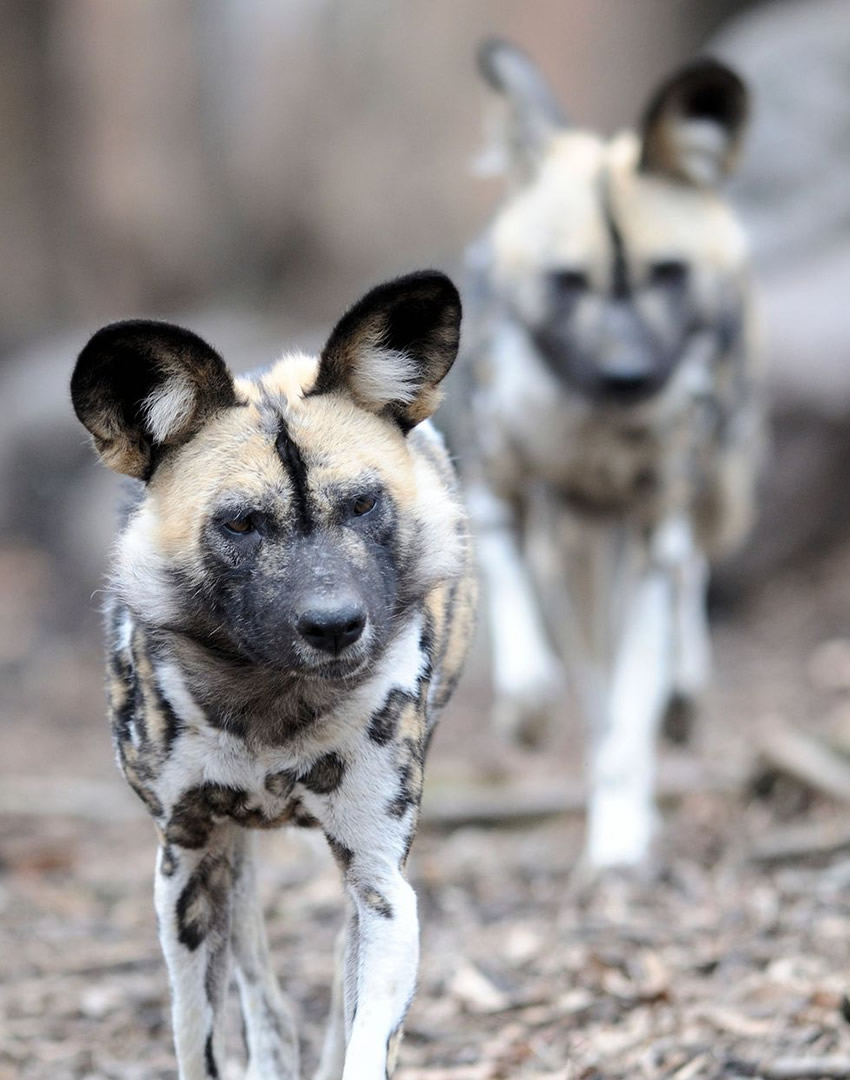
Pristine rivers, rare species, and a sense of solitude that Kenya's marquee parks can no longer offer.
Meru is where the Adamsons raised and released Elsa the lioness — a story that reshaped the world's relationship with wildlife. The park's literary and conservation heritage gives it a significance that transcends the game drive. Elsa's grave on the Ura River is a moving, reflective stop.
No other Kenyan park is as richly watered. Thirteen permanent rivers flow through Meru, creating green corridors of doum palm and riverine forest that cut through drier bush. The rivers concentrate wildlife, sustain diverse habitats, and give the park a lush character rare in East Africa's semi-arid north.
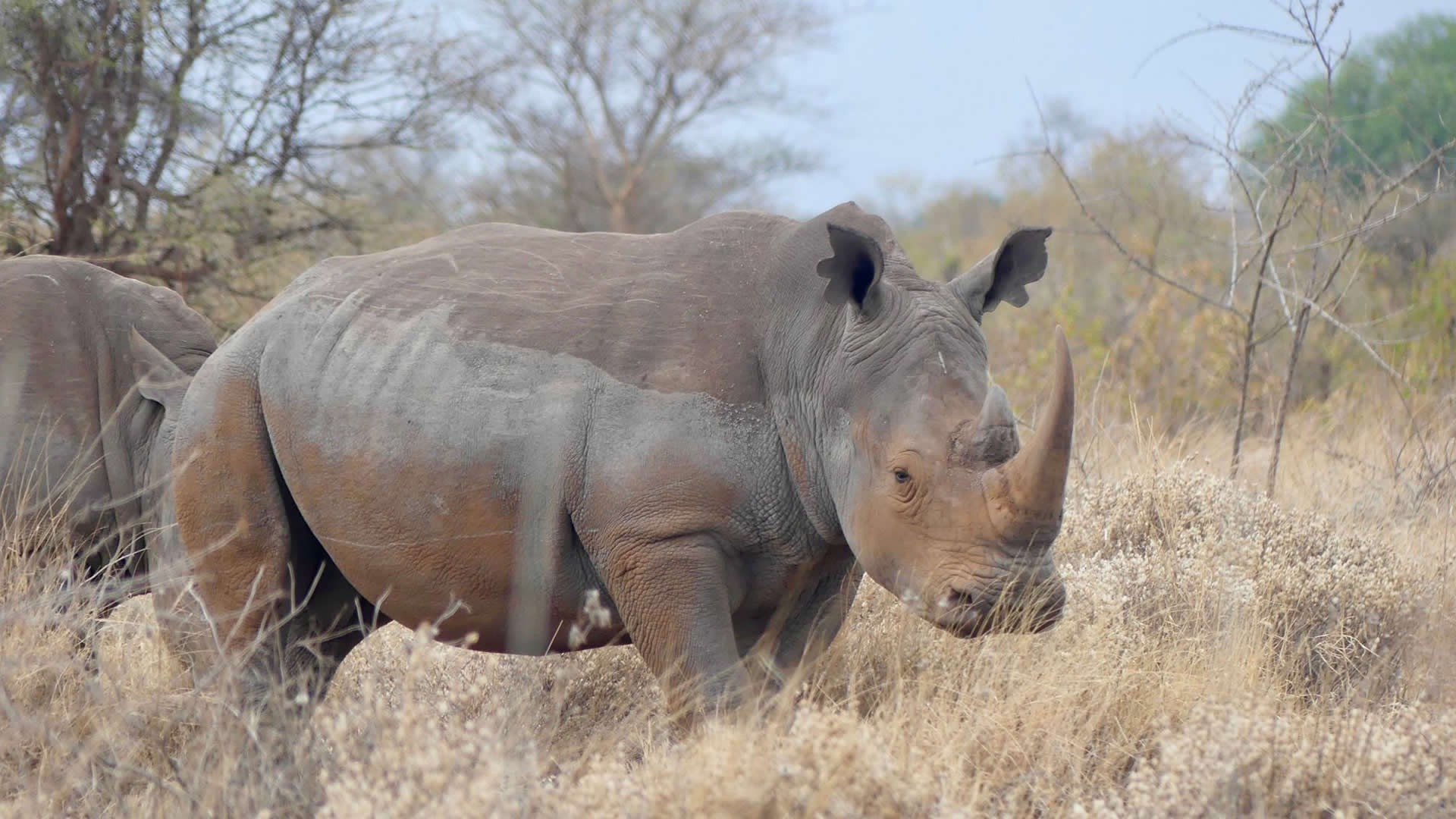
The Meru Rhino Sanctuary protects over 90 white and black rhinos within a fenced, heavily guarded enclosure inside the park. It is one of Kenya's most successful rhino recovery stories, and game drives within the sanctuary offer close, reliable sightings of both species.
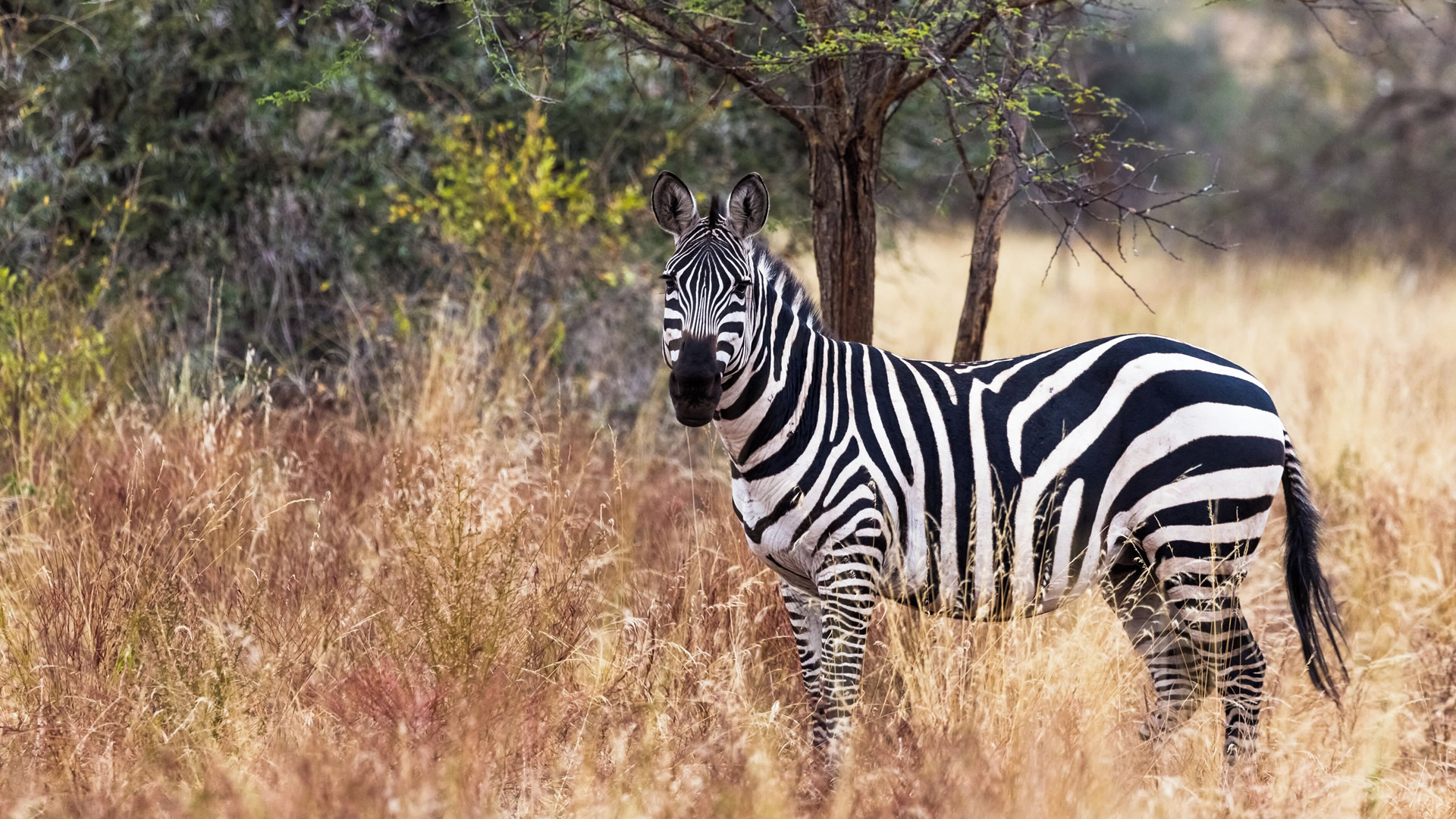
Meru sits on the transition zone between Kenya's northern and southern wildlife communities. Reticulated giraffe, Grevy's zebra, gerenuk, and lesser kudu share the park with Maasai giraffe, common zebra, and species more typical of the Mara or Amboseli — a crossroads of biodiversity.
Meru receives a fraction of the visitors that the Maasai Mara, Amboseli, or even Samburu see. It is entirely possible to spend an entire game drive without encountering another vehicle. For travellers who value wilderness and silence over well-trodden circuits, Meru is unmatched.
From the towering doum palms along the Tana River to the open grasslands below the Nyambeni Hills, Meru's landscape shifts constantly. Volcanic kopjes, swamps, dense bush, and open savannah create a visual variety that rewards every turn — and a backdrop that photographers find endlessly compelling.
Meru National Park lies in Meru County, approximately 350 kilometres north-east of Nairobi on the eastern slopes of Mount Kenya. The park's western boundary sits just 80 kilometres east of the mountain's peak, and the Nyambeni Hills — a long volcanic ridge — define its northern edge. The great Tana River, Kenya's longest, marks the park's southern boundary before flowing east towards the Indian Ocean.
Meru connects eastward to the Kora National Park and Bisanadi National Reserve, together forming a contiguous wilderness of over 4,000 km² — one of the largest protected areas in East Africa. The town of Meru lies approximately 75 kilometres to the north-west and serves as the primary access point, while Embu and Chogoria provide alternative routes from the south. Samburu National Reserve is roughly 120 kilometres to the north-west, making the two a natural pairing.
Rhino tracking, riverside game drives, and a pilgrimage to Elsa's grave — Meru offers experiences you won't find on the standard circuit.
Morning and afternoon drives along the rivers and through the park's varied bush. Elephant, lion, leopard, cheetah, buffalo, hippo, reticulated giraffe, and Grevy's zebra are all present — and with so few vehicles, every sighting belongs to you alone.
The fenced Meru Rhino Sanctuary, operated jointly by KWS and the International Fund for Animal Welfare, protects over 90 white and black rhinos. Game drives within the sanctuary are guided by dedicated rangers who know individual animals by sight.
A quiet, shaded spot on the banks of the Ura River marks the resting place of Elsa — the lioness whose story in Born Free changed the world's view of wildlife conservation. A simple stone cairn beneath a fig tree, it is both a memorial and a moment of reflection.
Over 427 species recorded — from the rare Pel's fishing-owl and Peter's finfoot along the rivers to the palm-nut vulture in the doum palm canopy. Meru's water-rich habitats attract species difficult to find elsewhere, making it a serious birding destination that rivals the better-known Rift Valley lakes.
Meru's thirteen rivers offer opportunities rare in Kenyan parks. Some lodges arrange guided walks along the Murera and Ura rivers, and the Tana River on the park's southern boundary supports catch-and-release fishing for barbel and tilapia — a safari activity found almost nowhere else.
Meru's visual diversity — doum palm avenues, volcanic kopjes, river crossings, and open plains — creates a landscape portfolio in a single park. The absence of other vehicles means wildlife is unhurried and undisturbed, producing natural, intimate compositions impossible in busier reserves.
Meru is accessible year-round, though its murram roads are best during dry months. The permanent rivers ensure wildlife concentrations regardless of season.
The best months for Meru. Park roads are firm and accessible, the reduced vegetation makes game-viewing easier, and animals concentrate along the permanent rivers. January and February are hot and clear; July to September is cooler and drier, with excellent conditions for the rhino sanctuary and longer drives into the park's remote eastern sectors.
Heavy rains can make some of Meru's murram roads challenging — 4x4 vehicles are essential, and some tracks may close temporarily. However, the park transforms into a green, flower-strewn landscape of extraordinary beauty. Migratory birds swell the species count, and the rivers — already permanent — run full and fast. Visitor numbers drop to near zero, and rates at the few open lodges are at their lowest.
A half-day journey from Nairobi — by air, by road through the highlands, or as an extension from Samburu.
Charter flights operate from Nairobi's Wilson Airport to Meru's Kinna or Mulika airstrips — approximately one hour's flight time. Scheduled flights can also be arranged via Samburu with a short connecting transfer. Lodge transfers from the airstrip are included in safari packages.
The drive from Nairobi to Meru takes approximately 5 to 6 hours via the A2 highway through Embu or via Nanyuki and Meru town. The tarmac road passes through the central highlands, skirting the eastern flanks of Mount Kenya. The final stretch from Meru town to the park gate is on good murram road.
Meru and Samburu are natural partners on a northern-circuit itinerary. The overland transfer takes approximately 3–4 hours through the arid lowlands south of Isiolo — or a short connecting flight of around 20 minutes. Two or three nights in each park creates a comprehensive exploration of Kenya's northern wilderness.
Doum palms, living rivers, and the wild, untouched bush that inspired Born Free.
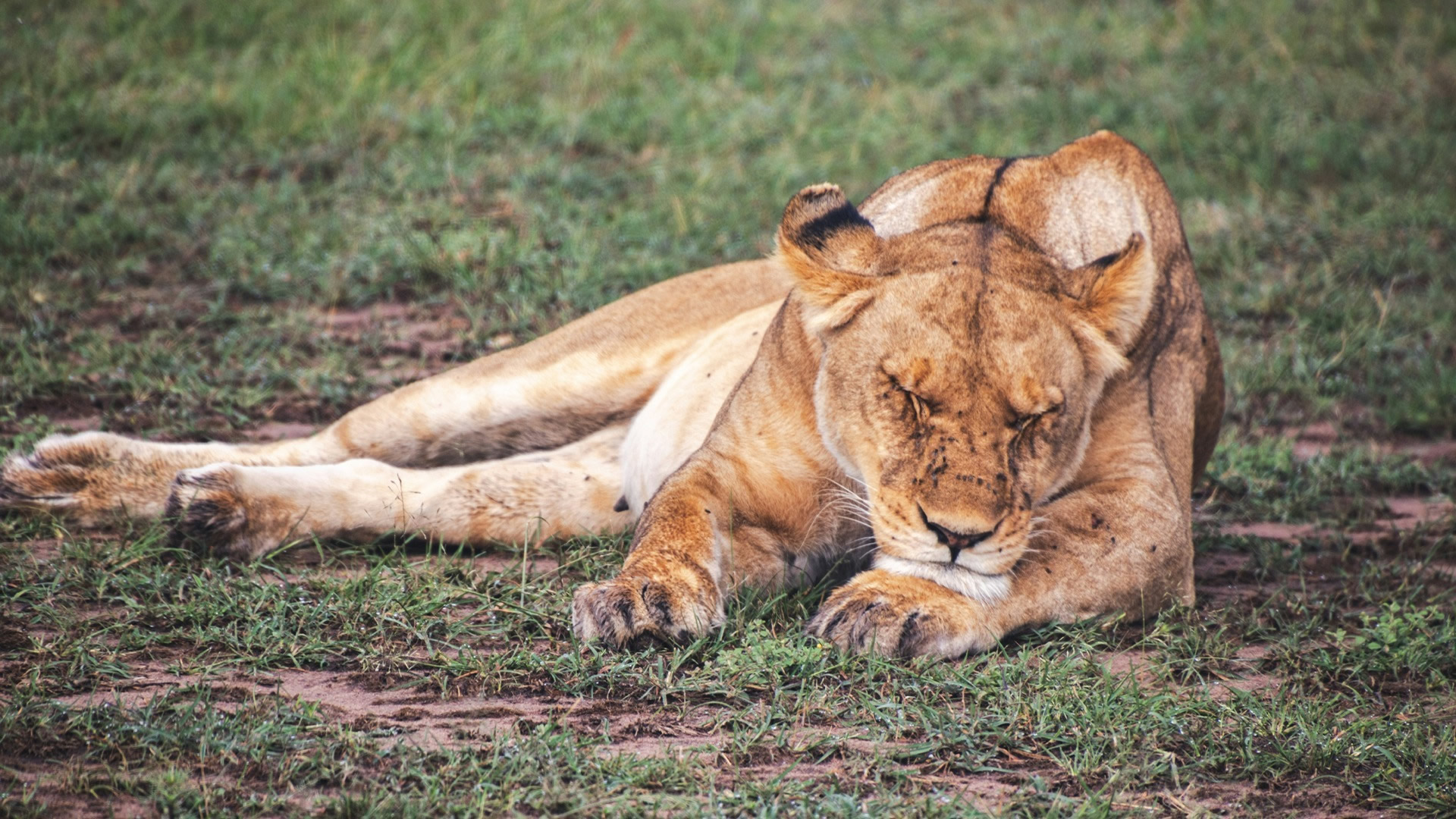
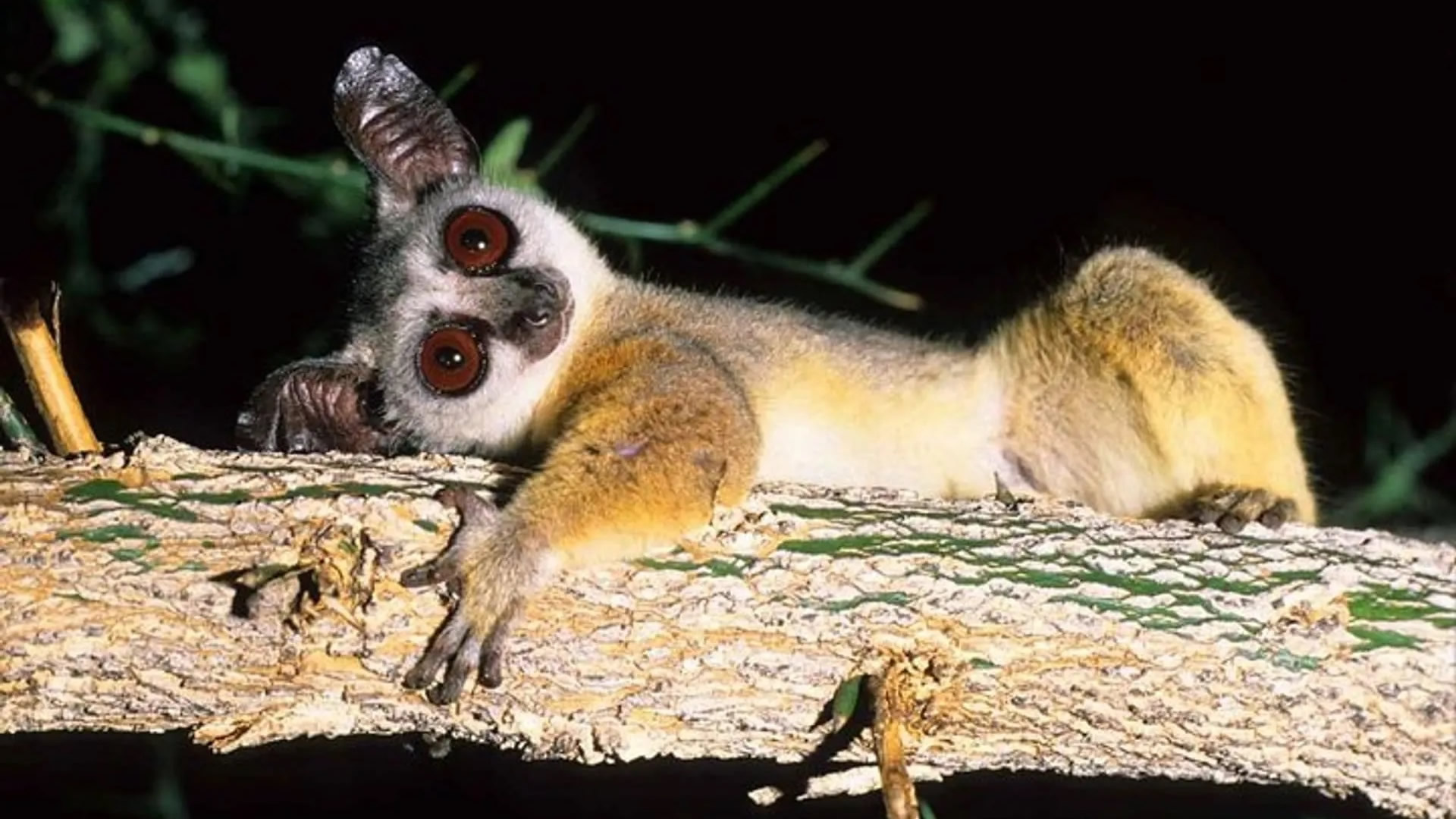
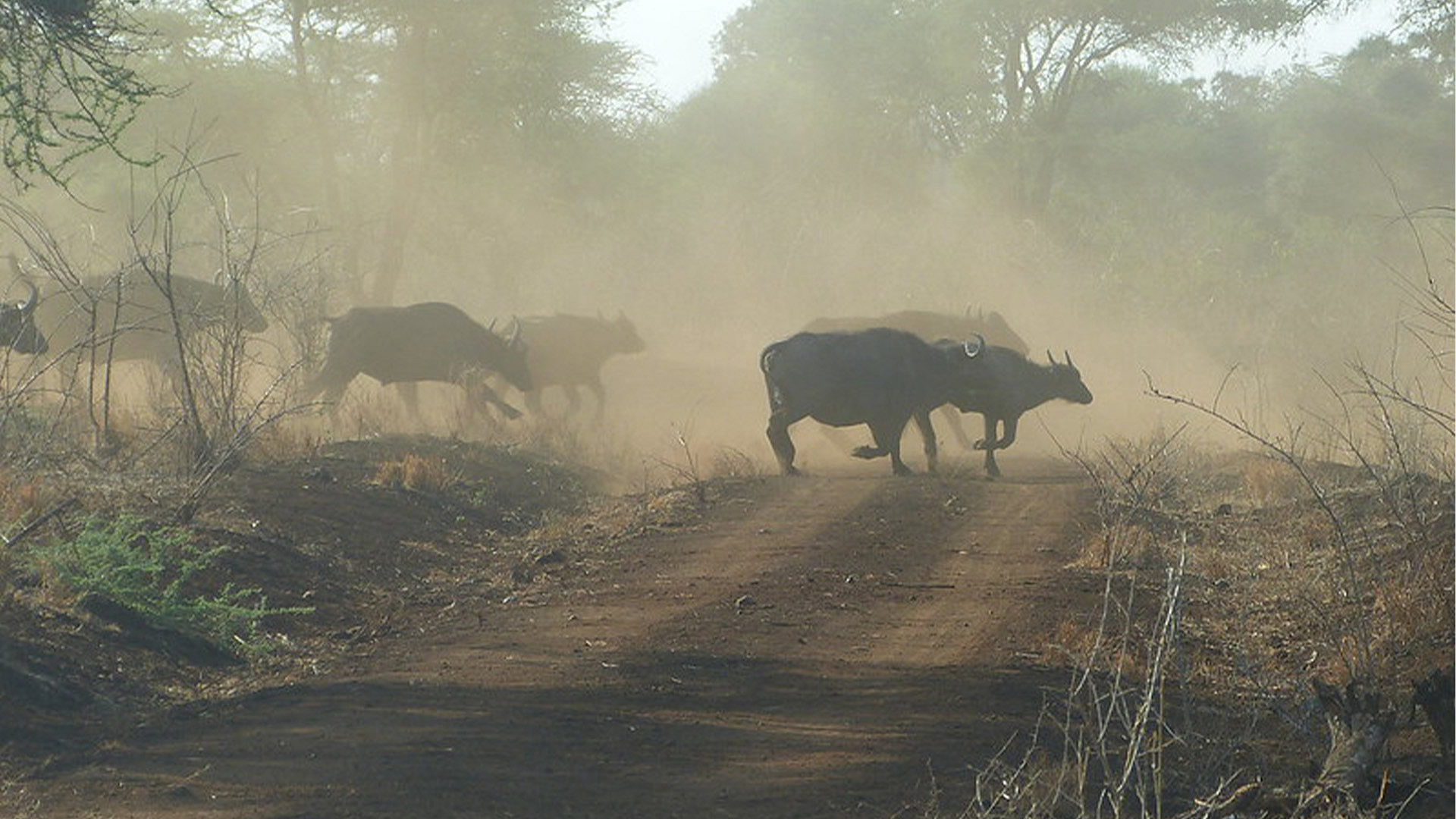
From exclusive fly-in experiences to northern-circuit overland itineraries pairing Meru with Samburu and the Laikipia Plateau.
Plan My Meru SafariMeru National Park is where George and Joy Adamson raised and rehabilitated Elsa, a rescued lion cub, before successfully releasing her back into the wild in the late 1950s. Joy's 1960 book Born Free and the subsequent 1966 film brought global attention to wildlife conservation and to Meru itself. Elsa's grave, marked by a simple stone cairn on the banks of the Ura River, remains a quiet, significant stop within the park. The Adamsons' camp site can also be visited.
Yes. Lion, leopard, elephant, and buffalo are all present throughout the park, and both black and white rhinos are protected within the Meru Rhino Sanctuary. The sanctuary is accessed on guided game drives with dedicated rangers. Meru is one of the few Kenyan parks where all five species can realistically be seen, though the low vehicle density and thick bush mean sightings require patience and skilled guiding — which is part of the appeal.
Meru is one of Kenya's most remote major parks. Accommodation options are limited — there are only a handful of lodges and tented camps — and visitor numbers are extremely low. It is not uncommon to spend an entire day without seeing another safari vehicle. This remoteness is Meru's greatest asset for those seeking genuine wilderness, but it also means that facilities, mobile phone coverage, and road conditions are more basic than in parks closer to Nairobi.
No — Meru's park roads are unpaved murram and black cotton soil tracks. A 4x4 vehicle with good ground clearance is essential at all times, and during or after rain some sections become impassable even for 4x4s. All Kuldip's safari vehicles are equipped for these conditions. If self-driving, confirm road status with KWS or your lodge before entering the park during the wet season.
Two nights (three days) is the recommended minimum — enough for four game drives, a visit to the rhino sanctuary, and a stop at Elsa's grave. Three nights allows a more exploratory pace, with time to reach the remote eastern sectors, spend longer at the rivers, and fully absorb the park's solitary atmosphere. Meru pairs naturally with Samburu (2–3 nights each) for a comprehensive northern Kenya itinerary.
Non-resident adult entry fees are currently USD 52 per person per day (24-hour period), with children aged 3–17 paying USD 26. Fees are payable via the KWS Smart Card system — your safari operator will arrange this in advance. All park fees on Kuldip's Touring Company safari packages are included in the quoted price.
Yes — this is one of the best northern-circuit combinations in Kenya. The overland transfer between the two parks takes approximately 3–4 hours via Isiolo, or a short charter flight of around 20 minutes. Both parks share several northern species (reticulated giraffe, Grevy's zebra, gerenuk) but differ markedly in landscape and atmosphere — Samburu's arid riverine drama contrasted with Meru's lush, palm-studded bush. Two or three nights in each creates a superb six-night itinerary.
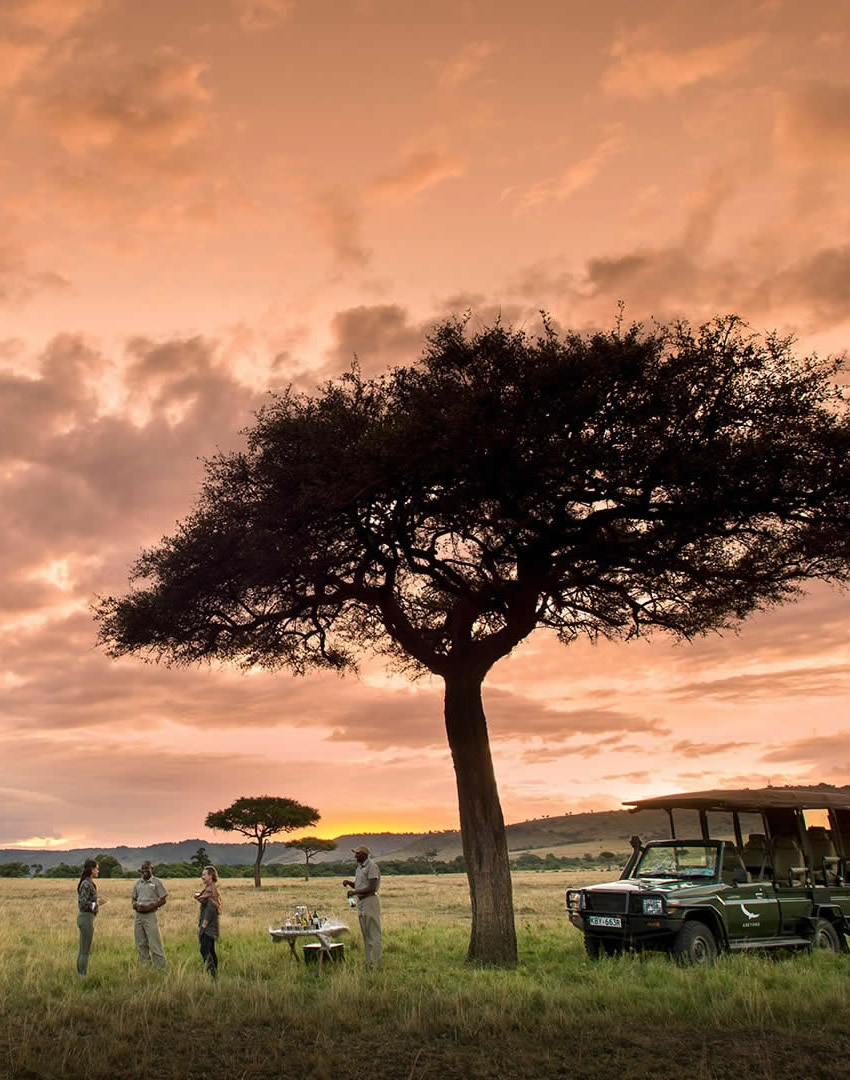
Kenya's most celebrated reserve and the northern stage of the Great Wildebeest Migration. Vast open grasslands deliver exceptional big cat sightings year-round.
Explore the Mara
A soda lake fringed by millions of flamingos and surrounded by a compact national park that shelters both black and white rhino.
Explore Nakuru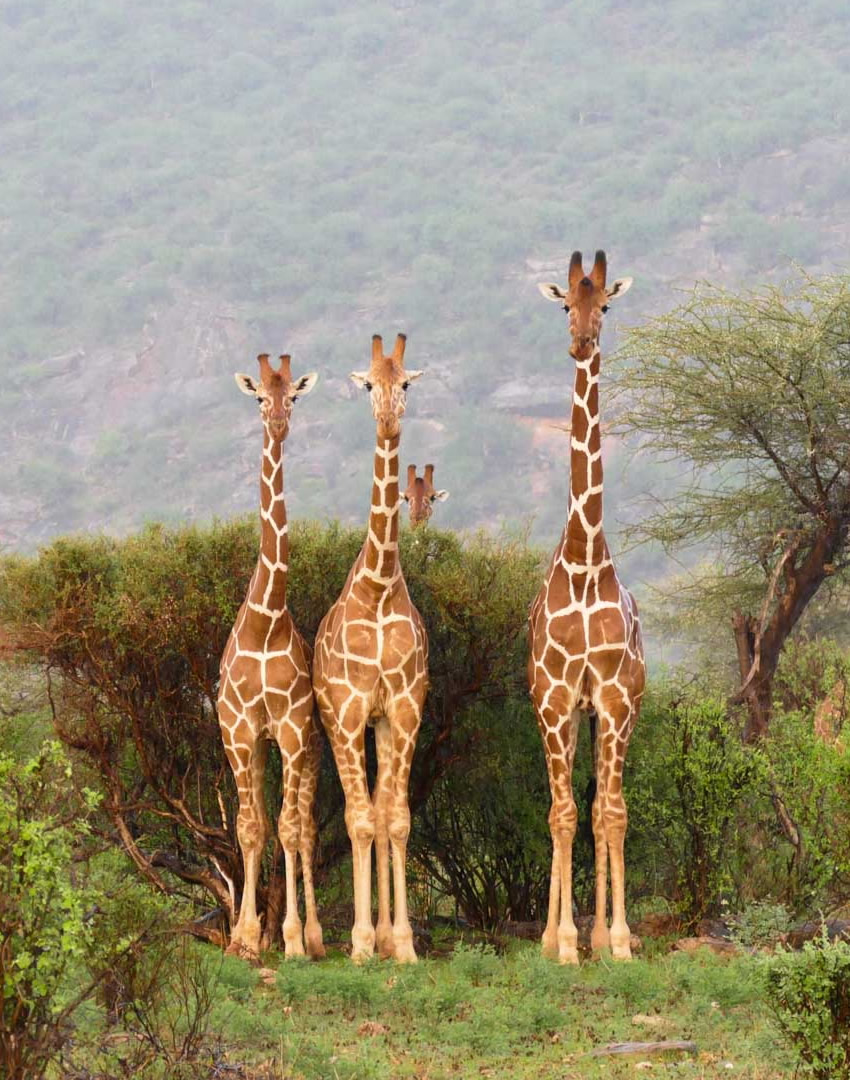
An arid wilderness bisected by the Ewaso Nyiro river, home to the famous Special Five — Grevy's zebra, reticulated giraffe, Somali ostrich, gerenuk and Beisa oryx.
Explore SamburuMade famous by Joy Adamson's Born Free story, Meru is a lush, under-visited wilderness of palm-lined rivers, dense bush and open grassland.
Explore Meru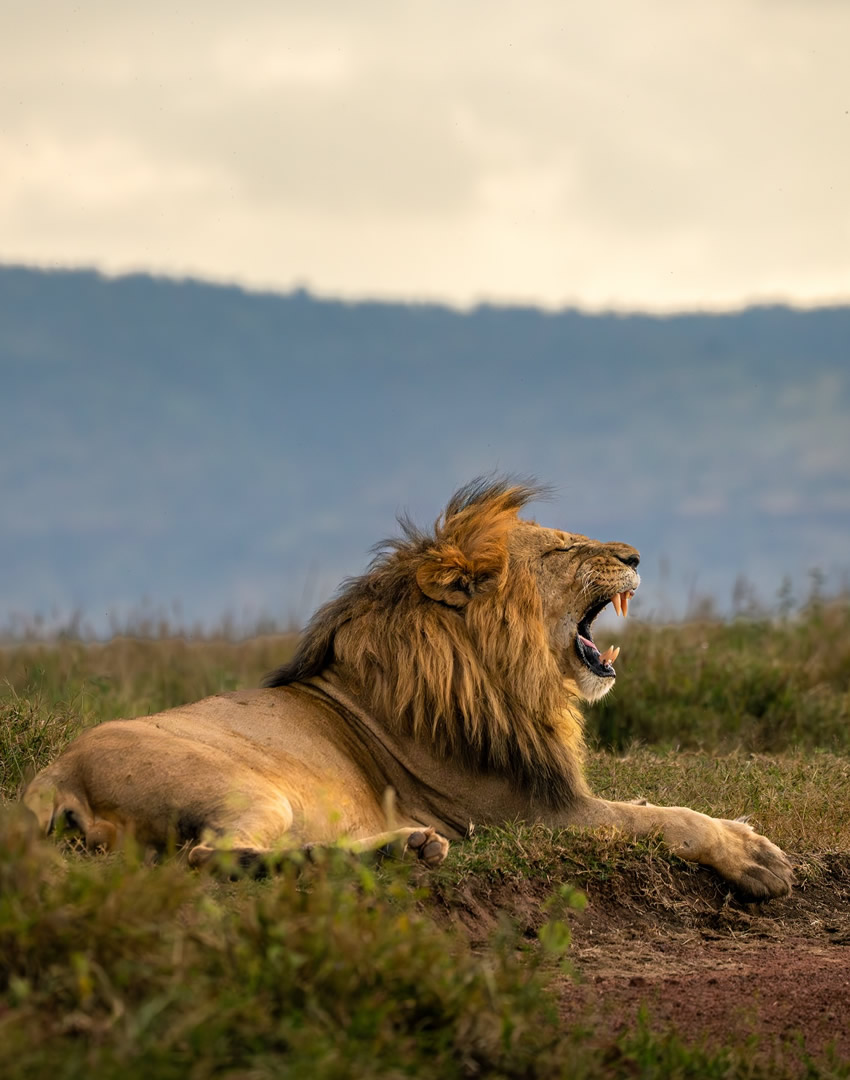
A private conservancy at the foot of Mount Kenya and one of Africa's greatest conservation success stories with exceptional rhino sightings.
Explore Lewa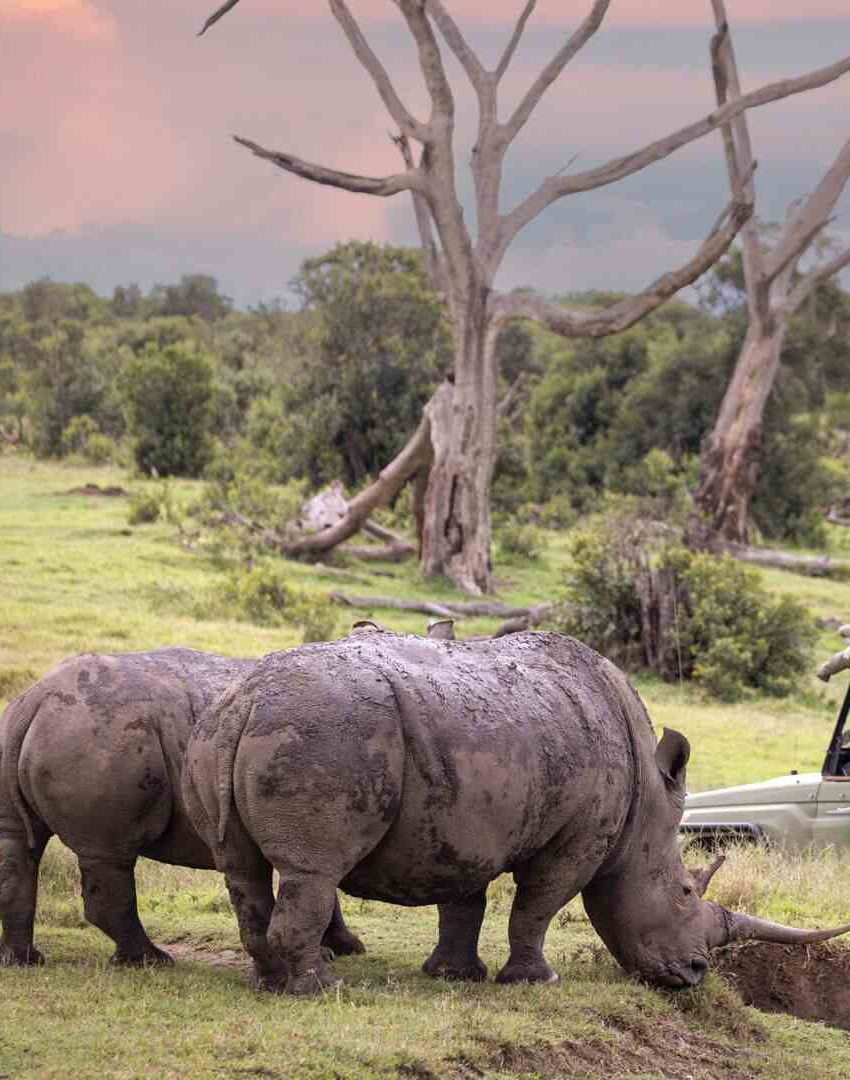
East Africa's largest black rhino sanctuary and home to the world's last two northern white rhinos. Big Five game drives and night drives.
Explore Ol Pejeta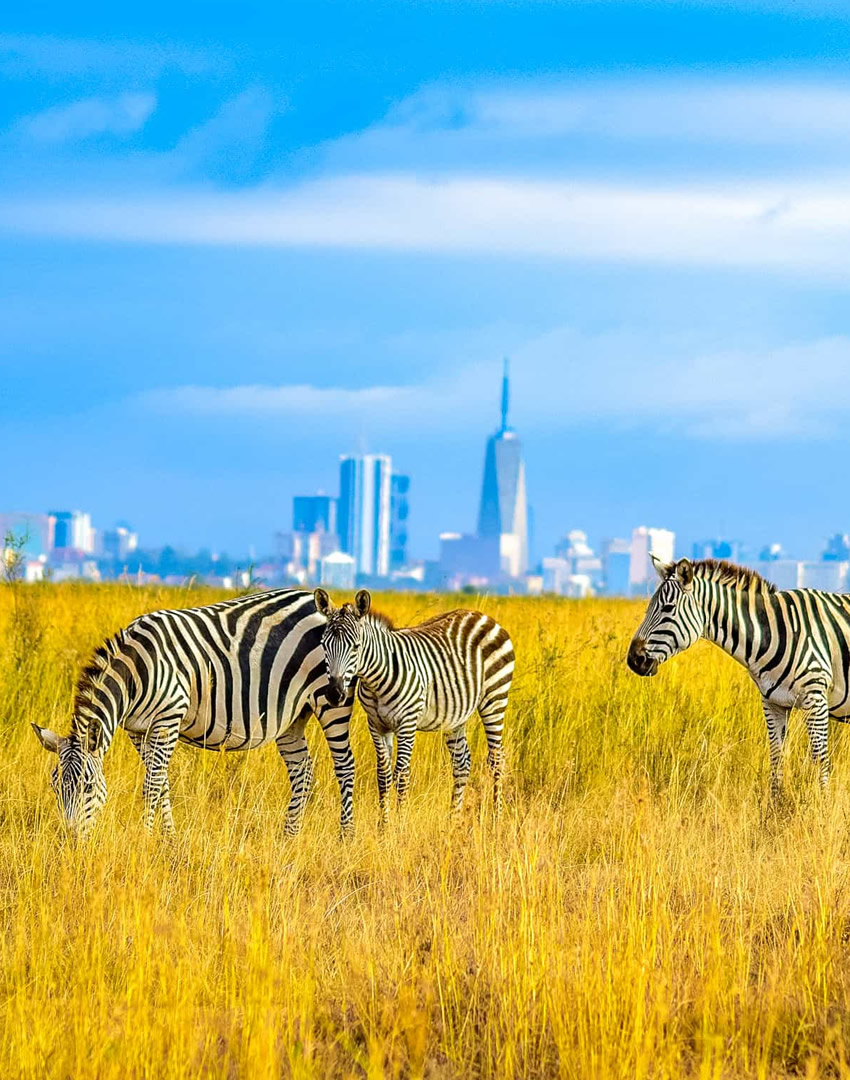
The only national park in the world set against a capital-city skyline. Lions, rhinos, buffalos and giraffes roam with Nairobi's towers rising behind them.
Explore Nairobi NP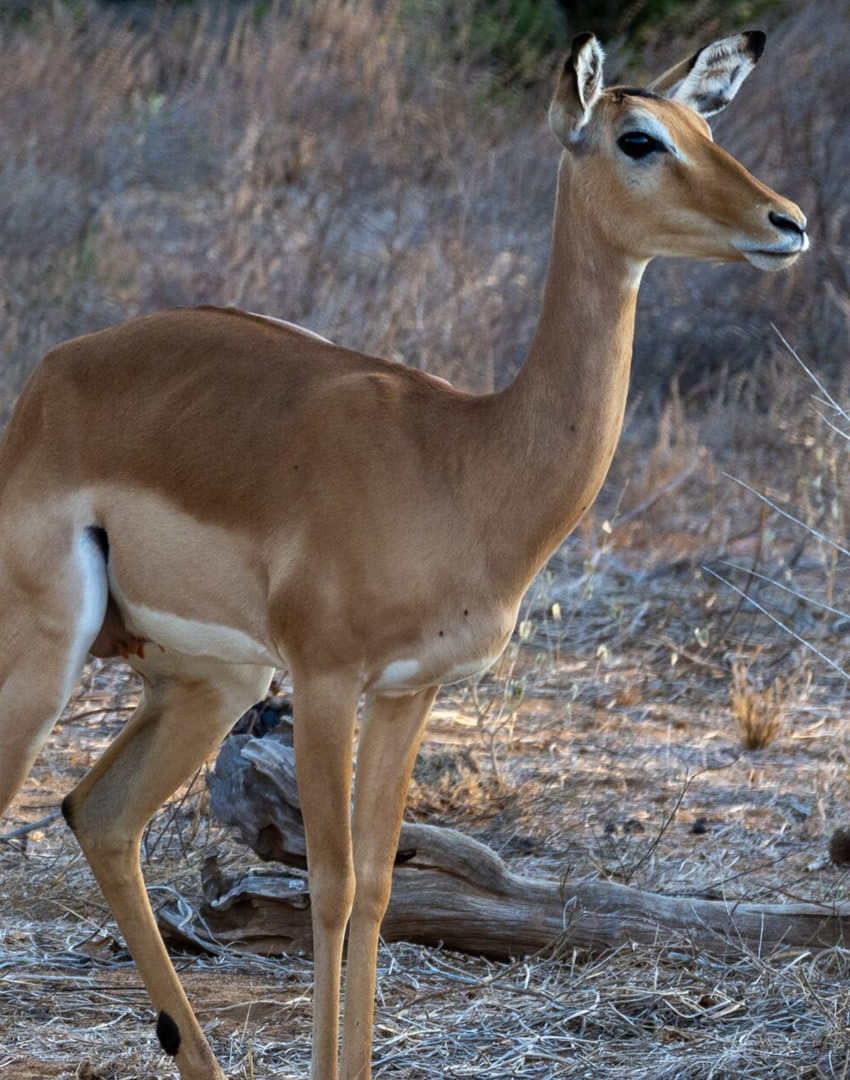
Kenya's largest national park — a vast, rust-coloured wilderness where elephants coat themselves in red laterite soil and maneless lions patrol the plains.
Explore Tsavo East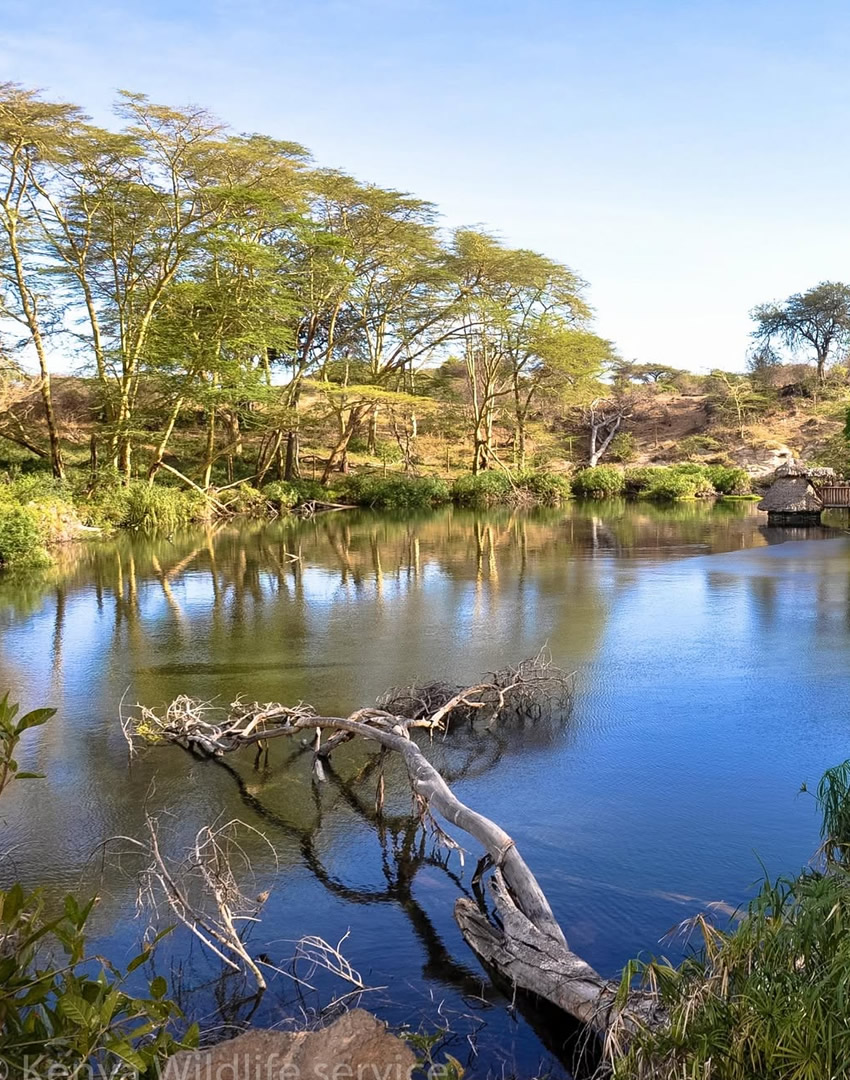
A dramatic landscape of ancient lava flows, rocky outcrops and dense woodland, centred around the crystal-clear Mzima Springs.
Explore Tsavo West