
Tanzania's smallest national park and the site of the most important primate study in history — a sliver of ancient forest on the shores of Lake Tanganyika where Jane Goodall's chimpanzees still live, still move in the same valleys, and still rewrite what we understand about ourselves.
On 14 July 1960, a 26-year-old Englishwoman named Jane Goodall arrived on the eastern shore of Lake Tanganyika and walked into the forested valleys of what was then the Gombe Stream Chimpanzee Reserve. She had no university degree, no formal training in primatology, and no guarantee that the wild chimpanzees she had come to observe would tolerate her presence. What followed — her discovery that chimpanzees make and use tools, hunt cooperatively, form complex social bonds, and display behaviours previously thought uniquely human — rewrote the definition of what it means to be human and launched the longest-running study of wild animals in history.
That study continues today. Gombe National Park — at just 52 square kilometres, the smallest national park in Tanzania — protects a narrow strip of mountainous forest descending from ridgelines at roughly 1,500 metres to the pebble beaches of Lake Tanganyika at 773 metres. Within this compact, steep terrain, three habituated chimpanzee communities (the Kasekela, Mitumba, and Kalande groups) are monitored daily by researchers from the Jane Goodall Institute. Some of the individuals in the Kasekela community are direct descendants of the chimpanzees Goodall named in the 1960s — Fifi's grandchildren, Freud's nephews, lineages that can be traced across six decades of field notes.
Gombe is not a conventional safari destination. There are no vehicles, no game drives, and no Big Five. This is a forest pilgrimage — steep trails through gallery forest and vine-tangled woodland, guided by trackers who know each chimpanzee by name. The reward is an encounter with our closest living relatives in the place where their behaviour was first truly understood. For many visitors, sitting on the forest floor while a chimpanzee community feeds, grooms, and plays in the canopy above is the single most profound wildlife experience of their lives.
The world's most famous chimpanzees, a scientific legacy spanning six decades, ancient forest, Lake Tanganyika, and an experience that changes perspectives permanently.
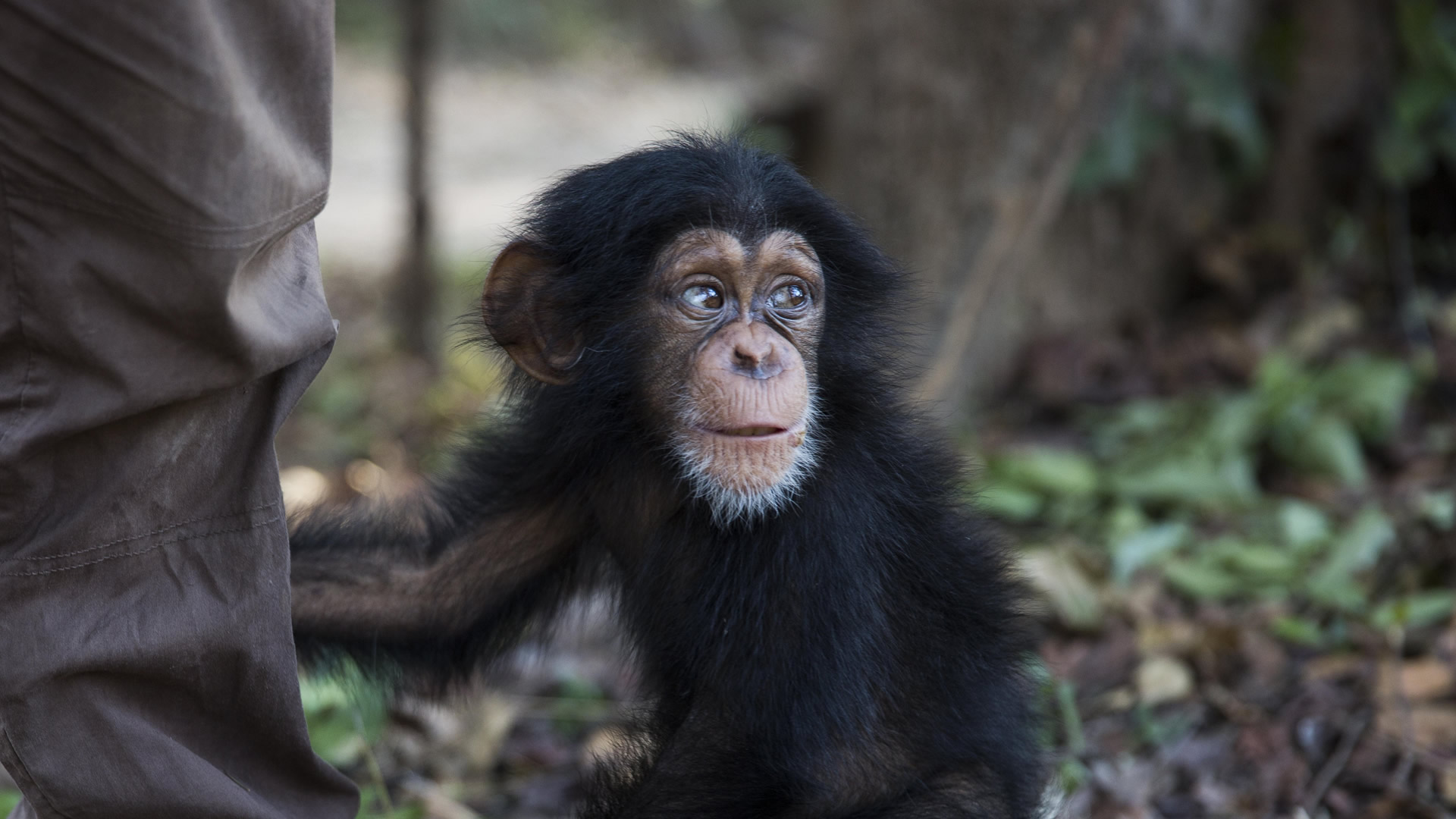
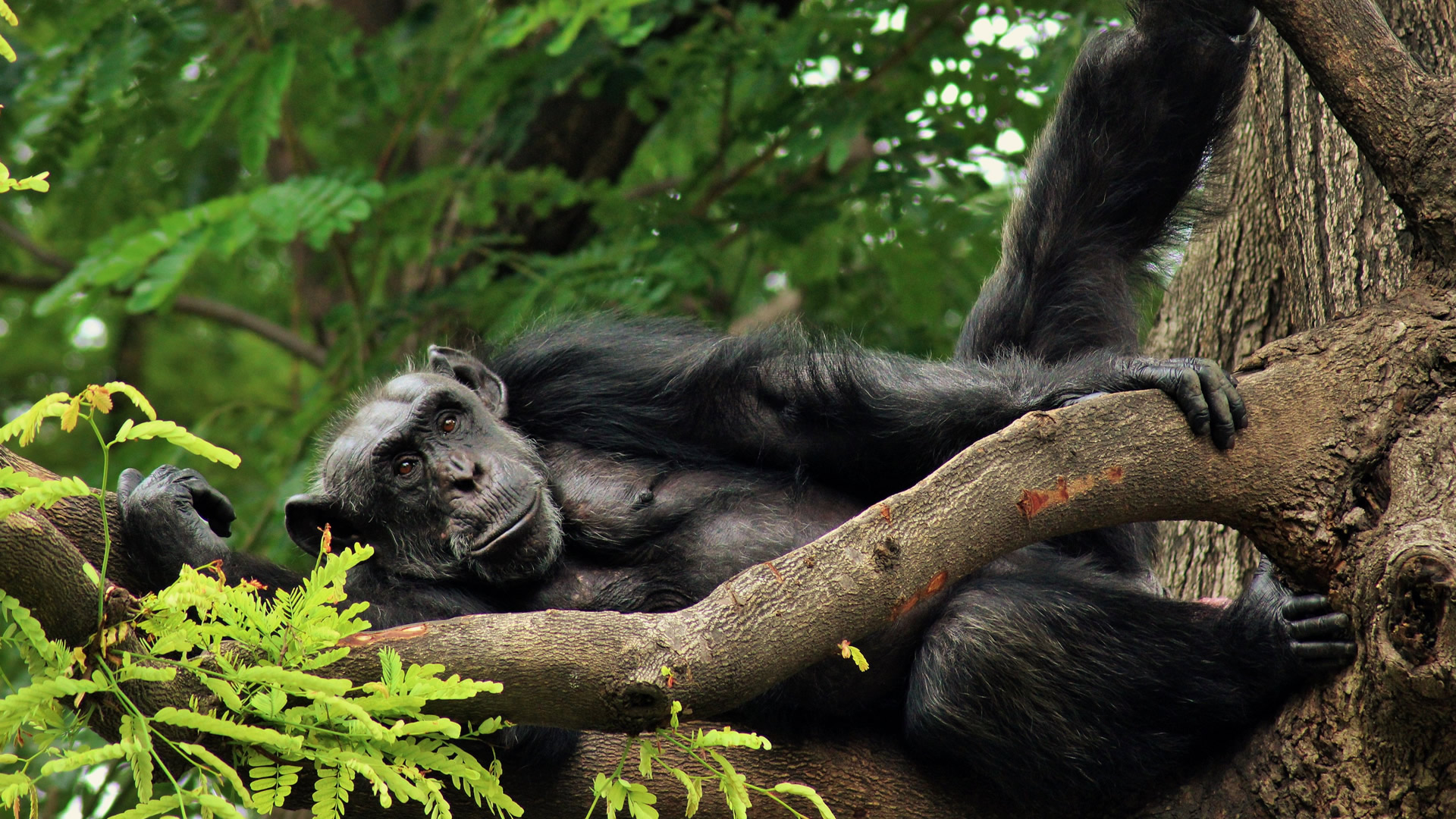
The chimpanzees of Gombe are the most studied wild primates on Earth. Six decades of continuous research have produced a record of individual lives — births, alliances, rivalries, losses, and discoveries — unmatched in the history of animal science. Trekking to meet the Kasekela or Mitumba communities is not simply a wildlife encounter; it is an encounter with the living subjects of a scientific revolution. The trackers know every individual's name, family history, and current social position.
Gombe's chimpanzees are deeply habituated — accustomed to human presence over generations. Encounters are not glimpses through distant foliage. You may sit for an hour or more within metres of a grooming cluster, watch a mother nurse an infant, observe adolescents play-wrestling in the branches, or witness the charged arrival of a high-ranking male. The guides allow the encounter to unfold at the chimps' pace, not yours. This intimacy is what makes Gombe different from larger chimp-trekking destinations.
For anyone who has read Goodall's work, seen her documentaries, or grown up knowing that chimpanzees use tools, Gombe is hallowed ground. The Kakombe Valley — where Goodall first observed David Greybeard fashioning a grass stem to fish for termites — is a short walk from the park headquarters. The research station that grew from her solitary camp remains active. Visiting Gombe places you inside the story that redefined the boundary between human and animal.
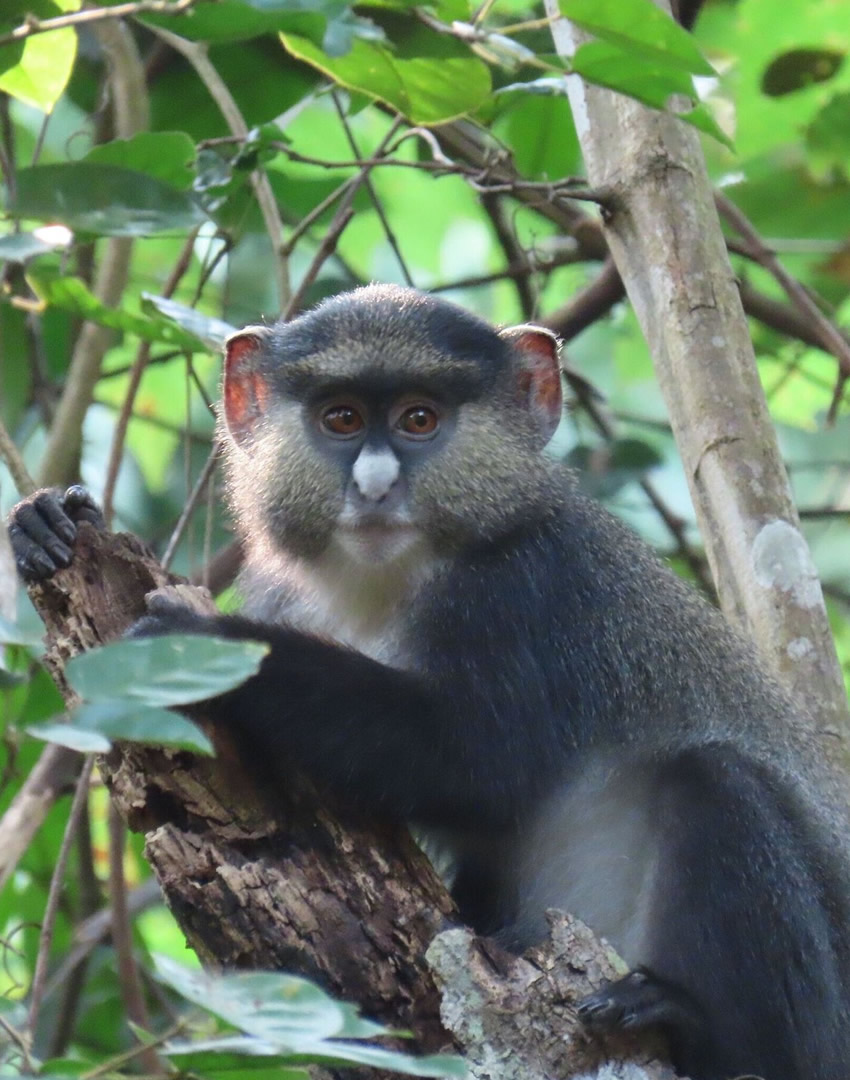
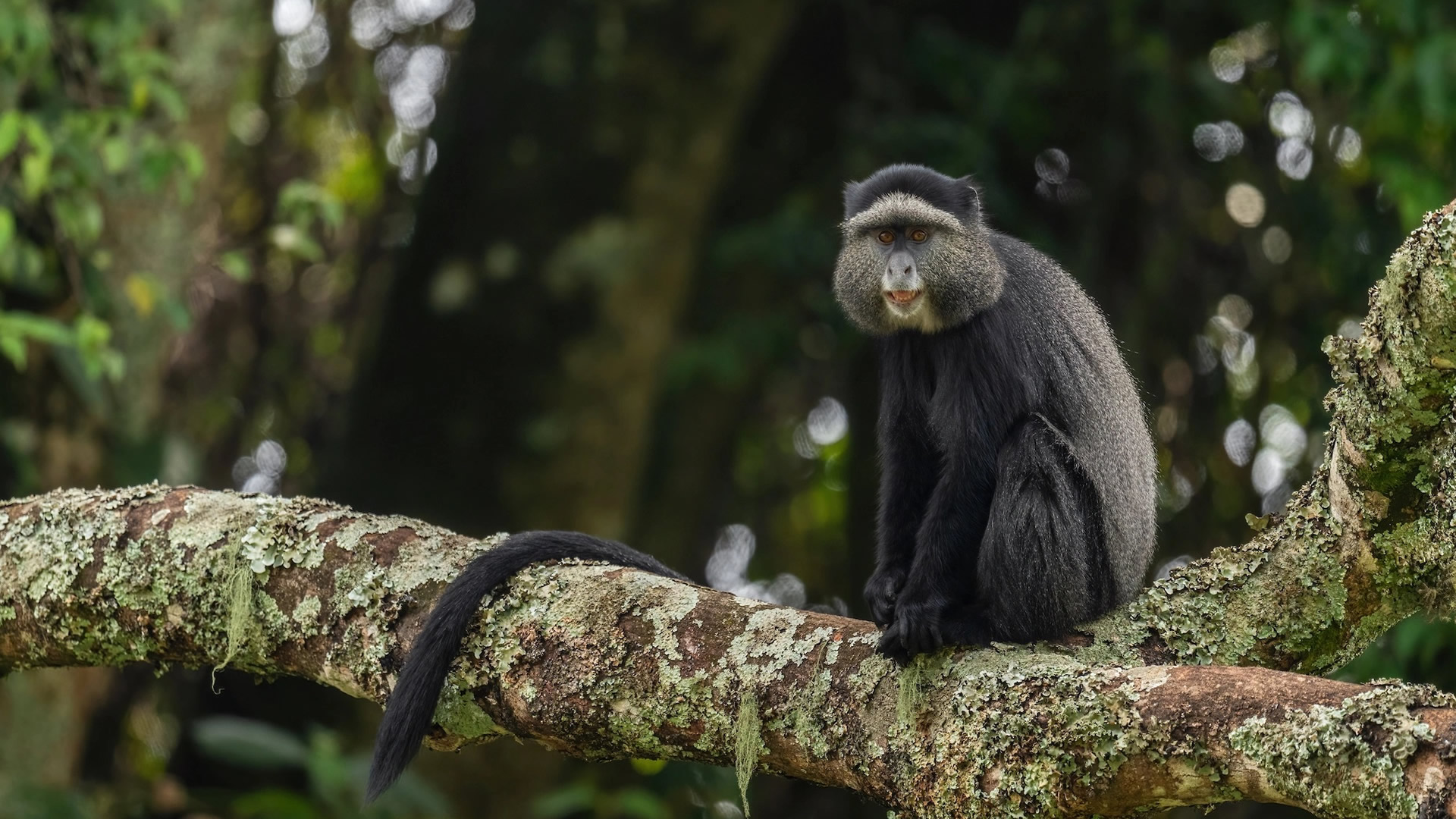
Chimpanzees are the main attraction, but Gombe supports a remarkable concentration of other primates for its size. Red colobus monkeys — a species closely associated with chimpanzee predation behaviour — are abundant in the canopy. Red-tailed monkeys, blue monkeys, and olive baboons are all present. Vervet monkeys frequent the lakeside. Watching the interactions between species — particularly chimps hunting red colobus — provides context for Goodall's discoveries about chimpanzee carnivory.
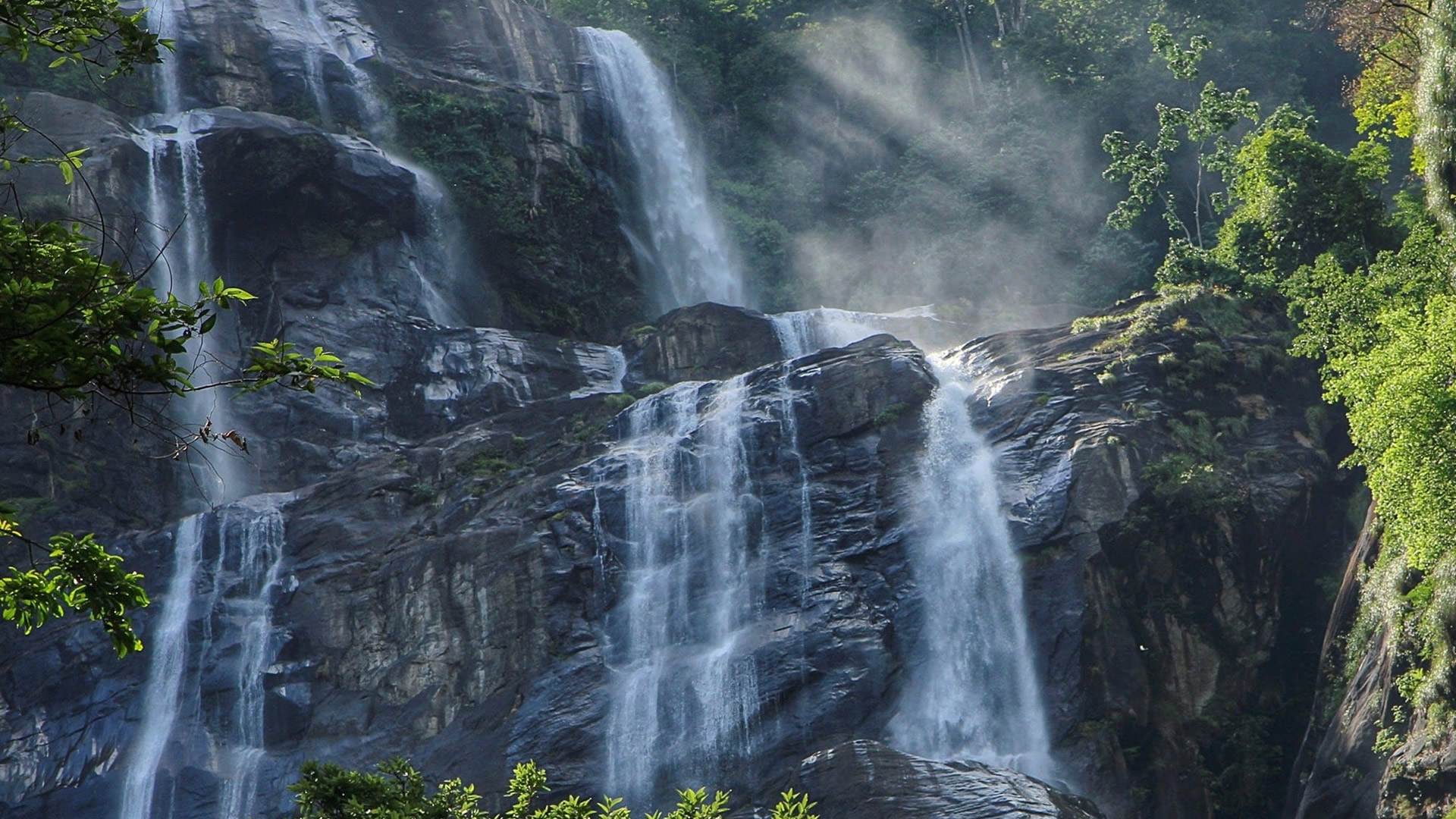
The park descends to the shore of Lake Tanganyika — the world's second-deepest lake and one of the oldest on Earth, formed in the western arm of the Great Rift Valley roughly 9 to 12 million years ago. The water is extraordinarily clear, and the beaches at Gombe are among the most beautiful on the lake. Swimming and snorkelling reveal a world of endemic cichlid fish — over 250 species found nowhere else on the planet. The lake provides a physical and emotional counterpoint to the intensity of the forest: after a morning with chimpanzees, the afternoon belongs to the water.
Gombe is difficult to reach — a flight to Kigoma followed by a boat ride along the lake shore. There are no luxury lodges, no infinity pools, no Wi-Fi lounges. Accommodation is simple. The experience is raw. And that is precisely the point. Gombe strips the safari experience down to its purest form: a forest, a guide, and a wild animal that shares 98.7 per cent of your DNA, looking at you with an intelligence that is unmistakably, unsettlingly familiar. This is not a park for everyone. It is a park for those who understand what it means.
Gombe National Park occupies a narrow strip of forested mountainside on the eastern shore of Lake Tanganyika, approximately 16 kilometres north of the town of Kigoma in western Tanzania. The park stretches just 15 kilometres along the lake shore and extends only 3 to 5 kilometres inland — a ribbon of forest squeezed between the lake and the deforested ridgeline that marks its eastern boundary.
Western Tanzania is a different world from the savannah parks of the north and south. Kigoma lies over 1,200 kilometres from Dar es Salaam and nearly 1,000 kilometres from Arusha. The landscape is forested, hilly, and sparsely populated. Lake Tanganyika — 673 kilometres long and up to 1,471 metres deep — defines the region's geography, climate, and rhythm of life. Gombe sits at the edge of this enormous body of water, its forest valleys opening directly onto pebble beaches, creating a setting that is unlike any other park in East Africa.
From chimpanzee trekking and primate walks to swimming in one of the oldest lakes on Earth — Gombe offers something no savannah park can.
The core Gombe experience. Guided by park trackers who monitor the communities daily, you follow forest trails into the steep valleys where the chimpanzees are currently located. Once found, you spend up to one hour with the group — observing feeding, grooming, play, and social interactions at close range. The trek can take anywhere from 30 minutes to several hours depending on where the chimps have moved. Fitness is required — the terrain is steep and the paths are narrow.
Beyond chimpanzees, Gombe supports a rich primate community that can be observed on separate forest walks. Red colobus monkeys move through the upper canopy in troops of 30 to 50 — a species that features prominently in chimpanzee hunting behaviour. Red-tailed monkeys, blue monkeys, and olive baboons are all present. A morning primate walk through the gallery forest, accompanied by the calls and crashes of monkeys overhead, provides a vivid introduction to the complexity of Gombe's forest ecosystem.
Lake Tanganyika's waters are exceptionally clear, warm (24–28°C year-round), and safe for swimming at the Gombe shoreline. The lake supports over 250 endemic cichlid species — many brightly coloured — making snorkelling a rewarding complement to the forest walks. The beaches at the park headquarters and at Kasekela are pebbled and palm-shaded, providing a peaceful setting for the afternoon hours between the morning chimp trek and the evening return of the baboons to the waterfront.
Gombe's terrain rises steeply from the lakeshore at 773 metres to ridgelines at roughly 1,500 metres, and trails climb through a succession of habitats — lakeshore woodland, gallery forest, vine-tangled thicket, and open grassland on the upper slopes. The Jane's Peak trail offers panoramic views across the lake to the mountains of the Democratic Republic of Congo on the far shore. These hikes provide context for the park's ecology and a physical challenge that makes the forest feel earned.
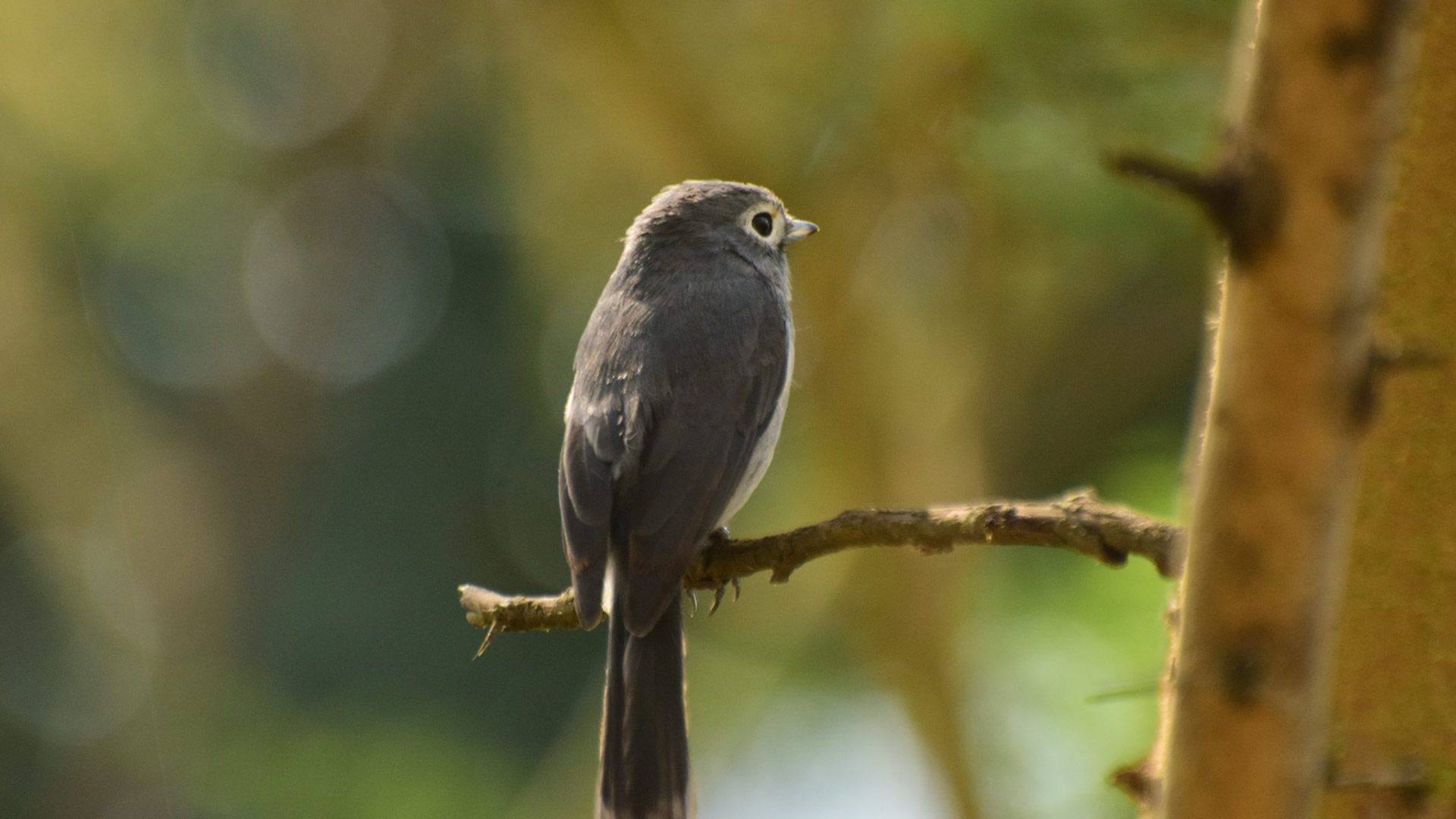
Gombe's forest supports a suite of western Tanzanian and Albertine Rift bird species that are unavailable on the savannah circuit. Ross's turaco, Peter's twinspot, red-capped robin-chat, and palm-nut vulture are among the forest highlights. The lake shore adds African fish eagle, pied kingfisher, and palm swift. The park's small size concentrates birding into productive walks, and the forest understorey — often bypassed in larger parks — is accessible and active here.
The Jane Goodall Institute's research station at Kasekela has operated continuously since the 1960s. Visitors can learn about the ongoing study — the data collection methods, the genealogies of each community member, the current research questions, and the conservation challenges facing Gombe's isolated forest. For guests with a deeper interest, some itineraries can arrange a briefing with field researchers. The station provides the scientific context that transforms the chimp trek from a wildlife sighting into a chapter in an ongoing story.
Gombe is accessible year-round, but trail conditions, chimp behaviour, and lake clarity shift with the seasons.
The best conditions for trekking. Trails are drier and less slippery, the forest understorey opens up slightly, and the chimpanzees tend to range at lower altitudes where fruit trees are concentrated — making encounters more accessible and often longer. Lake Tanganyika is at its clearest for swimming and snorkelling. February, between the short and long rains, is a particularly rewarding window — fruit abundance keeps the chimps active and relatively low in the valleys. July to October is the conventional peak, with the driest trails and the most reliable boat transfers from Kigoma.
The long rains make Gombe's steep trails slippery and physically demanding. The forest is lush, green, and dramatically atmospheric — but visibility is reduced, and the chimps may range higher into the canopy where observation is more difficult. The park remains open, but visitor numbers drop, boat transfers can be rough on the lake, and some accommodation options close. The wet months have one advantage: fruit availability can draw the chimps into intense feeding sessions that are spectacular when found, and the forest sounds — frogs, insects, rain on leaves — are at their most immersive.
Gombe requires commitment — a flight to Kigoma and a boat along Lake Tanganyika. The journey is part of the transition from the modern world to one that runs on forest time.
Scheduled flights connect Kigoma to Dar es Salaam (approximately 2 hours) and, seasonally, to Arusha and other domestic airports. Airlines operating the route include Auric Air and Precision Air. Kigoma is the gateway to both Gombe and the Mahale Mountains — western Tanzania's two chimpanzee parks. From Kigoma airport, a short road transfer takes you to the lake shore for the boat departure to Gombe.
From Kigoma, the park is accessed by motorboat along the eastern shore of Lake Tanganyika — a journey of approximately 1 to 2 hours depending on conditions. The boat ride itself is beautiful: forested hills descend to the water's edge, fishing villages dot the shoreline, and the lake stretches westward to the horizon. There is no road access to Gombe. The boat is the only way in and out — a physical separation from the outside world that sets the tone for what follows.
Gombe pairs naturally with Mahale Mountains National Park — Tanzania's other great chimpanzee destination, located further south on Lake Tanganyika. Mahale's chimps live in a larger, more mountainous forest with a more remote and exclusive lodge infrastructure. A typical combination runs two nights at Gombe followed by three to four nights at Mahale, connected by boat or charter flight. Adding a few nights on Zanzibar or a northern-circuit safari creates a Tanzania itinerary of extraordinary range.
The chimps, the forest, the lake, and the place where a young scientist sat down and paid attention.
Sighting rates at Gombe are very high — the communities are well-habituated and monitored daily by trackers who know their location each morning. The overwhelming majority of visitors encounter chimpanzees, and encounters are typically close and extended. However, chimpanzees are wild animals in steep, forested terrain, and on rare occasions they may move into inaccessible areas or remain high in the canopy where viewing is difficult. A two-night stay with two trekking sessions effectively guarantees a strong encounter.
Moderate to strenuous. Gombe's terrain is steep — trails climb from the lakeshore at 773 metres up into forested valleys and ridges above 1,000 metres. Paths are narrow, often muddy in the wet season, and occasionally require scrambling over roots and rocks. A reasonable level of fitness is needed, and proper hiking boots with ankle support are essential. The trek can take anywhere from 30 minutes to three hours each way depending on where the chimps are located. Guides adjust the pace to the group and take rest stops as needed. The heat and humidity add to the physical effort.
Two nights is the standard and recommended duration — allowing two chimp treks (morning sessions on consecutive days), time for a primate walk, swimming in the lake, and the research station visit. One night is possible but tight, particularly given the boat transfer from Kigoma. Three nights suits visitors who want to trek the Kasekela and Mitumba communities separately, hike to Jane's Peak, and spend more time on the lake. Gombe is small enough that two nights covers the essential experience well.
Accommodation at Gombe is simple and limited. The park resthouse at Kasekela offers basic en-suite bandas on the lakeshore — clean, comfortable, and perfectly positioned, but without the luxury infrastructure of the savannah parks. A small number of private tented camps and guesthouses operate seasonally in and near the park. This is not a destination for those seeking five-star lodges; it is a destination for those who value the experience above the thread count. The lakeshore setting, the forest sounds, and the proximity to the chimps more than compensate.
Gombe National Park charges USD 100.00 per non-resident adult per 24-hour period (as of 2024/2025), which includes the chimpanzee trekking permit. Children aged 5–15 pay a reduced rate. Boat transfers from Kigoma are charged separately and vary by operator. All park fees and applicable taxes on Kuldip's Touring Company itineraries are included in the quoted price.
Both parks offer chimpanzee trekking on the shores of Lake Tanganyika, but the character is quite different. Gombe is smaller (52 km² vs 1,613 km²), more accessible from Kigoma, and carries the weight of Jane Goodall's legacy — the chimps here are the most studied in history. Mahale is more remote, more mountainous, and offers a more exclusive lodge experience — with a single luxury camp (Greystoke Mahale) that is among the most celebrated in Africa. A combined visit offers both the scientific pilgrimage of Gombe and the wilderness immersion of Mahale — two very different encounters with the same extraordinary species.
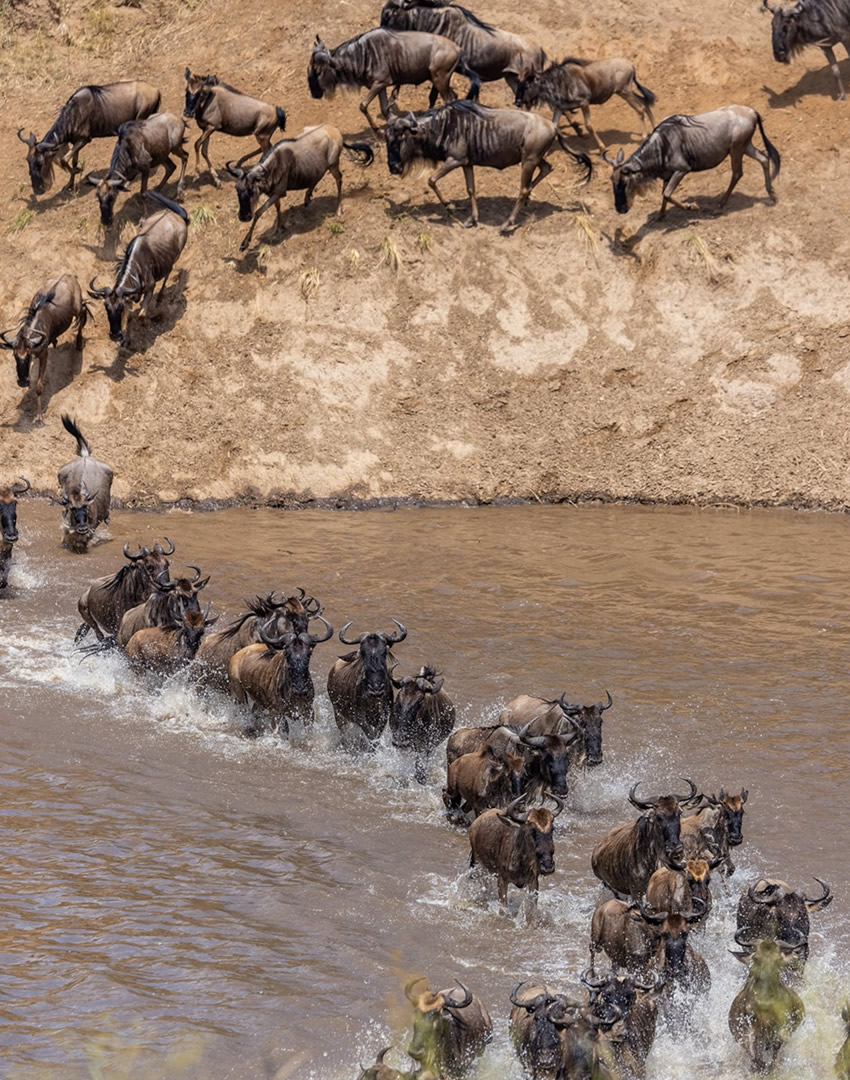
Endless plains supporting the greatest concentration of large mammals on Earth. The stage for the Great Wildebeest Migration.
Explore the Serengeti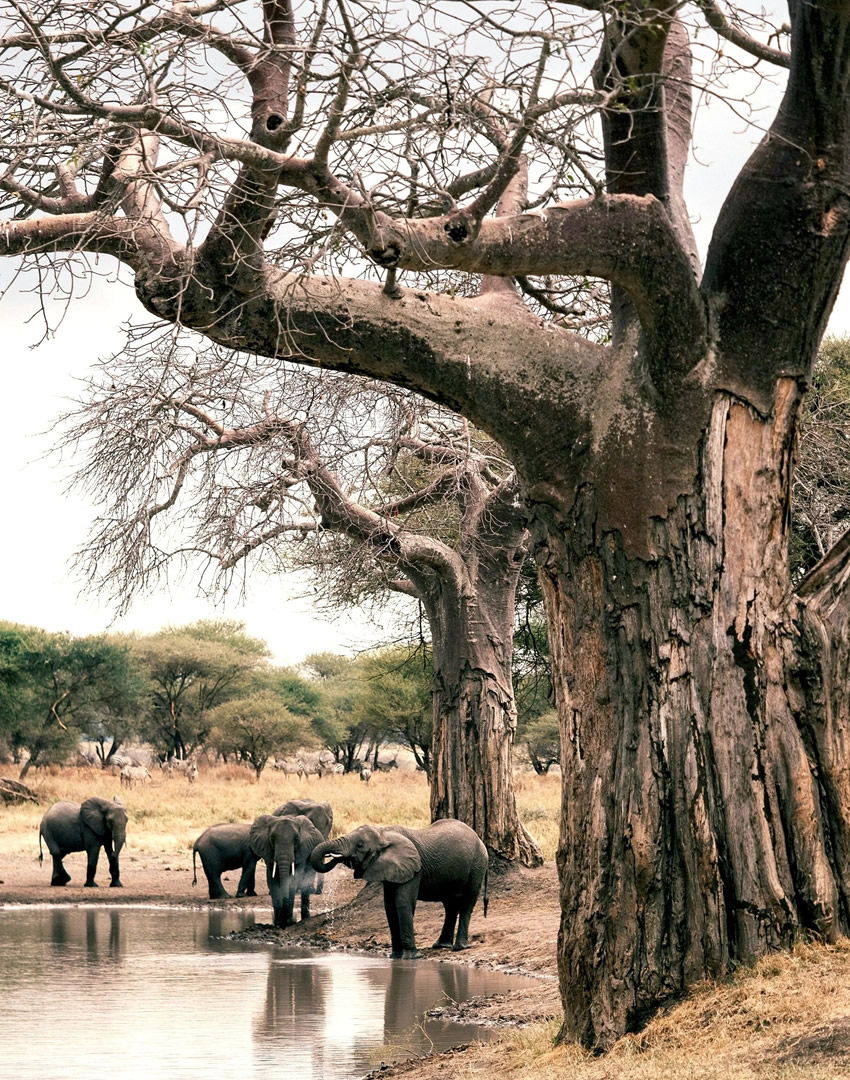
Ancient baobab trees tower over vast herds of elephant that converge on the Tarangire River during the dry season.
Explore Tarangire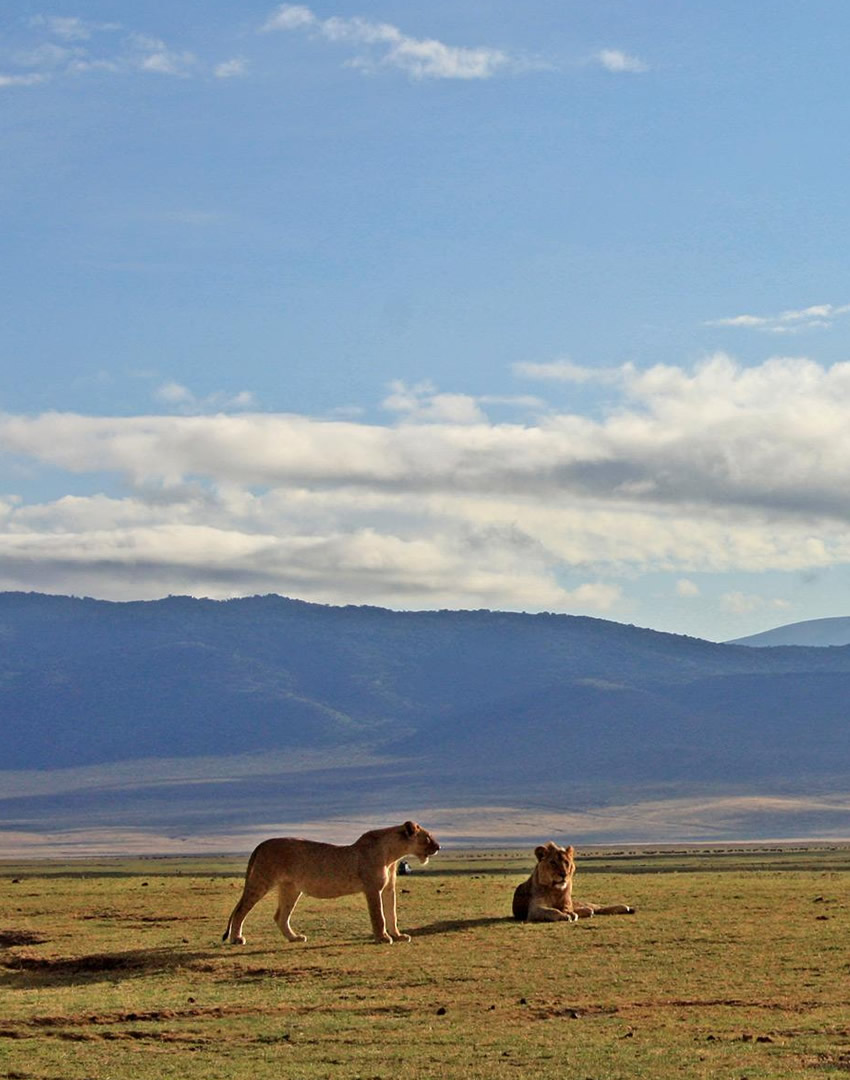
The world's largest unbroken volcanic caldera, sheltering an extraordinary density of wildlife on its lush, 600-metre-deep floor.
Explore Ngorongoro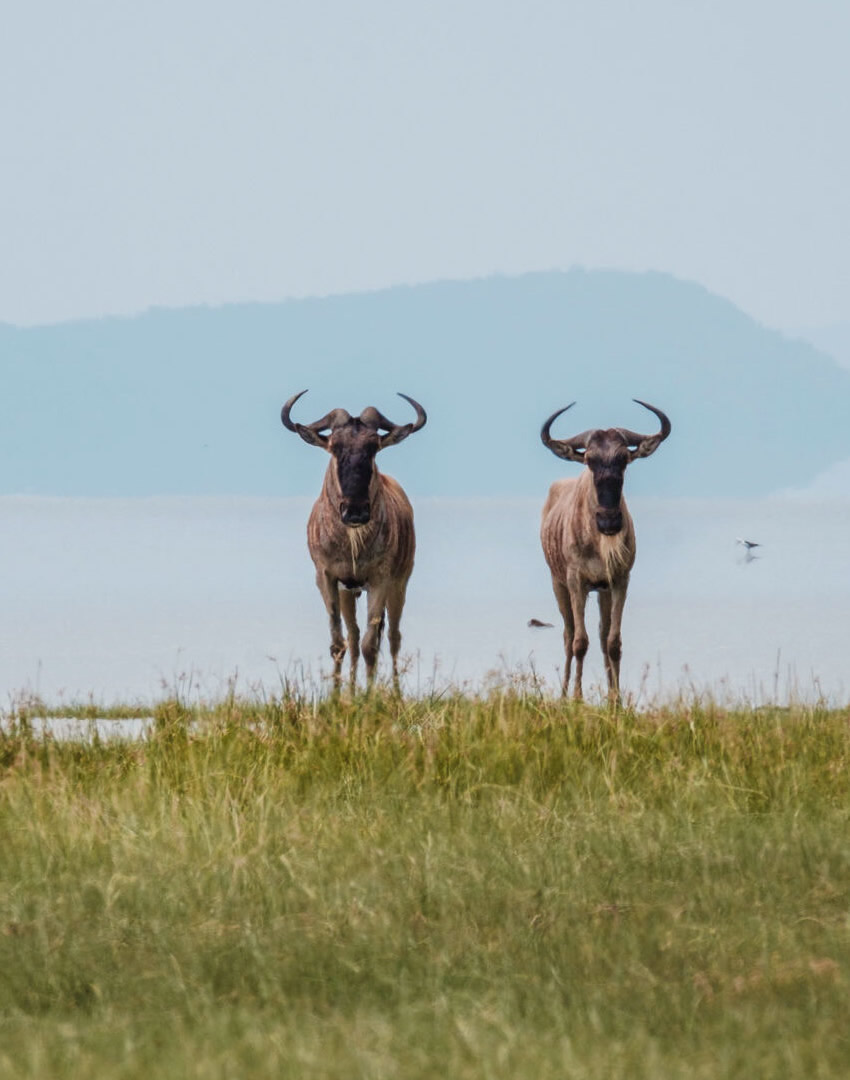
A compact gem at the base of the Great Rift Valley escarpment, famous for its tree-climbing lions in ancient mahogany trees.
Explore Manyara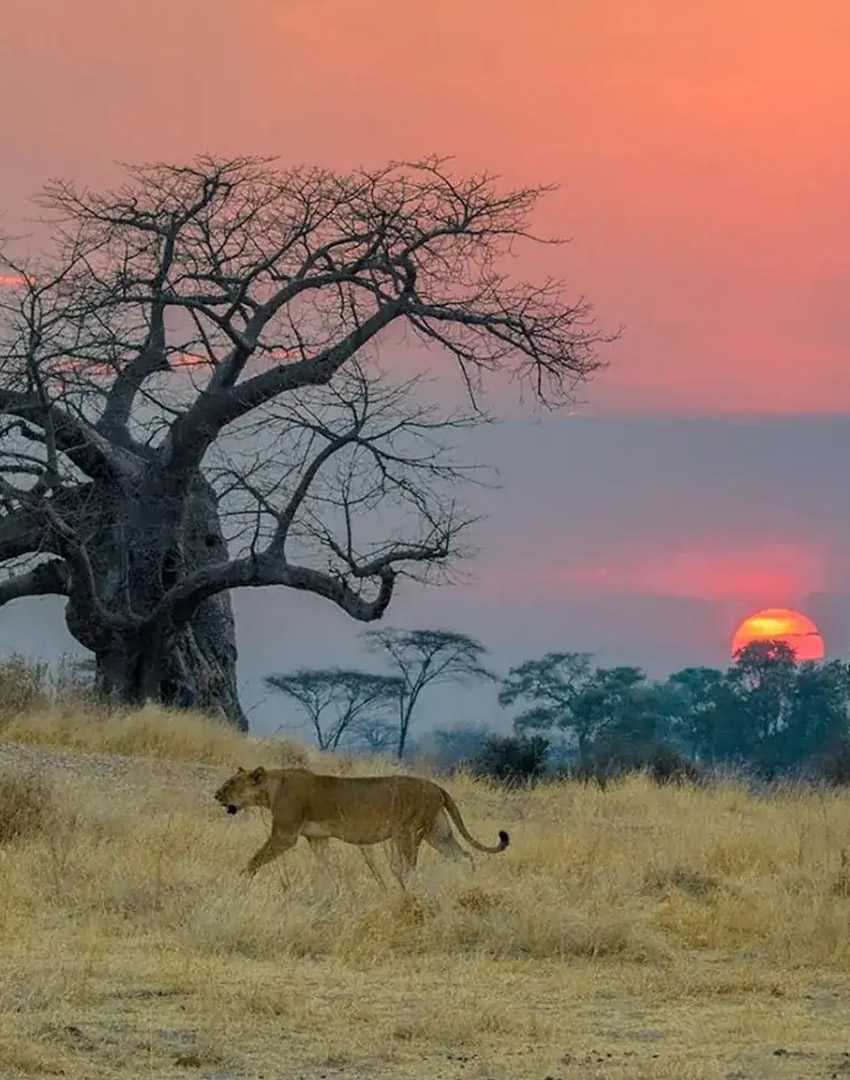
Tanzania's largest national park and one of its best-kept secrets, with one of the largest lion populations in Africa.
Explore Ruaha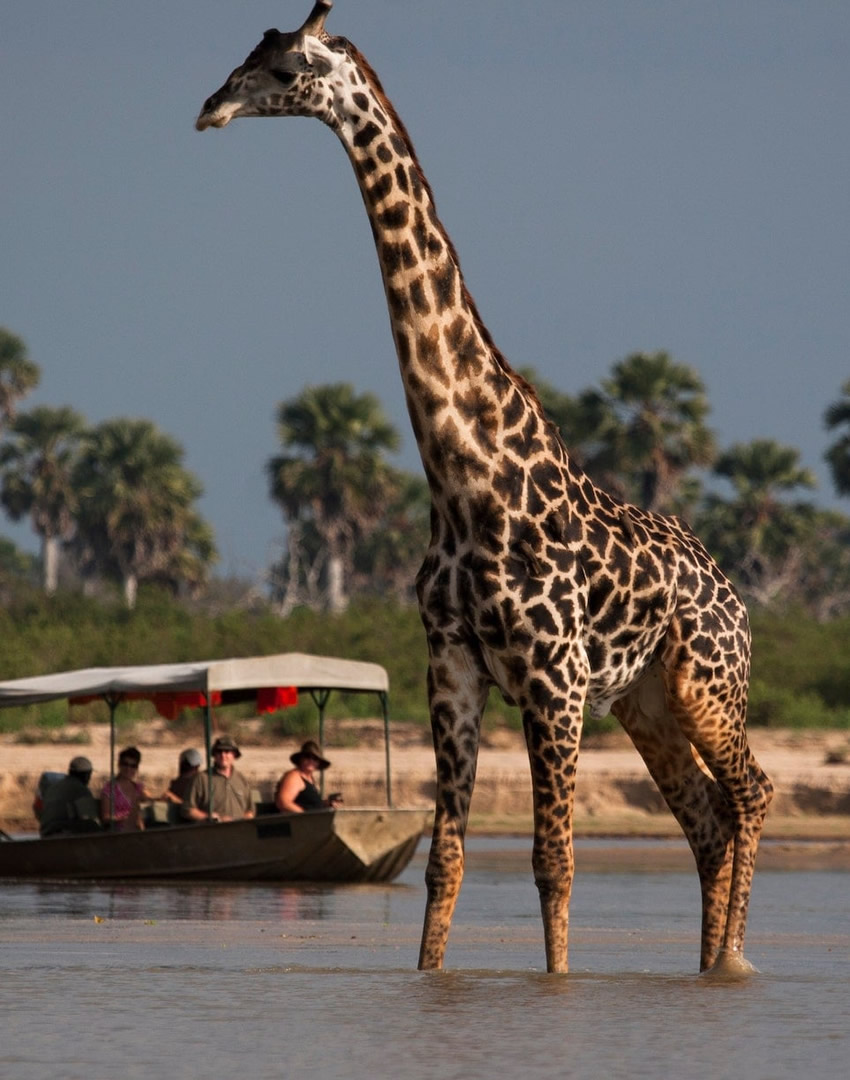
One of the largest protected areas in Africa, defined by the mighty Rufiji River. Boat safaris, walking safaris and fly-camping.
Explore NyerereWhere Jane Goodall began her groundbreaking chimpanzee research in 1960. Trek through steep forested valleys on the shores of Lake Tanganyika.
Explore Gombe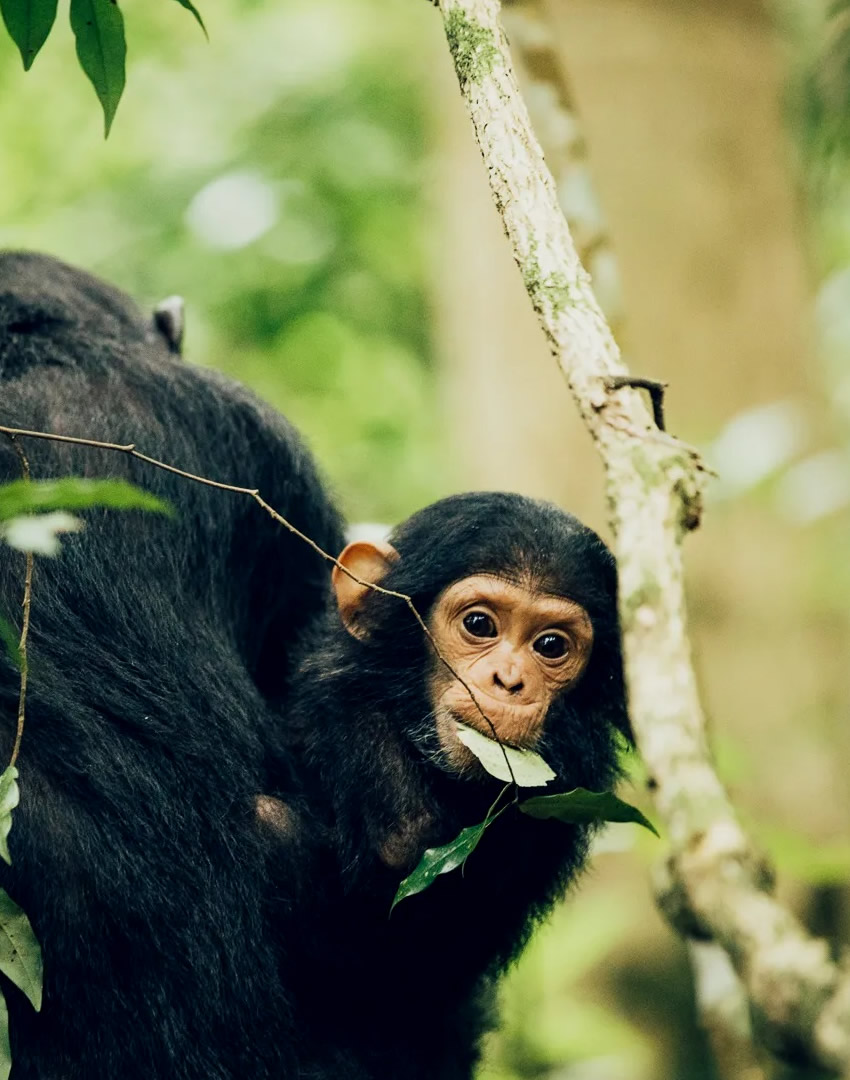
Remote, roadless and utterly extraordinary. The Mahale Mountains shelter one of the largest known populations of wild chimpanzees.
Explore Mahale