
Home to the Great Wildebeest Migration, the ancient Ngorongoro Crater, and Africa's last great chimpanzee forests — Tanzania is where the wild world reveals itself on a scale no other country can match.
Tanzania protects more land for wildlife than any other East African nation. Its northern circuit alone — Serengeti, Ngorongoro, Tarangire and Lake Manyara — ranks among the finest safari routes on the continent. But venture further and the rewards grow: Ruaha's untouched southern wilderness, the Selous river system, and the remote chimpanzee forests of Gombe and Mahale offer experiences available nowhere else on Earth.
Over 1.5 million wildebeest, 400,000 zebra and 200,000 gazelle sweep across the Serengeti in a continuous cycle — the largest overland animal movement on the planet. Whether it's the drama of a river crossing or the calving season on the southern plains, Tanzania delivers the migration at its most spectacular.
A collapsed volcanic caldera sheltering 25,000 large animals on a 260-square-kilometre floor — including the densest population of lions in Africa and a healthy population of critically endangered black rhino. Often called the Eighth Wonder of the World, Ngorongoro is an experience unlike anything else in safari.
Tanzania is one of only two countries where wild chimpanzees can be tracked on foot. Gombe Stream — where Jane Goodall began her pioneering research — and the remote Mahale Mountains offer intimate encounters with humanity's closest relative in dense tropical forest on the shores of Lake Tanganyika.
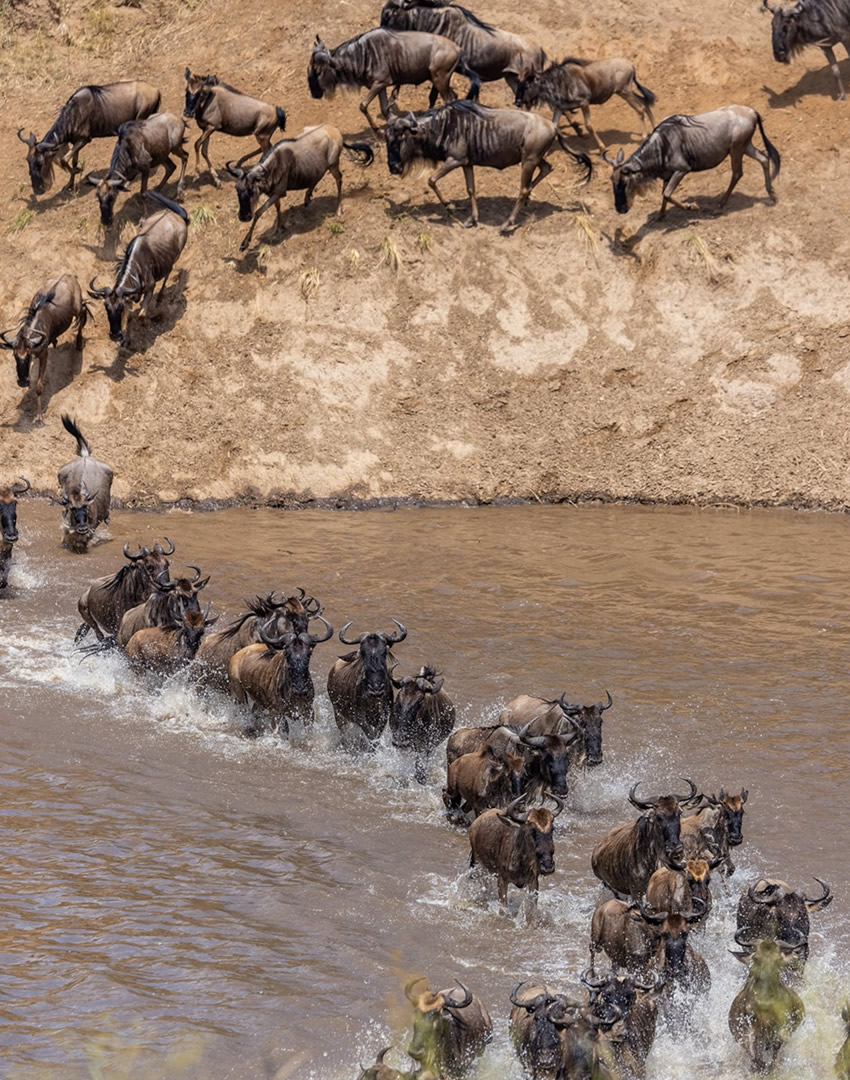
Endless plains stretching to every horizon, supporting the greatest concentration of large mammals on Earth. The Serengeti is the stage for the Great Wildebeest Migration and home to exceptional year-round predator sightings — lion prides, cheetah coalitions and leopards in the Seronera valley.
Explore the Serengeti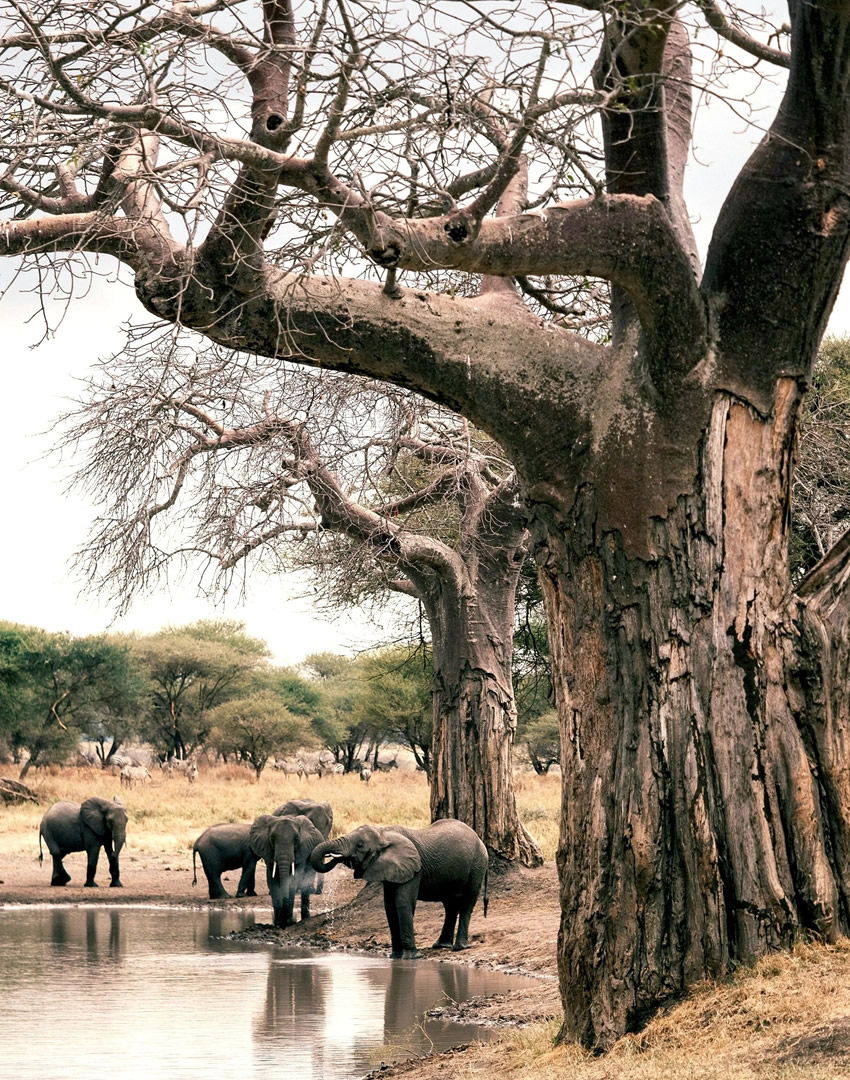
Ancient baobab trees tower over vast herds of elephant that converge on the Tarangire River during the dry season — one of the highest elephant densities in Tanzania. A quieter, more intimate alternative to the northern circuit's busier parks, with superb tree-climbing python sightings and prolific birdlife.
Explore Tarangire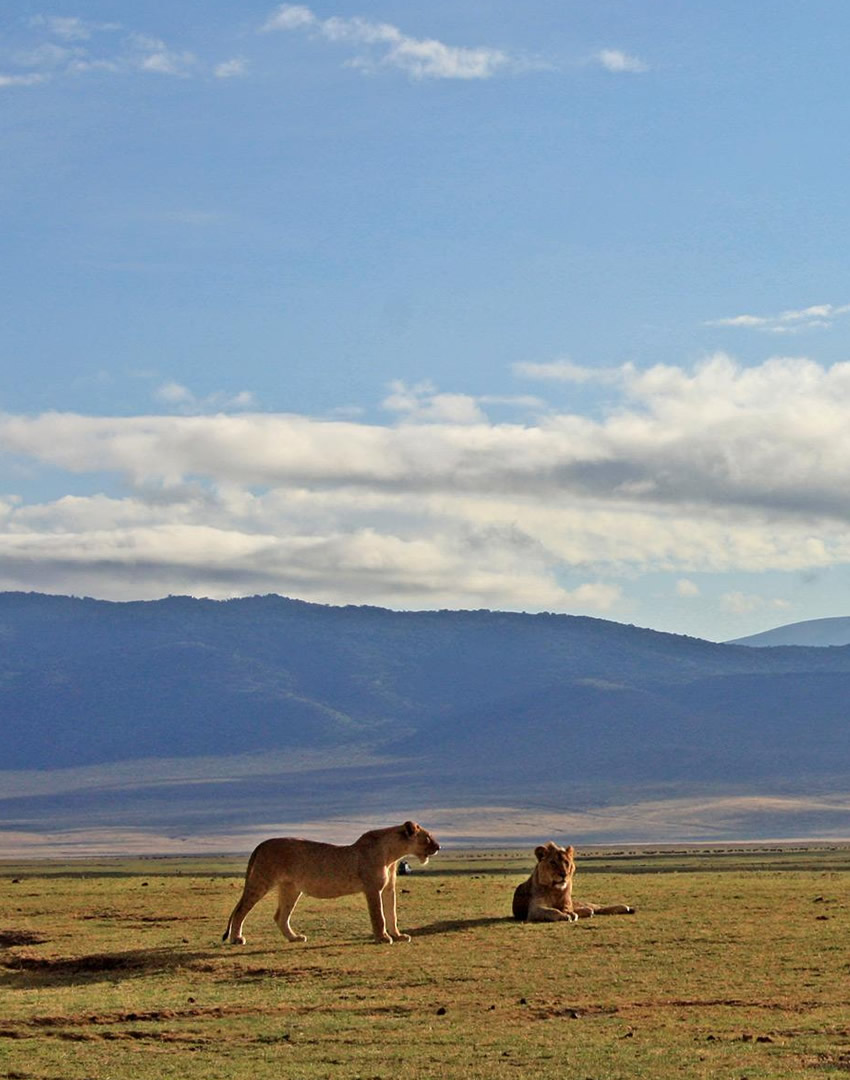
The world's largest unbroken volcanic caldera, sheltering an extraordinary density of wildlife on its lush, 600-metre-deep floor. Black rhino, lion, elephant, buffalo and flamingo-fringed soda lakes — all within a single morning's game drive. A UNESCO World Heritage Site and one of Africa's most breathtaking landscapes.
Explore Ngorongoro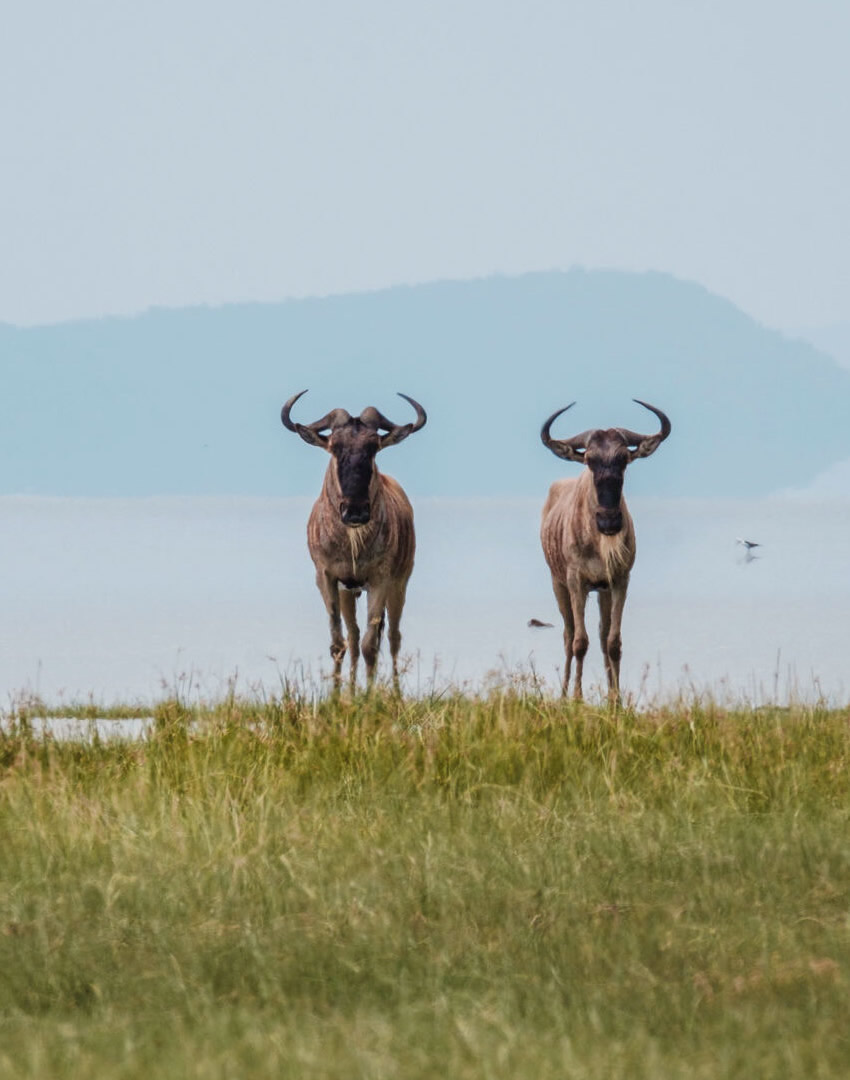
A compact gem at the base of the Great Rift Valley escarpment, famous for its tree-climbing lions that rest in the branches of ancient mahogany trees. The alkaline lake draws vast flocks of flamingos, while the surrounding groundwater forest supports baboons, blue monkeys and over 400 bird species.
Explore Manyara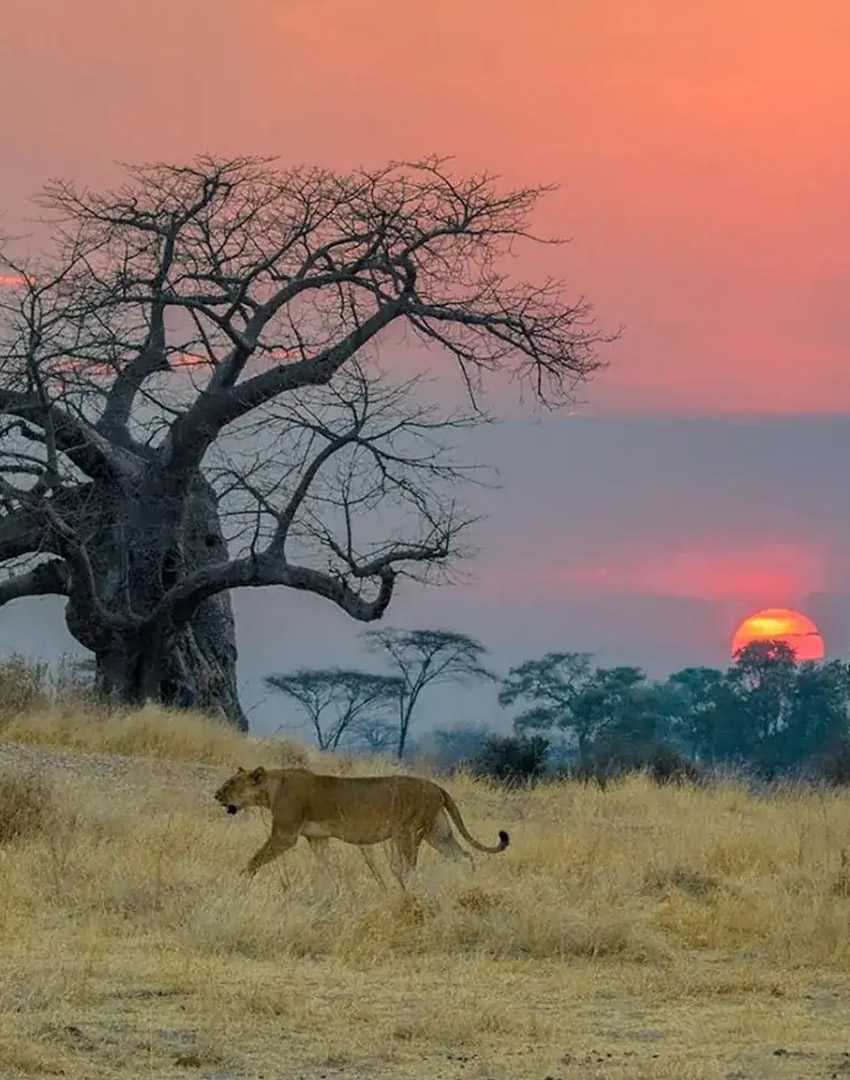
Tanzania's largest national park and one of its best-kept secrets. Ruaha sits at the crossroads of East and Southern African ecosystems, supporting both greater and lesser kudu, sable antelope, and one of the largest lion populations in Africa. Remote, uncrowded, and spectacularly wild — a park for the serious safari traveller.
Explore Ruaha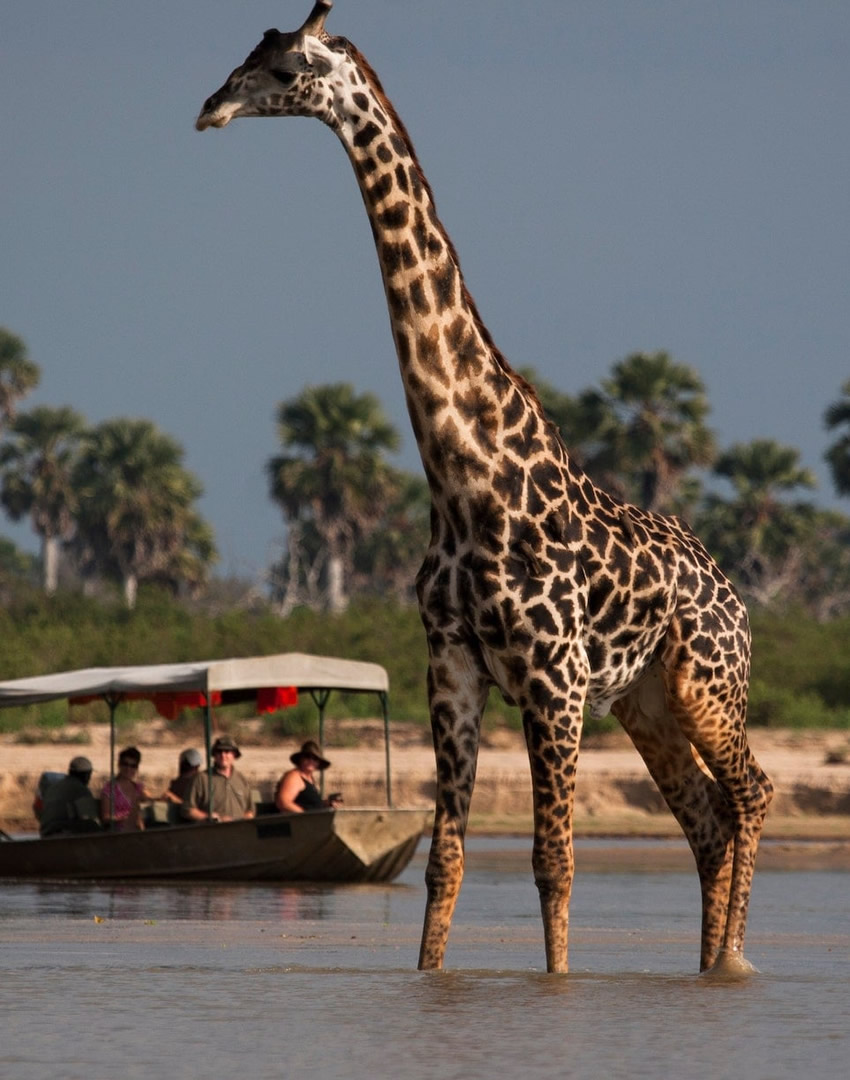
One of the largest protected areas in Africa, defined by the mighty Rufiji River and its network of lakes, channels and floodplains. Nyerere offers boat safaris, walking safaris and fly-camping — experiences rarely available elsewhere. Wild dogs, hippos and crocodiles thrive in this vast, untamed wilderness.
Explore Nyerere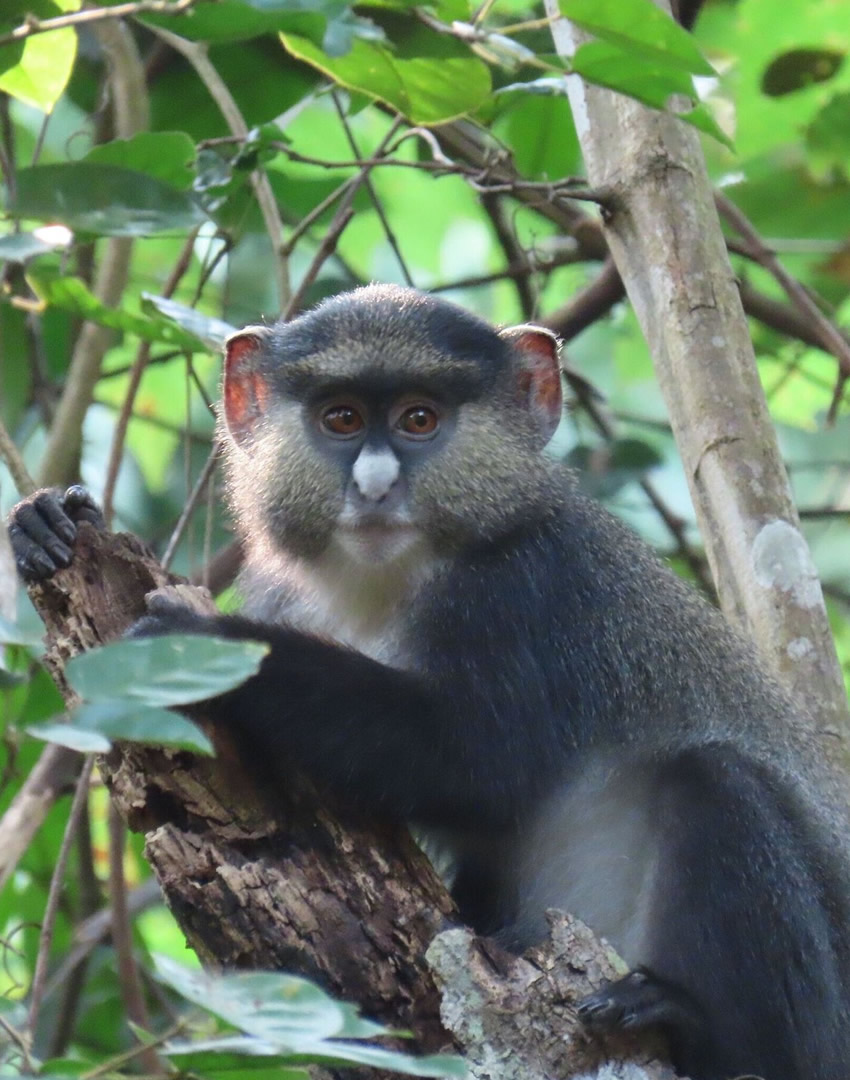
The smallest of Tanzania's national parks and one of the most significant — this is where Jane Goodall began her groundbreaking chimpanzee research in 1960. Trek through steep forested valleys on the shores of Lake Tanganyika to sit with habituated chimp communities, just metres away in their natural habitat.
Explore Gombe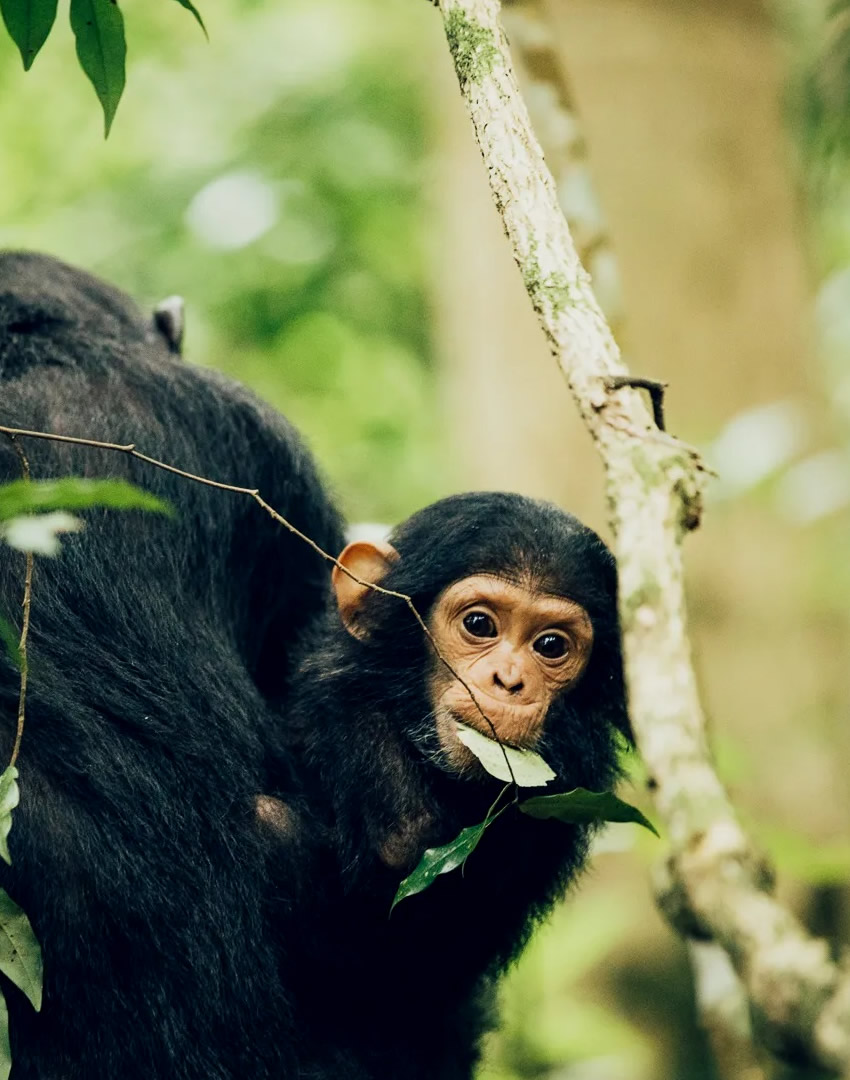
Remote, roadless and utterly extraordinary. The Mahale Mountains rise from the shores of Lake Tanganyika, sheltering one of the largest known populations of wild chimpanzees. Reached only by boat or light aircraft, Mahale delivers an immersive primate encounter in one of Africa's most beautiful and inaccessible landscapes.
Explore MahaleThe dry season from June to October is the classic safari window — game viewing is at its best as animals gather around rivers, and the wildebeest migration crosses the Mara River in the northern Serengeti. January to March is excellent for the calving season on the southern Serengeti plains and for climbing Kilimanjaro. The long rains in April and May bring lush scenery and lower rates but can make some roads impassable.
Most visitors require a tourist visa, which can be obtained online through the Tanzanian e-visa portal before departure or on arrival at major entry points including Kilimanjaro International Airport and Julius Nyerere International Airport in Dar es Salaam. The single-entry tourist visa costs USD 50 and is valid for 90 days. East African tourist visas covering Kenya, Uganda and Rwanda are also available for USD 100. Apply online at least two weeks before travel.
A Yellow Fever vaccination certificate is required for entry into Tanzania. Routine vaccinations including Hepatitis A and B, Typhoid, and Tetanus should be current. Malaria prophylaxis is essential for all safari and coastal areas. Tanzania's western parks (Gombe, Mahale) are in a higher-risk malaria zone, so consult your travel health clinic well in advance. Drinking bottled or purified water is recommended throughout the country.
Tanzania's national parks charge daily conservation fees that vary by park. The Serengeti and Ngorongoro carry the highest fees (USD 70–80 per person per day for non-residents), while parks like Tarangire and Manyara are lower. The Ngorongoro Conservation Area also charges a separate crater service fee per vehicle descent. All park fees are included in our safari pricing — there are no hidden charges. These fees fund anti-poaching patrols, ranger salaries and community development.
The most popular cross-border route connects the Maasai Mara in Kenya with the Serengeti in Tanzania via the Isebania or Sand River border crossings — allowing travellers to follow the migration across both countries. Alternatively, fly from Nairobi to Kilimanjaro International Airport to begin a Tanzanian northern circuit. We handle all cross-border logistics including visas, vehicle permits and guide handovers, so the transition between countries is seamless.