
Where the savannah stretches to the horizon and Africa's greatest wildlife spectacle unfolds beneath endless skies. The Mara is not a destination — it is an awakening.
The Maasai Mara Game Reserve occupies 1,510 square kilometres of rolling savannah in south-western Kenya, forming the northern extension of Tanzania's Serengeti ecosystem. Named after the Maasai people who have inhabited the region for centuries and the Mara River that courses through it, the reserve is widely regarded as the single finest wildlife destination on the African continent.
What sets the Mara apart is not merely the density of wildlife — though that alone is extraordinary — but the quality of the experience. Open grasslands offer unobstructed sightlines that stretch to the horizon, meaning sightings are long, unhurried, and intimate. Big cats hunt in full view. Elephants move in family groups across plains that glow amber at dawn. And every July through October, over two million wildebeest, zebra, and gazelle arrive from the Serengeti in the largest overland animal migration on Earth.
Managed by the Narok County Council, the reserve sits at an average elevation of 1,524 metres, ensuring a mild, comfortable climate year-round — cool mornings, warm days, and skies that seem built for photography.
From the Great Migration to firelit Maasai storytelling, here is what makes this reserve unlike anywhere else.
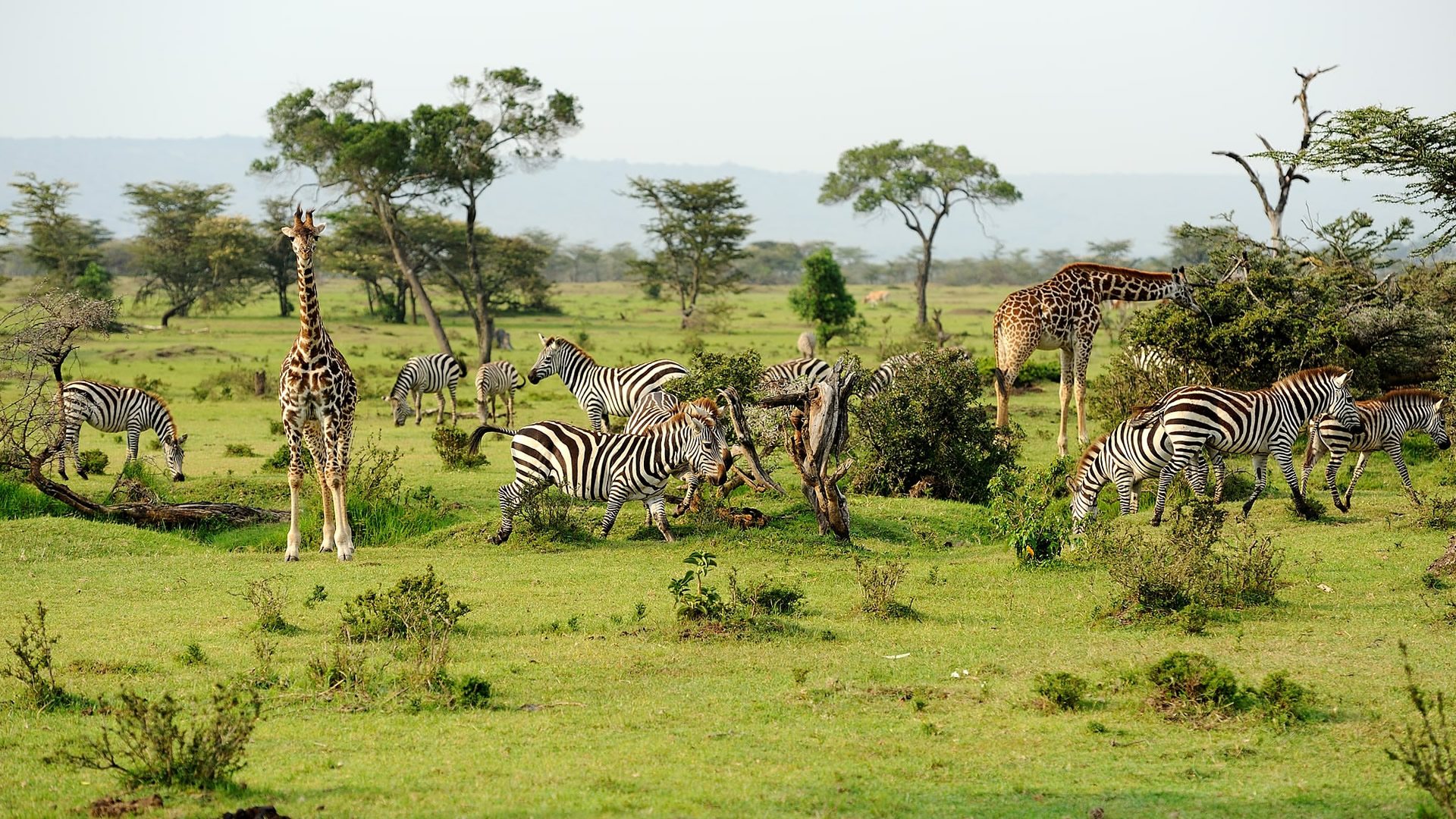
Over two million wildebeest, zebra, and Thomson's gazelle pour across the Mara River between July and October — one of the natural world's most dramatic spectacles. Crocodile-lined crossings and predator ambushes make every day unpredictable.
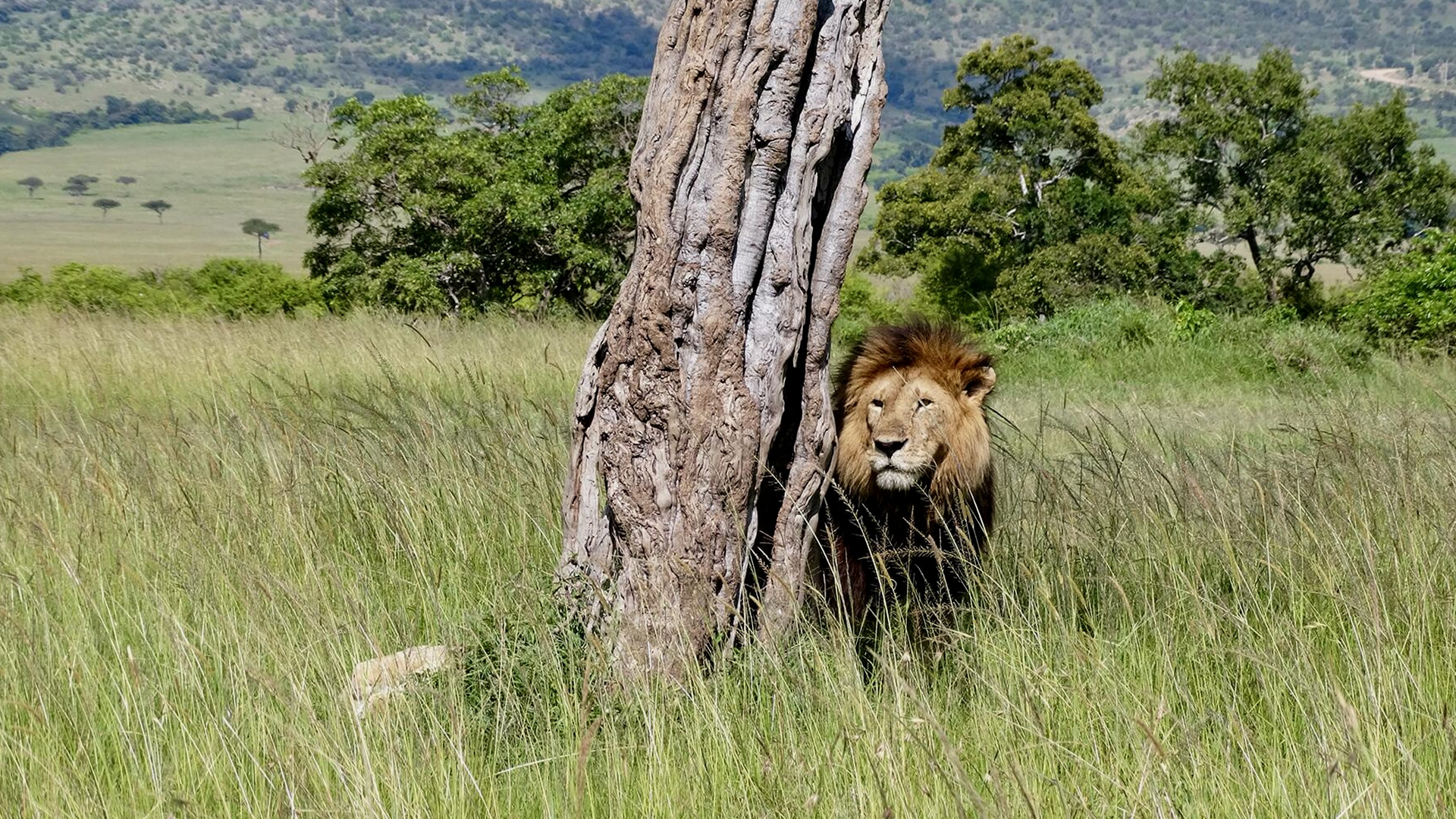
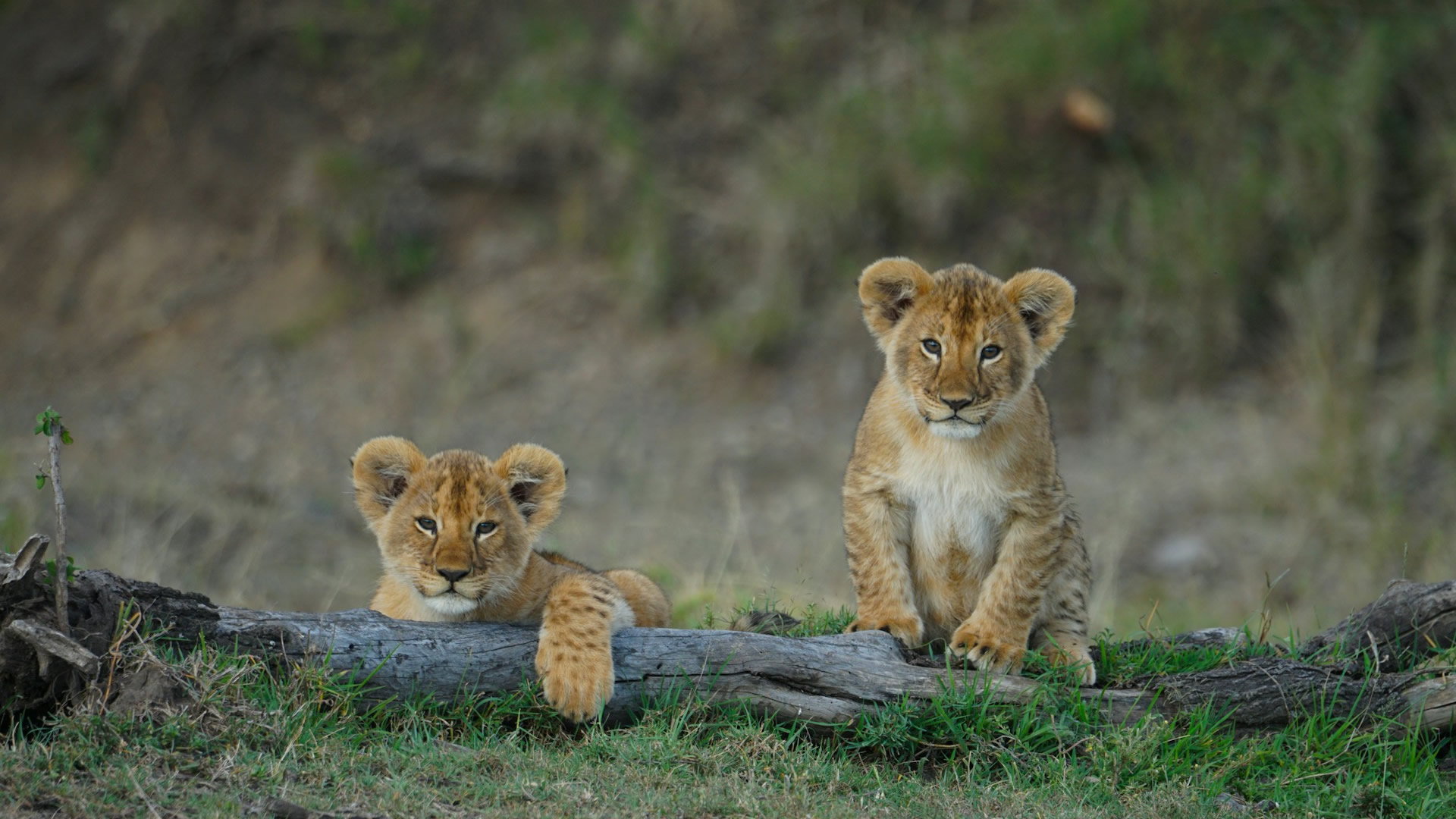
The Mara supports one of the highest densities of lion, leopard, and cheetah on the continent. Open grasslands make sightings long and cinematic — big cats hunt, play, and rest in full view of the vehicle.
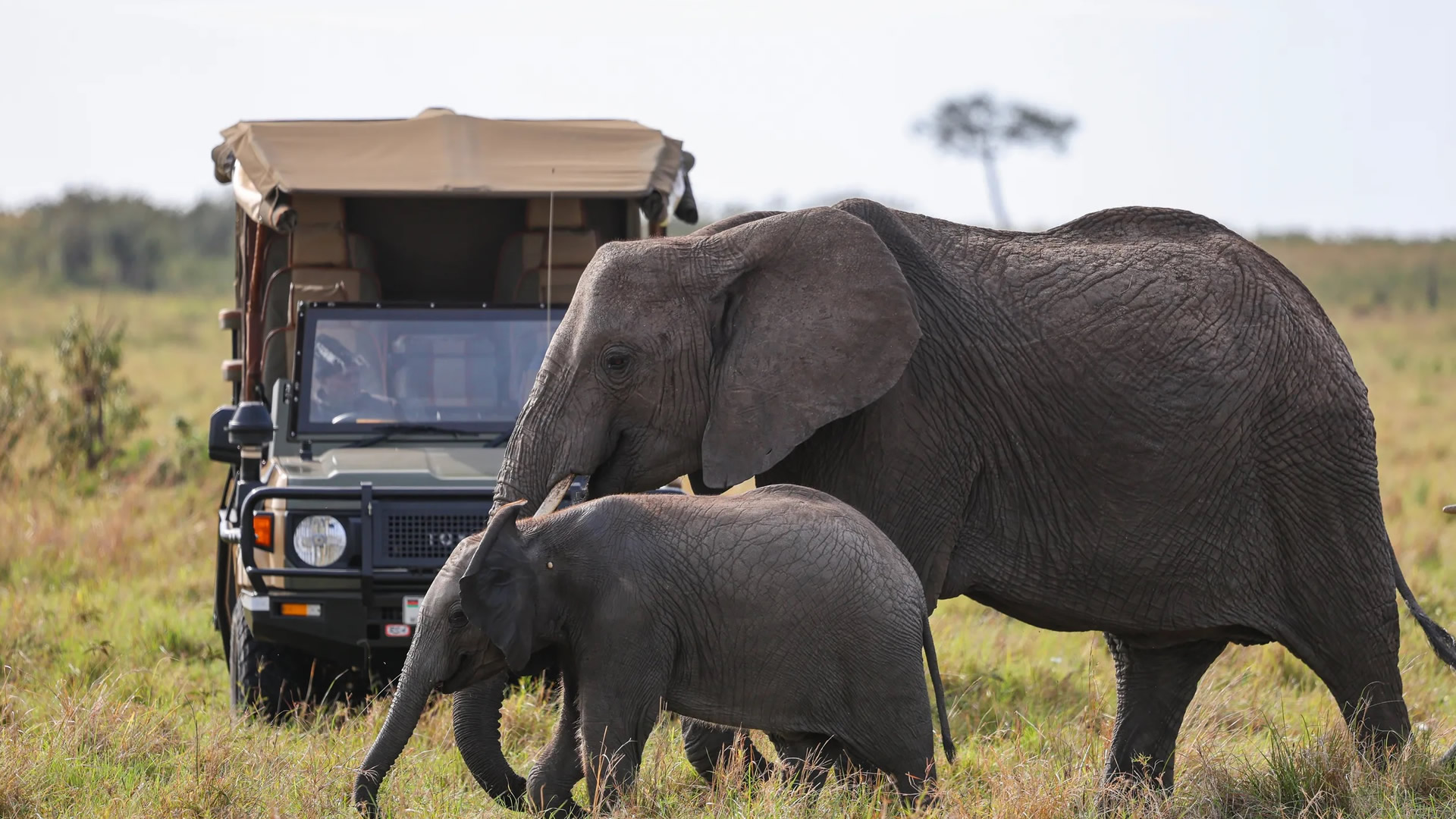
Unlike many reserves with narrow seasonal windows, the Mara delivers exceptional wildlife encounters in every month. The resident populations of elephant, buffalo, giraffe, hippo, and antelope never leave.
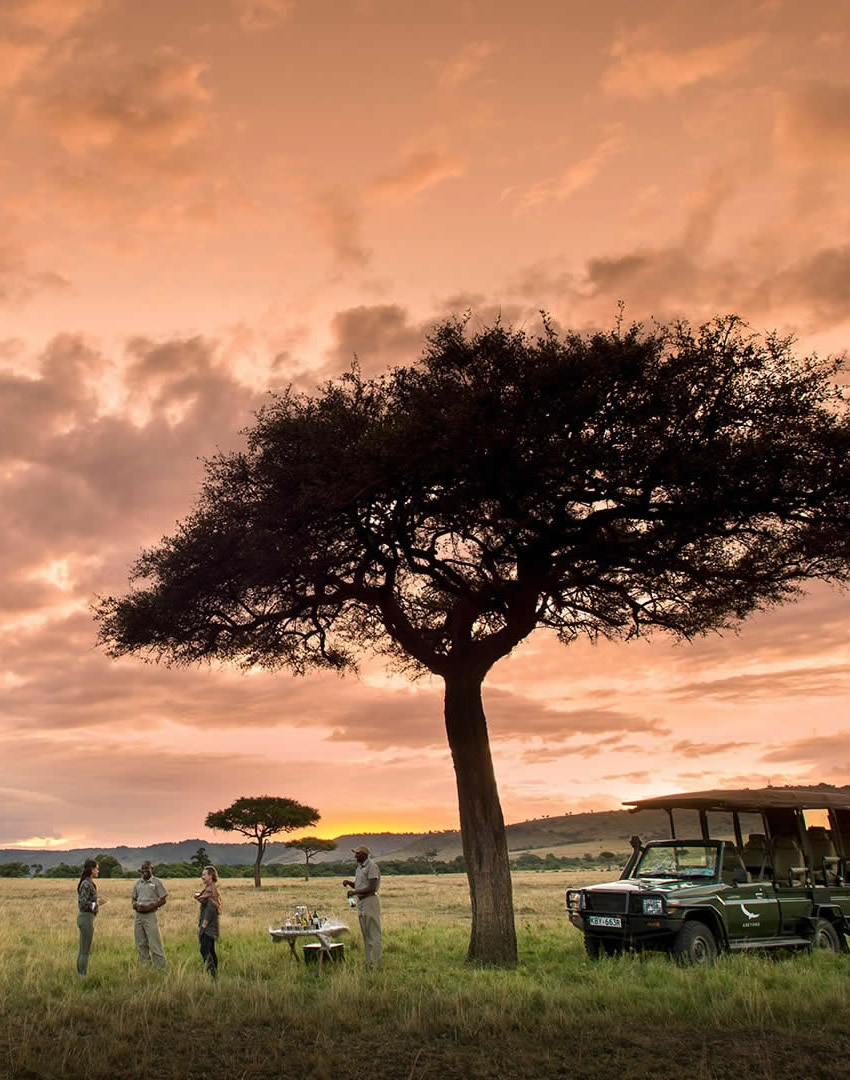
Drift silently above the savannah at dawn, watching herds move across the grasslands from a vantage point few ever experience. Touch down for a champagne breakfast set beneath an acacia tree on the open plains.
The reserve sits within Maasai communal land, and cultural visits to local manyattas offer a window into one of East Africa's most iconic pastoral traditions — song, dance, beadwork, and an enduring connection to the land.
The Mara's open topography and golden-hour light have made it a pilgrimage for wildlife photographers worldwide. Few places on Earth offer such consistently dramatic compositions — animal, landscape, and sky in perfect balance.
The Maasai Mara Game Reserve lies in south-western Kenya, in Narok County, approximately 270 kilometres from Nairobi. It borders Tanzania's Serengeti National Park to the south, forming part of the greater Mara–Serengeti ecosystem — one of the largest and most important wildlife habitats on the planet.
The Mara River, which gives the reserve its name, flows through the western section before crossing into Tanzania. The surrounding Maasai conservancies — including Olare Motorogi, Naboisho, and Mara North — extend the protected wilderness significantly, offering quieter, more exclusive game-viewing experiences.
From dawn game drives to cultural encounters — the Mara offers experiences as varied as the landscape itself.
Morning and afternoon game drives in open-sided 4x4 vehicles are the core Mara experience — lion prides, elephant herds, cheetah hunts, and river crossings, all guided by expert trackers who know every inch of the savannah.
Rise before dawn and float silently over the Mara at first light. From above, the scale of the wilderness becomes clear — rivers, herds, and open plains stretching to the Serengeti. Land for a champagne breakfast in the bush.
Visit a Maasai manyatta to experience song, dance, and the traditions of East Africa's most iconic pastoral community. Learn about beadwork, herding, and the deep relationship between the Maasai and the Mara.
Over 470 bird species have been recorded in the Mara — from the striking lilac-breasted roller and martial eagle to secretive ground-dwellers in the riverine forest. A paradise for birders at every level.
Step out of the vehicle and into the bush with a trained Maasai guide. Walking safaris in the surrounding conservancies reveal the small wonders — tracks, insects, medicinal plants — that a vehicle would speed past.
Available in the private conservancies bordering the reserve, night drives reveal the Mara's nocturnal cast — leopard, aardvark, bush baby, genet, and the dramatic hunts that play out under starlight.
The Mara is a year-round destination, but each season offers a different character.
The Great Migration arrives. Dry conditions mean short grass, easy visibility, and predator–prey drama at every river crossing. This is the Mara at its most spectacular — book well in advance, as the best camps fill months ahead.
The long and short rains transform the Mara into a lush, verdant landscape. Fewer vehicles, lower rates, newborn animals, and over 470 migratory bird species make this the photographer's and birdwatcher's secret season.
Three ways into the reserve — all beginning from Nairobi.
Daily scheduled flights from Nairobi's Wilson Airport to airstrips within the reserve — Keekorok, Musiara, Olare Orok, and Mara Serena. Flight time is approximately 45 minutes, and most lodges arrange airstrip transfers.
A scenic 5–6 hour drive from Nairobi via Narok on the B3 highway. The journey descends from the Rift Valley escarpment into the Mara's golden grasslands — dramatic scenery and Maasai settlements along the way.
Private helicopter and charter aircraft transfers can be arranged for ultimate flexibility and convenience. Touch down at any of the Mara's airstrips on your schedule — the fastest and most exclusive way to arrive.
Light, landscape, and wildlife — as only the Mara delivers.
The Great Migration typically arrives in the Maasai Mara between July and October, though exact timing varies year to year depending on rainfall patterns. The dramatic Mara River crossings — where huge herds of wildebeest and zebra brave crocodile-infested waters — generally peak in August and September. The herds usually begin their return south towards the Serengeti by late October or November.
Yes. The Maasai Mara is one of Kenya's most-visited and well-managed reserves, with experienced guides, rangers, and camp staff ensuring guest safety at all times. Visitors should follow their guide's instructions during game drives — particularly around predators and river crossings — and remain inside the vehicle unless instructed otherwise. Camps and lodges are fenced or monitored, and emergency medical evacuation is available through the Flying Doctors service included in most safari packages.
The Maasai Mara National Reserve is government-managed land covering 1,510 km². The surrounding conservancies — including Olare Motorogi, Naboisho, Mara North, and Mara Naboisho — are privately managed in partnership with Maasai landowners. Conservancies typically offer lower vehicle density, exclusive walking safaris, night drives, and off-road driving privileges that are not permitted inside the main reserve. Both share the same wildlife populations, as there are no fences between them.
Neutral-toned clothing in khaki, olive, beige, or brown works best — bright colours and white can startle wildlife and attract insects. Mornings and evenings can be cool at 1,500 m elevation, so pack layers: a warm fleece or softshell jacket, a sun hat, and a light rain jacket during the green season. Comfortable closed-toe shoes are recommended for bush walks, and sunglasses and sunscreen are essential year-round.
Absolutely. The Maasai Mara is one of the best places in Africa to see all five — lion, leopard, elephant, buffalo, and rhinoceros — in a single visit. Lion and elephant sightings are virtually guaranteed, leopards are regularly seen in the riverine forests, and buffalo herds roam the plains in large numbers. Black rhinoceros sightings are rarer but possible, particularly in the reserve's north-western sector.
A minimum of two nights (three days) allows for four game drives and a good introduction to the reserve. Three nights is ideal for a thorough experience, including time for a balloon safari or cultural visit. During the migration season, four nights gives you the best chance of witnessing a river crossing. If combining the Mara with other destinations, two nights is the practical minimum — you will still see extraordinary wildlife.
As of 2024, the standard park entrance fee for non-resident adults is USD 200 per person per day (24-hour period). Children aged 3–17 pay USD 100. Fees for East African residents are significantly lower. Conservancy fees vary by conservancy but are typically included in the lodge or camp rate. All park fees on Kuldip's Touring Company safari packages are included in the quoted price.
Kenya's most celebrated reserve and the northern stage of the Great Wildebeest Migration. Vast open grasslands deliver exceptional big cat sightings year-round.
Explore the Mara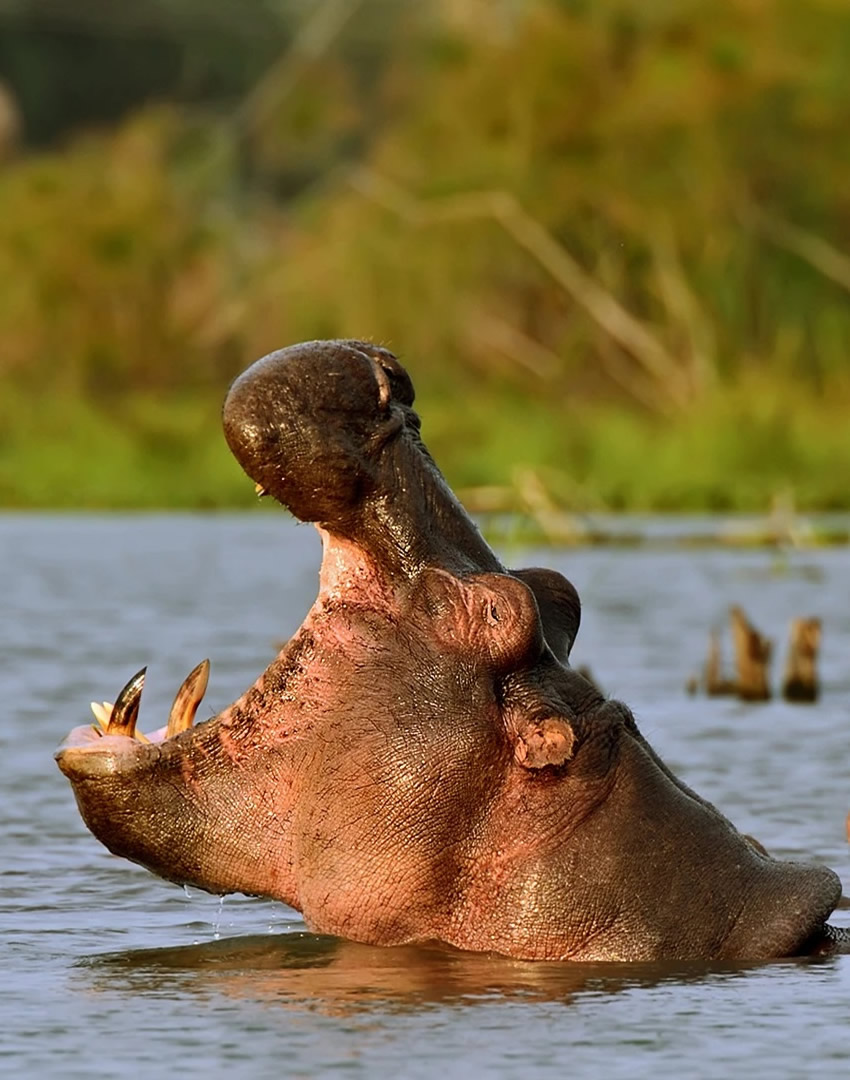
A soda lake fringed by millions of flamingos and surrounded by a compact national park that shelters both black and white rhino.
Explore Nakuru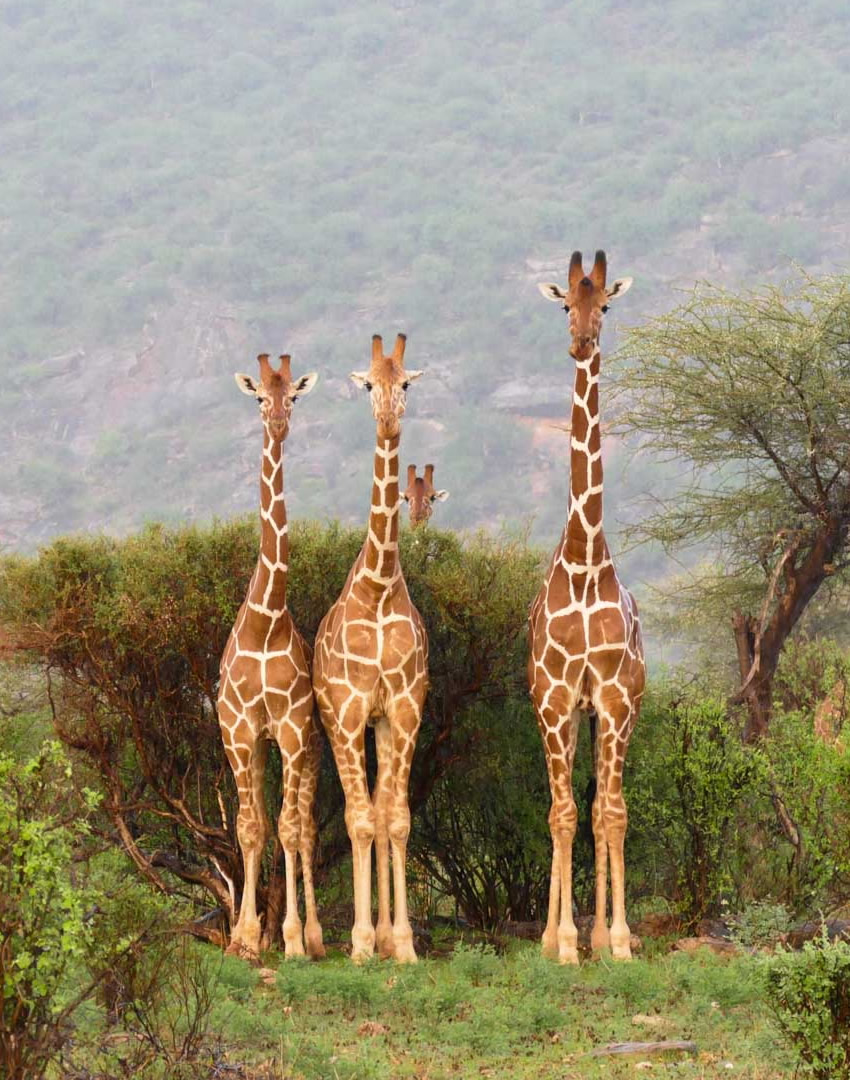
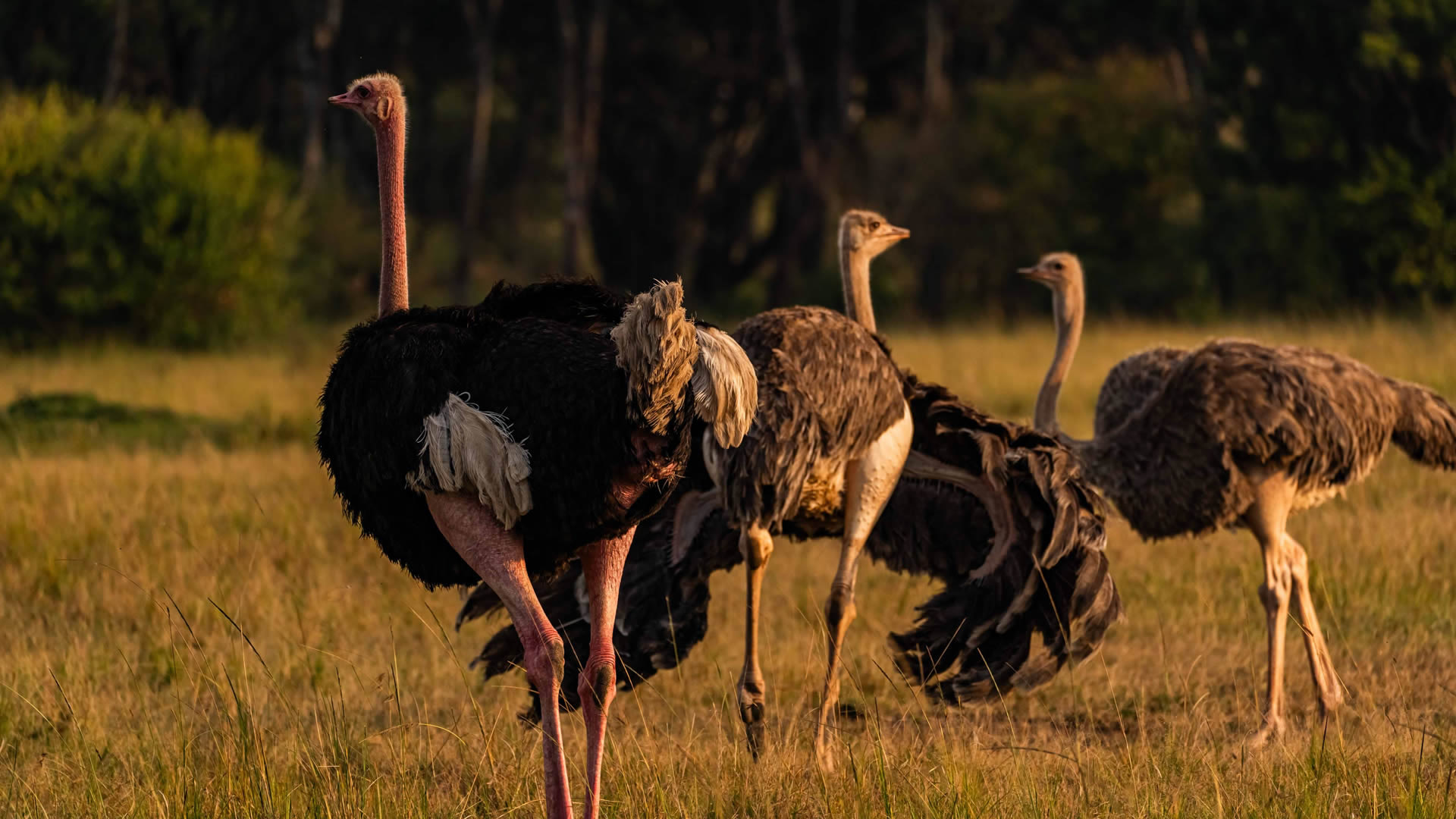
An arid wilderness bisected by the Ewaso Nyiro river, home to the famous Special Five — Grevy's zebra, reticulated giraffe, Somali ostrich, gerenuk and Beisa oryx.
Explore Samburu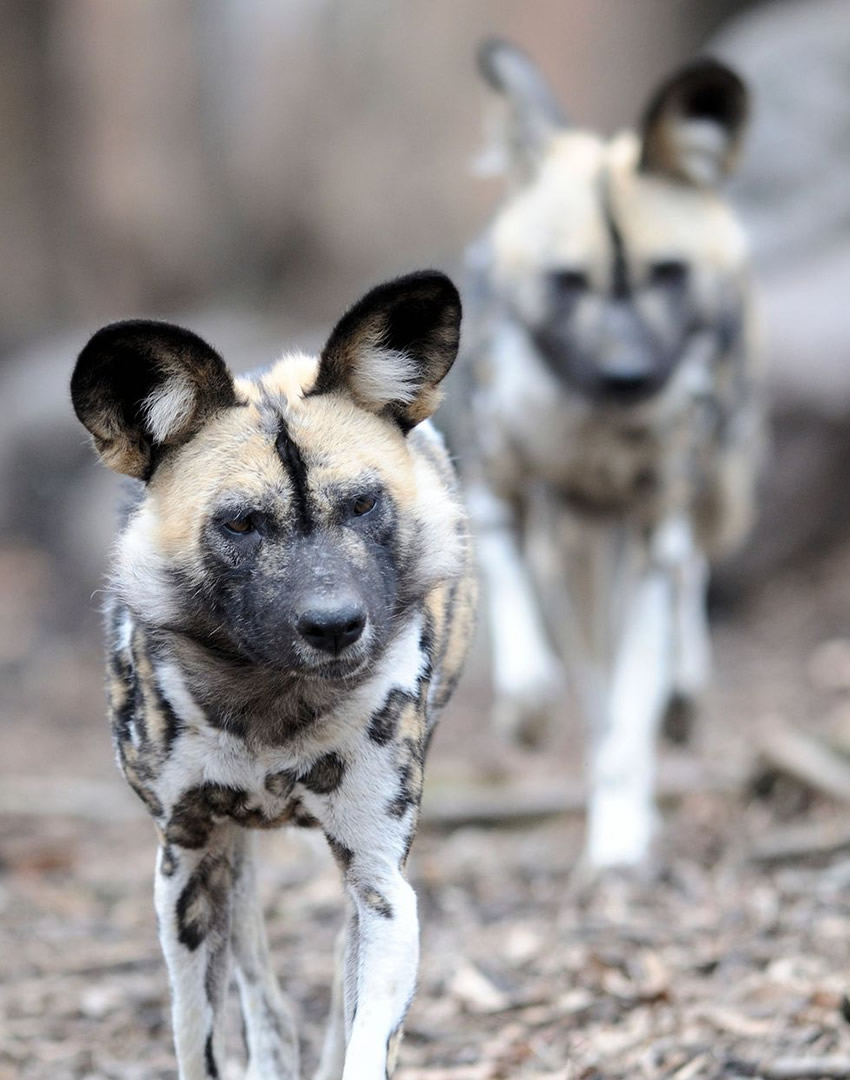
Made famous by Joy Adamson's Born Free story, Meru is a lush, under-visited wilderness of palm-lined rivers, dense bush and open grassland.
Explore Meru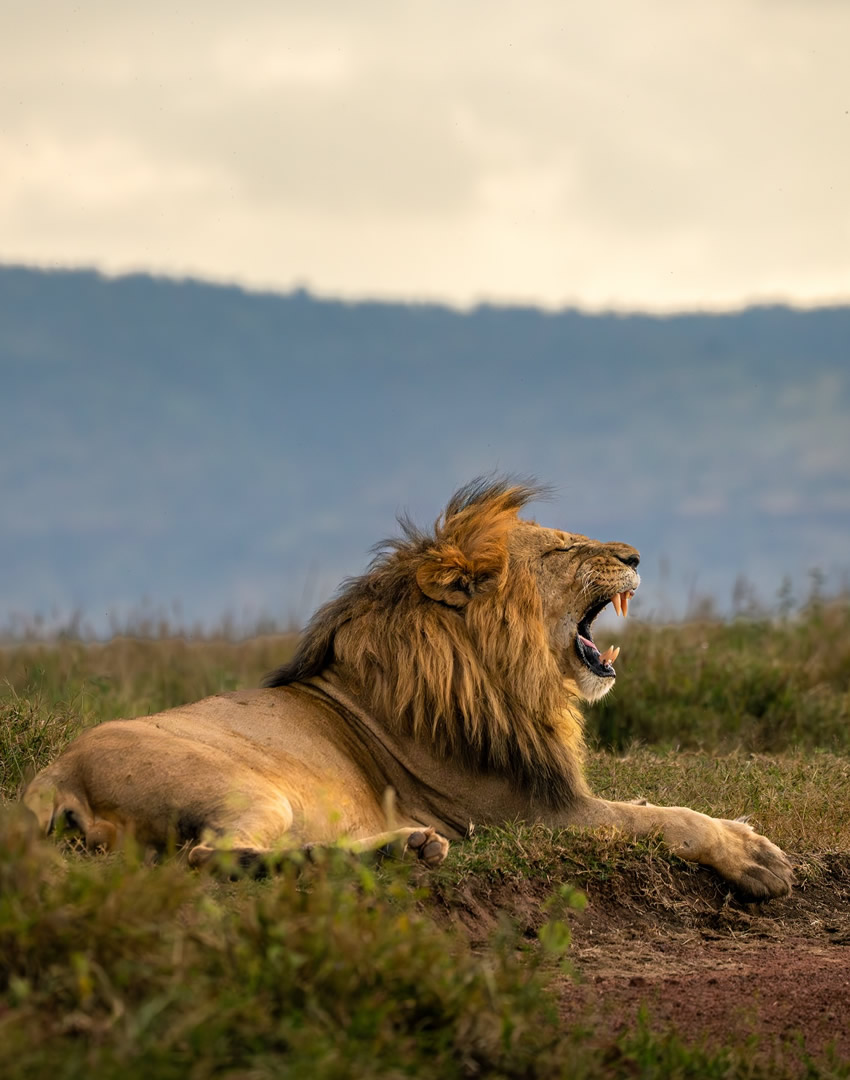
A private conservancy at the foot of Mount Kenya and one of Africa's greatest conservation success stories with exceptional rhino sightings.
Explore Lewa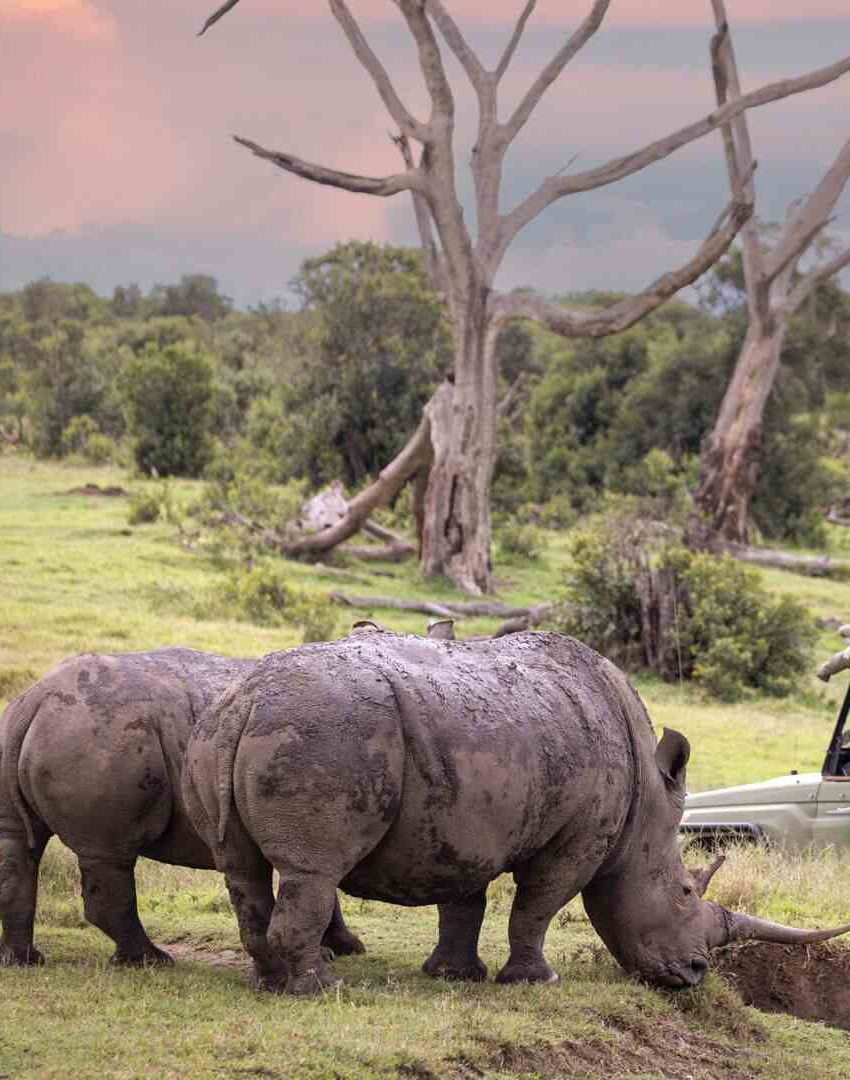
East Africa's largest black rhino sanctuary and home to the world's last two northern white rhinos. Big Five game drives and night drives.
Explore Ol Pejeta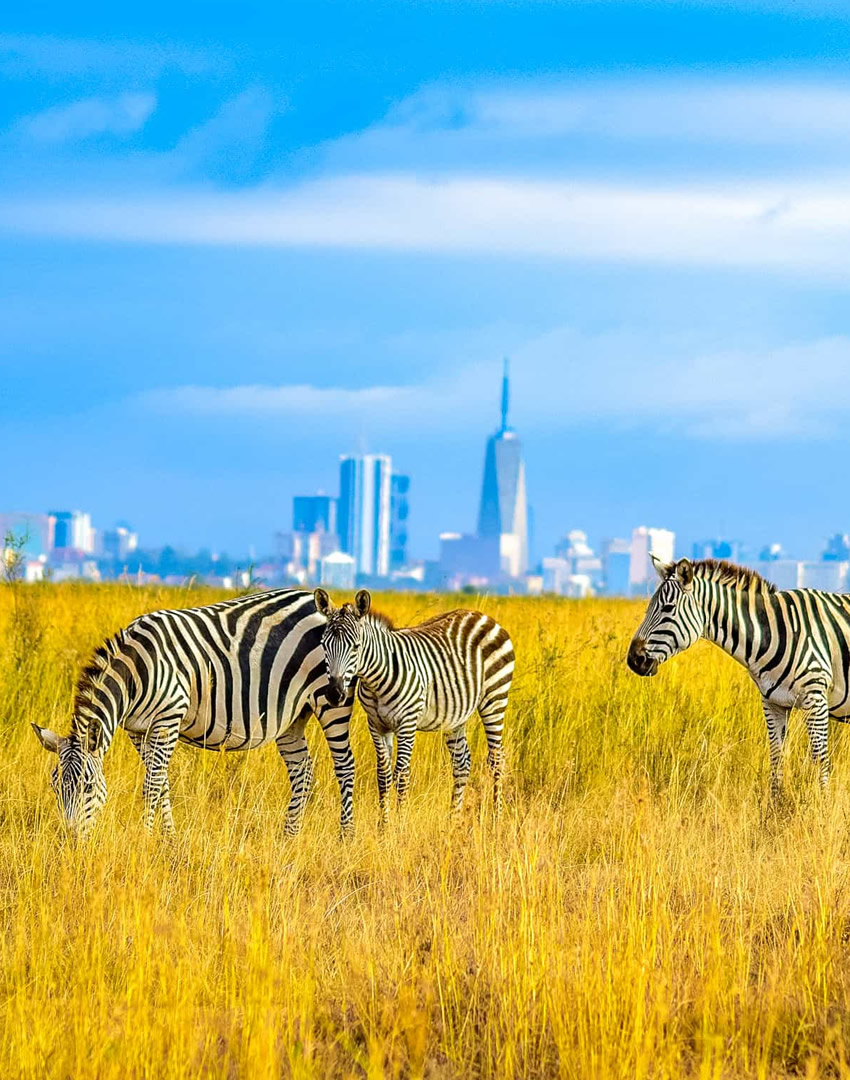
The only national park in the world set against a capital-city skyline. Lions, rhinos, buffalos and giraffes roam with Nairobi's towers rising behind them.
Explore Nairobi NP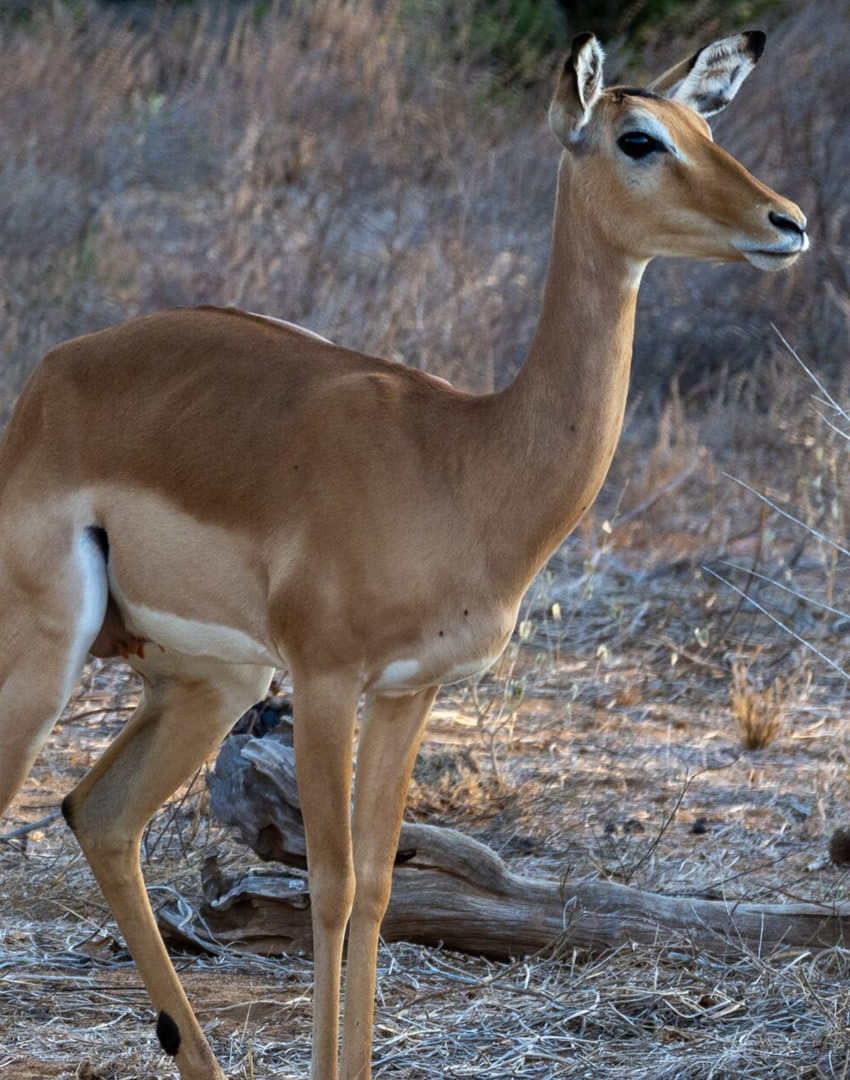
Kenya's largest national park — a vast, rust-coloured wilderness where elephants coat themselves in red laterite soil and maneless lions patrol the plains.
Explore Tsavo East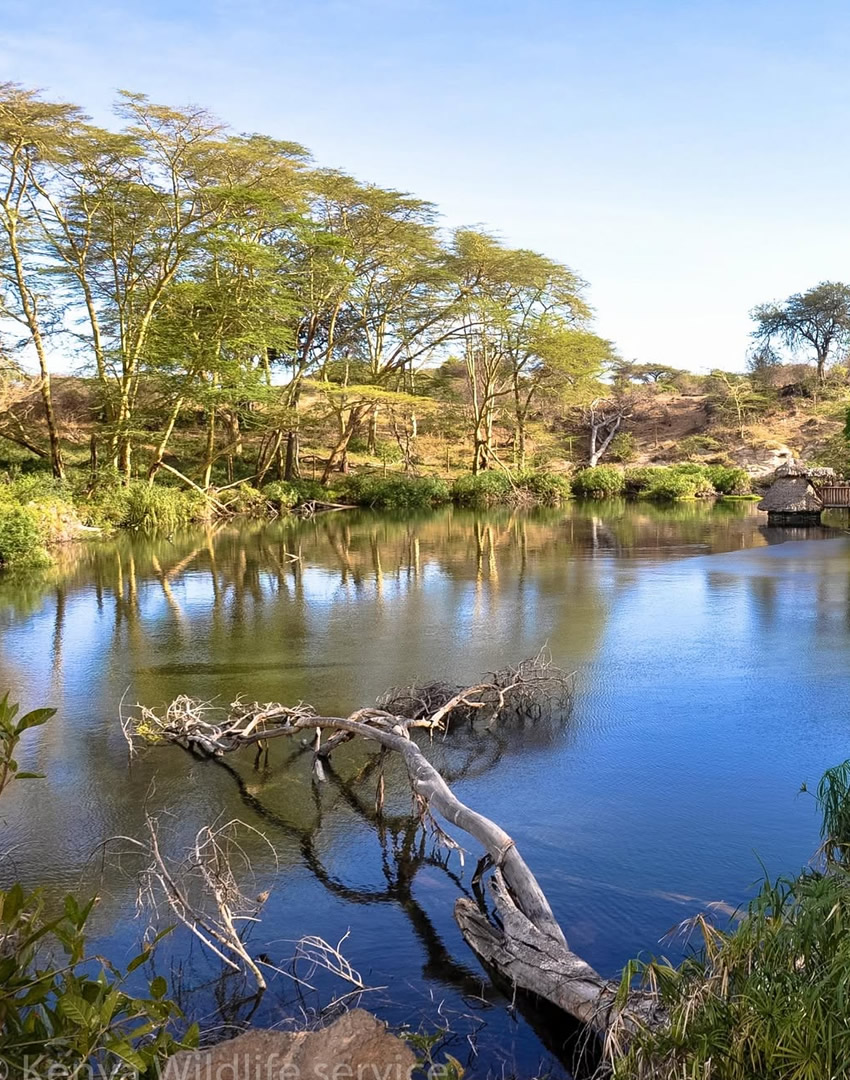
A dramatic landscape of ancient lava flows, rocky outcrops and dense woodland, centred around the crystal-clear Mzima Springs.
Explore Tsavo West