
From face-to-face gorilla encounters on the Virunga volcanoes to Big Five savannah in Akagera and chimpanzee tracking in the oldest montane rainforest in Africa — Rwanda is compact, breathtaking and transformative.
Rwanda rewrites every expectation. A country smaller than Belgium offers mountain gorillas on volcanic slopes, a full Big Five national park reclaimed from the brink, one of Africa's oldest rainforests alive with chimpanzees and colobus monkeys, and a newly gazetted forest reserve connecting two fragments of primate habitat. Immaculate roads, short driving distances, world-class lodges and a commitment to conservation that has become a global benchmark make Rwanda the most seamless and rewarding safari experience in East Africa. Four remarkable parks — each reachable within hours of Kigali — deliver encounters that stay with you for life.
Rwanda's gorilla population has grown steadily for two decades — a direct result of community-led protection, revenue sharing and anti-poaching investment. Akagera was rewilded with lions and rhinos after a generation-long absence. Every park visit directly funds the communities that live alongside wildlife, making tourism and conservation inseparable here.
No other African country packs this much variety into such short distances. Kigali to Volcanoes National Park is a two-hour scenic drive. Akagera is under three hours east. Nyungwe sits five hours south. Immaculate tarmac, minimal traffic and well-organised park systems mean less time in transit and more time in the wild — ideal for shorter itineraries or first-time safari travellers.
Five towering Virunga volcanoes form the backdrop to every gorilla trek. Mist rolls through bamboo forests at 2,700 metres. Tea plantations carpet the hillsides in emerald waves. Crater lakes dot the western highlands. Rwanda's landscapes are green, vertical and cinematic — a striking contrast to the golden savannah that defines most of East Africa.
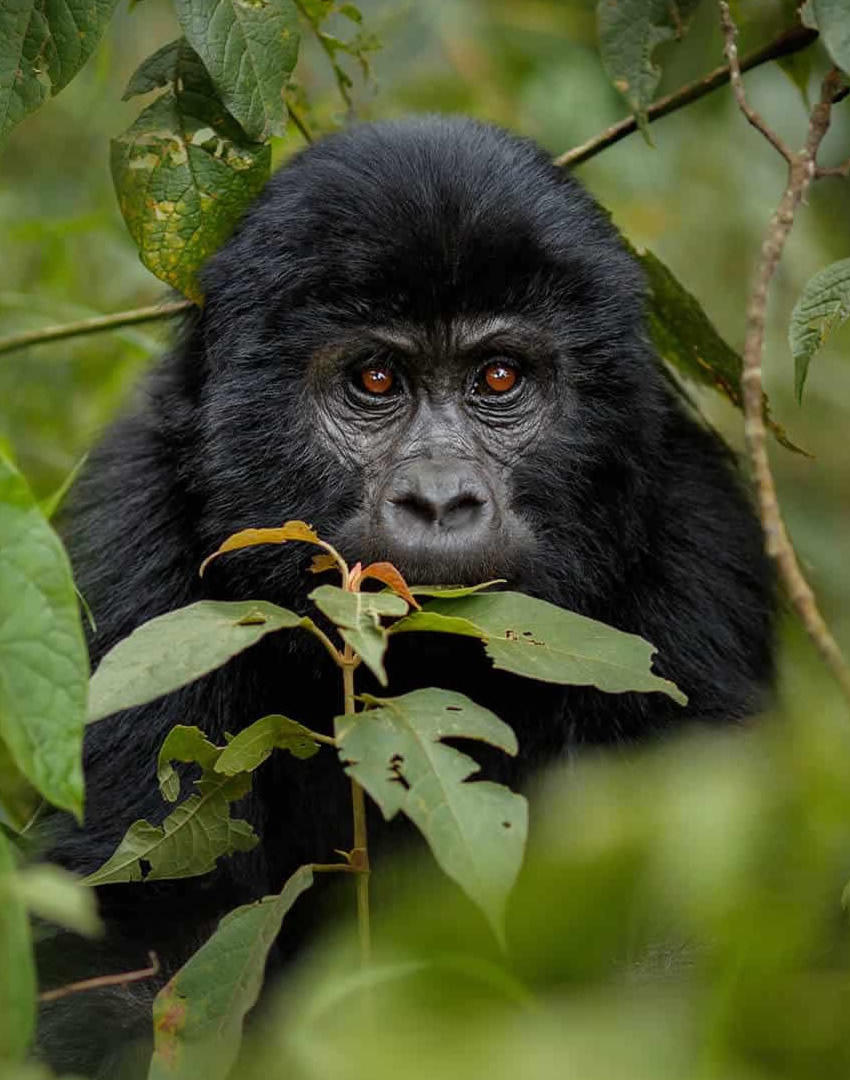
The crown jewel of Rwandan conservation and the original home of Dian Fossey's ground-breaking gorilla research. Ten habituated gorilla families live on the bamboo-clad slopes of the Virunga volcanoes, and trekking to sit with a silverback-led group — mist curling through the forest, the volcano summit above — is among the most profound wildlife encounters on Earth.
Explore Volcanoes NP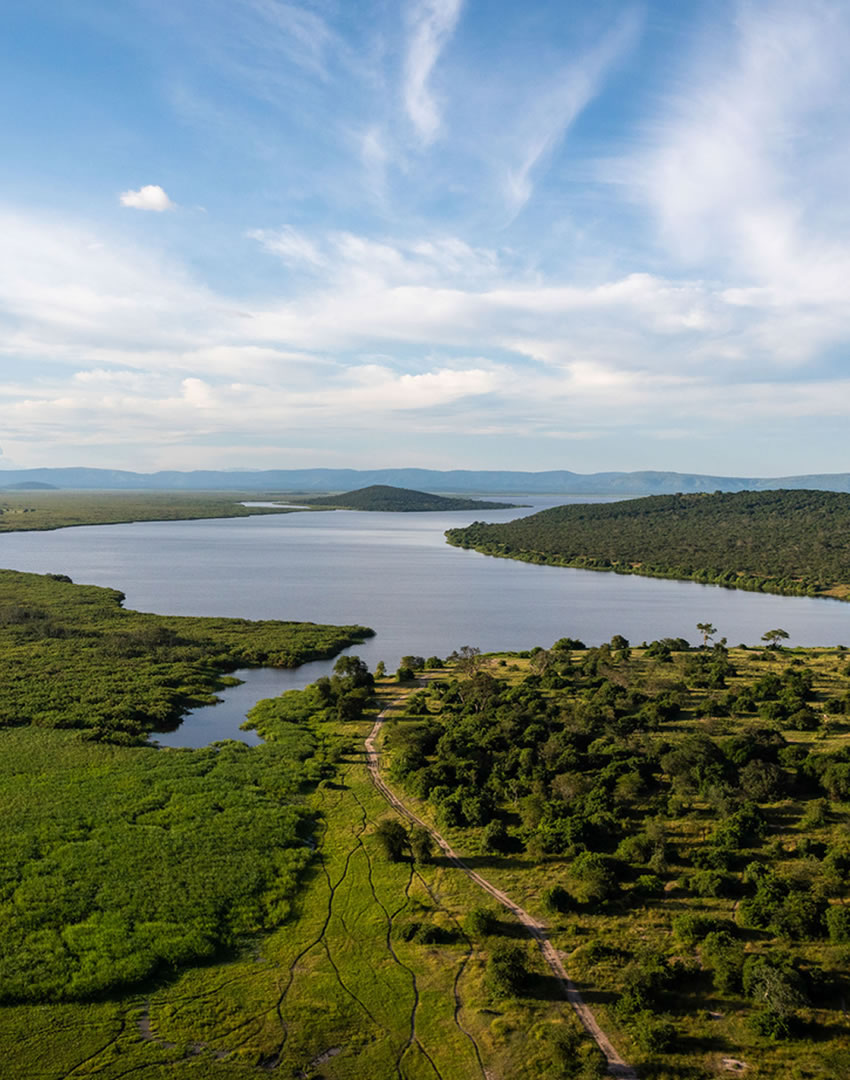
East Africa's greatest conservation comeback. Once depleted, Akagera is now a fully restored Big Five park — lions reintroduced in 2015, black rhinos in 2017 and 2019 — set across a beautiful mosaic of rolling savannah, papyrus-fringed lakes and wooded hillsides along the Tanzanian border. Boat safaris on Lake Ihema deliver outstanding hippo, crocodile and waterbird sightings.
Explore Akagera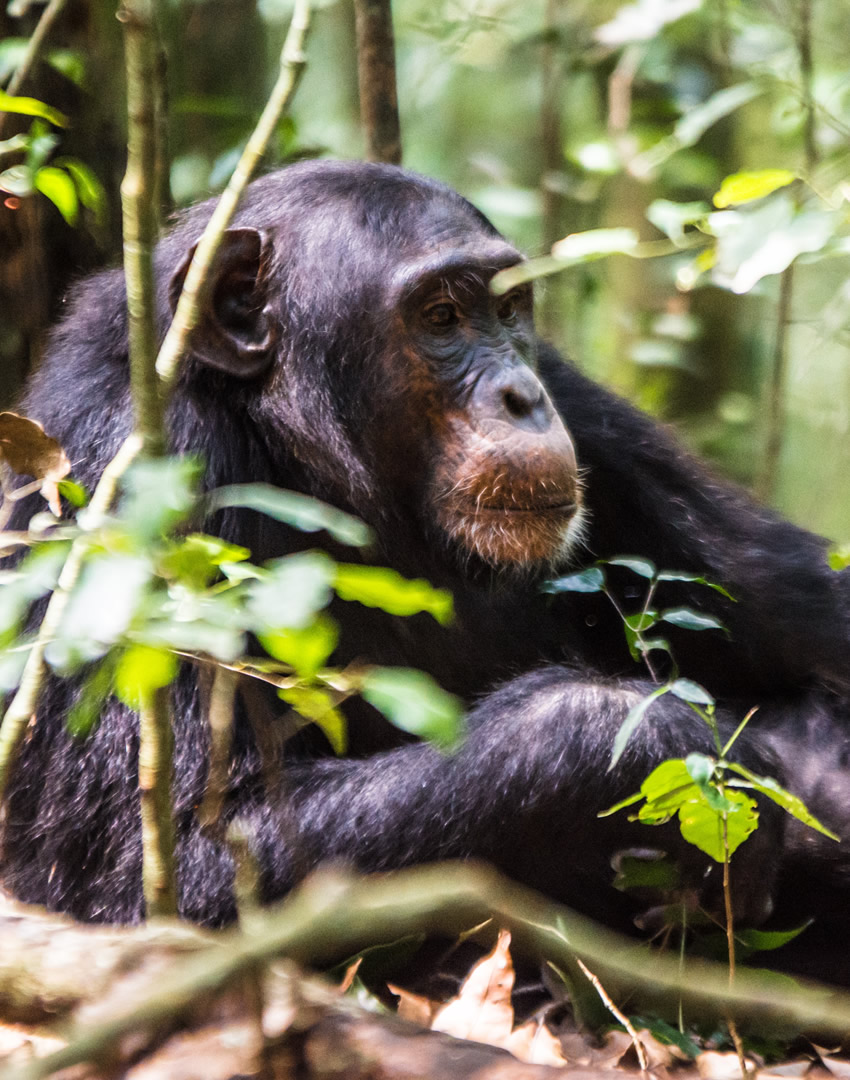
One of the oldest and most biodiverse montane rainforests in Africa, carpeting the mountains of southwestern Rwanda. Nyungwe is the country's premier chimpanzee tracking destination, home to habituated communities alongside twelve other primate species including large troops of Ruwenzori black-and-white colobus. A canopy walkway suspended sixty metres above the forest floor offers a bird's-eye perspective found nowhere else in East Africa.
Explore Nyungwe Forest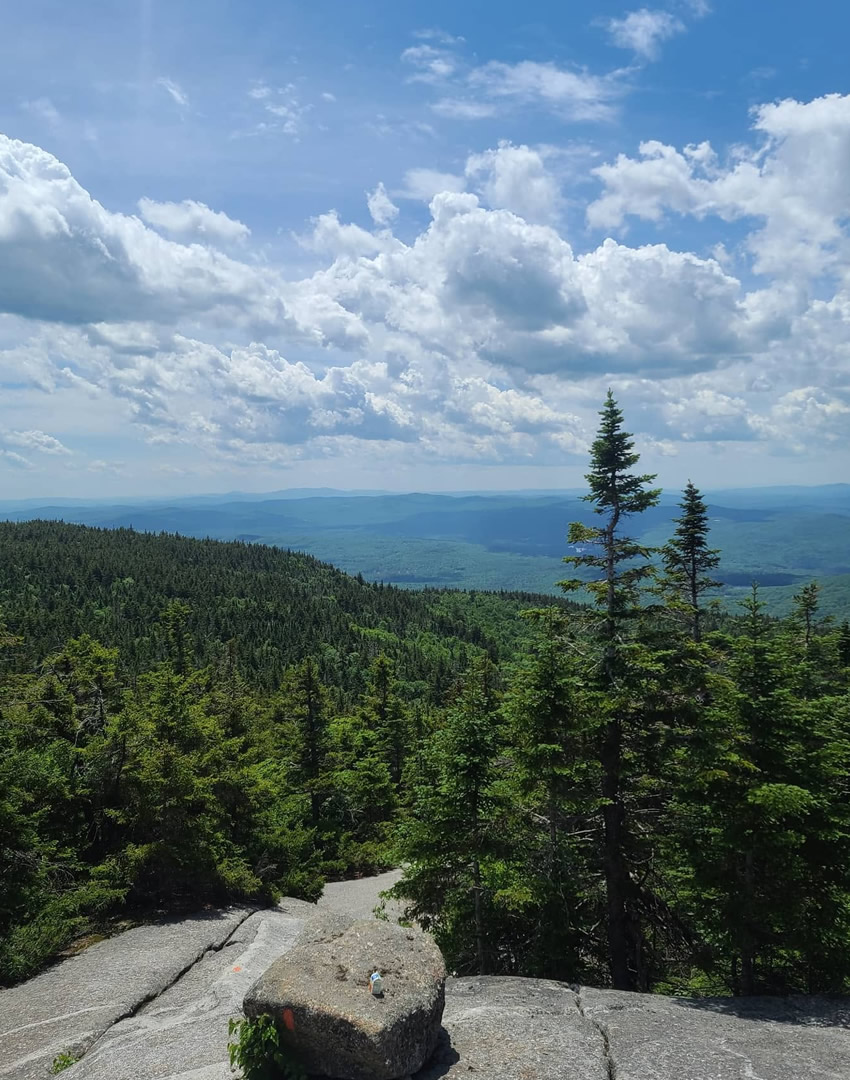
Rwanda's newest national park, gazetted in 2015 to protect and reconnect two fragments of montane forest in the western highlands. Gishwati Mukura is home to a recovering population of eastern chimpanzees, golden monkeys, L'Hoest's monkeys and over 230 bird species. Still largely undiscovered by visitors, it offers a pioneering forest experience for travellers who want to go beyond the established circuit.
Explore Gishwati MukuraRwanda's two dry seasons — June to September and December to February — offer the most comfortable gorilla trekking conditions, with drier trails and clearer skies over the volcanoes. The long rains from March to May make forest trails muddy but bring lush green landscapes, fewer trekkers and discounted permit rates. Akagera's savannah game viewing is best during the dry months when animals gather at water sources. Birding peaks between November and April when migratory species arrive.
Rwanda's gorilla trekking permits are managed by the Rwanda Development Board (RDB) and cost USD 1,500 per person — the premium price funds community development, anti-poaching operations and habitat protection. Each permit grants a one-hour visit with a habituated gorilla family and is allocated to a specific date and group. Only eight trekkers visit each family per day. Peak-season permits (June to September, December to February) should be booked six to twelve months in advance. We secure permits on your behalf as part of every Rwanda gorilla itinerary.
Most nationalities can obtain a thirty-day visa on arrival at Kigali International Airport for USD 50, though applying online in advance via the Rwanda Directorate General of Immigration speeds up the process. The East Africa Tourist Visa (USD 100) covers Rwanda, Uganda and Kenya on a single permit and is ideal for cross-border gorilla or multi-country safari itineraries. A valid passport with at least six months' remaining validity and a Yellow Fever vaccination certificate are required for entry.
Gorilla trekking in Volcanoes NP takes place at altitude — expect cool mornings, rain at any time and thick vegetation underfoot. Sturdy waterproof hiking boots, long trousers, a long-sleeved shirt, gardening gloves for gripping branches and nettles, and a packable rain jacket are essential. Layers are key — you'll warm up on the climb. For Akagera's savannah, pack lighter safari-weight clothing in neutral tones. Binoculars, a camera with no flash, sunscreen and insect repellent belong in every daypack. Rwanda bans single-use plastic bags — pack a reusable alternative.
Rwanda's compact size and excellent road network make all four national parks accessible by road from Kigali. Volcanoes NP is roughly two hours northwest; Akagera is under three hours east; Nyungwe is approximately five hours southwest via the stunning Lake Kivu shoreline road. Private 4×4 transfers are the standard, and domestic helicopter charters are available for travellers who want to cut transit time further. Every itinerary we build includes all transfers, so you simply enjoy the journey — and in Rwanda, the drive itself is part of the experience.