
Kenya's wild, arid north — where ancient river-lined forests meet rust-red desert, and species found nowhere else in the country roam beneath towering doum palms along the Ewaso Ng'iro.
Samburu National Reserve covers 165 square kilometres of semi-arid scrubland, riverine forest, and open savannah on the banks of the Ewaso Ng'iro River in northern Kenya's Isiolo County. Together with the adjacent Buffalo Springs and Shaba reserves, it forms part of a larger 500 km² ecosystem that represents a landscape and wildlife community dramatically different from Kenya's southern parks.
The Ewaso Ng'iro — meaning "river of brown water" in the Samburu language — is the lifeline of this arid region. Fed by the snowmelt and rainfall of Mount Kenya and the Aberdare Range, the river cuts a green corridor through otherwise harsh, scrubby terrain. Its doum palm-lined banks attract dense concentrations of elephant, lion, leopard, hippo, crocodile, and the remarkable Samburu Special Five — five species found almost nowhere else in Kenya's popular safari circuit.
Named after the Samburu people — a semi-nomadic, pastoralist community closely related to the Maasai — the reserve offers a rawer, less-visited experience than Kenya's headline parks. The landscape is dramatic and photogenic: red earth, grey volcanic rock, vast skies, and a low-altitude heat haze that lends the afternoons an almost cinematic quality. Samburu rewards those who seek something beyond the familiar.
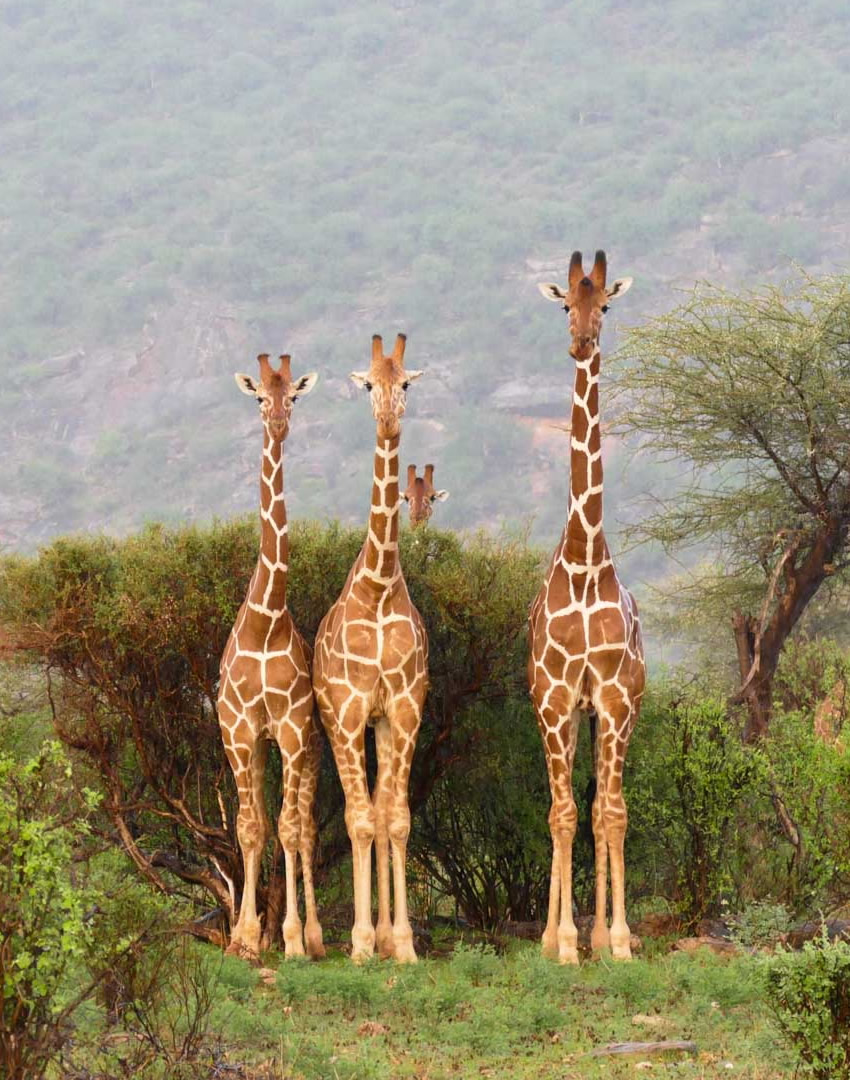
Samburu offers what no southern park can — rare species, raw landscapes, and a wilder, quieter kind of safari.
Five species rarely or never seen in Kenya's southern parks call Samburu home: the reticulated giraffe, Grevy's zebra, Beisa oryx, Somali ostrich, and the gerenuk — the elegant, long-necked antelope that feeds standing upright on its hind legs. All five are virtually guaranteed here.
The river is the reserve's spine and its stage. Crocodiles bask on the banks, hippos wallow in the deeper pools, elephants cross in family groups at sunset, and leopards hunt the dense riverine forest after dark. Every game drive returns to the river — it is where the action concentrates.
Samburu's riverine forest produces some of the finest leopard encounters in Africa. The combination of doum palms, fig trees, and dense understorey creates ideal habitat, and skilled local guides know individual leopards by name and territory. Sightings are frequent and prolonged.
Rust-red earth, grey volcanic ridges, and shimmering heat haze give Samburu a visual character that feels closer to the Horn of Africa than to the green highlands further south. The light is extraordinary — warm, low, and saturated — and the skies are immense.
The Samburu are semi-nomadic pastoralists closely related to the Maasai but with distinct traditions, dress, and social structure. Cultural visits offer encounters with a proud and photogenic community — elaborate beadwork, warrior dances, and a deep connection to the livestock and landscape that define their lives.
Samburu receives a fraction of the visitor traffic of the Maasai Mara or Amboseli. Game drives feel exclusive, sightings are unhurried, and the sense of genuine wilderness — particularly in the early morning — is palpable. This is Kenya's wild north, and it feels like it.
Samburu National Reserve lies in Isiolo County, approximately 350 kilometres north of Nairobi and 25 kilometres north of Isiolo town. The reserve sits on the southern bank of the Ewaso Ng'iro River, directly opposite Buffalo Springs National Reserve — the two are separated only by the river itself and managed as a connected ecosystem.
Shaba National Reserve extends further east, completing a trio of northern reserves that together protect over 500 km² of arid and semi-arid habitat. The landscape here is markedly different from the Rift Valley and southern highlands: lower in elevation, hotter, drier, and shaped by the volcanic geology of the Matthews Range and the Nyambeni Hills to the east. Mount Kenya, whose meltwater feeds the Ewaso Ng'iro, is visible on clear days from the reserve's higher ground.
From dawn leopard tracking along the river to Samburu warrior dances at dusk — the north delivers a different kind of safari day.
Morning and afternoon drives along the Ewaso Ng'iro and into the scrublands beyond. Expect elephant, lion, leopard, buffalo, hippo, crocodile, and all five of the Samburu Special Five — often within a single circuit. Guides here are among the best trackers in Kenya.
The dense doum palm and fig-tree forest along the river is prime leopard territory. Experienced guides know individual cats by sight and can often predict where they will rest, hunt, or cross the road. Samburu is one of the most reliable leopard destinations in East Africa.
Visit a Samburu manyatta to experience warrior dances, traditional songs, and the elaborate beadwork that defines Samburu identity. Learn about the age-set system, cattle-herding traditions, and the community's evolving relationship with wildlife and conservation.
Over 350 species recorded, including several northern-range specialities difficult to find elsewhere in Kenya — the vulturine guineafowl, golden-breasted starling, Egyptian vulture, and the Somali ostrich. The riverine belt and dry-country scrub create a rich mosaic of habitat.
Many of Samburu's lodges sit directly on the Ewaso Ng'iro, allowing game viewing from your terrace or the camp pool. Watch elephants bathe, crocodiles glide past, and monitor lizards patrol the banks — all without leaving the camp grounds.
Available at selected camps outside the reserve boundary, night drives reveal Samburu's nocturnal cast — striped hyena, aardwolf, porcupine, genet, and African wild cat. The northern sky, far from any city light, is a spectacle in its own right.
Samburu's arid climate means wildlife concentrates along the river year-round, but the dry months deliver the most reliable game-viewing and comfortable conditions.
The prime months for Samburu. As water sources elsewhere dry up, wildlife funnels towards the Ewaso Ng'iro in spectacular density. Elephant herds gather at the river in the hundreds, predator activity intensifies, and the sparse vegetation makes sightings effortless. January and February are hot and dry; July to September is cooler with the lowest rainfall.
The long rains (April–May) can make some tracks temporarily impassable, and wildlife disperses into the surrounding rangelands. November's short rains are lighter and rarely disruptive. The green season brings migratory birds, newborn animals, and dramatically reduced visitor numbers — some camps close, but those that stay open offer exceptional value and solitude.
A scenic journey north from Nairobi — by air, by road, or via the Laikipia Plateau.
Daily scheduled flights from Nairobi's Wilson Airport to Samburu's airstrip at Orchard Camp or Kalama take approximately one hour. Safarilink and AirKenya operate the route. Lodge transfers from the airstrip are included in most packages — a short, scenic drive into the reserve.
The drive from Nairobi to Samburu takes approximately 5.5 to 6 hours via Nanyuki and Isiolo on the A2 highway. The road passes through the central highlands, across the equator at Nanyuki, and descends into the arid lowlands — a dramatic shift in landscape, altitude, and temperature.
Samburu pairs naturally with the Laikipia Plateau — Ol Pejeta Conservancy and Lewa Wildlife Conservancy are both en route. A typical northern-circuit itinerary stops at Ol Pejeta or Lewa before continuing north to Samburu, combining highland and lowland ecosystems in one journey.
Red earth, rare species, and the Ewaso Ng'iro's green ribbon through the desert.
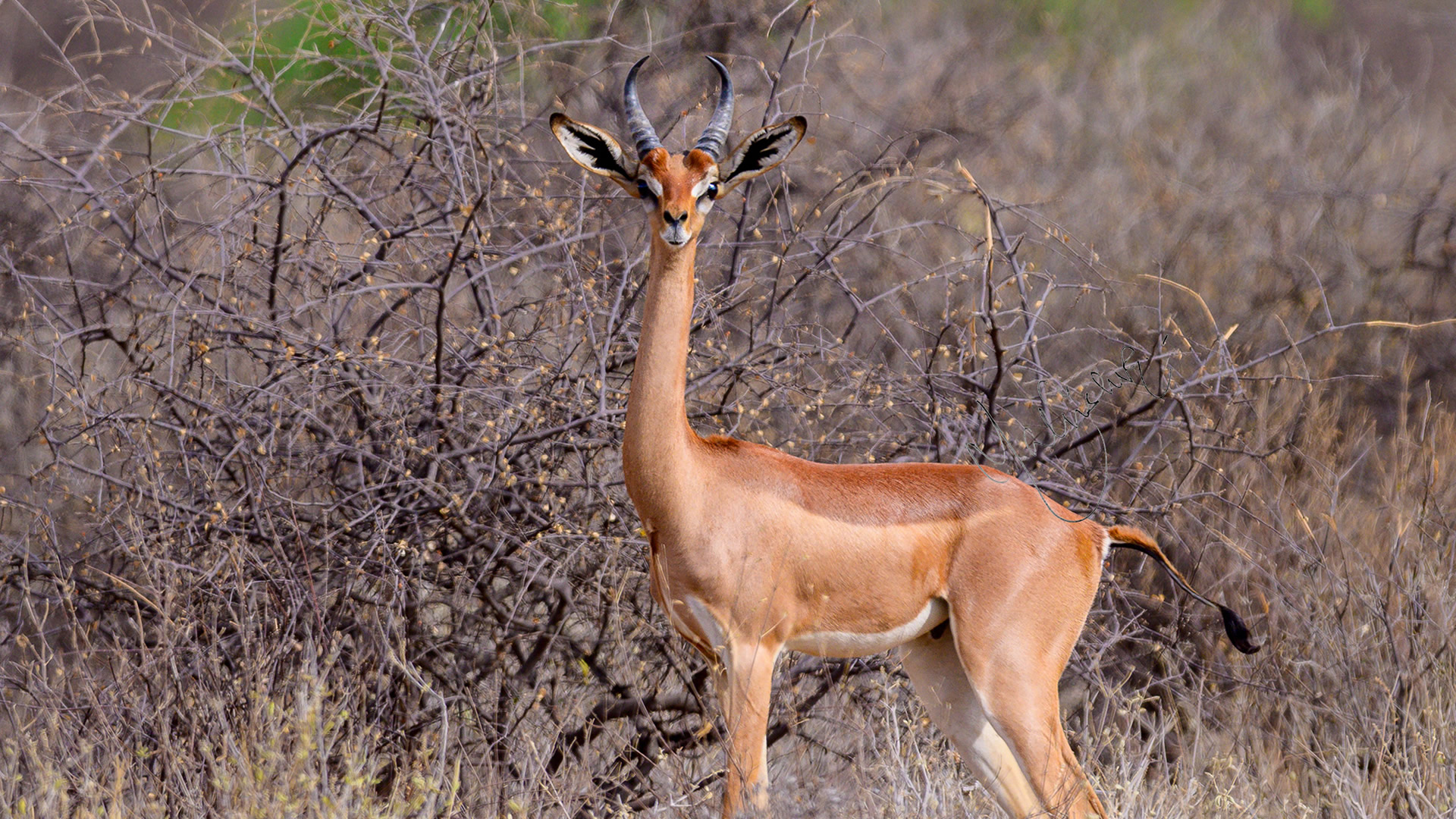
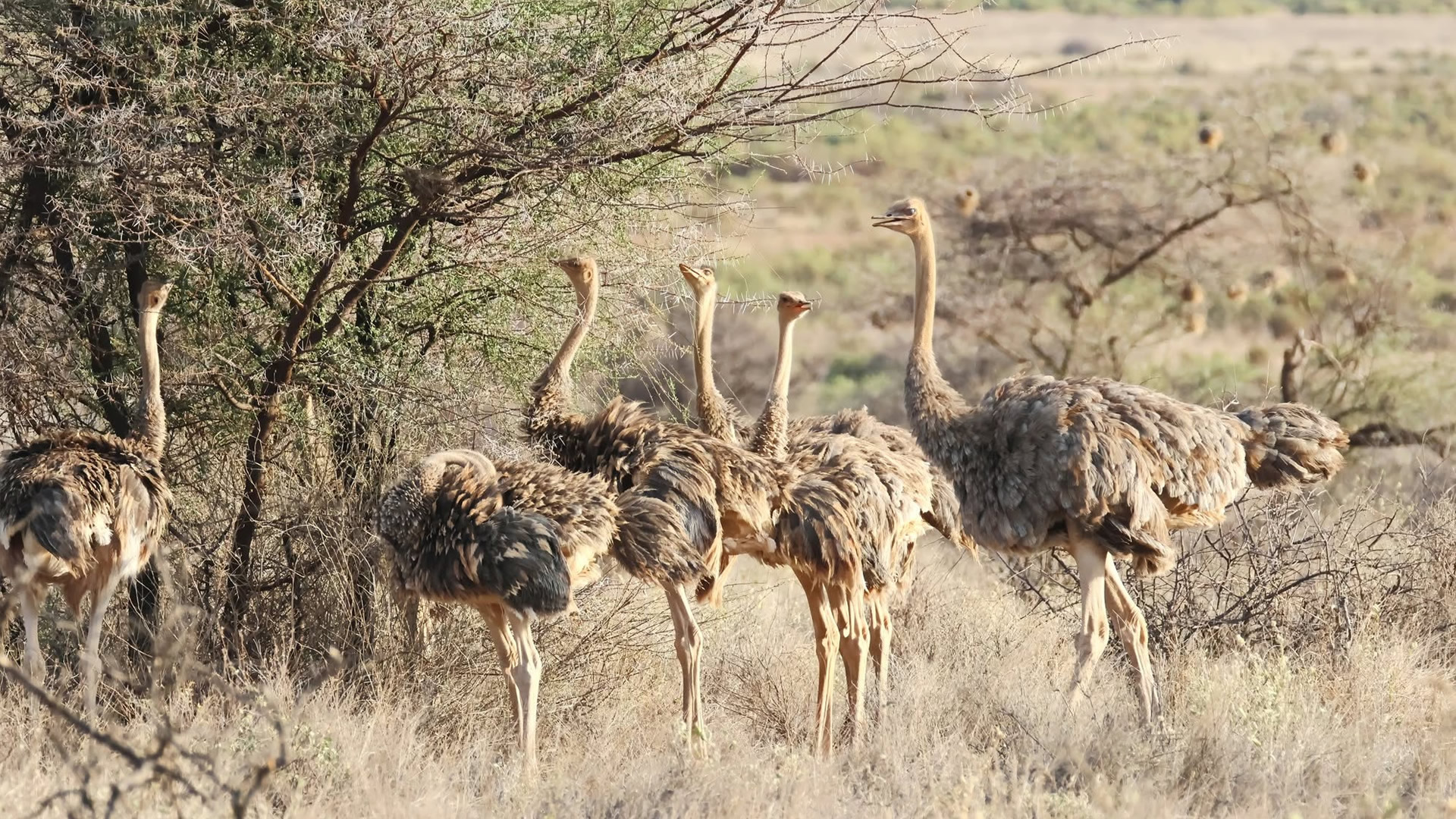
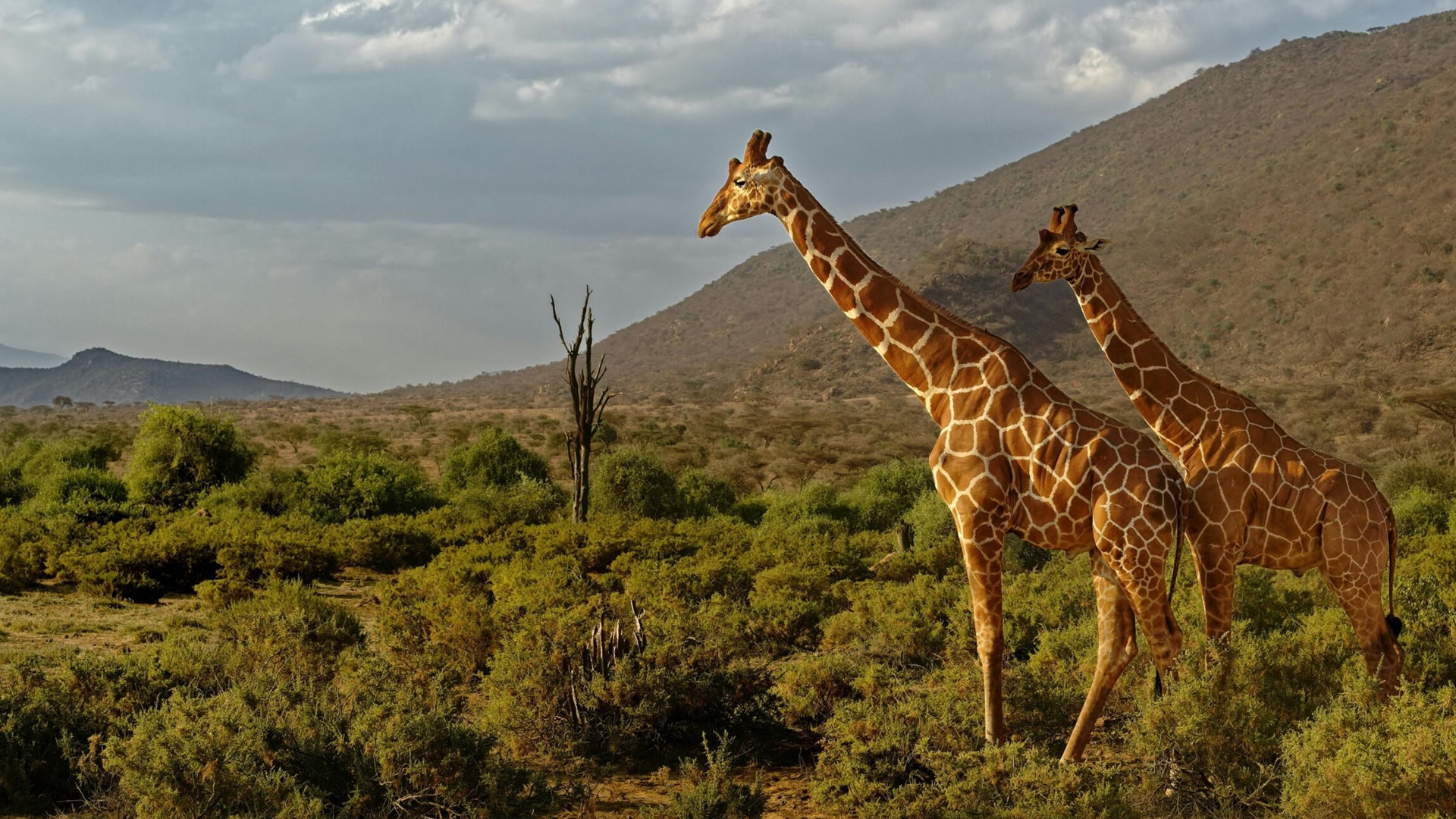
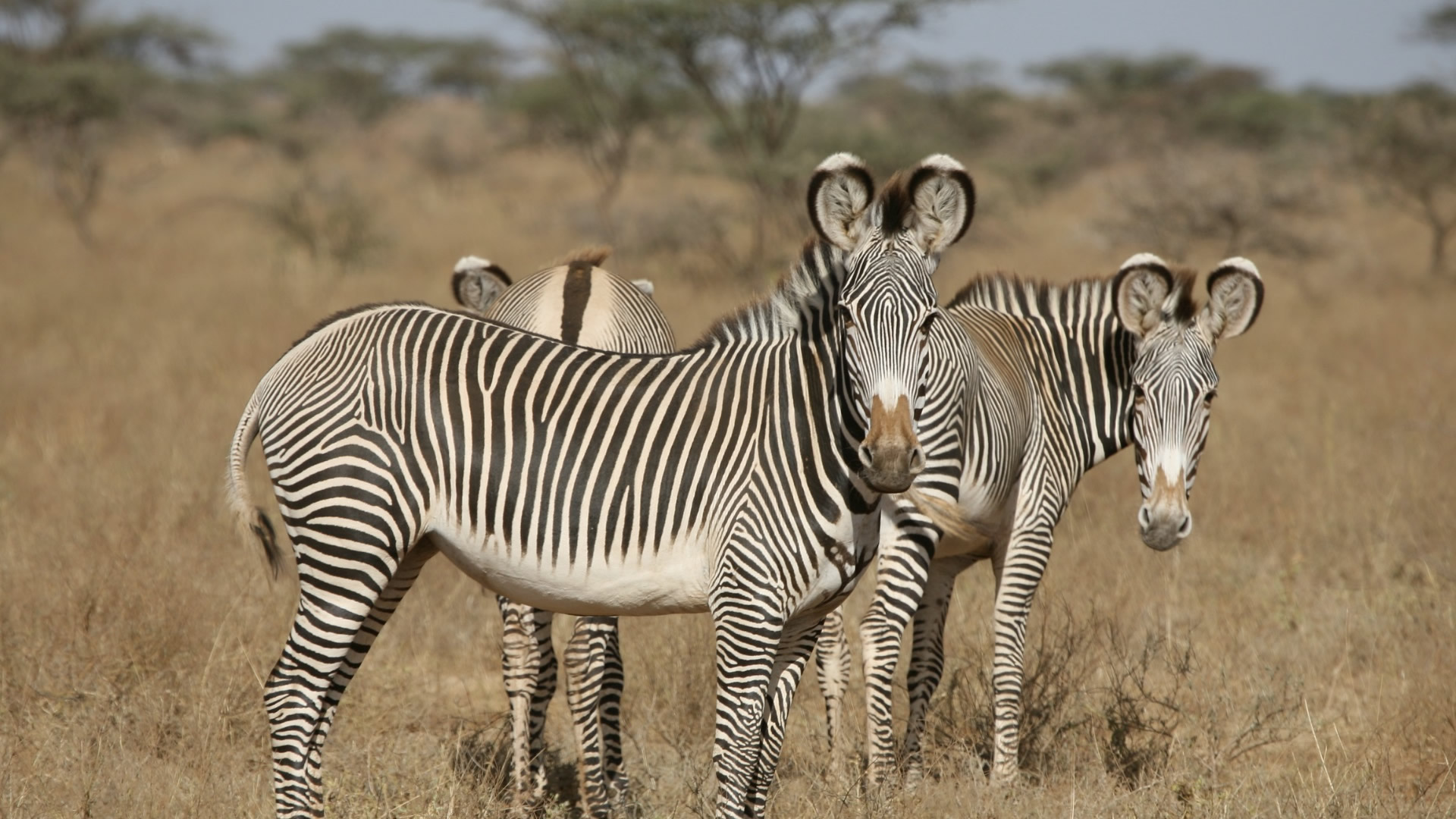
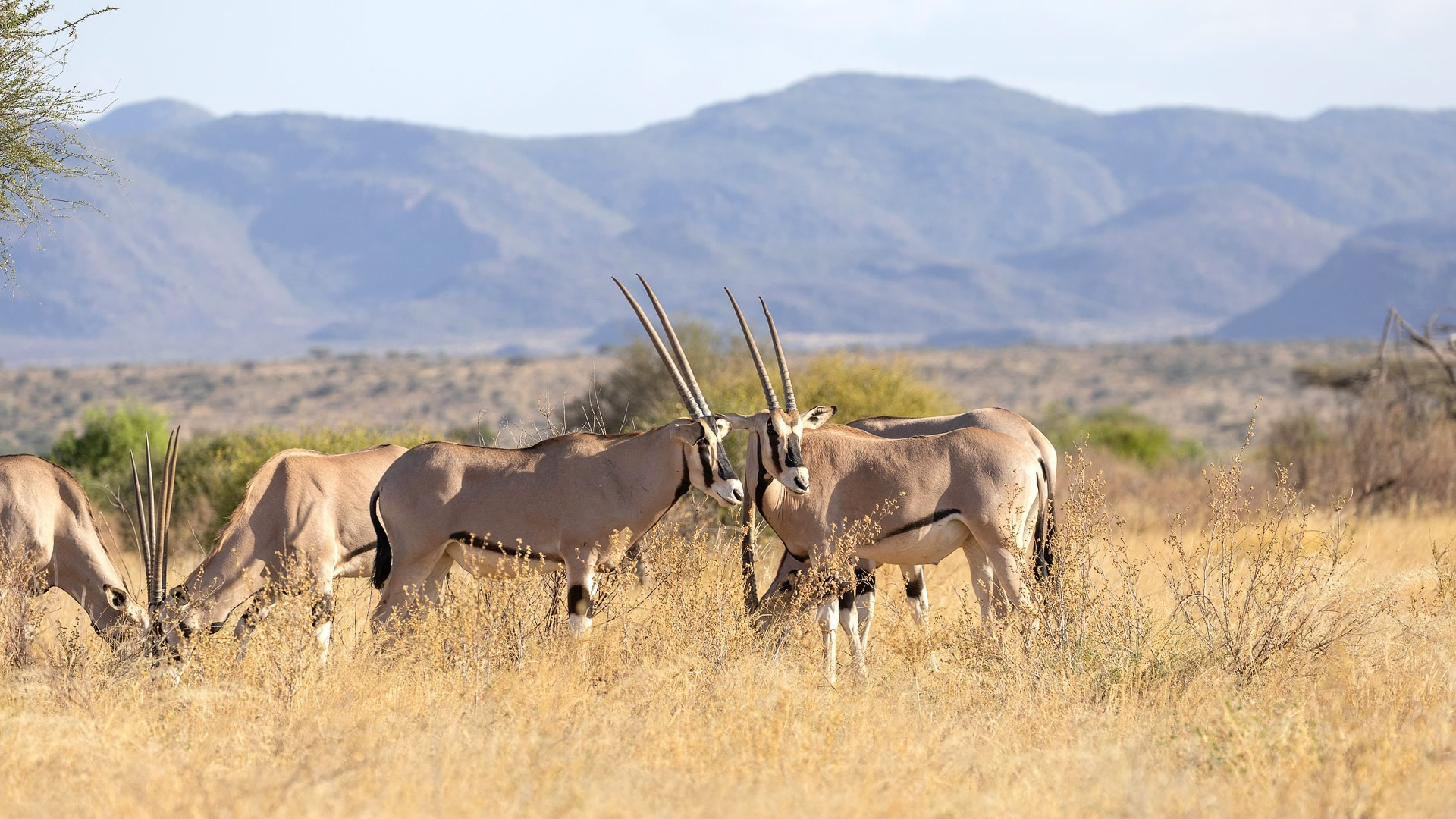
The Samburu Special Five are five species that thrive in northern Kenya's arid conditions and are rarely or never seen in the country's popular southern parks. They are the reticulated giraffe (with its distinctive geometric coat pattern), the Grevy's zebra (larger and more finely striped than the common zebra), the Beisa oryx (a large, straight-horned antelope), the Somali ostrich (with blue-grey legs rather than pink), and the gerenuk (a long-necked antelope that feeds standing on its hind legs). All five are regularly seen in Samburu — often within a single morning's game drive.
Yes. Samburu National Reserve and its neighbouring reserves are well-managed, well-patrolled, and regularly visited by international travellers. The reserve has dedicated rangers and an active community conservation programme. All reputable safari operators travel established routes and maintain close communication with local security networks. As with any Kenyan park, visitors should follow their guide's advice and travel with a registered operator.
Samburu sits at approximately 900 metres elevation — lower and warmer than Kenya's highland parks. Daytime temperatures regularly reach 30–35°C during the dry season, dropping to a comfortable 18–22°C at night. January and February are the hottest months. The warmth is part of the experience — the heat haze, the dusty light, and the slow movement of wildlife along the river all contribute to Samburu's distinctive atmosphere. Light, breathable clothing and plenty of water are essential.
Two nights (three days) is the standard recommendation — enough for four or five game drives and a cultural visit. Three nights allows a more relaxed pace with time for a full-day drive into the further reaches of the reserve and Buffalo Springs, and better odds of finding elusive species like striped hyena and wild dog. If combining Samburu with the Laikipia Plateau (Ol Pejeta or Lewa), two nights at each creates a superb northern-circuit itinerary.
All three reserves share the Ewaso Ng'iro River ecosystem. Samburu National Reserve lies on the northern bank of the river; Buffalo Springs National Reserve occupies the southern bank directly opposite. Shaba National Reserve extends further east and is more remote, with volcanic landscapes and natural hot springs. Most safari lodges and camps are concentrated in Samburu and Buffalo Springs, and a single entrance ticket covers both. Shaba requires a separate entry fee and is less frequently visited.
Non-resident adult entry fees are currently USD 70 per person per day (24-hour period), with children aged 3–17 paying USD 40. A single ticket covers both Samburu and Buffalo Springs reserves. Shaba requires a separate fee. All park fees on Kuldip's Touring Company safari packages are included in the quoted price.
Yes — the Samburu-to-Mara combination is one of Kenya's classic safari routes, offering the greatest contrast in landscape and species in a single trip. The most practical connection is a scheduled flight from Samburu to Nairobi (1 hour), then Nairobi to the Mara (45 minutes). Overland transfers via Nanyuki and Naivasha are also possible for those who prefer the scenic route. A typical itinerary allocates two or three nights in Samburu followed by three or four in the Mara.
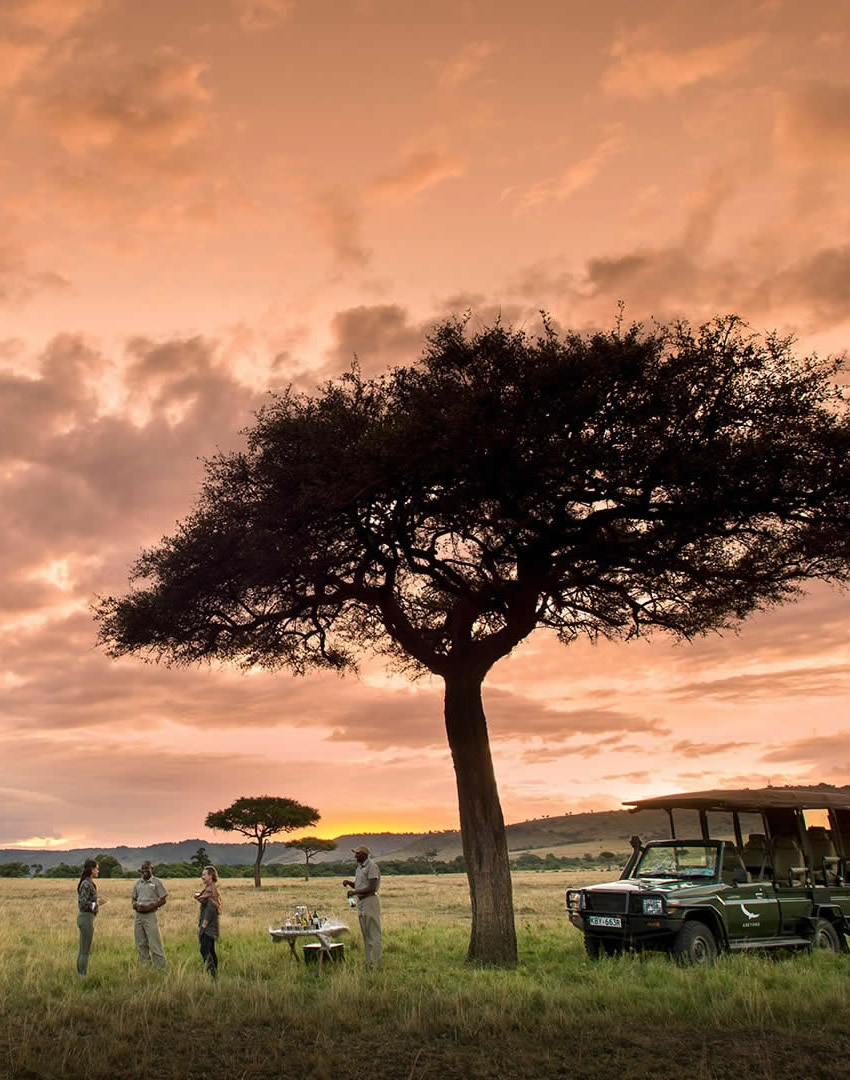
Kenya's most celebrated reserve and the northern stage of the Great Wildebeest Migration. Vast open grasslands deliver exceptional big cat sightings year-round.
Explore the Mara
A soda lake fringed by millions of flamingos and surrounded by a compact national park that shelters both black and white rhino.
Explore NakuruAn arid wilderness bisected by the Ewaso Nyiro river, home to the famous Special Five — Grevy's zebra, reticulated giraffe, Somali ostrich, gerenuk and Beisa oryx.
Explore Samburu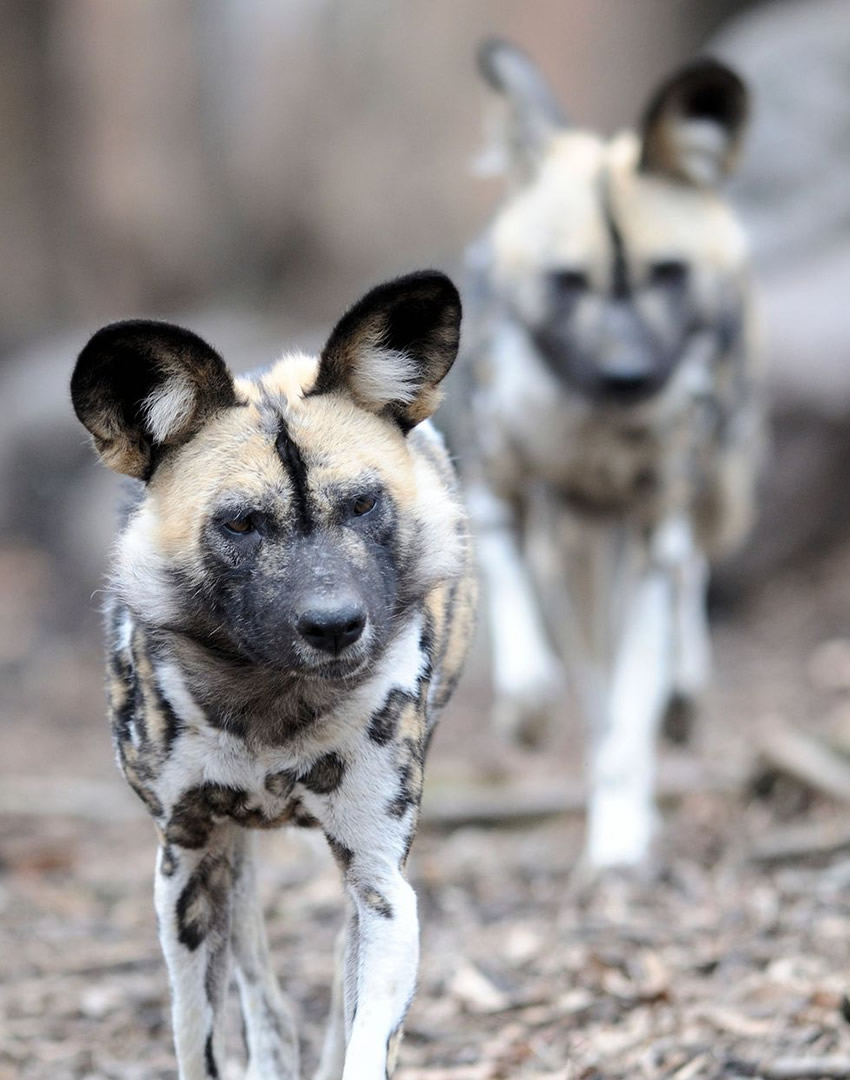
Made famous by Joy Adamson's Born Free story, Meru is a lush, under-visited wilderness of palm-lined rivers, dense bush and open grassland.
Explore Meru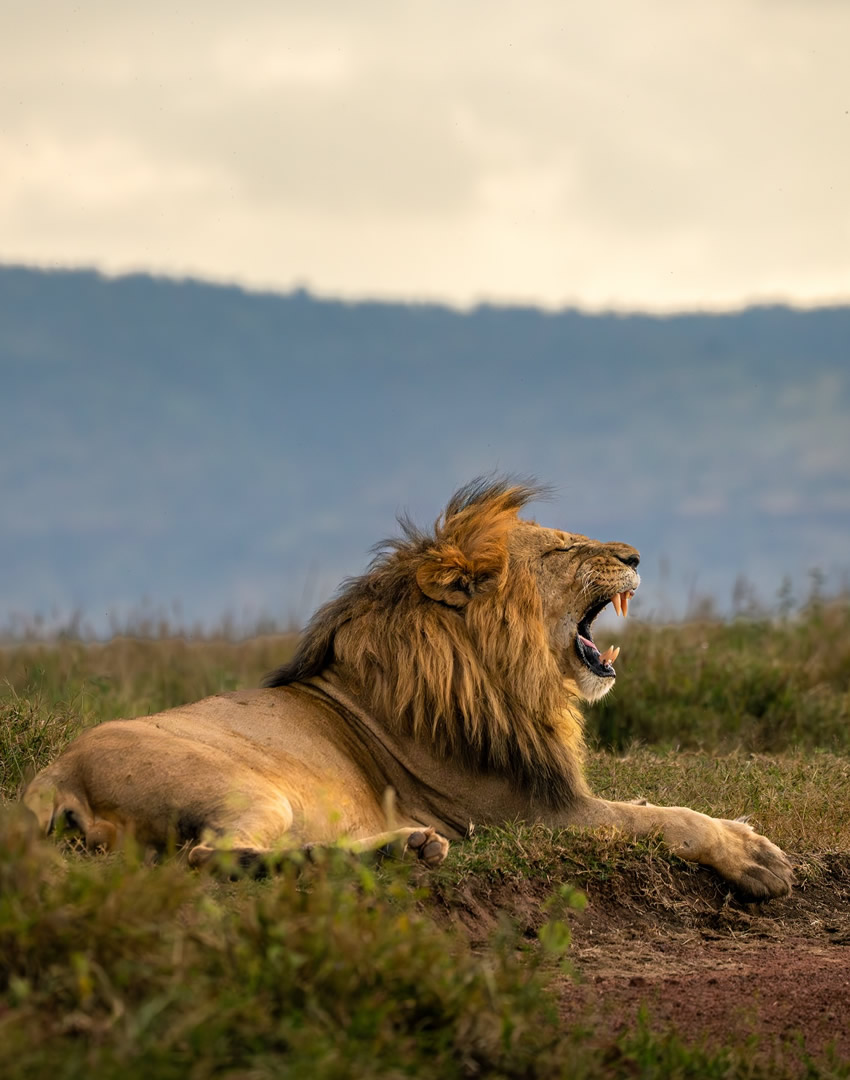
A private conservancy at the foot of Mount Kenya and one of Africa's greatest conservation success stories with exceptional rhino sightings.
Explore Lewa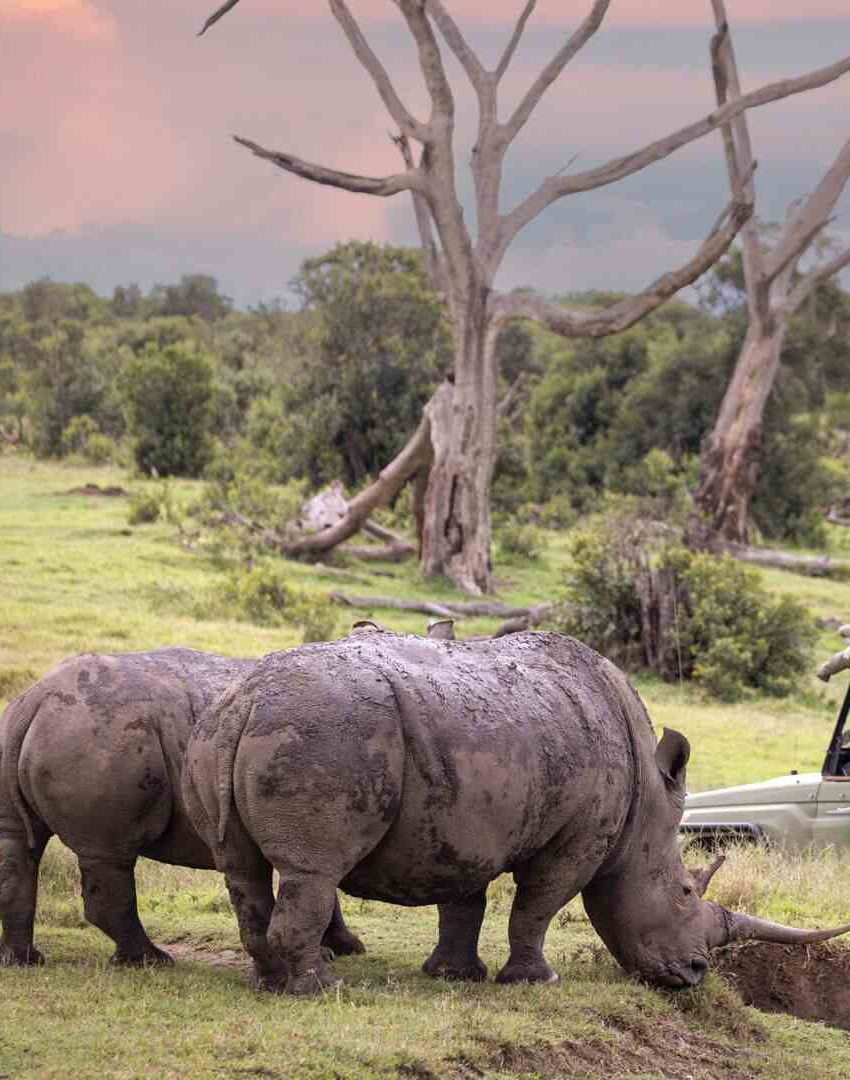
East Africa's largest black rhino sanctuary and home to the world's last two northern white rhinos. Big Five game drives and night drives.
Explore Ol Pejeta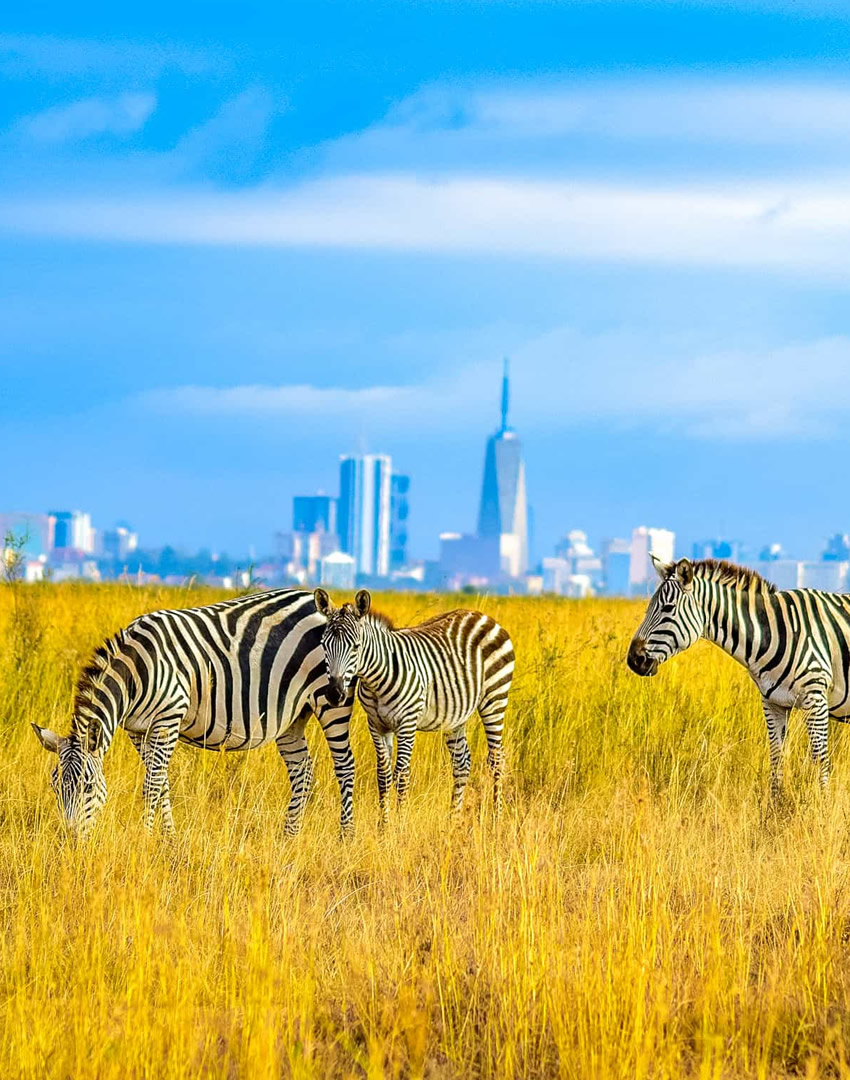
The only national park in the world set against a capital-city skyline. Lions, rhinos, buffalos and giraffes roam with Nairobi's towers rising behind them.
Explore Nairobi NP
Kenya's largest national park — a vast, rust-coloured wilderness where elephants coat themselves in red laterite soil and maneless lions patrol the plains.
Explore Tsavo East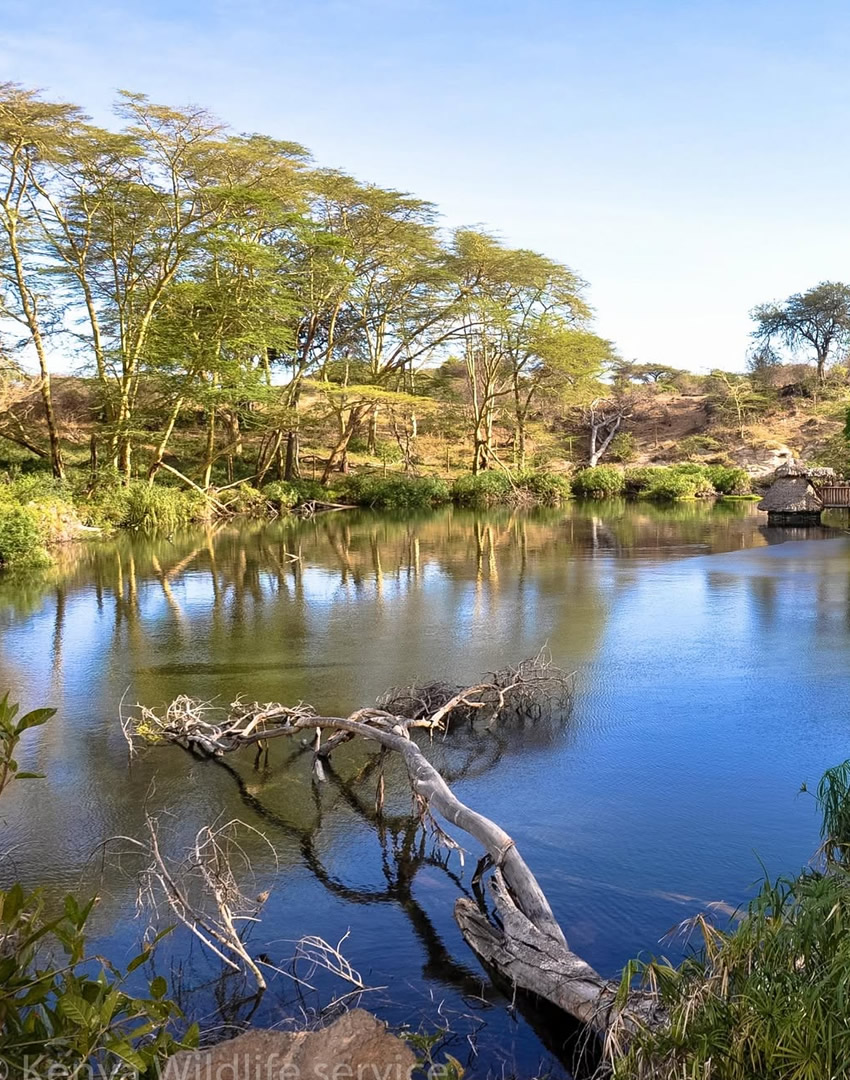
A dramatic landscape of ancient lava flows, rocky outcrops and dense woodland, centred around the crystal-clear Mzima Springs.
Explore Tsavo West