
Where Africa's largest elephants move in slow procession across sun-bleached plains, framed by the snow-capped summit of Kilimanjaro — the most photographed backdrop in all of African wildlife.
Amboseli National Park covers 392 square kilometres of semi-arid savannah at the foot of Mount Kilimanjaro, Africa's tallest mountain at 5,895 metres. Situated in Kajiado County, approximately 240 kilometres south-east of Nairobi, the park straddles the Kenya–Tanzania border and draws its lifeblood from Kilimanjaro's underground meltwater — snowmelt that seeps through volcanic rock for decades before surfacing as the springs and swamps that sustain Amboseli's extraordinary concentrations of wildlife.
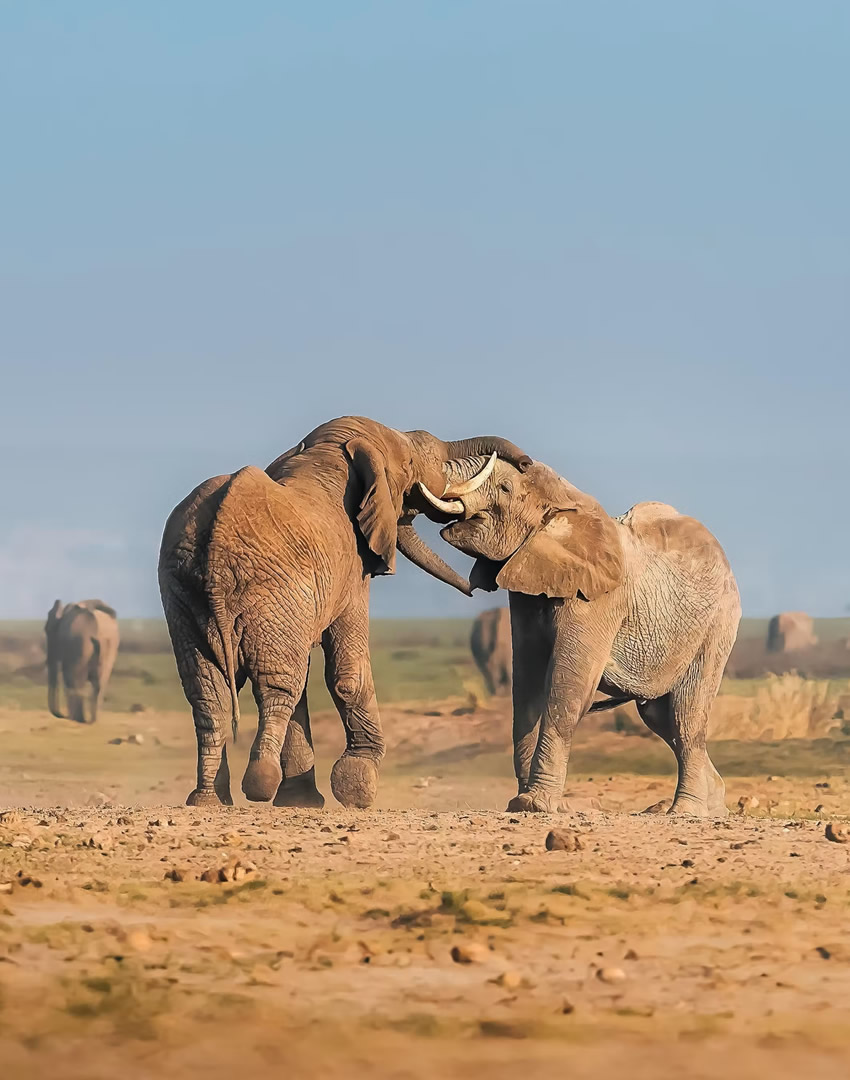
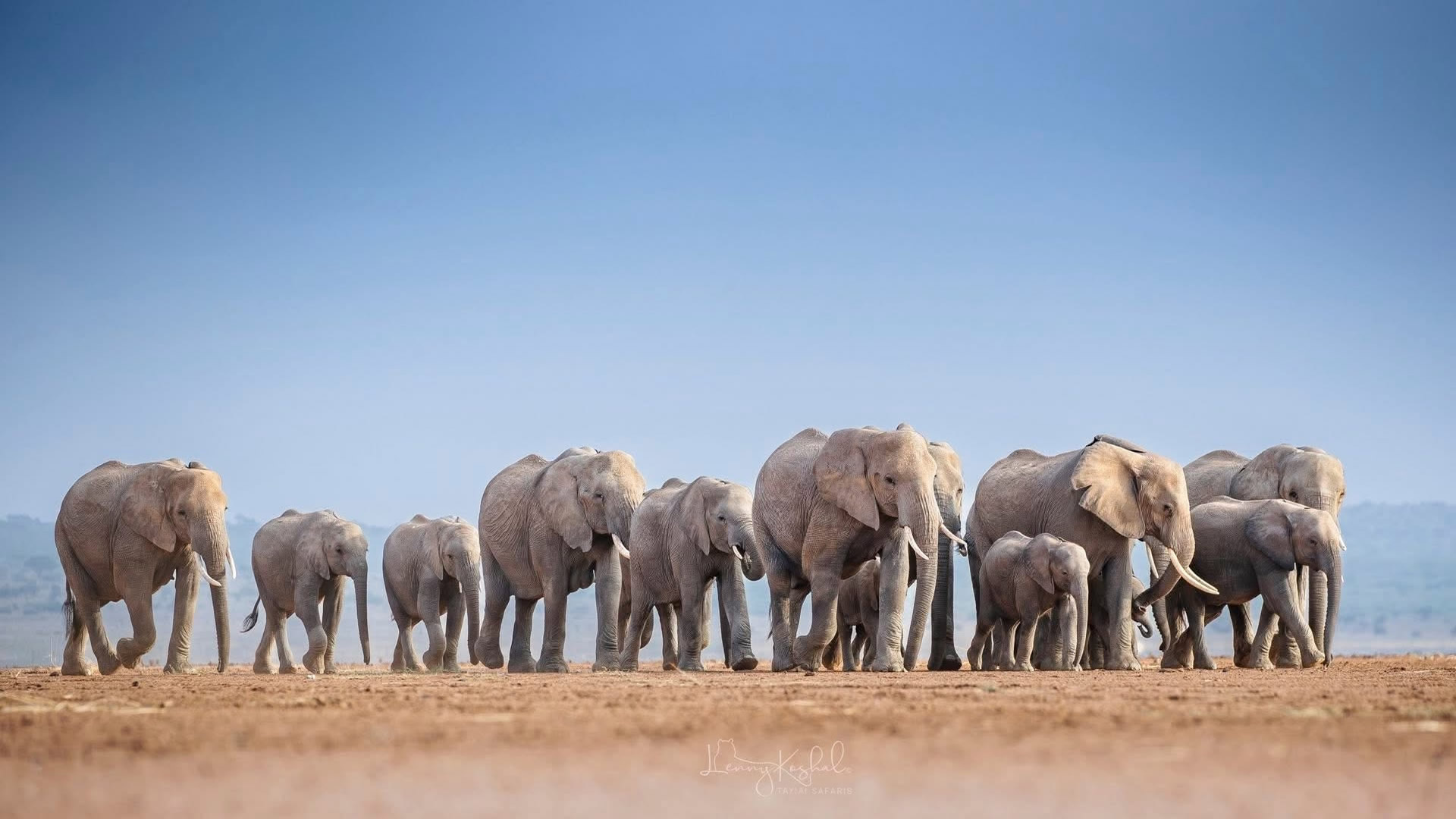
The park is synonymous with elephants. Amboseli is home to over one thousand of them — some of the largest-tusked individuals remaining in Africa — and they move in family groups across open plains that offer unbroken sightlines in every direction. The Amboseli Elephant Research Project, established by Dr Cynthia Moss in 1972, has studied these herds for over five decades, making them among the most documented elephant populations on Earth.
Beyond the elephants, Amboseli's five distinct habitats — dried-up lake bed, sulphur springs, swamps, open woodland, and savannah — support lion, cheetah, buffalo, giraffe, hippo, over 400 bird species, and occasional leopard sightings. But it is the park's defining composition — large animals against Kilimanjaro's snowy crown — that has made Amboseli one of the most photographed landscapes in African wildlife.
From Kilimanjaro's silhouette at dawn to swamp-edge elephant encounters at dusk — here is what makes this park unforgettable.
No other national park on the continent places Africa's highest mountain directly behind the wildlife. On clear mornings, Kilimanjaro's snow-capped dome floats above the horizon, turning every elephant silhouette into a photograph that defines the safari experience.
Amboseli is home to over a thousand elephants — among the most studied and best-protected populations in Africa. Here, you don't just spot elephants from a distance; herds walk directly past your vehicle, close enough to hear their breathing and watch the calves play.
The largely treeless terrain provides 360-degree visibility. Predator–prey dynamics play out in full view across kilometres of open ground — there is no guesswork, no dense bush blocking the action. Every sighting is unhurried and unobstructed.
Kilimanjaro's underground meltwater surfaces here as permanent springs and swamps — green oases in the dusty landscape. These wetlands concentrate hippo, buffalo, jacana, heron, and elephant in spectacular density, especially during the dry season.
Over 400 species have been recorded, from the pelican and African fish eagle at the swamp edges to the tiny beautiful sunbird in the woodlands. Amboseli's water-rich habitats draw migratory species from Europe and North Africa year-round.
Amboseli sits within traditional Maasai territory. Cultural visits to nearby communities offer an authentic connection to the people who have lived alongside these herds for centuries — song, dance, beadwork, and stories shared around a fire.
Amboseli National Park lies in Kajiado County, south-eastern Kenya, directly at the foot of Mount Kilimanjaro and straddling the Kenya–Tanzania border. Nairobi is approximately 240 kilometres to the north-west — a comfortable five-hour drive or a short 45-minute scheduled flight from Wilson Airport.
The park is bordered by six Maasai group ranches that serve as dispersal areas for wildlife during the wet season, effectively extending the functional ecosystem well beyond the park's 392 km² boundary. To the south, Kilimanjaro National Park in Tanzania rises dramatically from the plains, providing Amboseli with its defining backdrop and, crucially, its permanent water supply.
From dawn game drives beneath Kilimanjaro to sundowner drinks on the open plains — Amboseli delivers at every hour.
Morning and afternoon game drives through the park's varied habitats — open savannah, acacia woodland, and the swamp fringes where elephants, buffalo, and hippo gather in extraordinary numbers. Kilimanjaro frames every sighting.
Amboseli's elephants are exceptionally habituated to vehicles, allowing close, respectful encounters that few parks can match. Watch matriarchs lead their families to the swamps, calves mud-bathing in the shallows, and bulls moving in silhouette against the mountain.
Over 400 species inhabit the park's diverse wetland, woodland, and open-plain habitats. The swamps attract pelicans, kingfishers, herons, and the African fish eagle; the drier zones host bee-eaters, rollers, starlings, and raptors hunting the open ground.
Step inside a traditional Maasai manyatta in the communities surrounding the park. Experience ceremonial dances, learn about livestock herding traditions, purchase handmade beadwork, and gain insight into a way of life that has coexisted with this wildlife for centuries.
Amboseli's flat, open terrain and Kilimanjaro backdrop make it one of Africa's most rewarding parks for photography. Clear mornings — especially between June and October — reveal the mountain in full, creating compositions that have defined the visual language of the African safari.
A short climb to the summit of Observation Hill rewards you with a panoramic view across the entire park — the swamps, the lake bed, the plains, and Kilimanjaro beyond. One of the few places in Kenya where you can leave the vehicle and walk within a national park.
Amboseli rewards visitors year-round, but dry-season months offer the clearest views of Kilimanjaro and the densest wildlife concentrations around the swamps.
The prime window for Amboseli. Parched plains force wildlife to congregate around the permanent swamps, creating dense, predictable concentrations of elephant, buffalo, and hippo. Kilimanjaro is most visible during these months — early mornings before cloud cover builds offer the most dramatic views. June to September is also the coolest and most comfortable period.
The long rains (April–May) and short rains (November) transform Amboseli into a lush, green landscape. Migratory birds arrive, newborn animals dot the plains, and fewer vehicles share the experience. Kilimanjaro is often hidden behind cloud during these months, but rates are lower and the park takes on a quieter, more intimate character.
Three routes from Nairobi — by air, by road, or by private charter.
Daily scheduled flights from Nairobi's Wilson Airport to Amboseli's airstrip take approximately 45 minutes. Airlines including Safarilink and AirKenya operate the route. Lodge and camp transfers from the airstrip are included in most packages.
The drive from Nairobi to Amboseli takes approximately 4–5 hours via the Nairobi–Namanga highway (A104) and the C102 to Meshanani Gate. The tarmac road is in good condition for most of the journey, with the final stretch on well-maintained murram.
Amboseli combines naturally with Tsavo West in multi-park itineraries. The overland transfer between the two parks takes approximately 3–4 hours through Maasai ranchland, with game-viewing opportunities along the route — a journey, not just a transfer.
Elephants, Kilimanjaro, and golden-hour light — the park's visual signature.
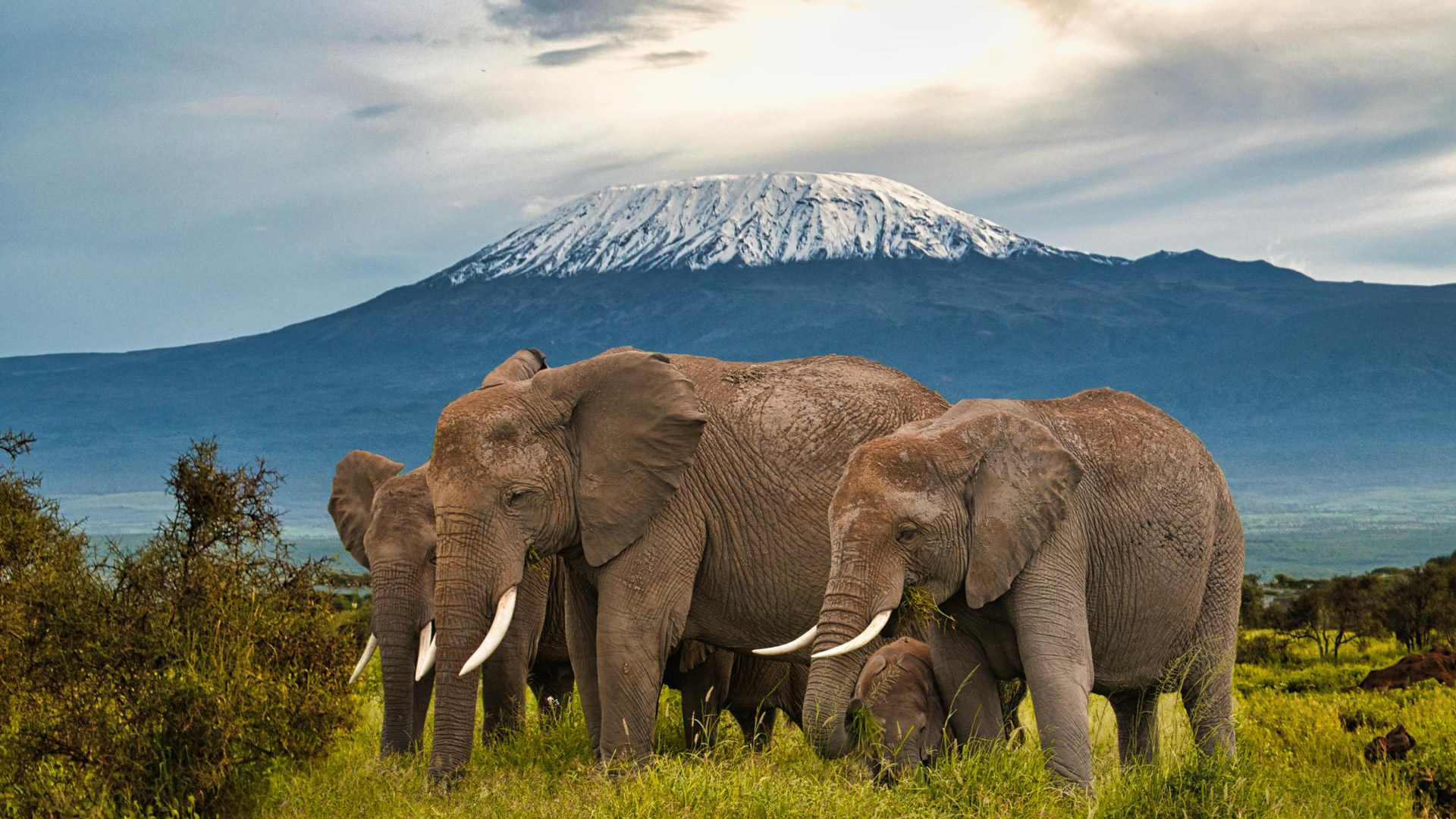
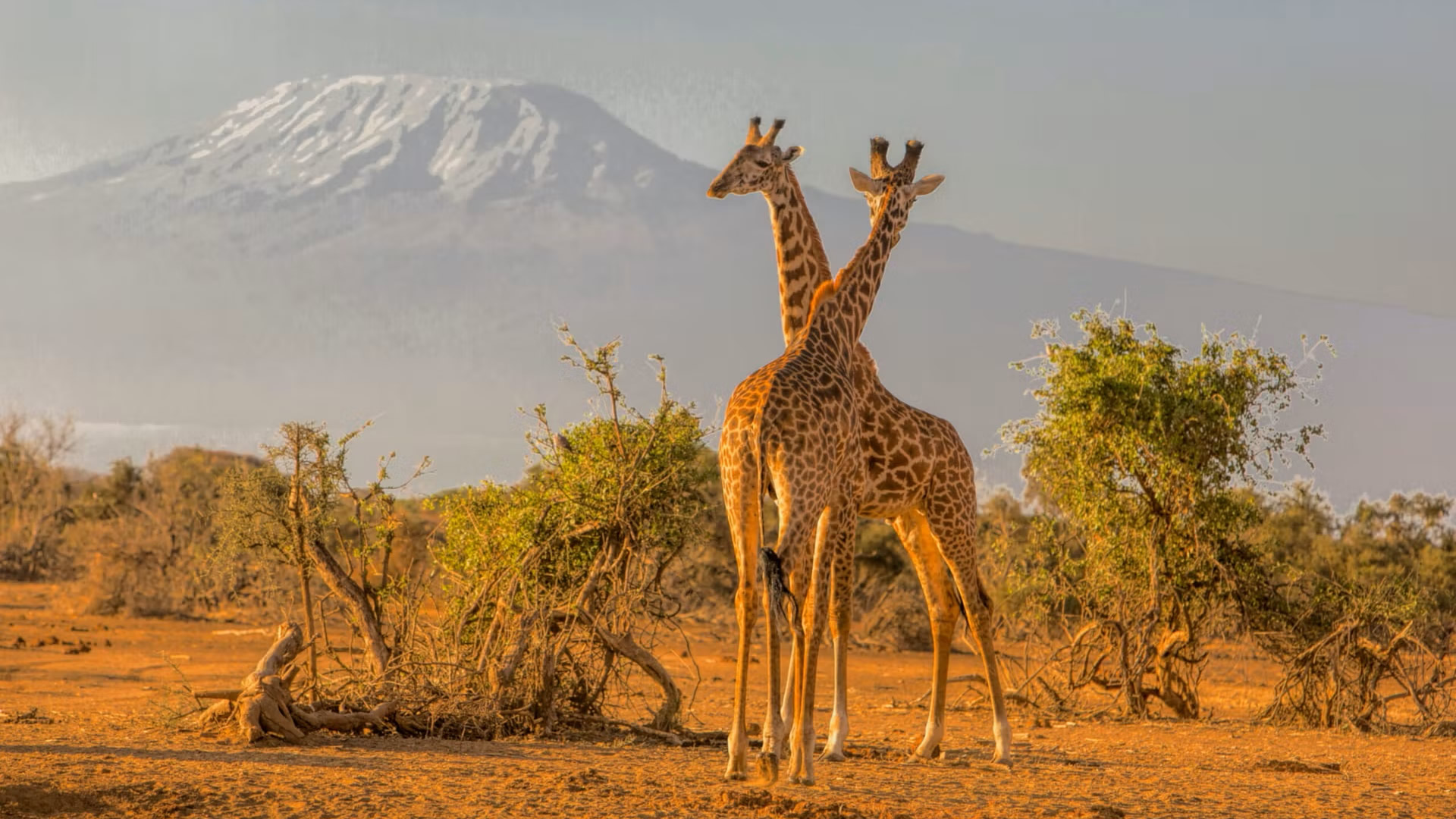
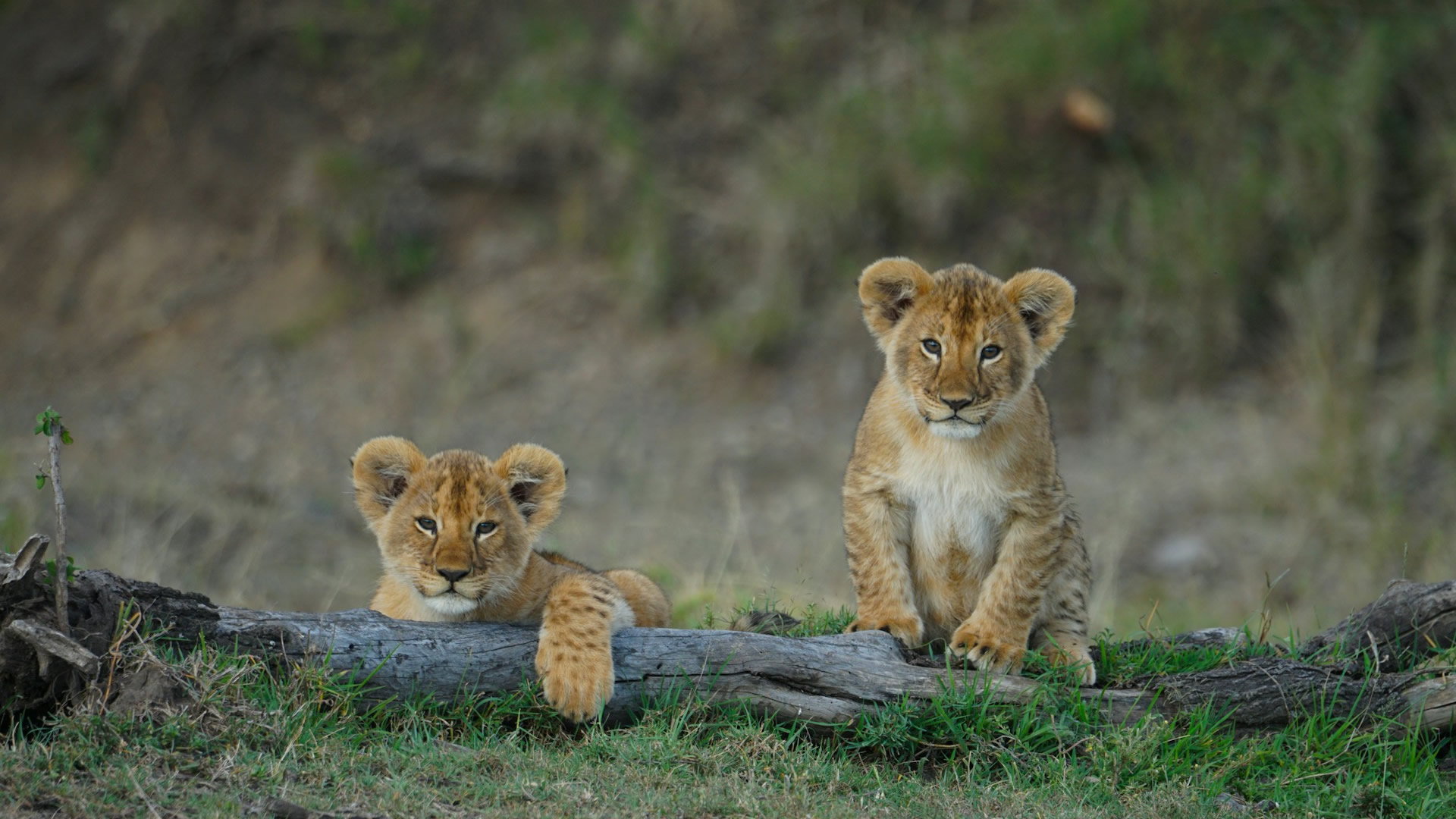
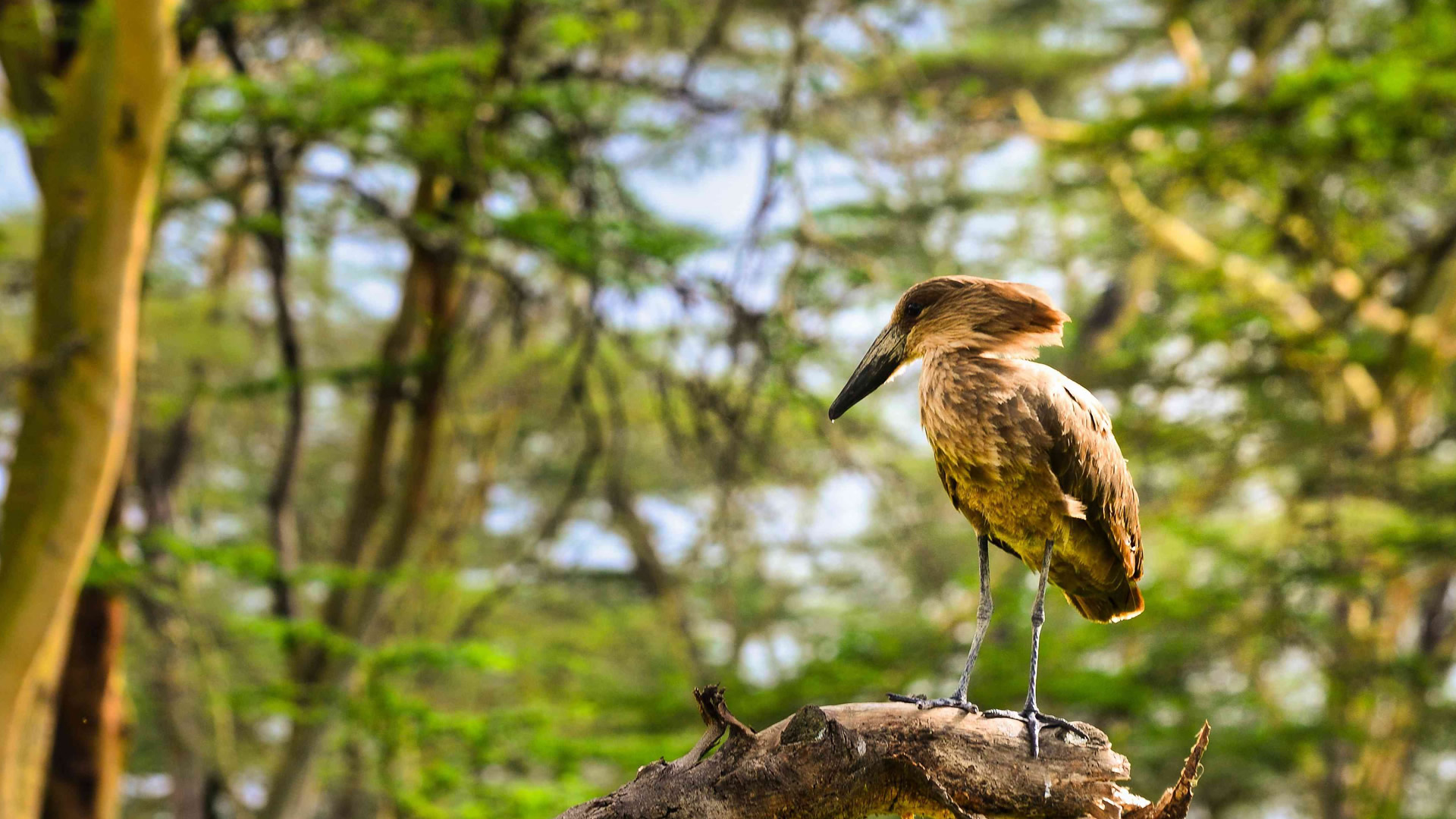
Yes — Amboseli offers the most celebrated view of Kilimanjaro from the Kenyan side. The mountain sits approximately 40 kilometres to the south-east and dominates the horizon on clear days. The best views occur in the early morning and late evening, before clouds typically build around the summit from mid-morning onward. The dry season months of June to October provide the most consistently clear conditions.
Two nights (three days) is the ideal duration for most visitors — enough time for four game drives across different habitats, a cultural visit, and a sunrise at Observation Hill. If combining Amboseli with Tsavo or the Maasai Mara, two nights works well within a multi-park itinerary. Dedicated photographers and birdwatchers may prefer three nights for the best chance of clear Kilimanjaro mornings and access to all five habitat zones.
Amboseli is best known for its large elephant herds — over a thousand elephants inhabit the park. You can also expect to see lion, cheetah, buffalo, zebra, wildebeest, giraffe, hippo, spotted hyena, jackal, and numerous antelope species including Grant's and Thomson's gazelle, impala, and gerenuk. Leopard are present but elusive. The park's swamps attract over 400 bird species, including pelicans, herons, kingfishers, African fish eagles, and secretary birds.
Yes — Amboseli sits on a dried-up Pleistocene lake bed, and during the dry season the fine alkaline dust can be significant, particularly in the central plains. This is part of the park's character and contributes to its dramatic, dust-hazed photography. A buff or bandana is useful during game drives, and it's worth keeping camera equipment covered when not in use. The dust settles during the green season when rains return.
Non-resident adult entry fees are currently USD 60 per person per day (24-hour period), with children aged 3–17 paying USD 35. East African citizen rates are considerably lower. Fees are payable via the KWS Smart Card system — your safari operator will arrange this in advance. All park fees on Kuldip's Touring Company safari packages are included in the quoted price.
Absolutely — Amboseli is one of the most frequently combined parks in Kenya. The most popular pairings are Amboseli with Tsavo West (3–4 hours overland), Amboseli with the Maasai Mara (via Nairobi or a connecting flight), and Amboseli with a coastal beach extension to Diani or Mombasa. Multi-park itineraries of 6–13 days that include Amboseli are among our most popular safari packages.
Very much so. Amboseli is one of the most family-friendly parks in Kenya — the open terrain makes wildlife easy to spot (children love the close elephant encounters), game drives are comfortable in well-sprung vehicles, and the drives between sightings are short enough to hold younger attention spans. Several lodges offer family rooms and child-friendly activities. The relatively short transfer from Nairobi also means less time on the road before the safari begins.
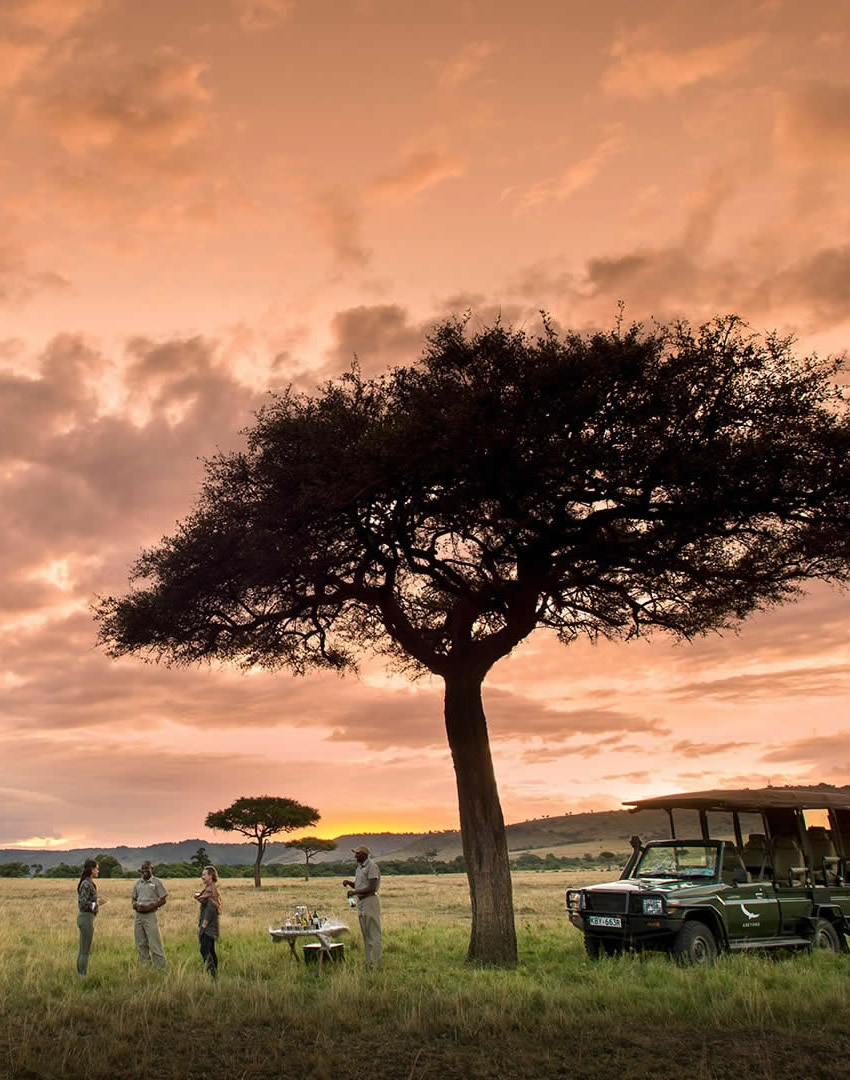
Kenya's most celebrated reserve and the northern stage of the Great Wildebeest Migration. Vast open grasslands deliver exceptional big cat sightings year-round.
Explore the Mara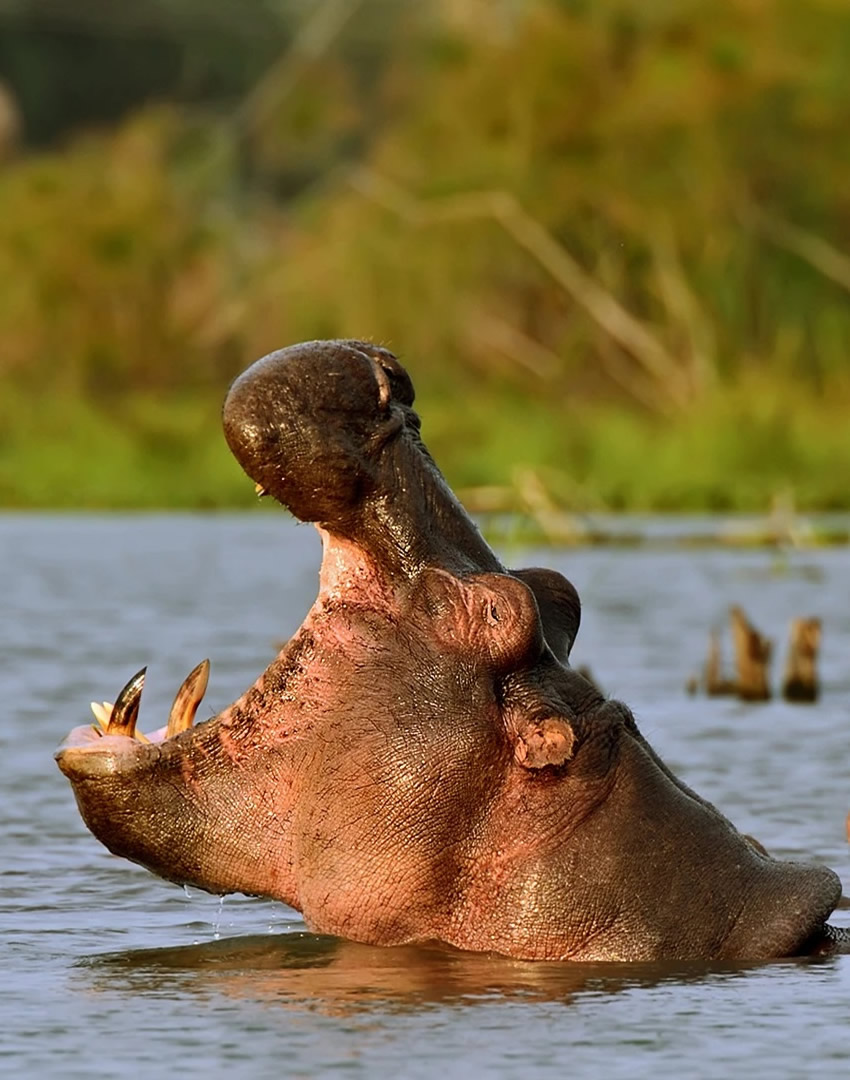
A soda lake fringed by millions of flamingos and surrounded by a compact national park that shelters both black and white rhino.
Explore Nakuru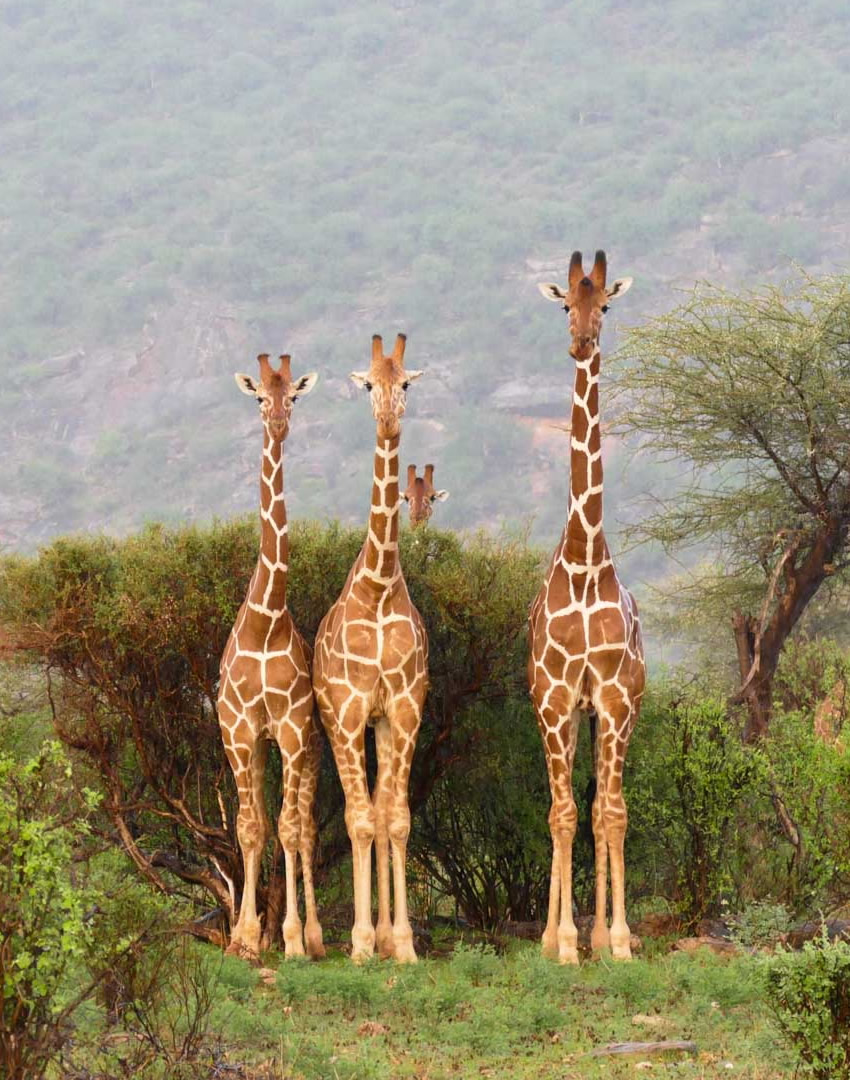
An arid wilderness bisected by the Ewaso Nyiro river, home to the famous Special Five — Grevy's zebra, reticulated giraffe, Somali ostrich, gerenuk and Beisa oryx.
Explore Samburu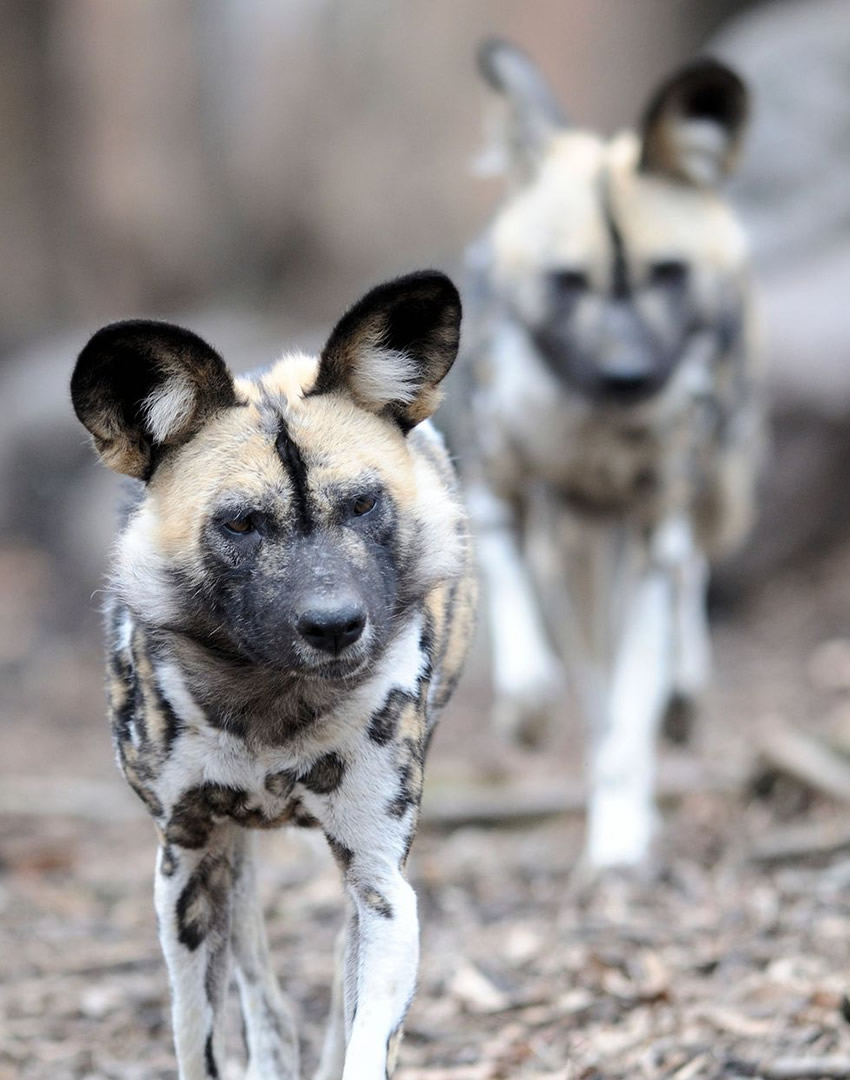
Made famous by Joy Adamson's Born Free story, Meru is a lush, under-visited wilderness of palm-lined rivers, dense bush and open grassland.
Explore Meru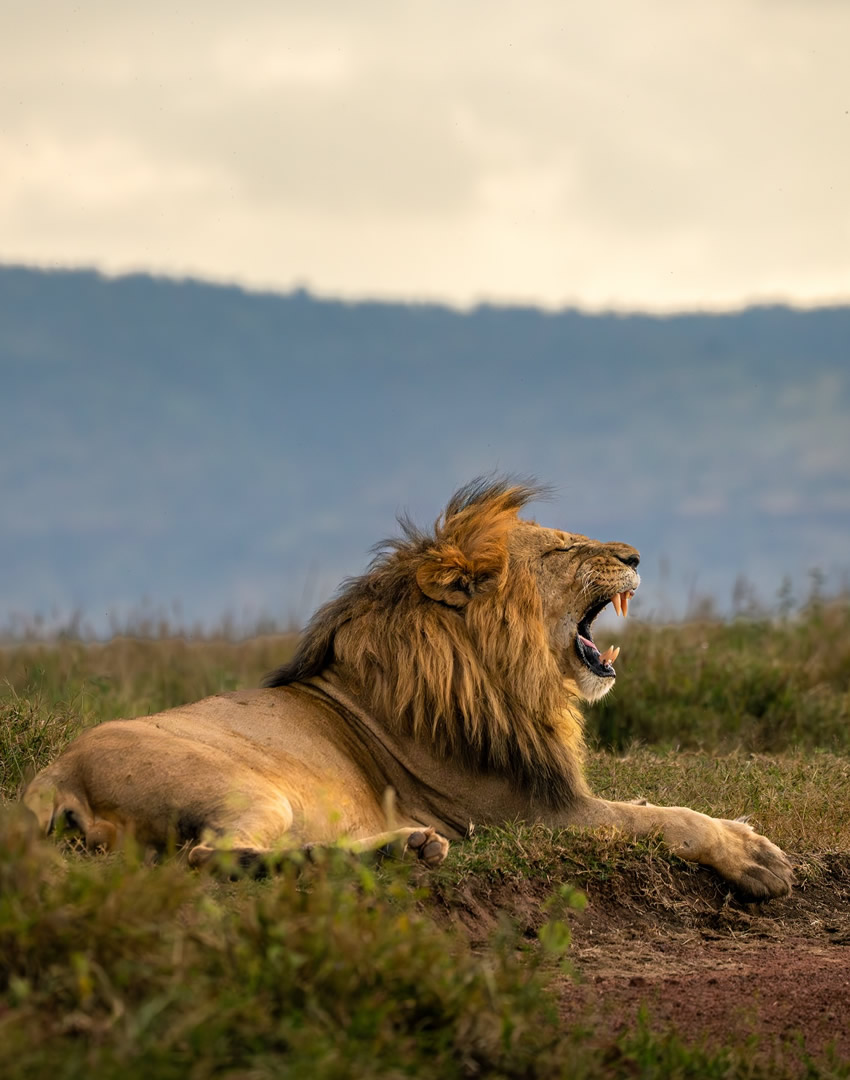
A private conservancy at the foot of Mount Kenya and one of Africa's greatest conservation success stories with exceptional rhino sightings.
Explore Lewa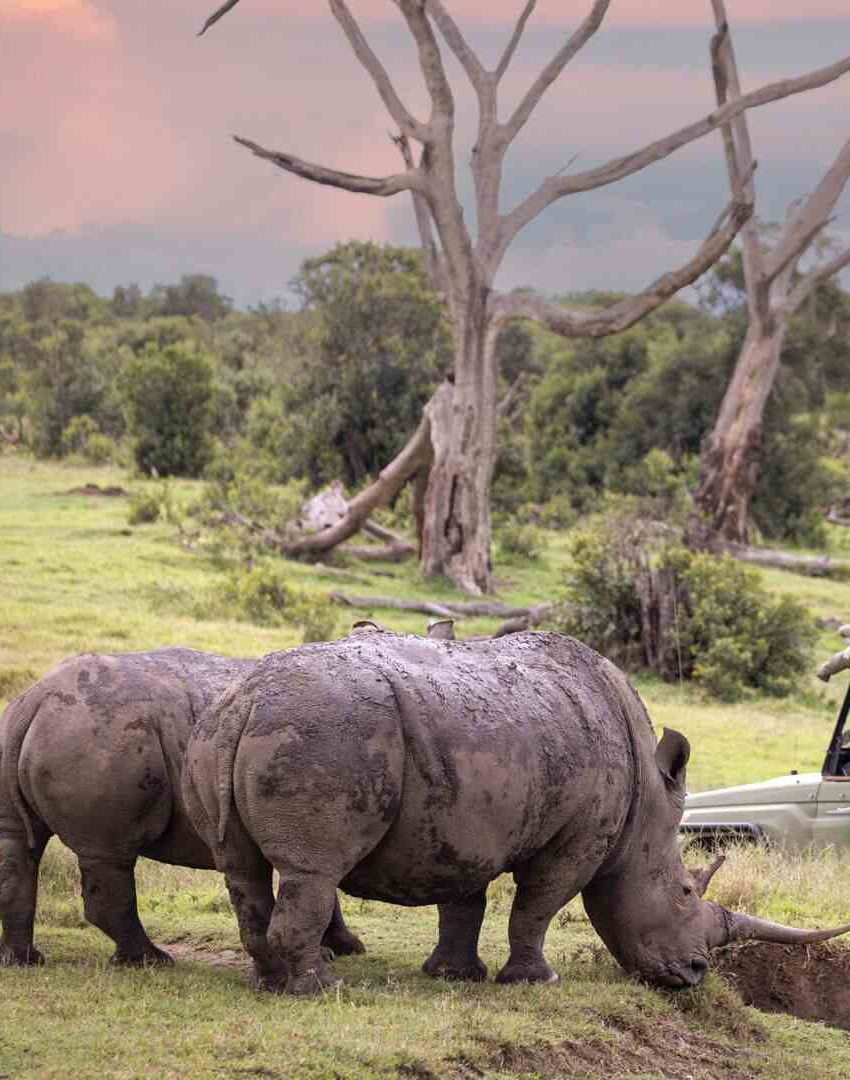
East Africa's largest black rhino sanctuary and home to the world's last two northern white rhinos. Big Five game drives and night drives.
Explore Ol Pejeta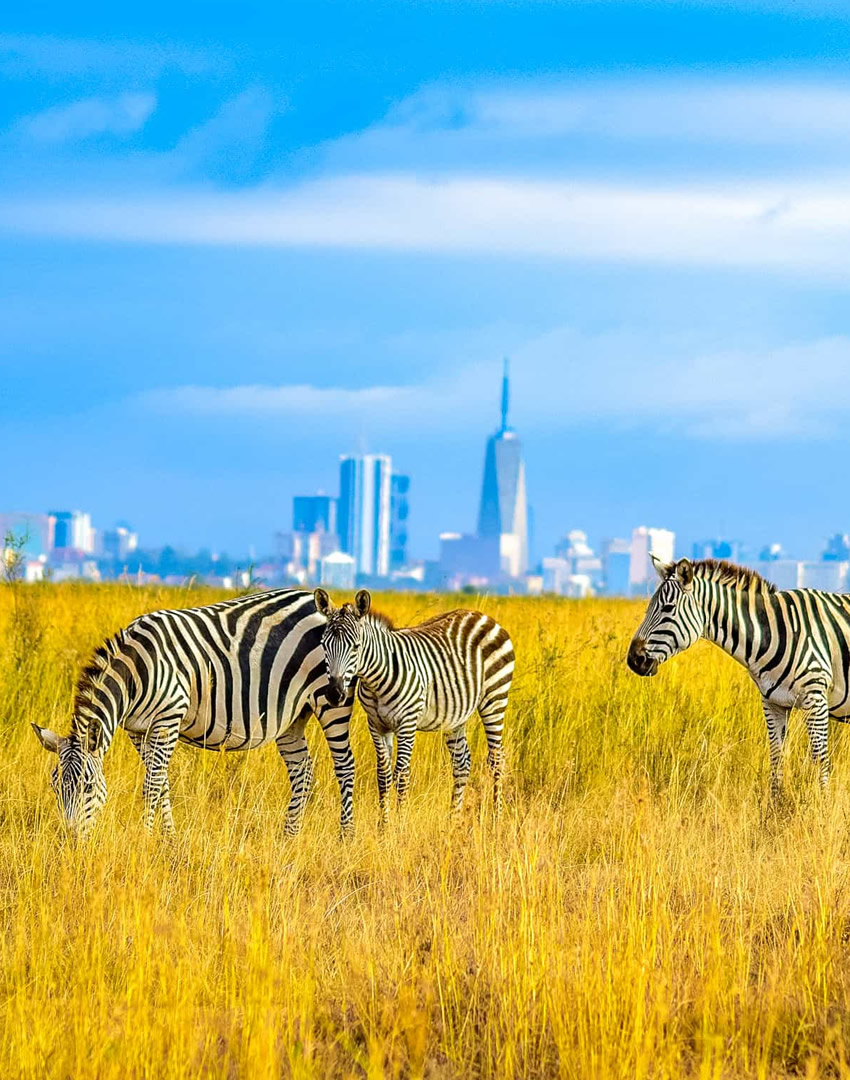
The only national park in the world set against a capital-city skyline. Lions, rhinos, buffalos and giraffes roam with Nairobi's towers rising behind them.
Explore Nairobi NP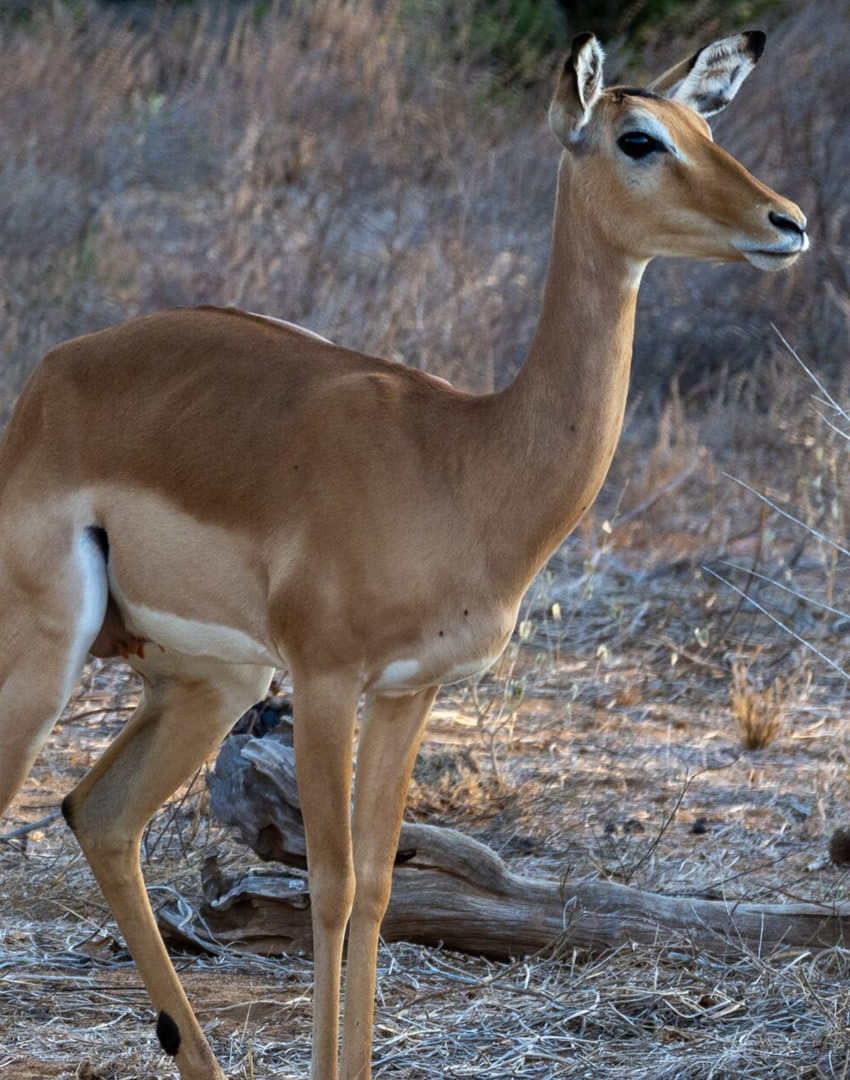
Kenya's largest national park — a vast, rust-coloured wilderness where elephants coat themselves in red laterite soil and maneless lions patrol the plains.
Explore Tsavo East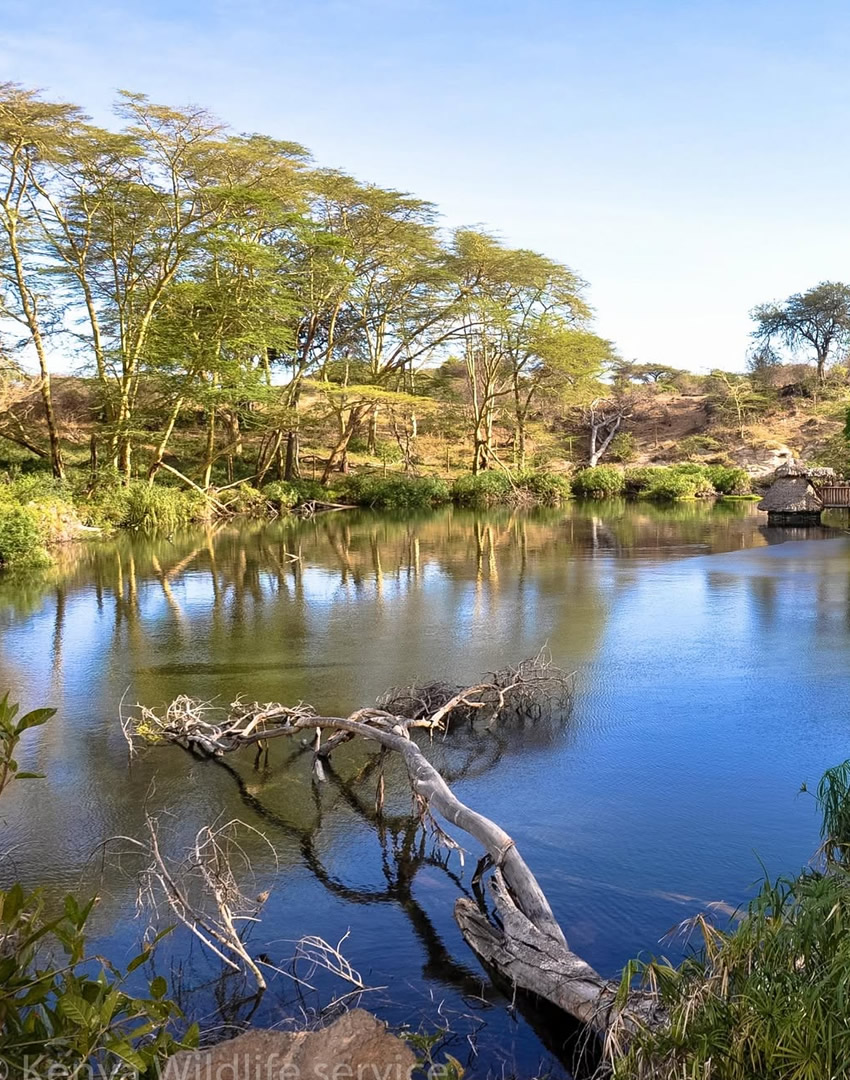
A dramatic landscape of ancient lava flows, rocky outcrops and dense woodland, centred around the crystal-clear Mzima Springs.
Explore Tsavo West