
The largest black rhino sanctuary in East Africa and the last refuge of the northern white rhino — a Big Five conservancy on the Laikipia Plateau where every visit writes the next chapter in one of conservation's most urgent stories.
Ol Pejeta Conservancy occupies 365 square kilometres of the Laikipia Plateau in central Kenya, straddling the equator on the western foothills of Mount Kenya. Once a colonial cattle ranch, it was converted into a dedicated wildlife conservancy in 2004 and has since become one of the most important wildlife protection areas in East Africa — home to the largest sanctuary of black rhinoceros on the continent.
But Ol Pejeta's global significance rests on something even more profound. The conservancy is home to Najin and Fatu — the last two northern white rhinoceros remaining on Earth. The subspecies was driven to functional extinction by decades of poaching, and these two females, both unable to carry pregnancies, represent the final thread of an evolutionary lineage. An international consortium of scientists is now pursuing assisted reproduction — harvesting eggs, creating embryos from stored genetic material, and developing surrogate techniques — in a last-ditch effort to bring the subspecies back from the brink.
Beyond the rhinos, Ol Pejeta supports all of the Big Five — lion, leopard, elephant, buffalo, and both black and white rhino — plus chimpanzees at the Sweetwaters Chimpanzee Sanctuary, the only facility of its kind in Kenya. The conservancy's model integrates wildlife, livestock, and community development on a single landscape, demonstrating that conservation and livelihoods can coexist. Ol Pejeta invests over USD 3 million annually in community programmes including education, healthcare, and water infrastructure across the surrounding region.
Big Five wildlife, the world's rarest mammals, and a conservation story that puts you at the frontier of what is possible.
Najin and Fatu are the last two northern white rhinoceros alive. Visiting them — standing metres from the living end of an evolutionary line millions of years old — is among the most powerful wildlife encounters on Earth. The IVF programme working to save the subspecies is headquartered here, and guests can learn about the science firsthand.
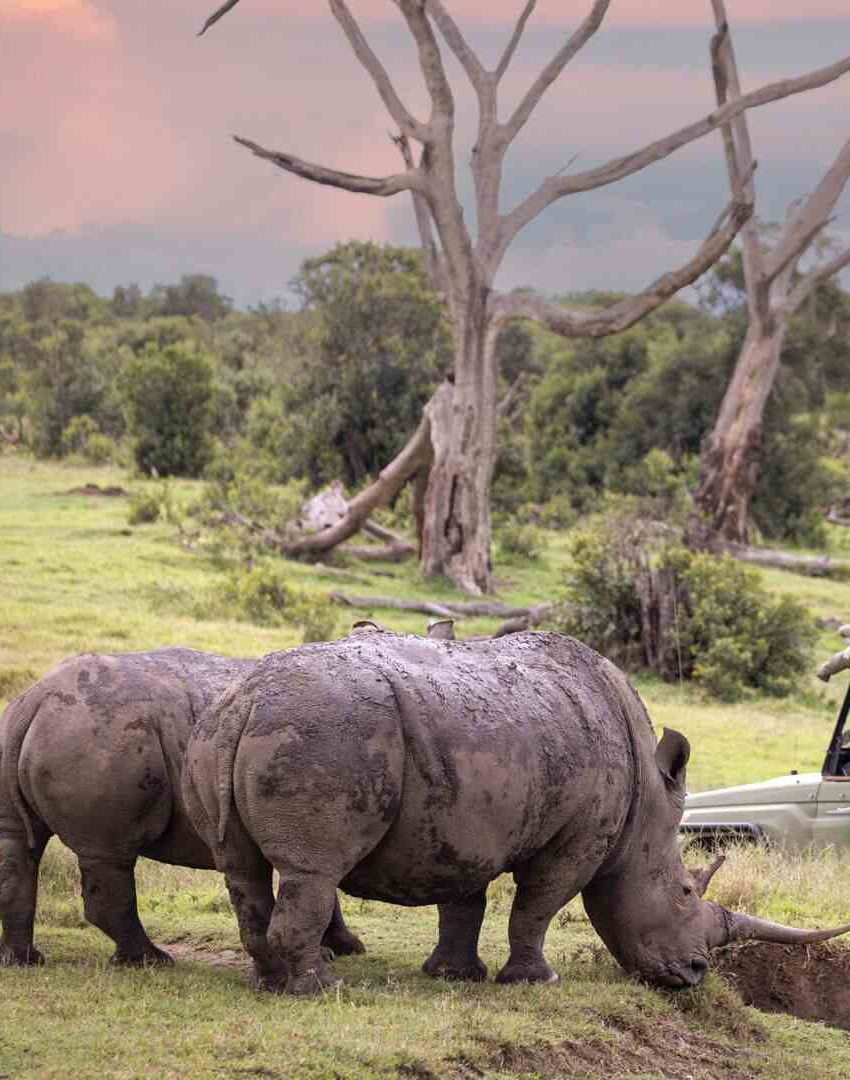
Over 150 eastern black rhinos — the largest population in any single East African conservancy — roam Ol Pejeta's open grasslands. The conservancy's intensive monitoring and security programme makes sightings frequent and often remarkably close, including mothers with calves in the open.
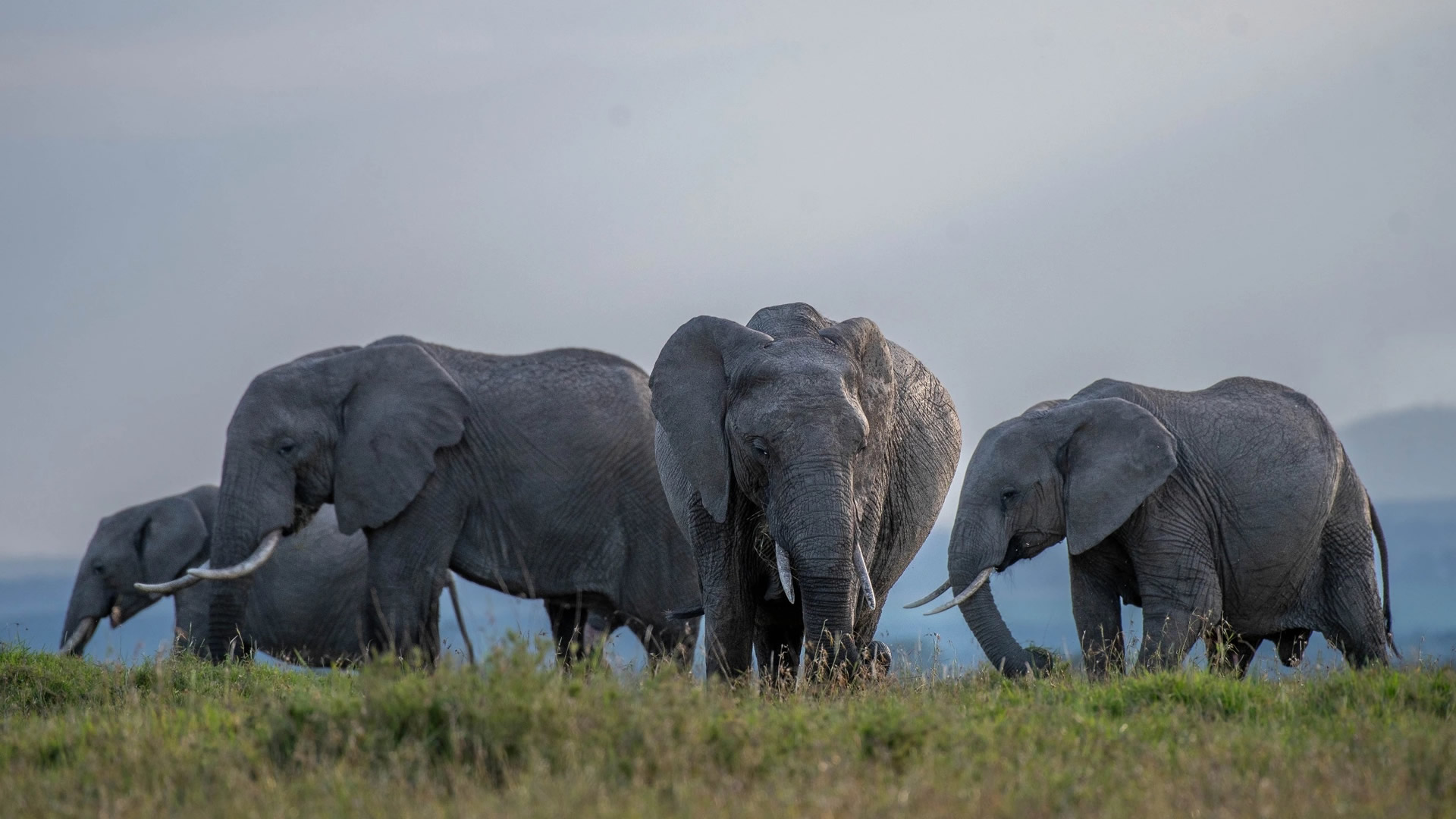
Ol Pejeta is one of the few places in Kenya where all Big Five species are present in a compact, accessible area. Lion, leopard, elephant, buffalo, and rhino share the conservancy's varied habitats — and the low vehicle density and off-road access mean sightings are personal, not crowded.
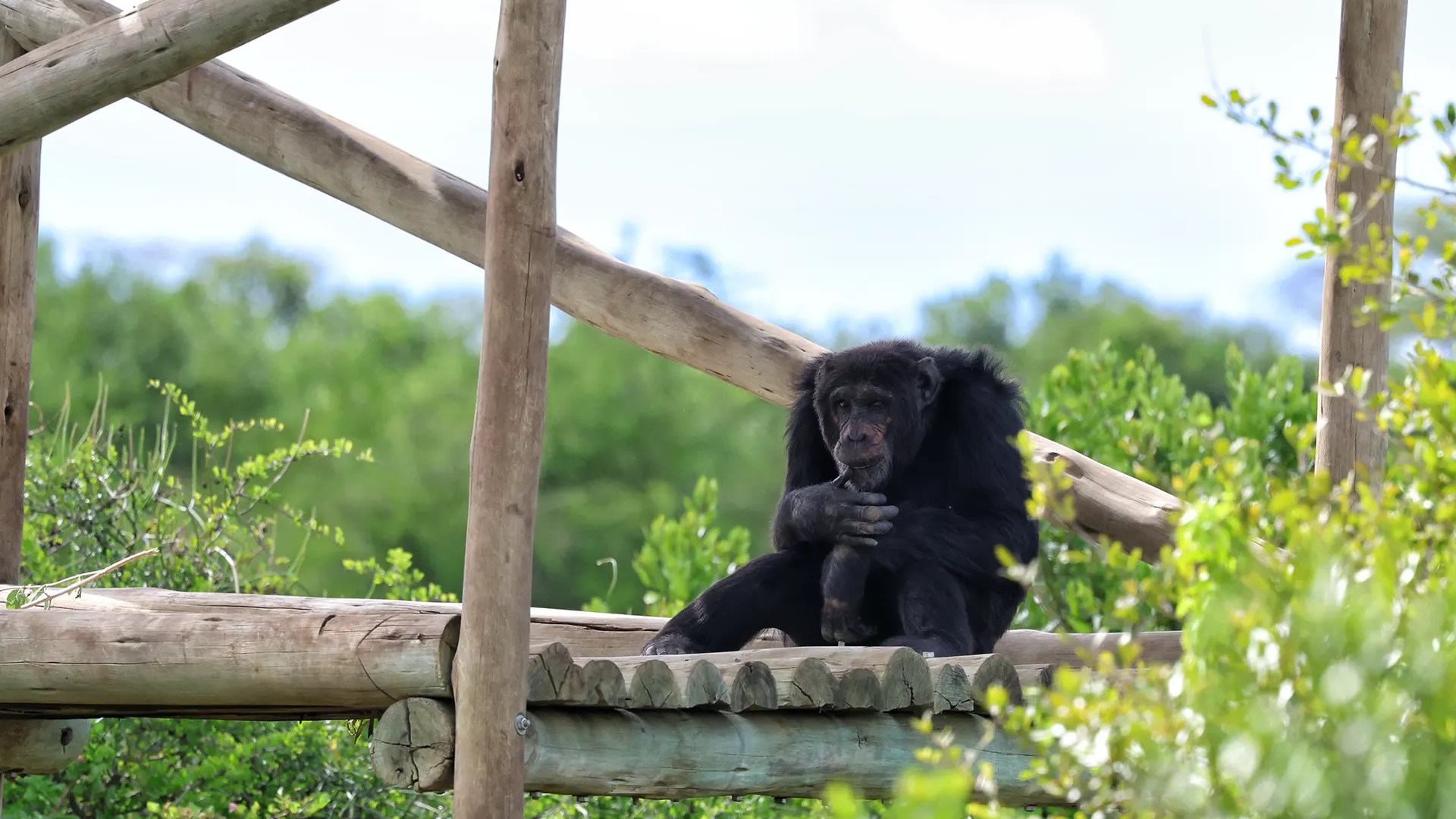
The only chimpanzee sanctuary in Kenya, Sweetwaters provides a permanent home for orphaned and rescued chimpanzees from across Africa. Viewing platforms overlooking the forested enclosure allow visitors to observe chimp behaviour at close range — a unique addition to the classic Kenyan safari experience.
Ol Pejeta straddles the equator, with a signed crossing point on the conservancy's main road. Mount Kenya's snow-capped peaks — Africa's second highest — rise directly to the east, framing game drives with the same kind of mountain drama that defines Amboseli, but from the opposite side.
Ol Pejeta is transparent about its model: tourism revenue funds anti-poaching, community schools and clinics, and cutting-edge reproductive science. Visitors can tour the operations centre, meet the ranger teams, and visit community projects — a level of access that turns a safari into an education in what working conservation actually looks like.
Ol Pejeta Conservancy lies on the Laikipia Plateau in central Kenya, straddling the equator approximately 200 kilometres north of Nairobi. The conservancy sits between the town of Nanyuki to the south and the semi-arid lowlands descending towards Samburu to the north. Mount Kenya's western flanks define the eastern horizon.
The Laikipia Plateau is one of Kenya's most important wildlife regions — a patchwork of private conservancies, community ranches, and group ranches that together form the second-largest wildlife population in the country after the Maasai Mara ecosystem. Ol Pejeta is the plateau's most visited and best-known conservancy, partly due to its accessibility from Nanyuki (a 20-minute drive) and partly due to the northern white rhino programme that has drawn global attention.
From northern white rhino encounters to chimpanzee watching and night drives — Ol Pejeta offers a safari programme no national park can match.
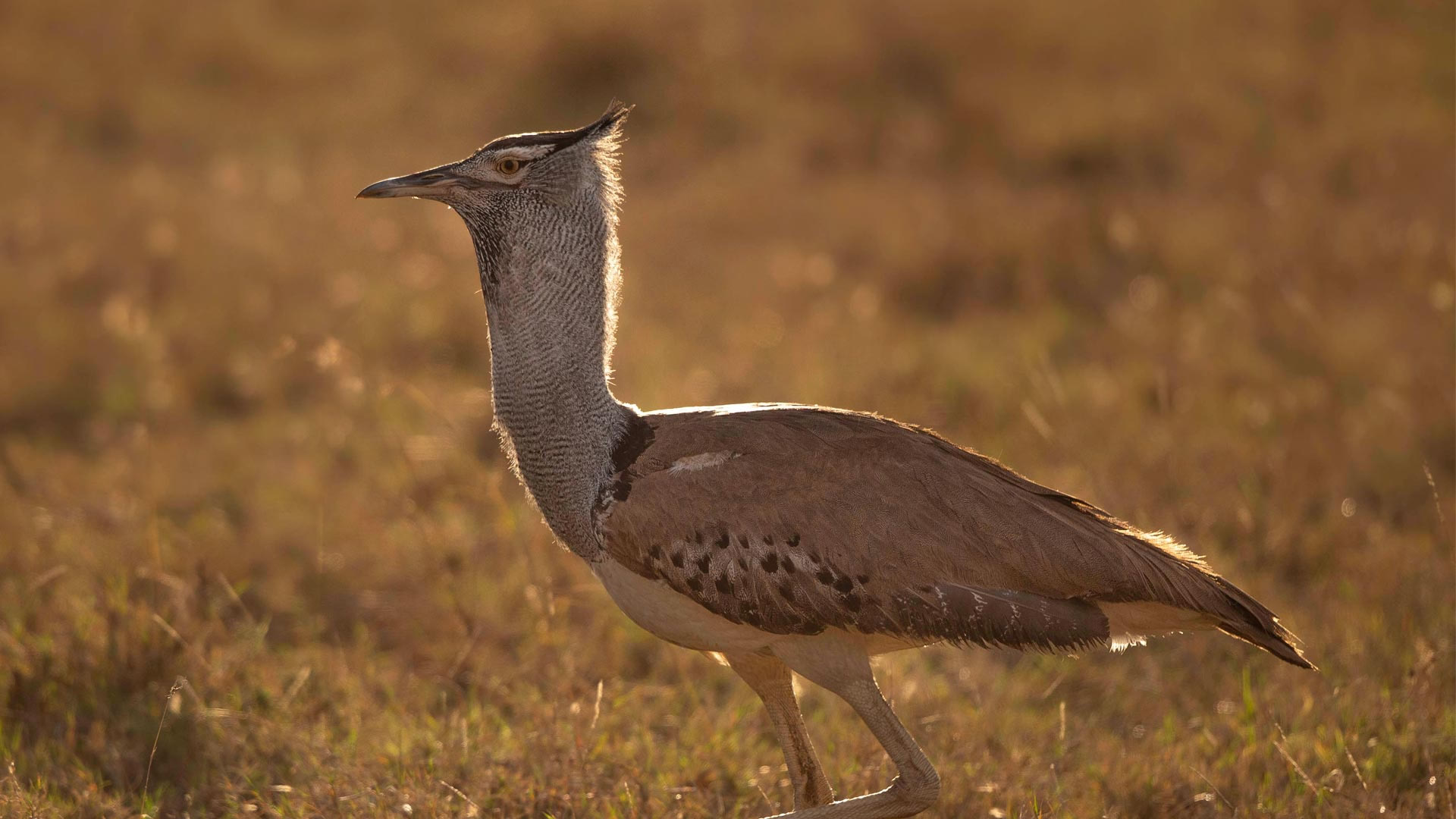
Morning, afternoon, and night drives across the conservancy's open grassland, acacia woodland, and riverine forest. All Big Five are present, plus Grevy's zebra, reticulated giraffe, cheetah, spotted hyena, and wild dog. Off-road driving and flexible routing make every drive a bespoke experience.
Visit Najin and Fatu in their dedicated enclosure, accompanied by the rangers who protect them around the clock. Learn about the BioRescue IVF programme, the global effort to save the subspecies, and the emotional weight of standing beside the last two individuals of a kind. A profoundly moving experience.
The Sweetwaters Chimpanzee Sanctuary cares for orphaned and rescued chimps from the Democratic Republic of Congo, Burundi, and elsewhere. Elevated viewing platforms overlooking the forested enclosure provide extended, intimate observation of group dynamics, play, grooming, and feeding — the only such experience in Kenya.
Explore the conservancy on foot with armed ranger escorts — tracking wildlife by spoor, learning about medicinal plants, and experiencing the bush at ground level. Mountain bike safaris are also available for the more adventurous, riding through open grassland alongside zebra, giraffe, and eland.
Available throughout the conservancy, night drives reveal Ol Pejeta's nocturnal cast — aardvark, spring hare, white-tailed mongoose, genet, porcupine, and the big cats on their nighttime hunts. The highland sky, free of light pollution, adds its own spectacle overhead.
Visit the conservancy's operations centre to learn how Ol Pejeta monitors wildlife using GPS collars, camera traps, and aerial surveillance. Meet the K-9 sniffer dog unit, tour the anti-poaching command room, and gain insight into the daily logistics of protecting 150 rhinos across 365 km² of open terrain.
Ol Pejeta's highland elevation ensures a mild climate year-round. The conservancy operates in all seasons — even its wet months are productive.
The prime window for Ol Pejeta. Short grass and dry conditions concentrate rhino, elephant, and predators on the open plains and around water sources. Mount Kenya's peaks are at their most visible, and the highland air is cool and clear. Night drives are at their most rewarding in the dry months, when nocturnal animals range more widely.
Rains green the plateau and bring wildflowers, migratory birds, and newborn animals. The northern white rhinos, chimpanzee sanctuary, and Big Five are accessible year-round regardless of rainfall. The conservancy's well-maintained road network handles wet conditions better than most national parks, and visitor numbers drop — meaning more exclusive game-drive experiences and, often, lower lodge rates.
One of the most accessible conservancies in Kenya — a short flight or a scenic drive through the highlands from Nairobi.
Scheduled flights from Nairobi's Wilson Airport to Nanyuki airstrip take approximately 45 minutes. Safarilink and AirKenya operate the route. From Nanyuki, the conservancy's main gate is a 20-minute drive. Charter flights direct to Ol Pejeta's internal airstrip can also be arranged.
The drive from Nairobi to Ol Pejeta takes approximately 3.5 to 4 hours via the A2 highway through Nyeri or Nanyuki. The road crosses the equator and climbs through farmland and forest onto the Laikipia Plateau — a scenic transition from city to highland bush. The tarmac is in excellent condition throughout.
Ol Pejeta sits naturally at the start of a northern-circuit itinerary. From here, Lewa is approximately 2 hours east and Samburu approximately 3.5 hours north. A typical sequence — two nights at Ol Pejeta, two at Lewa, two at Samburu — creates one of Kenya's most comprehensive highland-to-lowland safari routes.
The last northern whites, highland Big Five, and a conservancy at the forefront of the fight.
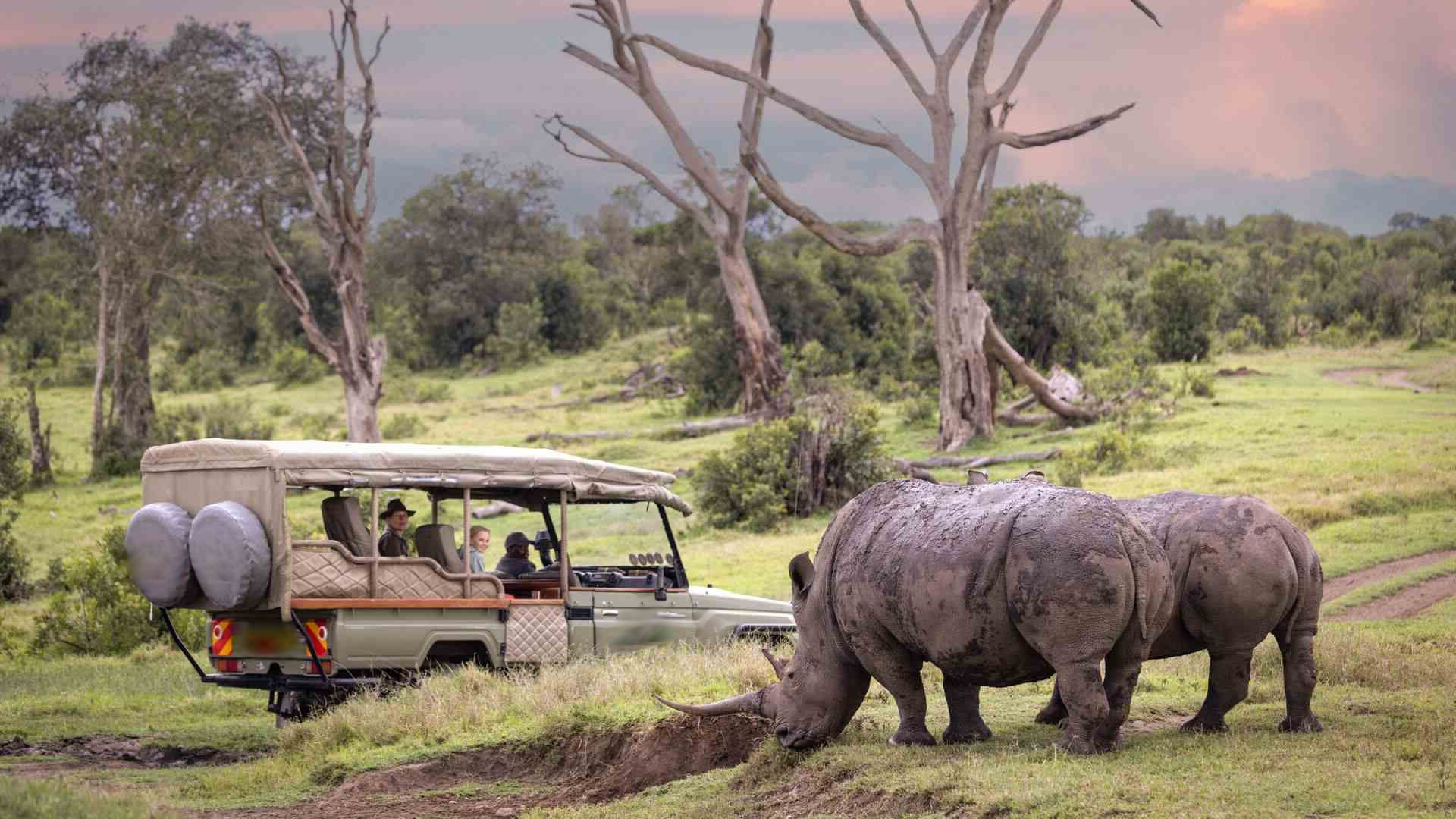
Yes. Najin and Fatu live in a dedicated enclosure within the conservancy, protected by armed rangers 24 hours a day. Guided visits are available daily. You can observe them from a viewing area just metres away and speak with the keepers who care for them. Visiting the last two individuals of a subspecies is one of the most emotionally significant wildlife encounters anywhere on Earth — a privilege, a warning, and a reminder of what is at stake.
BioRescue is an international consortium of scientists working to save the northern white rhino from extinction through assisted reproduction. The programme harvests eggs from Najin and Fatu, fertilises them with stored sperm from deceased bulls, and is developing techniques to implant the resulting embryos into southern white rhino surrogates. Multiple viable embryos have been created. The programme is headquartered at Ol Pejeta, and guests can learn about the science during their visit.
No — chimpanzees are not native to Kenya. The Sweetwaters Chimpanzee Sanctuary is a permanent care facility for orphaned and rescued chimps from central and West African conflict zones. The chimps live in a large, forested enclosure within the conservancy. Visitors observe them from elevated platforms and boardwalks. The sanctuary has operated since 1993 in partnership with the Jane Goodall Institute and provides the only opportunity to see chimpanzees in Kenya.
Two nights (three days) is ideal — enough for four game drives, a visit to the northern white rhinos, the chimpanzee sanctuary, and a night drive or bush walk. One night works as a brief introduction en route to Samburu or Lewa, but you will feel rushed. Three nights allows the full programme including a conservation centre tour, cycling safari, and extended time at the rhino and chimp facilities.
Very much so — and it is one of the best family safari destinations in Kenya. The chimpanzee sanctuary is endlessly engaging for children, the northern white rhino visit provides a powerful conservation lesson, the equator crossing is a fun landmark, and the compact conservancy means drives are short enough to hold younger attention. Several lodges cater specifically to families with interconnecting rooms, children's activities, and flexible meal times.
Ol Pejeta charges a conservancy fee of USD 90 per non-resident adult per day and USD 45 for children aged 3–17. This fee is separate from accommodation and directly funds anti-poaching operations, the northern white rhino programme, community development, and wildlife management. All conservancy fees on Kuldip's Touring Company safari packages are included in the quoted price.
Absolutely — Ol Pejeta is one of the most versatile conservancies to combine. The most popular pairings are Ol Pejeta with Samburu (northern circuit, 3.5 hours overland or a short flight), Ol Pejeta with Lewa (2 hours overland), or Ol Pejeta with the Maasai Mara (connecting flight via Nairobi). A three-stop itinerary of Ol Pejeta, Lewa, and Samburu is one of the finest northern-Kenya safari sequences available.
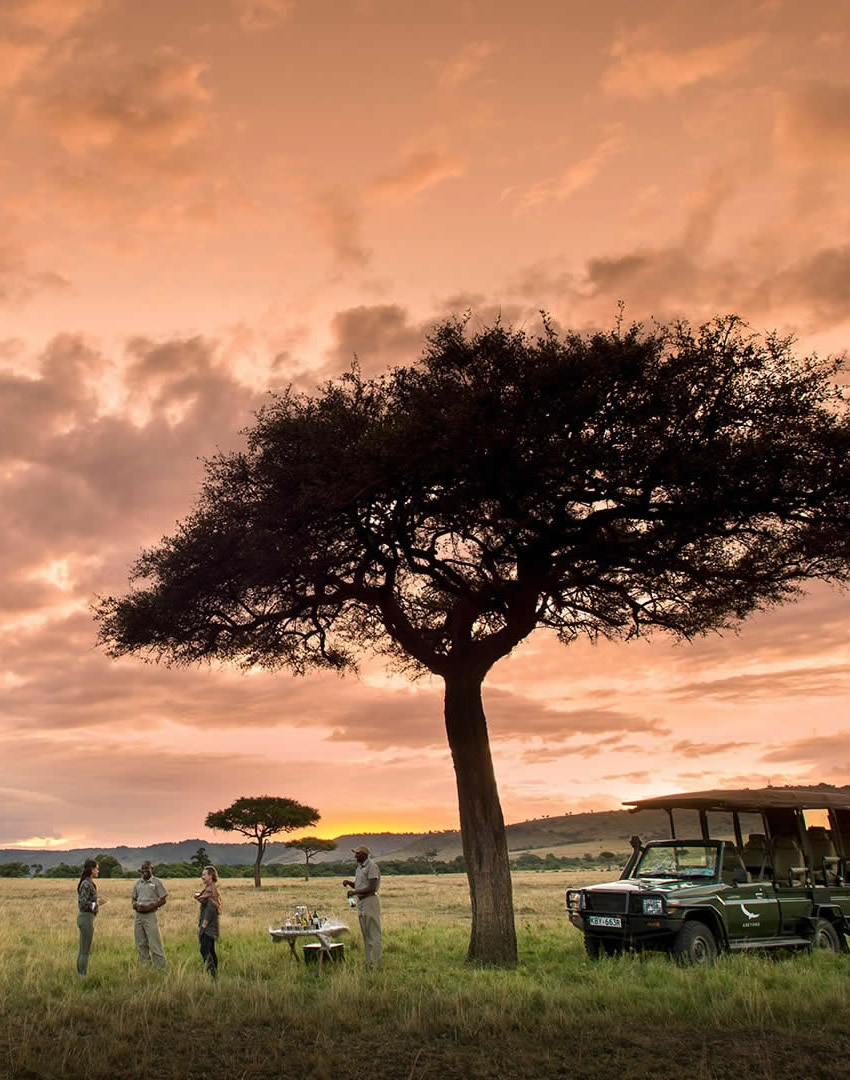
Kenya's most celebrated reserve and the northern stage of the Great Wildebeest Migration. Vast open grasslands deliver exceptional big cat sightings year-round.
Explore the Mara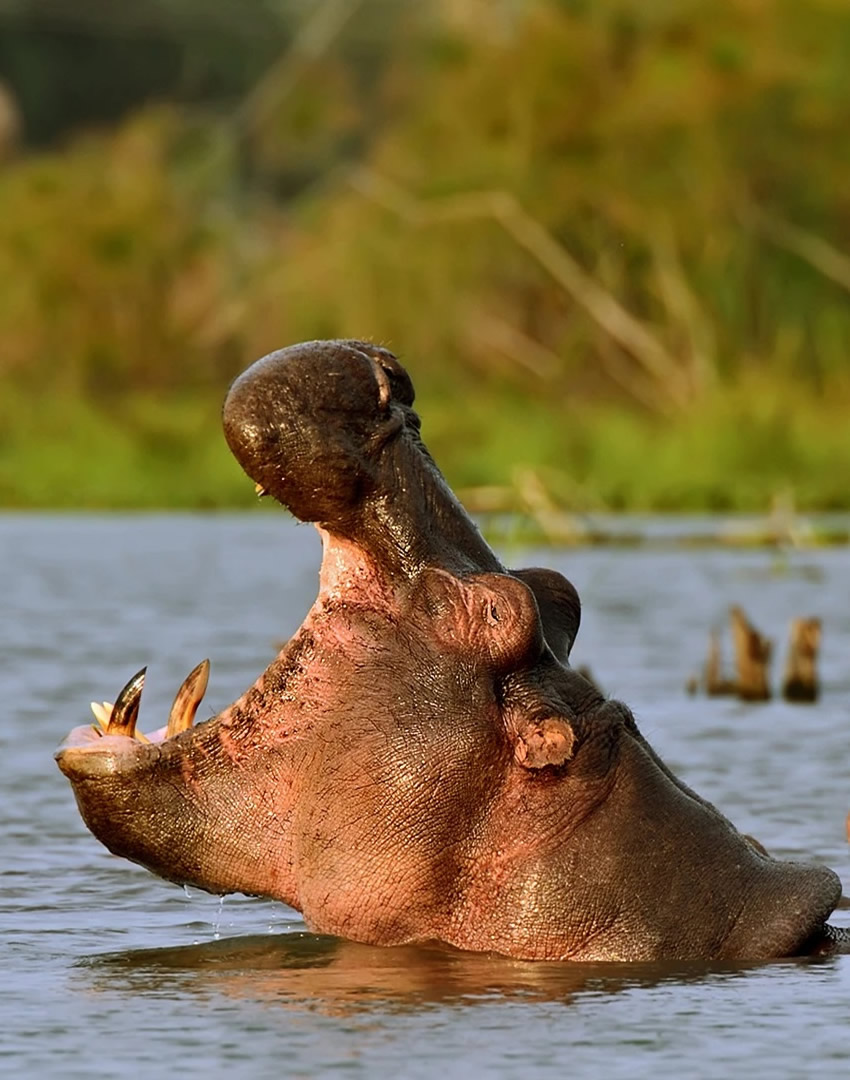
A soda lake fringed by millions of flamingos and surrounded by a compact national park that shelters both black and white rhino.
Explore Nakuru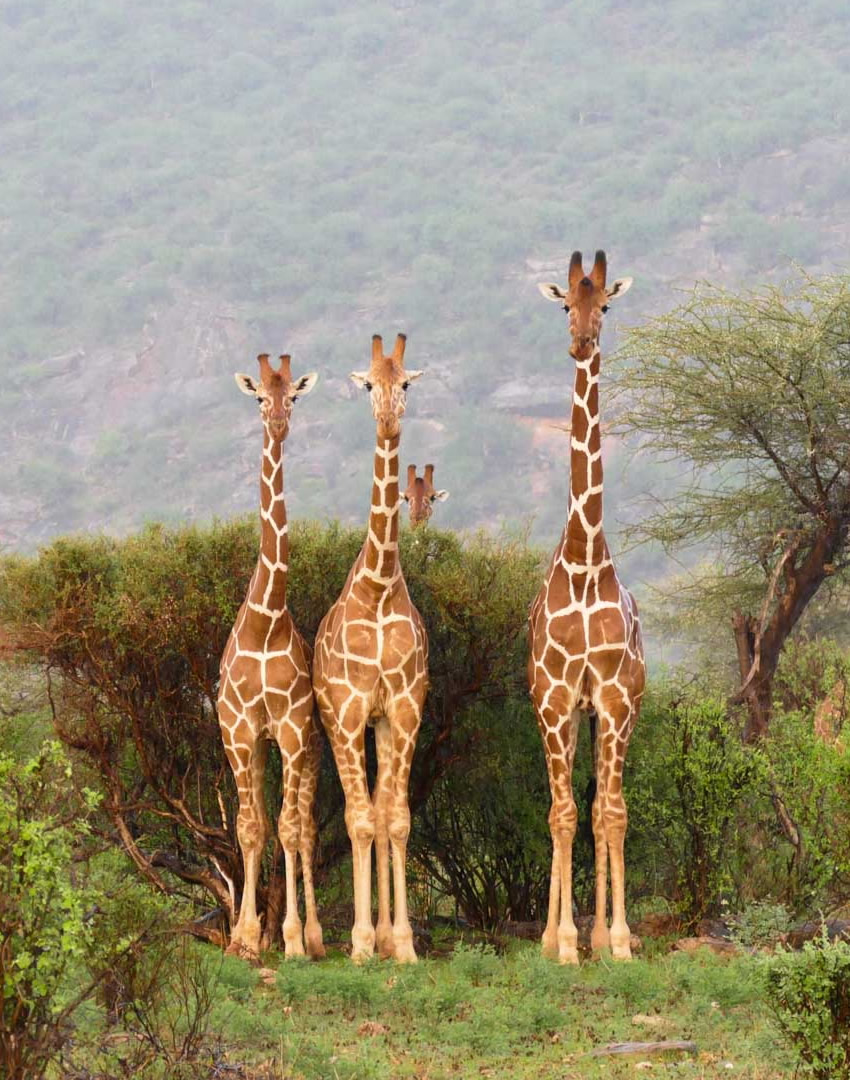
An arid wilderness bisected by the Ewaso Nyiro river, home to the famous Special Five — Grevy's zebra, reticulated giraffe, Somali ostrich, gerenuk and Beisa oryx.
Explore Samburu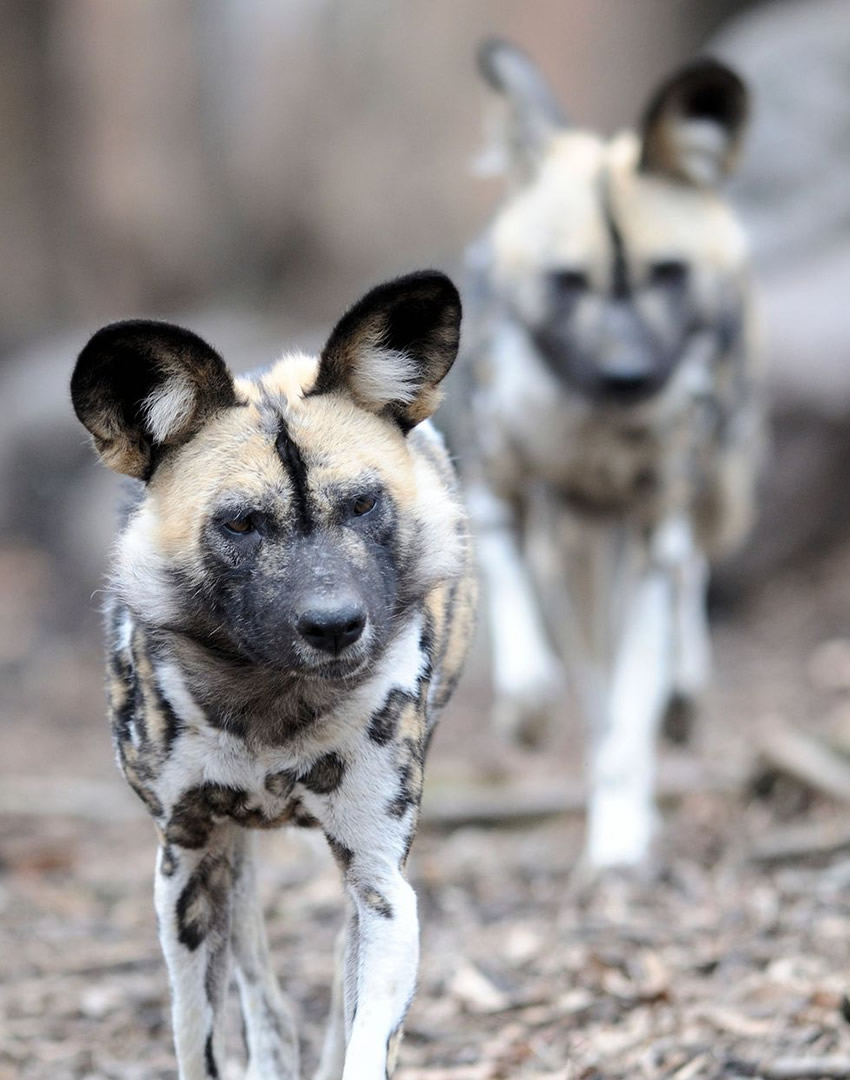
Made famous by Joy Adamson's Born Free story, Meru is a lush, under-visited wilderness of palm-lined rivers, dense bush and open grassland.
Explore Meru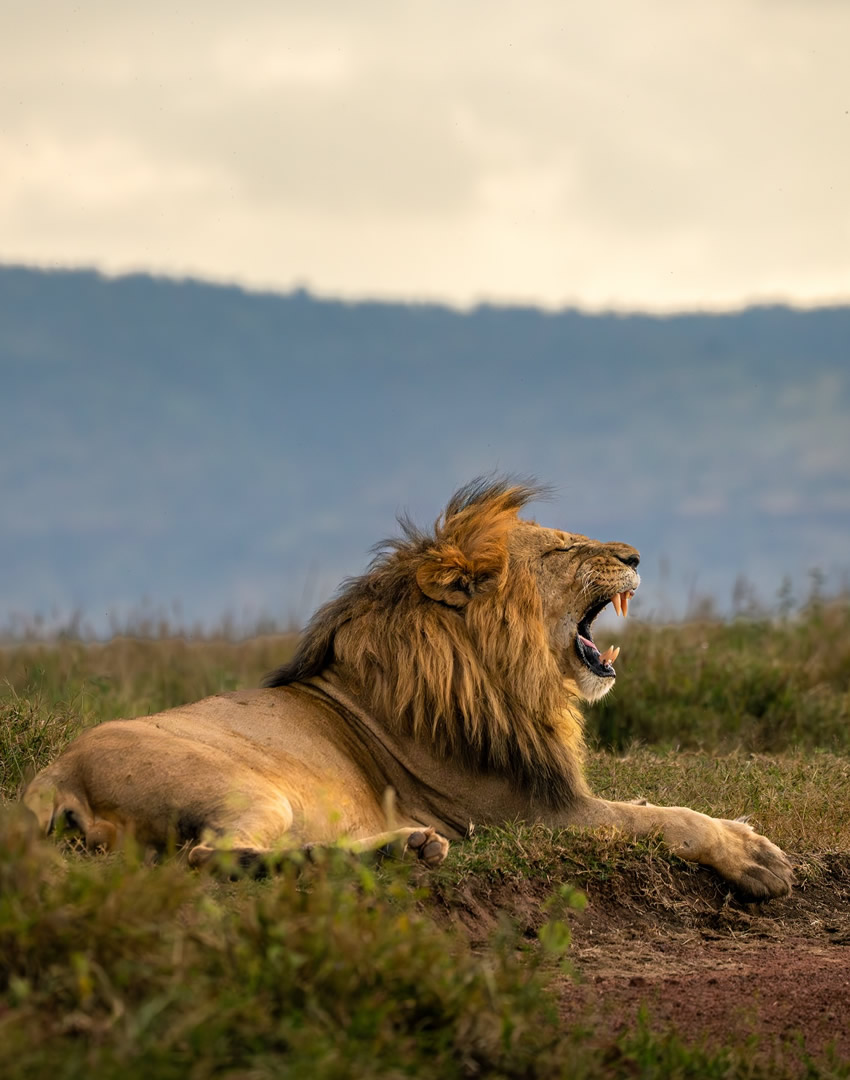
A private conservancy at the foot of Mount Kenya and one of Africa's greatest conservation success stories with exceptional rhino sightings.
Explore LewaEast Africa's largest black rhino sanctuary and home to the world's last two northern white rhinos. Big Five game drives and night drives.
Explore Ol Pejeta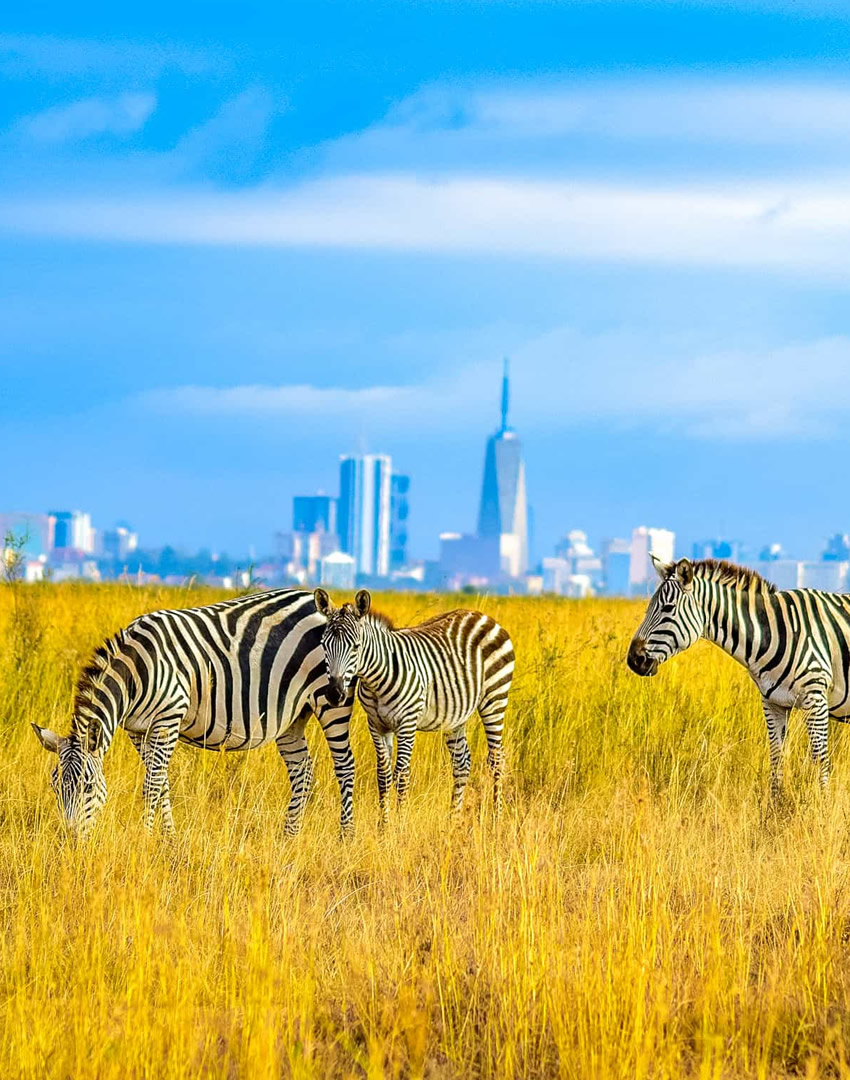
The only national park in the world set against a capital-city skyline. Lions, rhinos, buffalos and giraffes roam with Nairobi's towers rising behind them.
Explore Nairobi NP
Kenya's largest national park — a vast, rust-coloured wilderness where elephants coat themselves in red laterite soil and maneless lions patrol the plains.
Explore Tsavo East
A dramatic landscape of ancient lava flows, rocky outcrops and dense woodland, centred around the crystal-clear Mzima Springs.
Explore Tsavo West