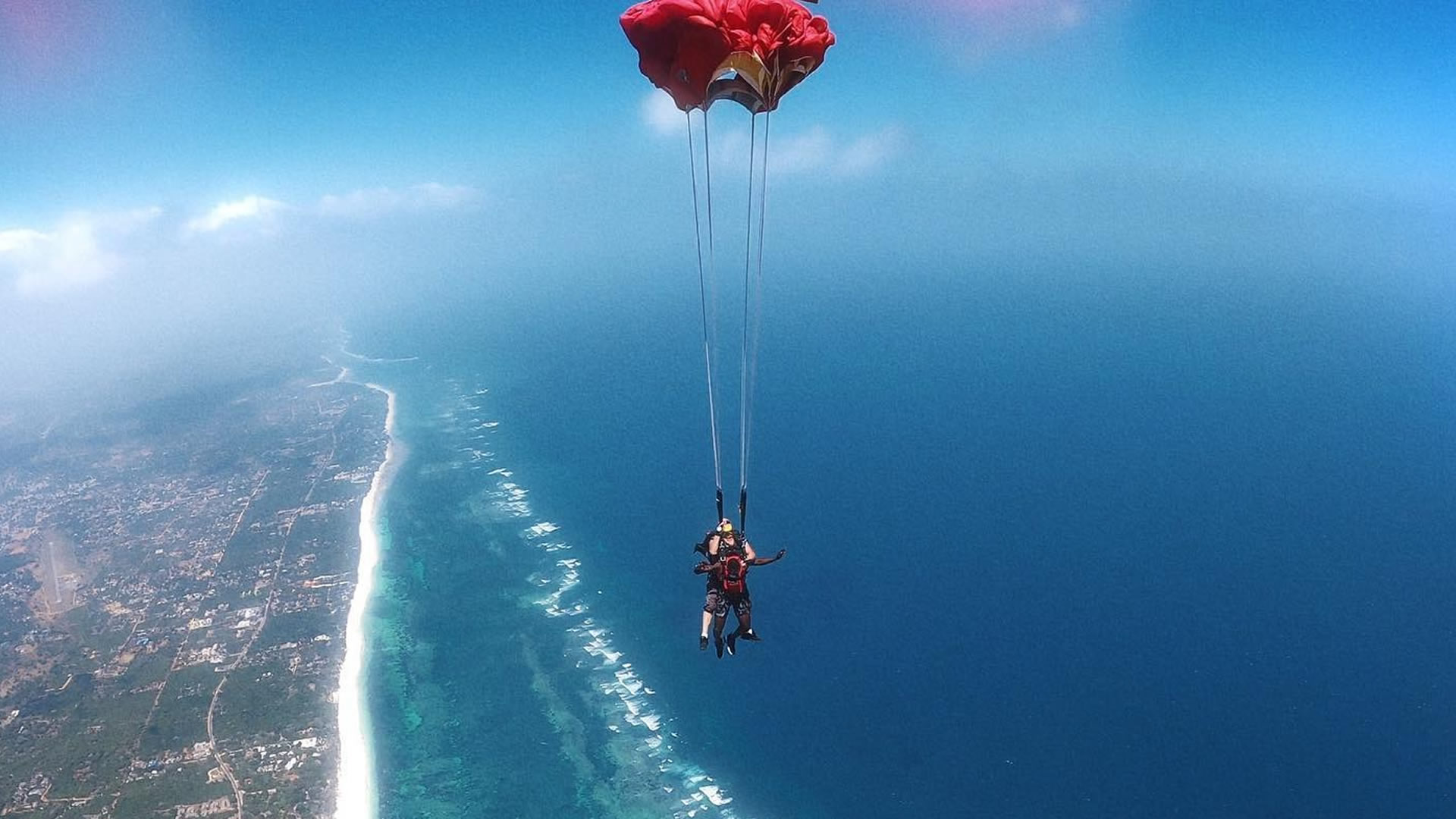
Freefall at 200 km/h over white sand, turquoise reef, and the endless Indian Ocean — then land barefoot on the beach. Every jump is a beach jump.
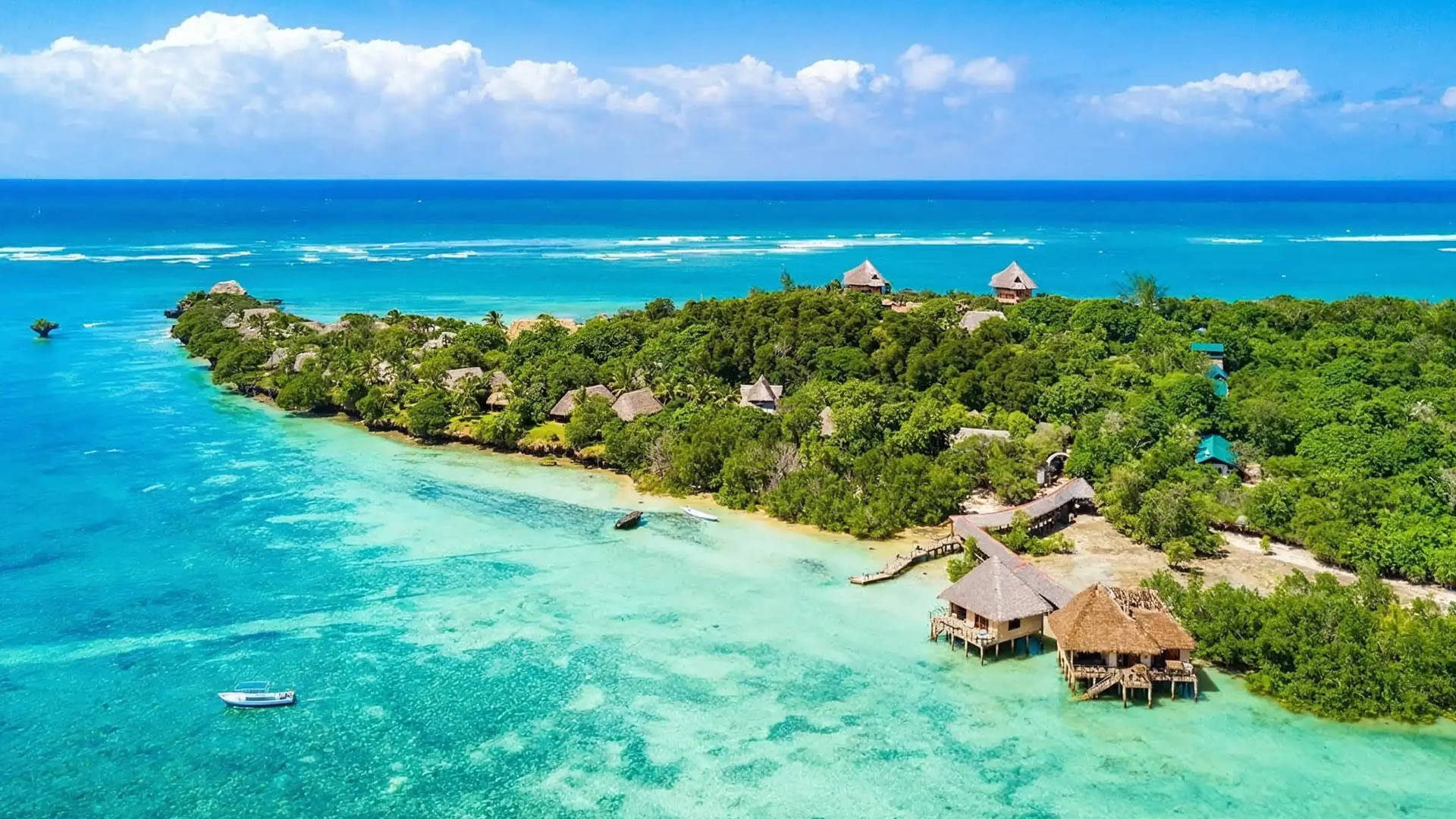
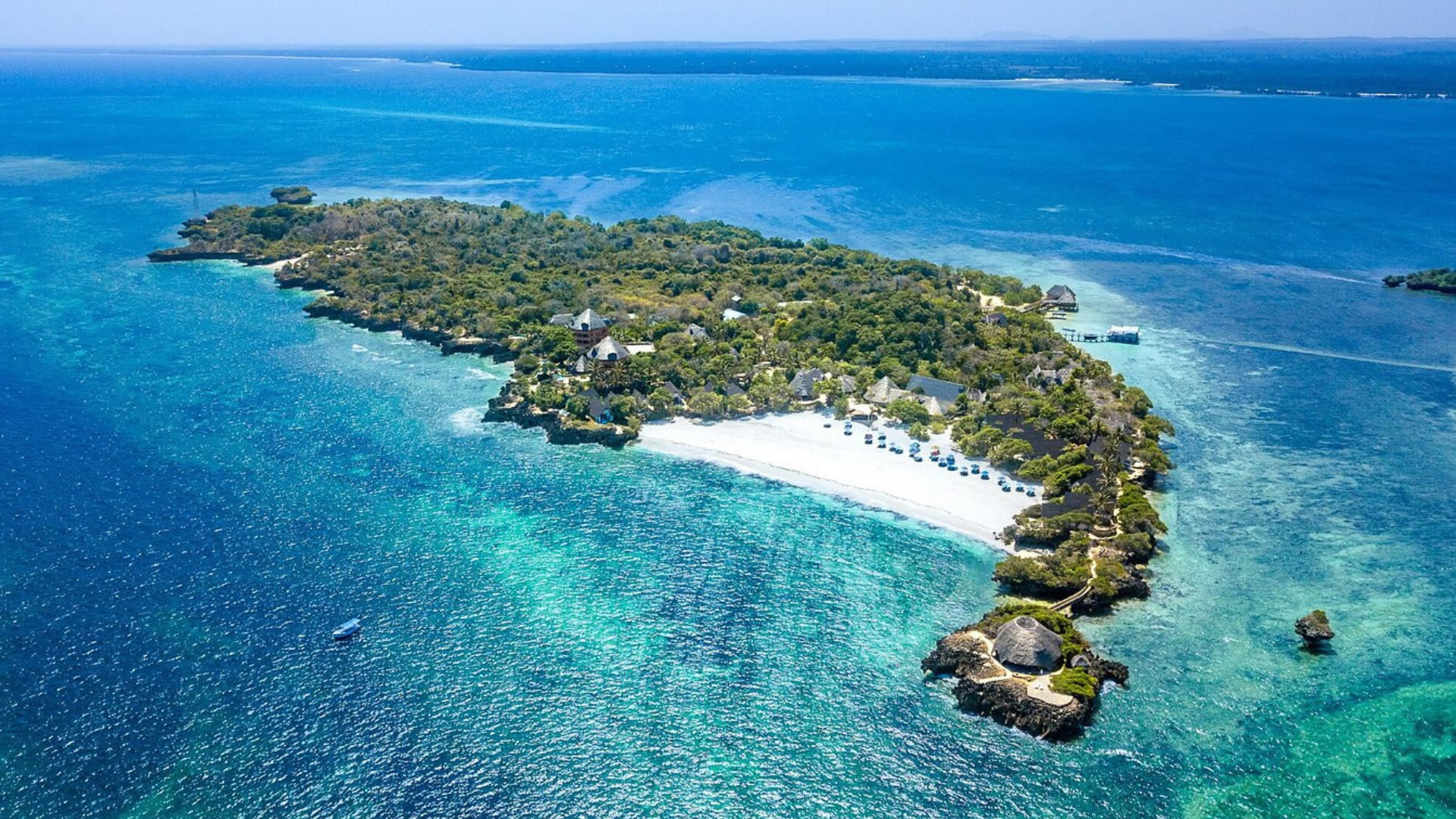
There are few places on Earth where you can freefall over a coral reef, a white-sand coastline, and the open Indian Ocean all at once. Diani Beach is one of them. Skydiving here is not just a jump — it is a sensory event that begins the moment the aircraft climbs above the palm-fringed shore and the turquoise water unfurls beneath you to the horizon.
The experience starts with a comprehensive safety briefing on the beach, followed by a 20-minute scenic flight up to 10,000–12,000 feet. You'll be securely harnessed to a certified tandem instructor who handles all the technical work — your job is to take it all in. At altitude, the aircraft door opens, and then comes the moment: a 40-second freefall at over 200 km/h, the Indian Ocean rushing towards you, wind roaring, adrenaline flooding every cell.
At around 5,000 feet, the parachute deploys and the world goes quiet. For the next five minutes, you glide under canopy with panoramic views of the reef, the Shimba Hills on the horizon, and the entire Diani coastline below. The landing is a soft touchdown on the beach — barefoot, breathless, and changed.
Beach landings, Indian Ocean panoramas, and year-round flying conditions — this is skydiving at its most spectacular.
No industrial airfields or gravel runways here. You take off from the coast, freefall over the ocean, and land softly on Diani's white sand — one of the most beautiful landing zones on the planet.
At altitude, you see the entire South Coast: the turquoise reef stretching north and south, palm groves, the Shimba Hills rising inland, and the Indian Ocean extending to the horizon in every shade of blue.
Drop zones are operated by full-time professional skydivers with international certifications. Your tandem instructor is a licensed expert with thousands of jumps and years of experience at this exact location.
Tandem skydiving requires no training, no medical exam, and no prior experience. A 15-minute safety briefing covers everything. You are securely harnessed to your instructor — they handle the skydive, you handle the screaming.
Opt for the photo and video package and your instructor captures the entire experience — exit, freefall, canopy flight, and landing — in high-definition. Walk away with footage you will watch a hundred times.
Kenya's equatorial coast delivers reliable weather for most of the year. Heavy rain, low cloud, or high winds can delay a jump, but the operators reschedule or refund — you are never pressured to fly in poor conditions.
Read this carefully — a few important restrictions and preparations apply.
Comfortable trousers — no skirts or dresses. Firmly tied sneakers (you will walk over hot tarmac to the aircraft). No loose jewellery, scarves, or dangling accessories. Shoes are sometimes removed before landing.
Men: maximum 100 kg, BMI 30 or below. Women: maximum 90 kg, BMI 27.5 or below. You will be weighed with clothes and shoes on check-in day. Excess weight may incur a surcharge of approximately USD 2 per kg over the limit.
No alcohol or drugs within 24 hours before the jump. No scuba diving within 24 hours before. Not permitted during pregnancy. Not suitable for individuals with recent surgeries, heart conditions, epilepsy, or certain physical limitations.
Minimum age 12 years. Ages 12–17 require signed parental or legal guardian consent and the guardian must be present on-site with ID. Guests aged 70 or older must obtain medical clearance from a doctor before booking.
All aviation activity depends on suitable weather. Rain, heavy low cloud, or high winds can prevent your jump. Operators reschedule to the next available slot or offer a full refund. Morning slots are recommended for calmer winds and the best light.
Personal cameras, phones, and drones are not permitted during the jump for safety reasons. The professional photo/video package (USD 85–100) is captured by your instructor using a mounted camera — this is the only way to get footage of your skydive.
Kenya's coast has reliable weather year-round — but some months are better than others for clear skies and calm wind.
Clear skies, light winds, and the best visibility for photography and video. Morning slots during these months are virtually guaranteed to fly. This is the peak tourist season on the coast, so book your jump 1–2 weeks ahead to secure your preferred date and time.
The heaviest rainfall and most overcast skies of the year. Jumps may be delayed or rescheduled more frequently during this period. Operators remain flexible and will rebook at no charge. If your dates are fixed, build in a backup day.
Tell us your preferred date and group size — we'll secure your slot and handle everything else.
Book My SkydiveTandem skydiving has an outstanding safety record worldwide. Your instructor is an internationally licensed professional with thousands of jumps logged. All equipment — harnesses, parachutes, reserve chutes, altimeters — is inspected before every jump. The reserve parachute deploys automatically via an AAD (Automatic Activation Device) if needed. Diani's drop zones maintain rigorous safety standards and will not fly in unsuitable weather.
It does not feel like falling. The sensation is closer to floating on a powerful, rushing column of air — imagine leaning into a very strong wind. There is no stomach-drop feeling because you exit the aircraft at speed, not from a stationary height. The 40-second freefall is an intense, euphoric rush. Once the parachute opens, the world goes quiet and you glide peacefully with spectacular views — the contrast between the two phases is what makes the experience so extraordinary.
Most people who skydive are nervous — many are genuinely terrified. The instructors are used to this and are excellent at putting you at ease. Interestingly, the fear of heights is a ground-level phenomenon: at 10,000 feet, the ground is so far below that it does not trigger the same vertigo. Once you exit the aircraft, the fear is replaced by adrenaline and exhilaration. The vast majority of first-time jumpers describe it as the best thing they have ever done.
Yes to both. You will wear goggles over your glasses during the jump, which keep them secure. Contact lenses are fine — the goggles protect your eyes from the wind during freefall. If you have prescription goggles or sports-strap glasses, even better, but standard glasses with regular goggles work perfectly.
Allow 3–4 hours from arrival to departure. This includes check-in, the safety briefing (approximately 15 minutes), waiting for your flight slot, the 20-minute scenic flight to altitude, the jump itself (about 6 minutes from exit to landing), and time afterwards for the complimentary drink and collecting your footage. Delays can extend this — particularly if weather causes a hold — so allow up to a full half-day.
Yes. The Accelerated Free Fall (AFF) programme is available at Diani's drop zones. Over several days and multiple jumps, you learn to exit, freefall, deploy your own parachute, and land independently. The complete AFF course costs approximately USD 2,600. Licensed skydivers with their own certification can also buy individual jump tickets for USD 35 per jump.