
Formerly the Selous Game Reserve — one of the largest protected areas in Africa, defined by the mighty Rufiji River and its labyrinth of lakes, channels, and floodplains where boat safaris, walking safaris, and wild dog tracking replace the vehicle-only experience of the north.
Nyerere National Park — carved from the northern photographic sector of the legendary Selous Game Reserve in 2019 and named after Tanzania's founding president, Julius Nyerere — encompasses over 30,000 square kilometres of lowland wilderness in southern Tanzania. It is, by area, the largest national park in Africa. The broader Selous ecosystem, including the remaining game reserve to the south, extends to roughly 50,000 square kilometres — a protected wilderness larger than Switzerland.
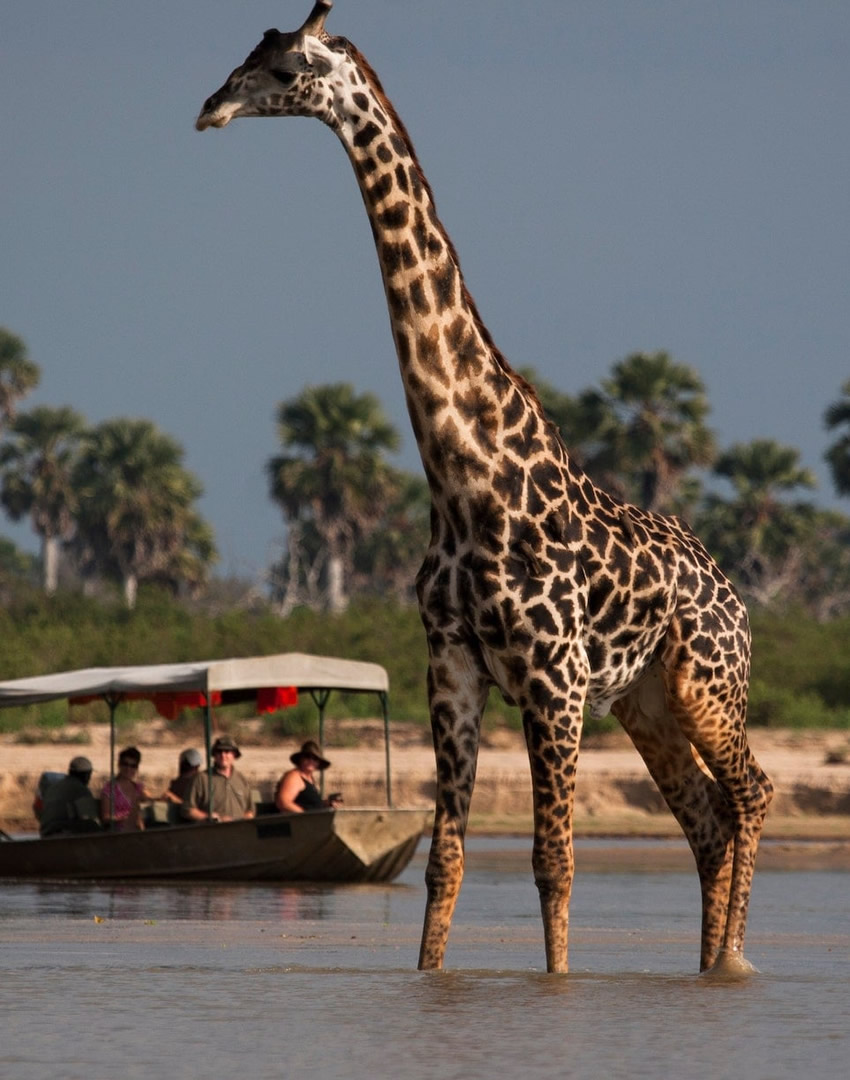
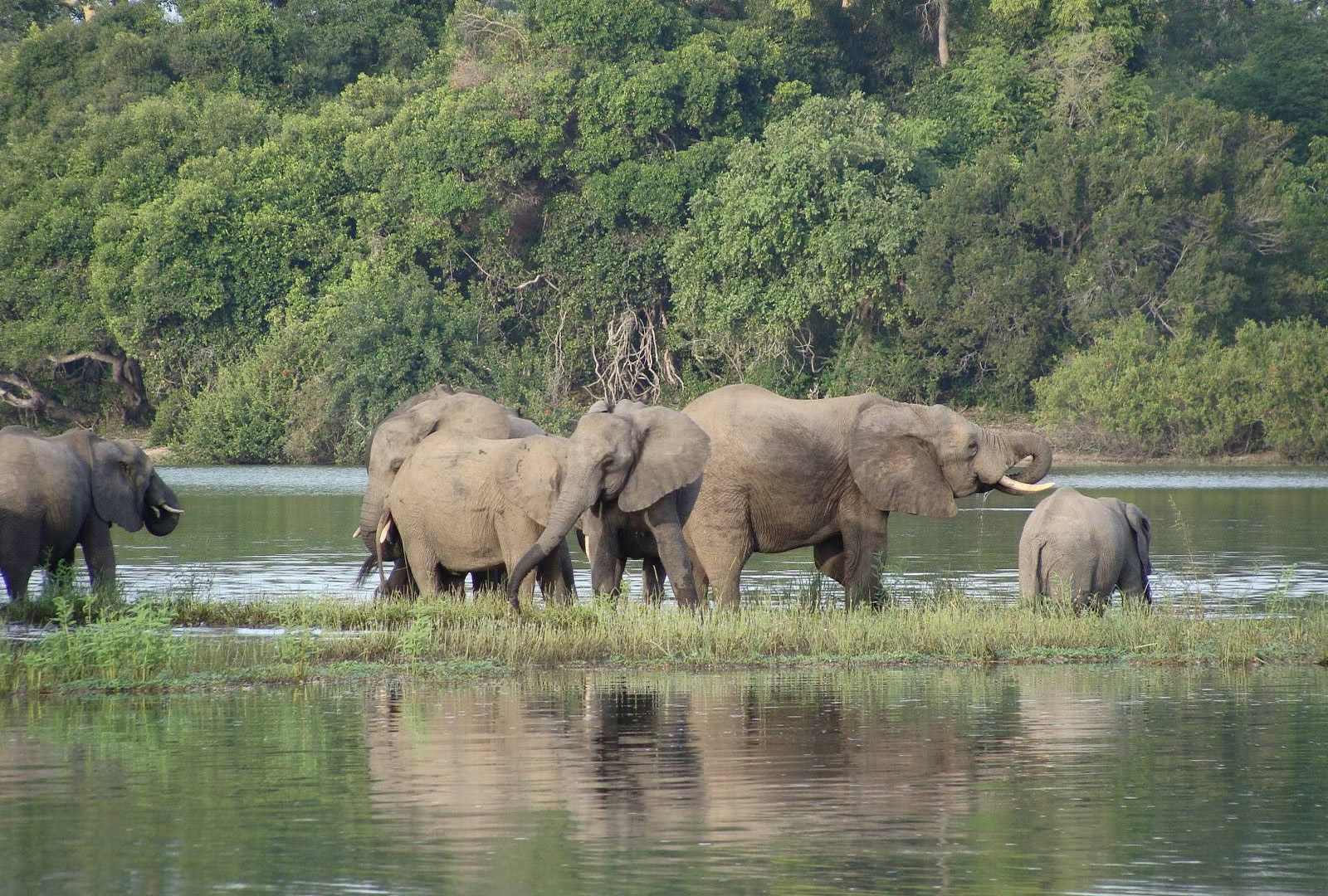
What defines Nyerere is water. The Rufiji River — Tanzania's largest — flows through the heart of the park, splitting into a network of channels, oxbow lakes, and seasonal floodplains that create a landscape unlike any other major safari destination in East Africa. This riverine system supports boat safaris, a mode of game viewing available in very few parks on the continent. Drifting silently past hippo pods, Nile crocodiles basking on sand banks, and elephants wading through the shallows provides a perspective that no game drive can replicate.
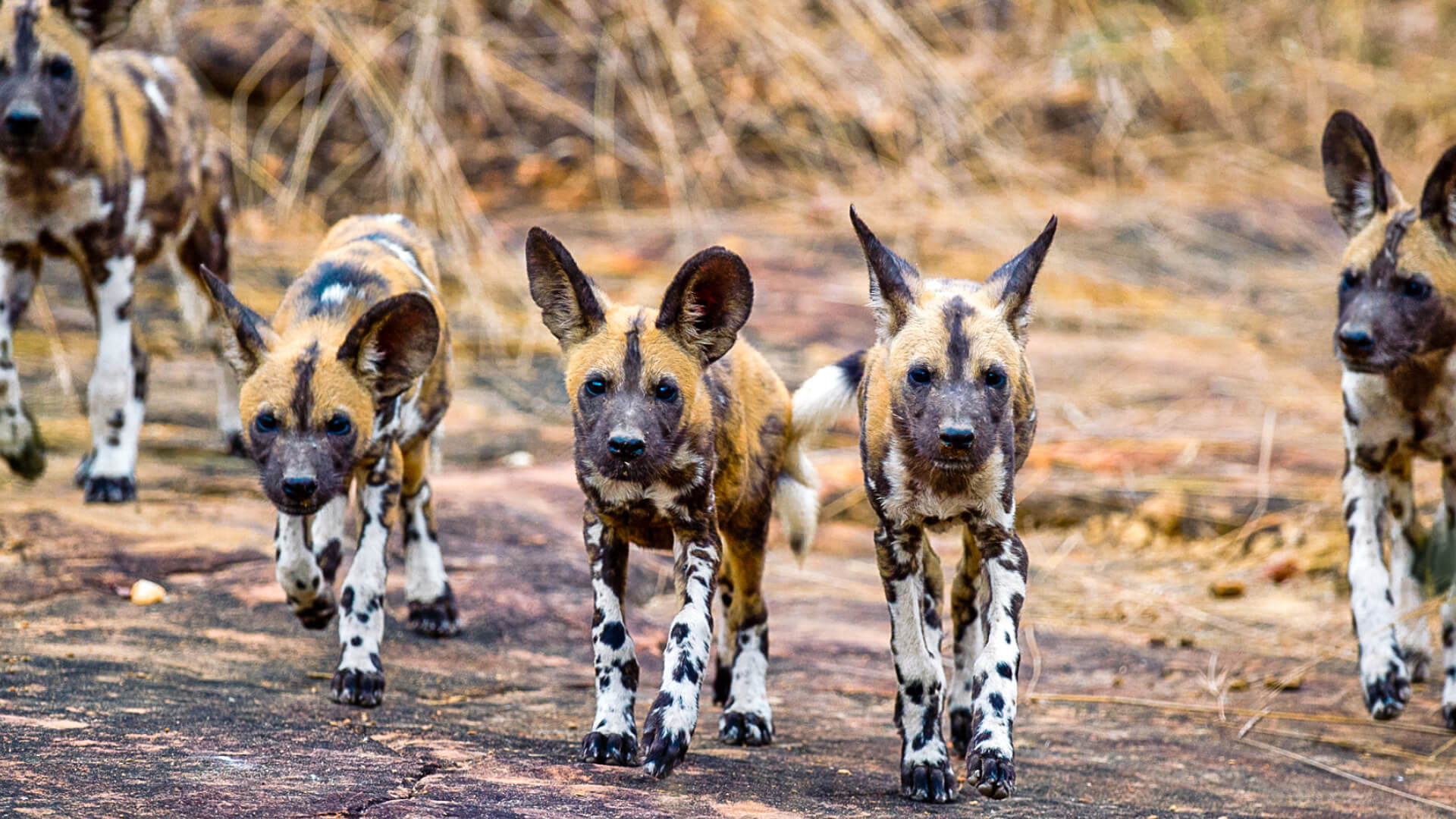
The park's wildlife has been recovering steadily from the poaching pressures that afflicted the broader Selous in the early 2000s. Elephant numbers are rebuilding. Lion prides are large and well-established along the river system. Leopard sightings are frequent, particularly along the wooded lake margins. And Nyerere supports one of the largest wild dog populations in Africa — the park's size and connectivity providing the vast, undisturbed territories these endangered pack hunters require. Combined with walking safaris, fly camping, and catch-and-release fishing on the Rufiji, Nyerere offers a safari experience that is fundamentally different from anything on the northern circuit.
Boat safaris on the Rufiji, walking through wild country, Africa's endangered painted dogs, and a wilderness that operates on a scale most travellers have never experienced.
Nyerere is one of very few major parks in East Africa where boat safaris are possible — and the Rufiji River makes them extraordinary. Gliding in a small motorboat past pods of 30 or 40 hippos, enormous Nile crocodiles on the sand banks, African fish eagles overhead, and elephants drinking at the water's edge, you experience the bush from a perspective that no vehicle can provide. The silence between engine cuts, the reflections, the water-level viewpoint — it is a different kind of safari entirely.
Walking is central to the Nyerere experience — not an optional extra. The park's lowland terrain, its network of sand rivers and lake margins, and the tradition of foot-based game viewing inherited from the old Selous make walking here among the best in Africa. Multi-hour walks with armed rangers cover real ground through real bush, tracking predators by spoor, reading dung and prints, and navigating a landscape where every sound matters. For many visitors, the walk is the highlight of the trip.
The greater Selous-Nyerere ecosystem harbours one of Africa's most important wild dog populations — estimated at over 1,000 individuals across the broader landscape. The park's enormous size provides the vast territories these pack hunters need, and sightings in the photographic sector around the Rufiji and its lakes are consistent, particularly during the dry season when packs concentrate near water. Wild dog denning season (June to September) further improves encounter rates.
The Rufiji's channels feed a chain of interconnected lakes — Tagalala, Manze, Nzerakera, Siwandu — that form the scenic heart of the photographic sector. These shallow, palm-fringed lakes attract dense concentrations of hippo, crocodile, waterbirds, and the predators that patrol their margins. Leopard sightings along the wooded lake edges are among the best in Tanzania. The lakes also provide the setting for some of the park's finest camps, built on their shores with water views from every angle.
At over 30,000 square kilometres, Nyerere is the largest national park in Africa. This is not a statistic — it is a lived experience. The sense of space, the emptiness of the bush between camps, and the knowledge that the wilderness extends in every direction for hundreds of kilometres creates a quality of immersion that smaller, busier parks simply cannot offer. Game drives routinely cover ground without encountering another vehicle. The park absorbs its visitors completely.
Nyerere is one of the only parks in East Africa where game drives, boat safaris, and walking safaris are all available from the same camp. This variety transforms a three- or four-night stay: a dawn boat trip, a morning walk, an afternoon game drive, and a sundowner on the lake — each revealing a different dimension of the same ecosystem. The combination is not a gimmick; it is the reason experienced safari travellers rank Nyerere among the finest all-round wildlife destinations on the continent.
Nyerere National Park occupies a vast swathe of southern Tanzania, lying approximately 250 kilometres south-west of Dar es Salaam. The Rufiji River — Tanzania's largest — flows through the park from west to east before emptying into the Indian Ocean through an extensive delta south of Mafia Island. The photographic sector, where all safari camps and lodges are located, sits in the park's northern reaches along the Rufiji and its associated lake system.
The broader Selous-Nyerere ecosystem — including the Selous Game Reserve to the south, which remains a designated hunting concession — covers roughly 50,000 square kilometres, making it one of the largest contiguous protected areas in Africa. This connectivity supports the wide-ranging movements of elephant herds, wild dog packs, and migratory species across a landscape that is, in ecological terms, still functioning at a continental scale. Nyerere's southern-Tanzania position places it firmly off the northern circuit, accessed by short bush flights from Dar es Salaam, Ruaha, or Zanzibar.
From boat safaris on the Rufiji and walking through wild bush to catch-and-release fishing and fly camping — Nyerere offers a safari toolkit no northern park can match.
The Rufiji River and its chain of lakes provide the setting for Nyerere's most distinctive activity. Small motorboats carry guests along the waterways at water level — past wallowing hippo pods, basking crocodiles, nesting fish eagles, and elephants wading to drink on the far bank. The boat also accesses areas that vehicles cannot reach, opening hidden channels and lake margins that feel genuinely unexplored. Morning and late-afternoon departures catch the best light and the most active wildlife.
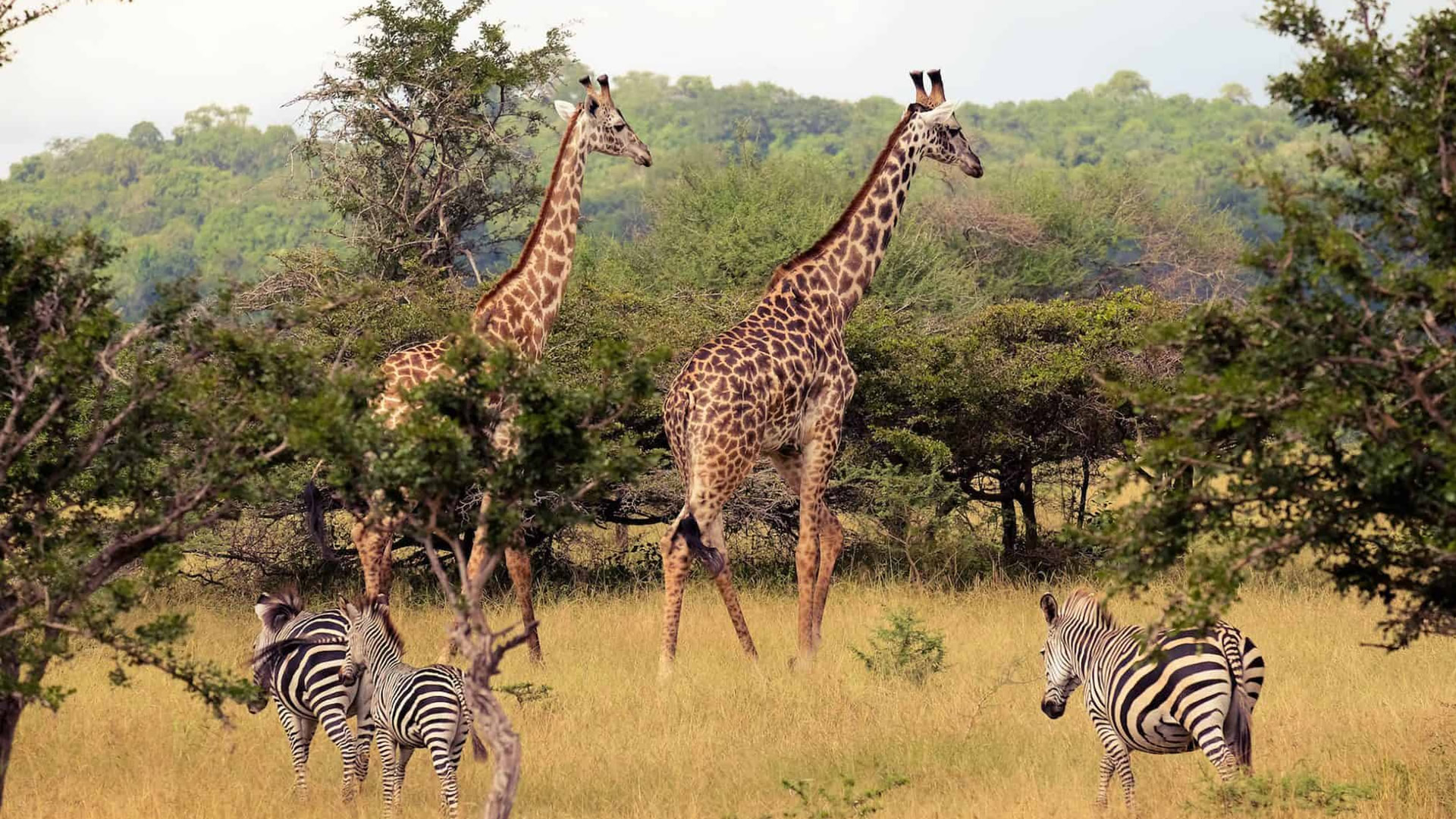
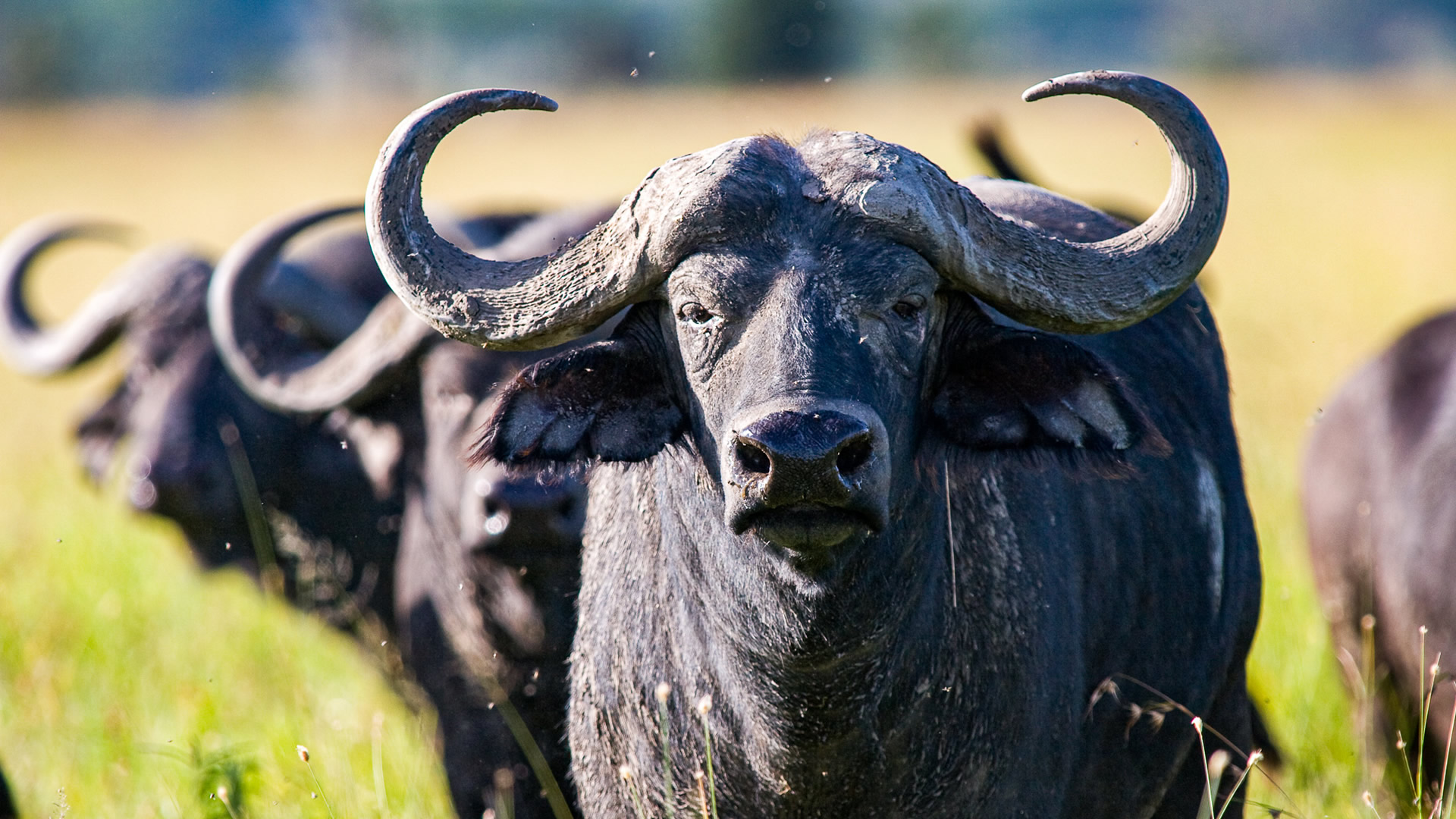
Morning and afternoon drives through the photographic sector cover open grassland, miombo woodland, lake margins, and the Rufiji floodplain. Lion prides are well-established along the river and lake systems. Leopard are frequently seen in the woodland fringing the lakes. Elephant, giraffe, buffalo, zebra, wildebeest, and a long list of antelope are all present. The flat, lowland terrain and wide tracks make for comfortable driving, and the absence of other vehicles gives every sighting an exclusive quality.
Nyerere has one of the strongest walking traditions of any park in East Africa — inherited from the old Selous, where foot safaris were a defining experience. Walks are led by armed rangers and specialist guides, following sand rivers, tracking predator spoor, and reading the bush at ground level. Routes can be tailored from gentle two-hour morning strolls to full multi-hour treks covering serious ground. The intensity of walking through country that holds lion, buffalo, and elephant is unlike any vehicle experience.
The Rufiji supports several sport-fishing species — tiger fish, catfish, and tilapia — and catch-and-release fishing from a boat provides yet another way to engage with the river. Fishing trips are typically arranged for the late afternoon when the light is golden and the river banks come alive with birdlife. It is a sociable, low-key activity that complements the more intensive game drives and walks, and appeals particularly to guests spending three or more nights in the park.
Over 440 species have been recorded across the park's mosaic of riverine, lake, woodland, and grassland habitats. The Rufiji and its lakes support spectacular concentrations of waterbirds — African skimmer, white-crowned lapwing, palmnut vulture, saddle-billed stork, African fish eagle, and malachite kingfisher among them. The miombo woodland adds brown-headed parrot, Böhm's bee-eater, and Dickinson's kestrel. Boat trips are the single most productive birding mode, putting you at eye level with the water species.
Several camps offer the option of a fly-camp night on a sand bank of the Rufiji or beside one of the lakes — a simple mosquito-net shelter, a campfire dinner, and nothing between you and the African night. Hippos call from the river. Lions roar across the floodplain. The Milky Way is visible from horizon to horizon. It is the most immersive way to experience Nyerere's wilderness, and the river setting adds a dimension that bush-based fly camps elsewhere cannot match.
Nyerere's low elevation and river-based ecosystem create a seasonal rhythm distinct from the highland parks — the dry season concentrates wildlife on the water, while the rains close most camps.
The prime window. As the Rufiji's tributaries recede, wildlife concentrates on the main river channels and the shrinking lakes in escalating density. Boat safaris are at their most productive, with hippo pods and crocodiles crowding the remaining deep water. Walking conditions are ideal — firm ground, clear sightlines, and active predators. Wild dog denning season (June to September) improves pack sighting rates. Temperatures are warm — Nyerere sits at low elevation — but not oppressive. October and November are the hottest months and often the most dramatic for waterhole scenes.
The long rains flood the Rufiji system and make most tracks impassable. Nearly all camps close between March and May — this is not a season for visiting. The river rises dramatically, the lakes merge into vast floodplains, and the landscape becomes inaccessible by vehicle or boat. January and February are transitional: the short rains have passed, the bush is green and lush, some camps are open, and rates are lower. June reopens the park as the waters recede and the camps re-establish.
A short bush flight from Dar es Salaam — the quickest transition from airport to wilderness of any major park in Tanzania.
Scheduled bush flights from Dar es Salaam's Julius Nyerere International Airport reach Nyerere's airstrips in approximately 45 minutes — one of the shortest fly-in transfers in the Tanzanian safari world. Coastal Aviation and Safari Airlink operate daily services. Connecting flights from Ruaha (approximately 1 hour), Zanzibar, and the northern-circuit parks are also available. Flying is the standard and strongly recommended means of access.
The overland drive from Dar es Salaam takes approximately 5 to 6 hours via the Kibiti road to the park's Mtemere gate. The route passes through rural villages and coastal lowland before entering the park's eastern boundary. The road is paved for much of the journey but deteriorates in the final stretch — a 4x4 is advisable, and essential in the wet season. Most guests fly, but the drive offers a genuine transition through Tanzanian rural life for those with time.
Nyerere and Ruaha together form Tanzania's southern safari circuit — an alternative to the northern parks that offers a completely different character: river-based game viewing at Nyerere, highland-river drama at Ruaha, and solitude at both. A typical combination runs two to three nights at Nyerere followed by three to four nights at Ruaha, connected by a one-hour bush flight. Adding Zanzibar for beach days via a short flight from Dar es Salaam creates a complete safari-and-coast package.
The Rufiji, the lakes, wild dog, and a river wilderness that offers safari experiences found nowhere else in East Africa.
In 2019, the Tanzanian government redesignated the northern photographic sector of the Selous Game Reserve as Nyerere National Park, named after Julius Kambarage Nyerere, Tanzania's first president. The remaining southern sector continues as the Selous Game Reserve. All safari camps and lodges that previously operated in the Selous now sit within Nyerere National Park. The practical safari experience — boat safaris, walking safaris, game drives along the Rufiji — remains identical. Most travellers and operators still use both names interchangeably.
Two to three nights is ideal. Two nights allows a boat safari, a walking safari, and two game drives — enough to experience all three of Nyerere's modes of game viewing. Three nights adds a fly-camp night or a fishing trip and allows a more relaxed pace that suits the park's character. One night is too short — the bush-flight transfer takes a morning or afternoon, and the variety of activities here demands at least a full day and a half on the ground. For the southern-circuit combination, two nights at Nyerere followed by three at Ruaha is a well-balanced itinerary.
Nyerere sits at low elevation — roughly 100 to 200 metres above sea level — and the climate is significantly warmer and more humid than the highland parks of the northern circuit. Daytime temperatures during the dry season range from 30°C to 38°C, with October and November the hottest months. Mornings and evenings are pleasant, and the river and lake breezes moderate the afternoon heat. Light, breathable clothing is essential. The boat safaris provide natural cooling, and most camps have shaded lounging areas and plunge pools to make the midday hours comfortable.
Nyerere has four of the Big Five — elephant, lion, leopard, and buffalo are all present and regularly seen. Rhino is the missing member; the park does not currently support a viable rhino population. If completing the Big Five is a priority, Nyerere pairs well with the Ngorongoro Crater (black rhino) or Ol Pejeta Conservancy in Kenya. However, Nyerere's strength lies not in ticking a list but in the variety and intimacy of its game-viewing modes — boat, foot, and vehicle — which together create an experience far richer than any checklist.
Nyerere National Park charges USD 59.00 per non-resident adult per 24-hour period (as of 2024/2025), with reduced rates for children aged 5–15. Walking safari, boat safari, and fishing fees may be charged separately depending on the camp operator. All park fees and applicable taxes on Kuldip's Touring Company safari packages are included in the quoted price.
Nyerere works well for families with older children (typically aged eight and above). The boat safaris are a highlight for all ages — seeing hippos and crocodiles from water level is inherently exciting. Game drives are comfortable and productive. Walking safaris have minimum age requirements (usually 12 or 16, depending on the camp). The main consideration is the heat: the low-altitude, humid climate is less comfortable than the highland parks for younger children. Several camps welcome families and can tailor activity schedules to suit mixed ages.
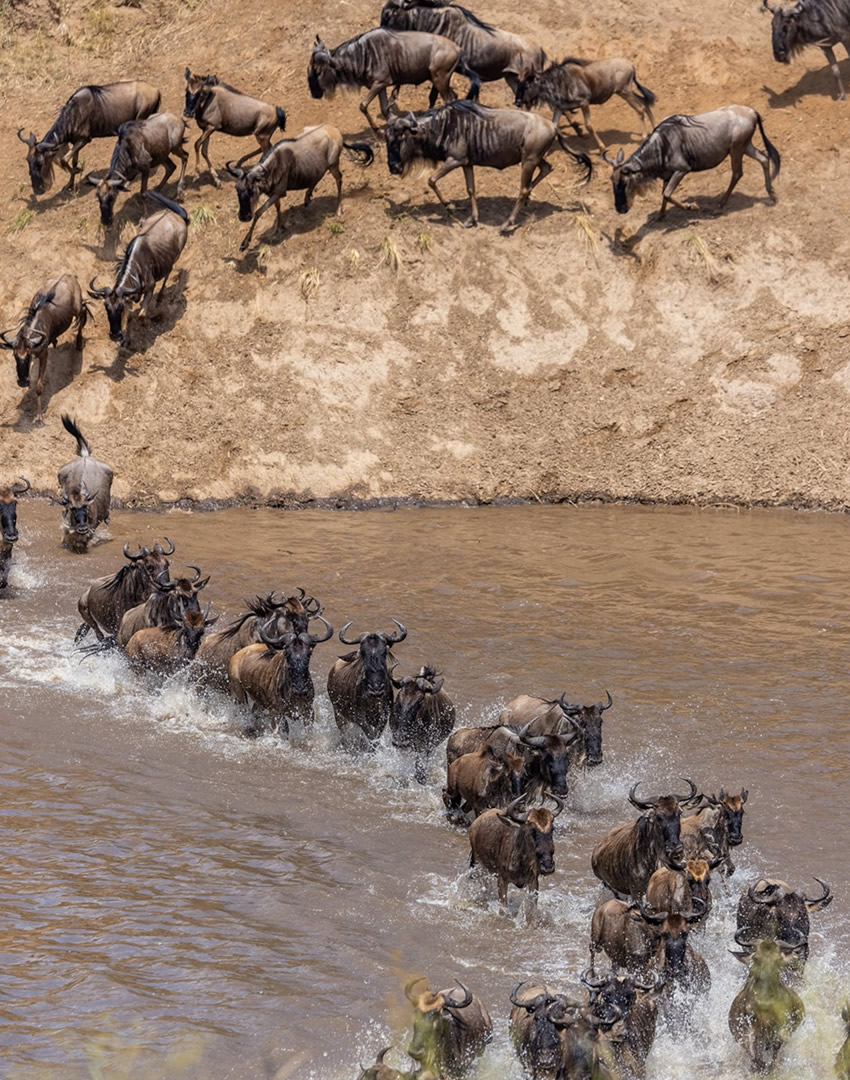
Endless plains supporting the greatest concentration of large mammals on Earth. The stage for the Great Wildebeest Migration.
Explore the Serengeti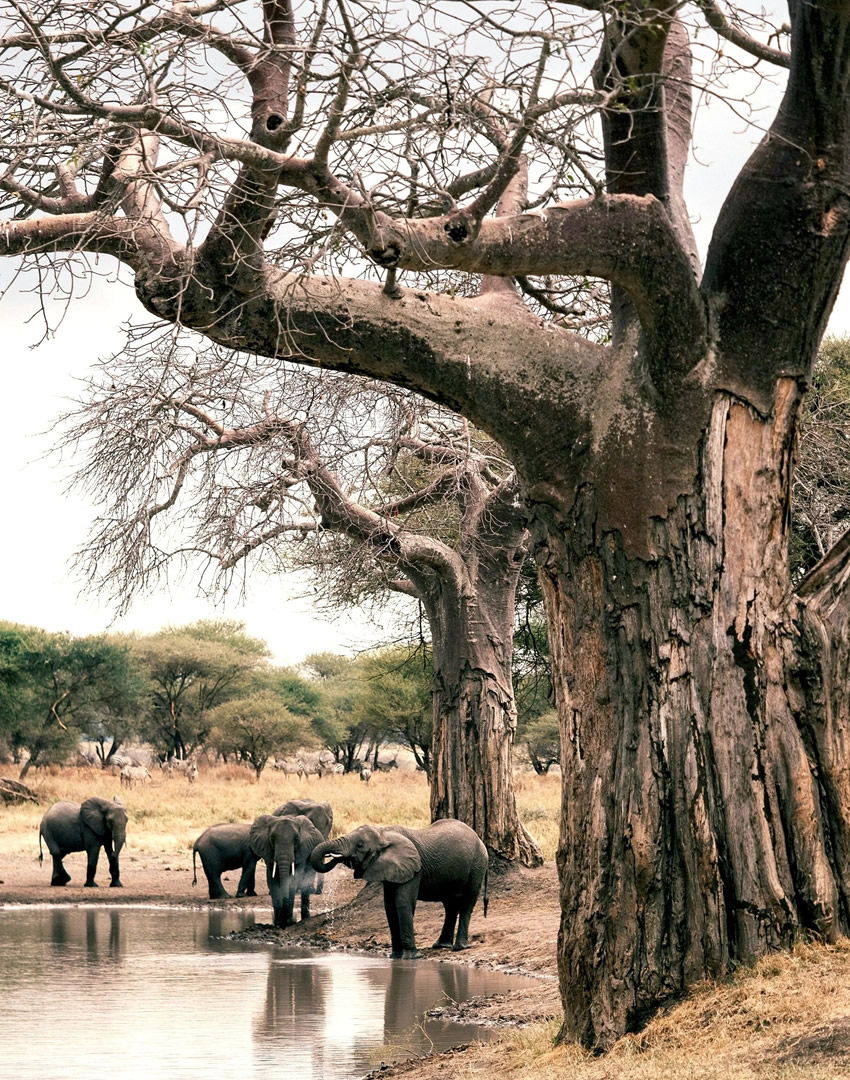
Ancient baobab trees tower over vast herds of elephant that converge on the Tarangire River during the dry season.
Explore Tarangire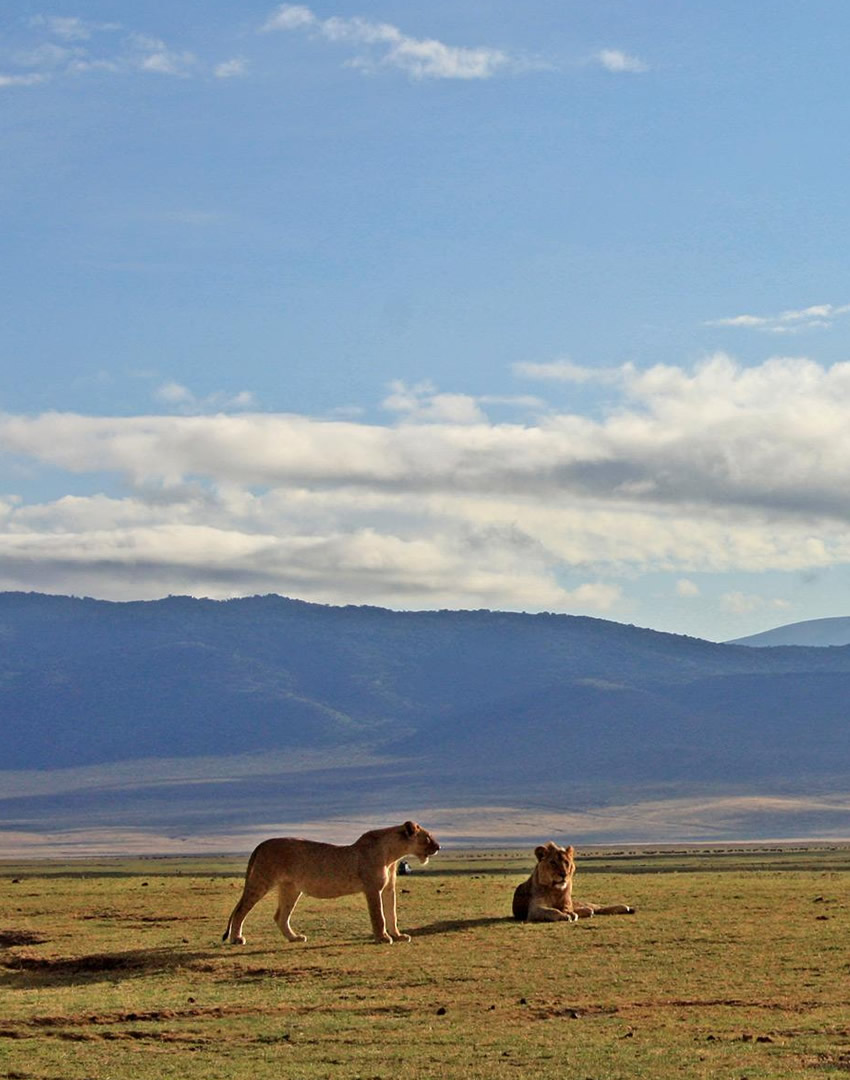
The world's largest unbroken volcanic caldera, sheltering an extraordinary density of wildlife on its lush, 600-metre-deep floor.
Explore Ngorongoro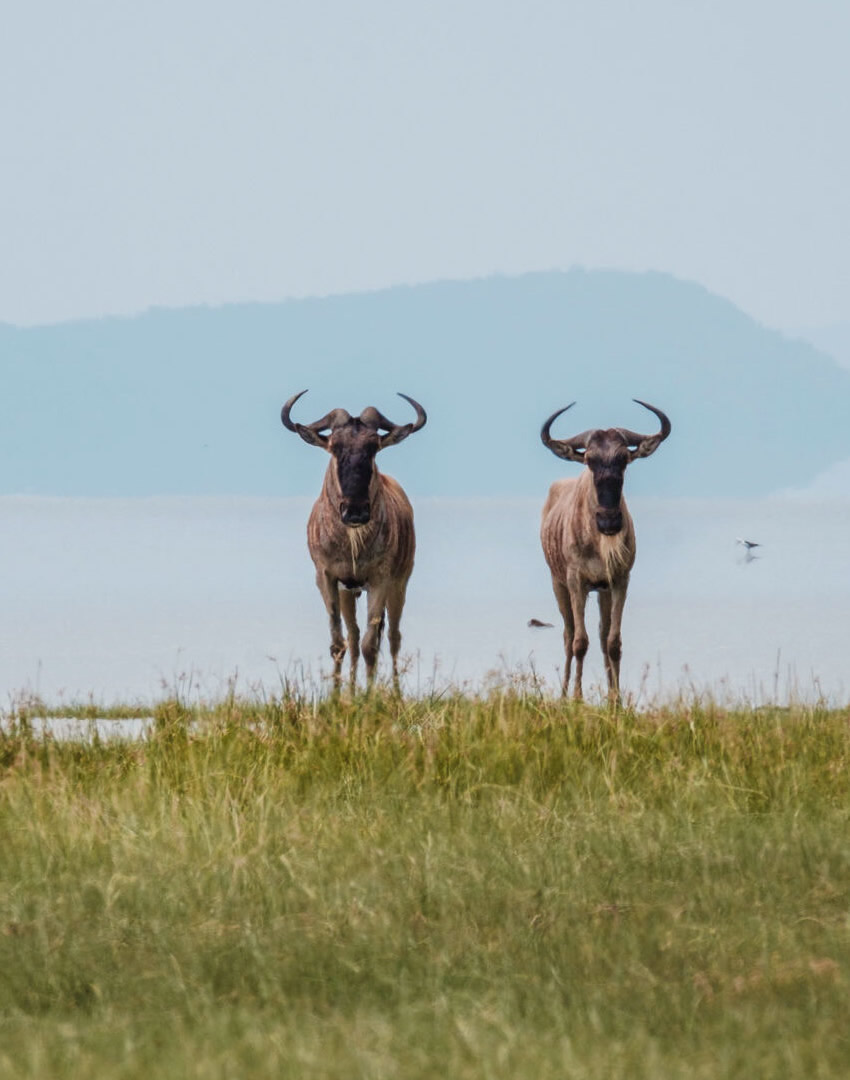
A compact gem at the base of the Great Rift Valley escarpment, famous for its tree-climbing lions in ancient mahogany trees.
Explore Manyara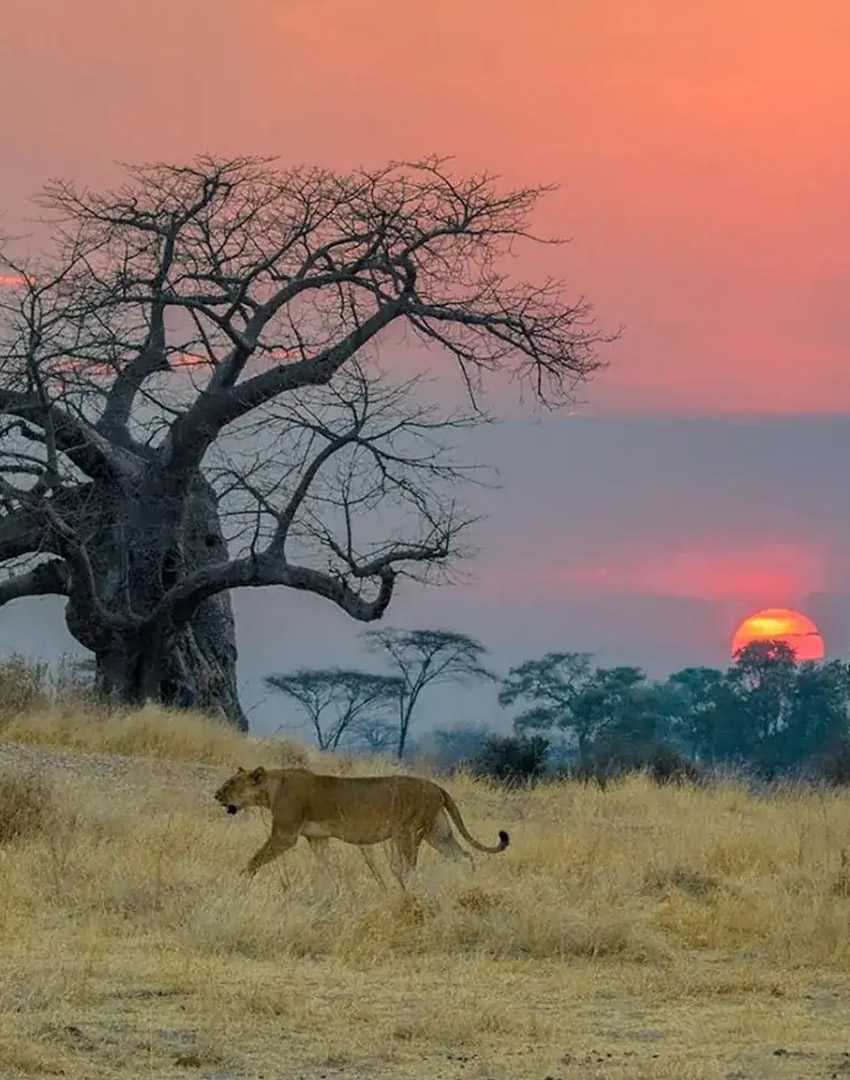
Tanzania's largest national park and one of its best-kept secrets, with one of the largest lion populations in Africa.
Explore RuahaOne of the largest protected areas in Africa, defined by the mighty Rufiji River. Boat safaris, walking safaris and fly-camping.
Explore Nyerere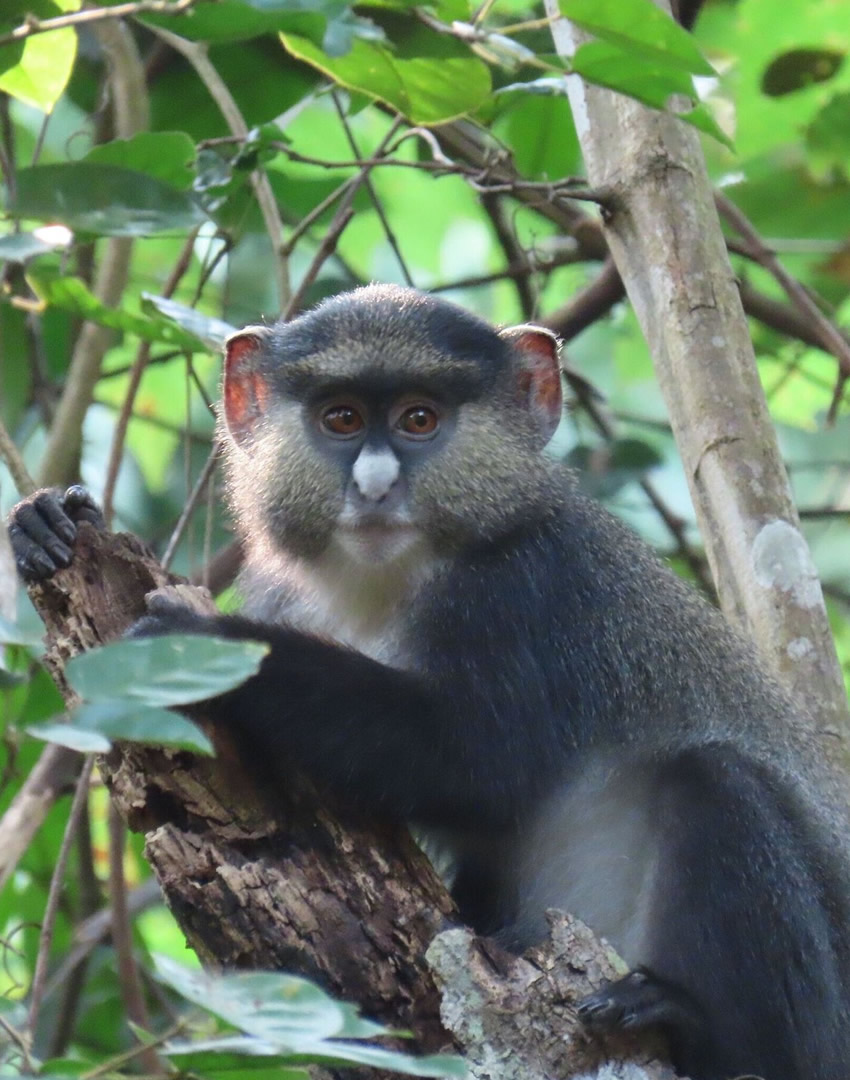
Where Jane Goodall began her groundbreaking chimpanzee research in 1960. Trek through steep forested valleys on the shores of Lake Tanganyika.
Explore Gombe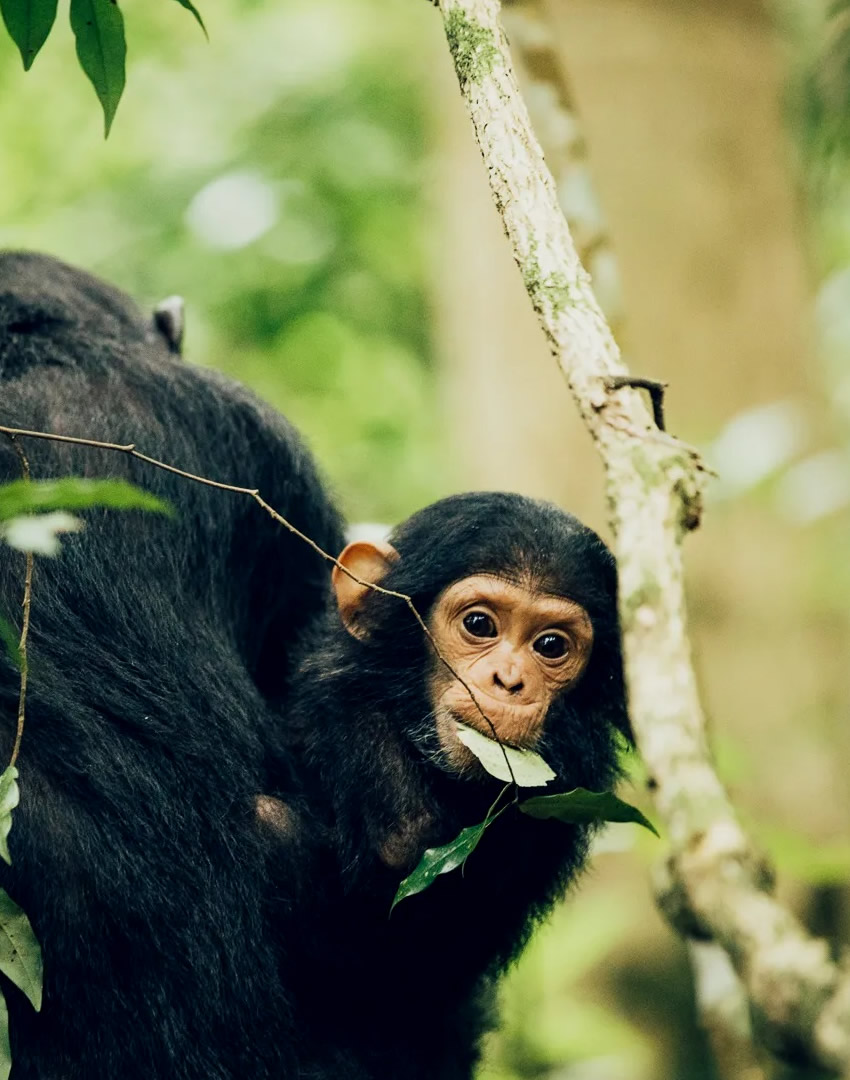
Remote, roadless and utterly extraordinary. The Mahale Mountains shelter one of the largest known populations of wild chimpanzees.
Explore Mahale