
Uganda's smallest national park — a volcanic wilderness of bamboo forest, alpine meadow, and three Virunga summits, where mountain gorillas and the rare golden monkey share the slopes at the triple border of Uganda, Rwanda, and the Democratic Republic of Congo.
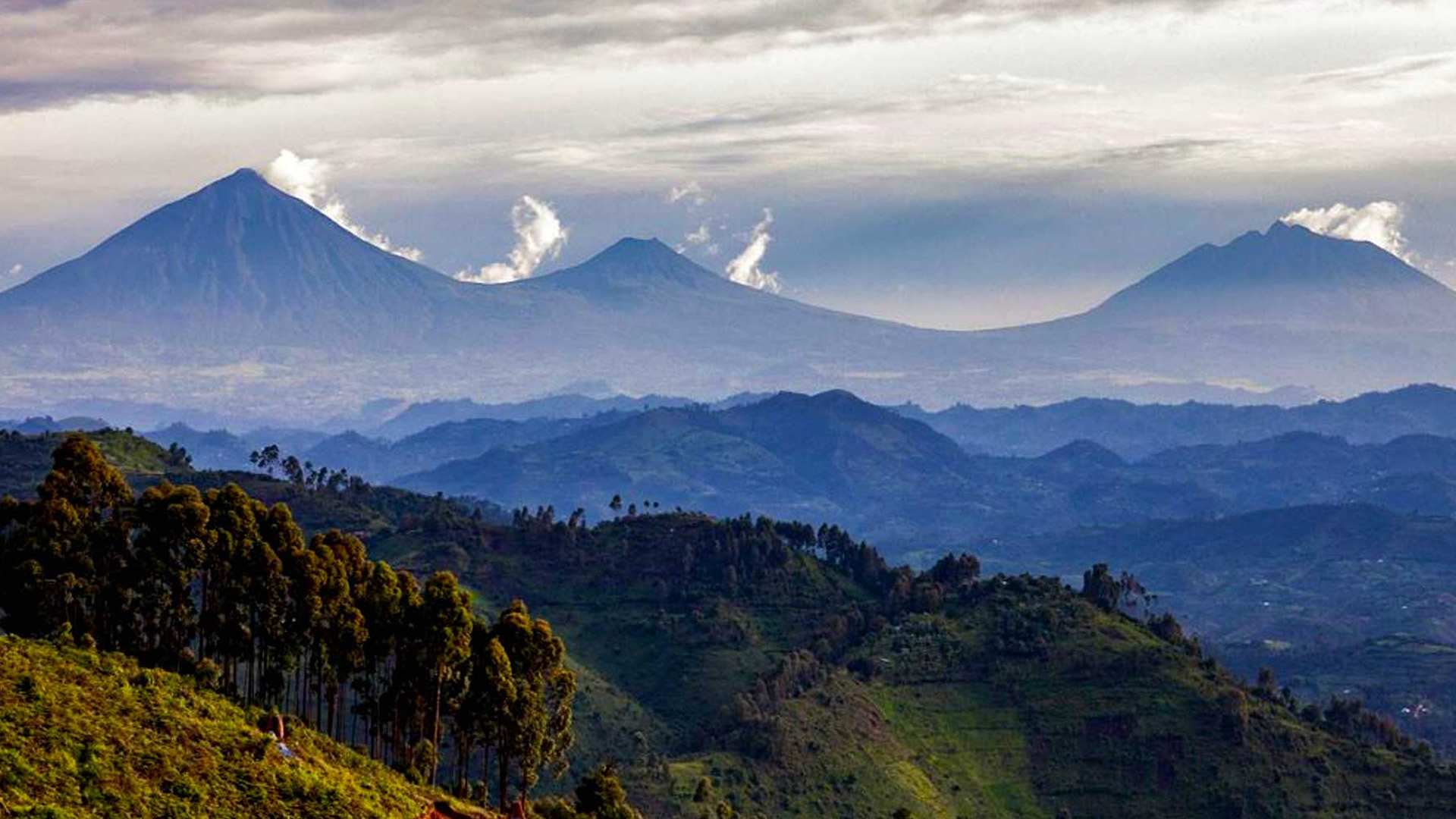
Mgahinga Gorilla National Park covers just 33.7 square kilometres — making it Uganda's smallest national park — but within that compact footprint lies some of the most dramatic and ecologically significant terrain in the country. The park protects the Ugandan slopes of three Virunga volcanoes: Mount Muhabura (4,127 m), Mount Gahinga (3,474 m), and Mount Sabinyo (3,669 m), whose summit marks the exact point where Uganda, Rwanda, and the Democratic Republic of Congo meet. The landscape rises steeply from cultivated farmland at around 2,200 metres through dense bamboo forest, hagenia-hypericum woodland, and alpine meadow to the rocky volcanic peaks above.
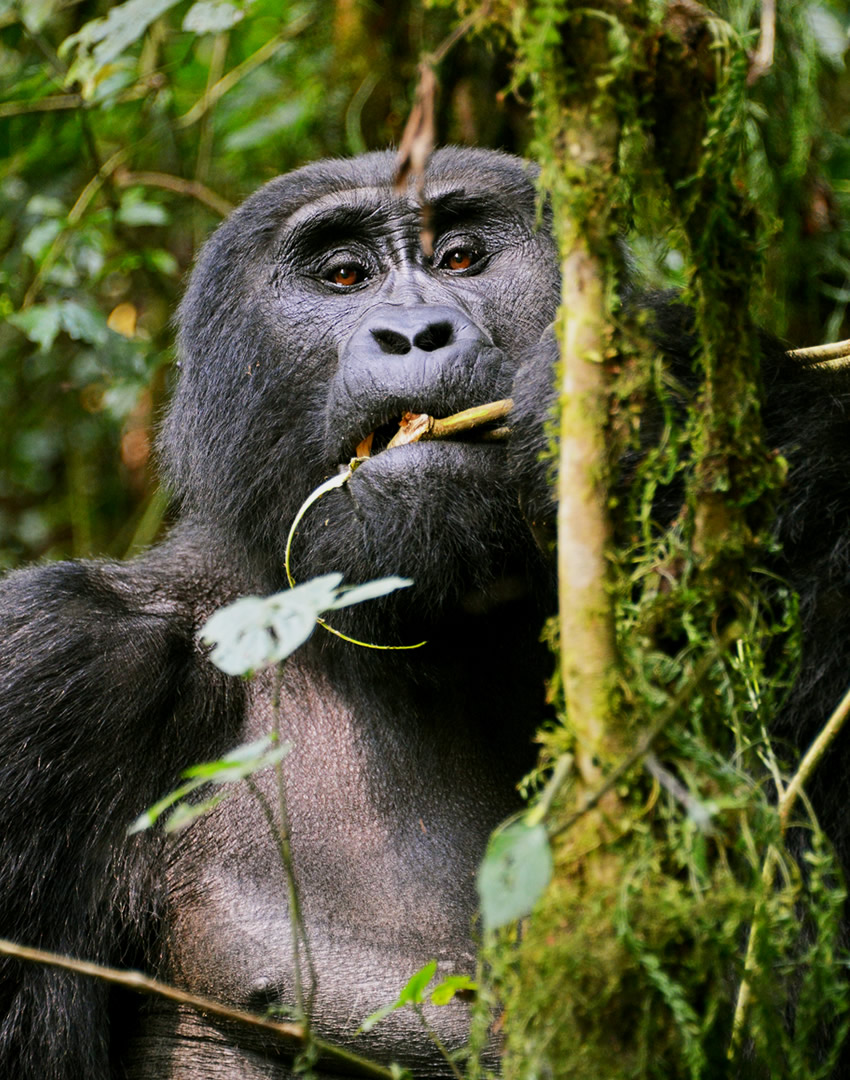
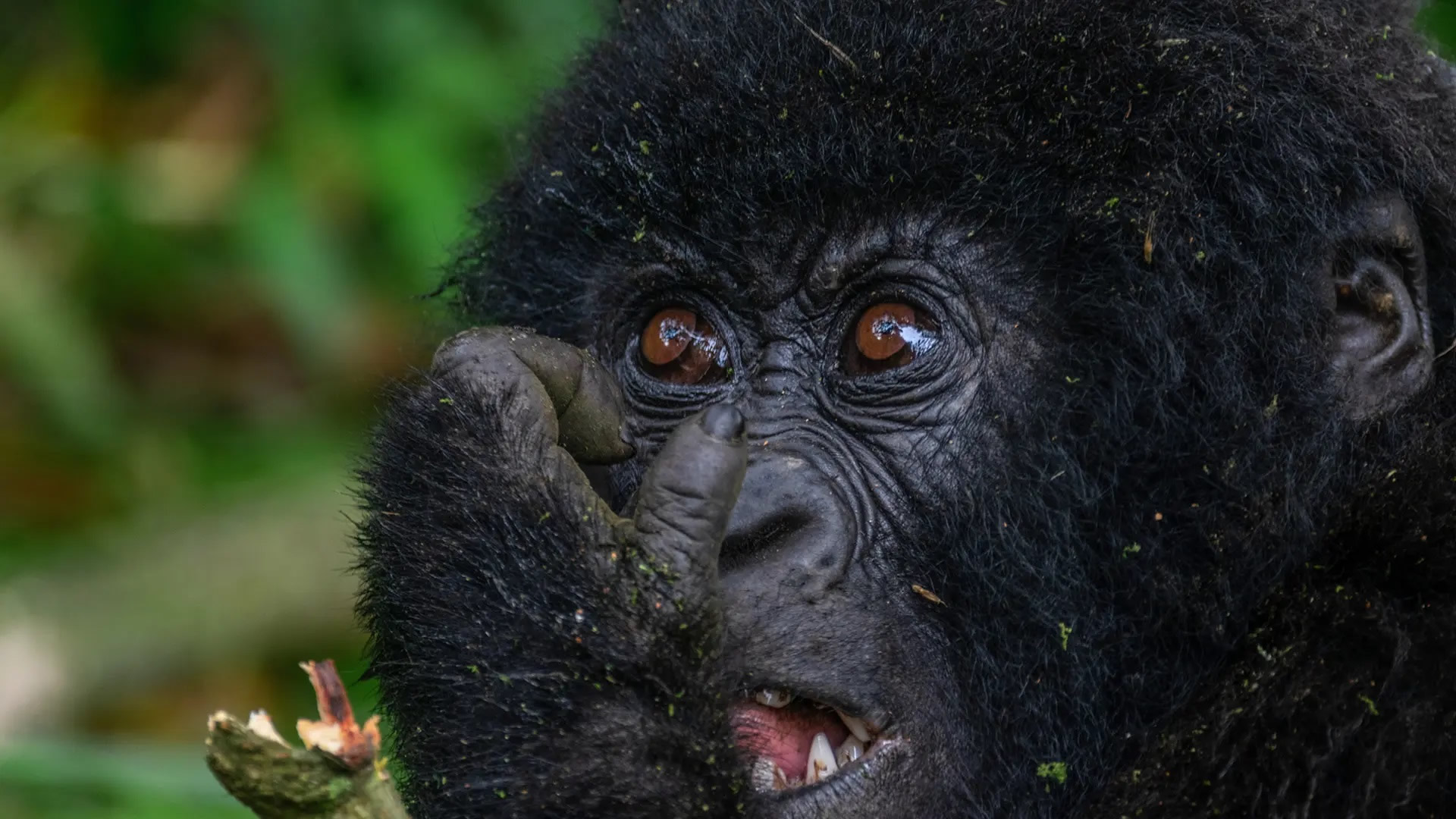
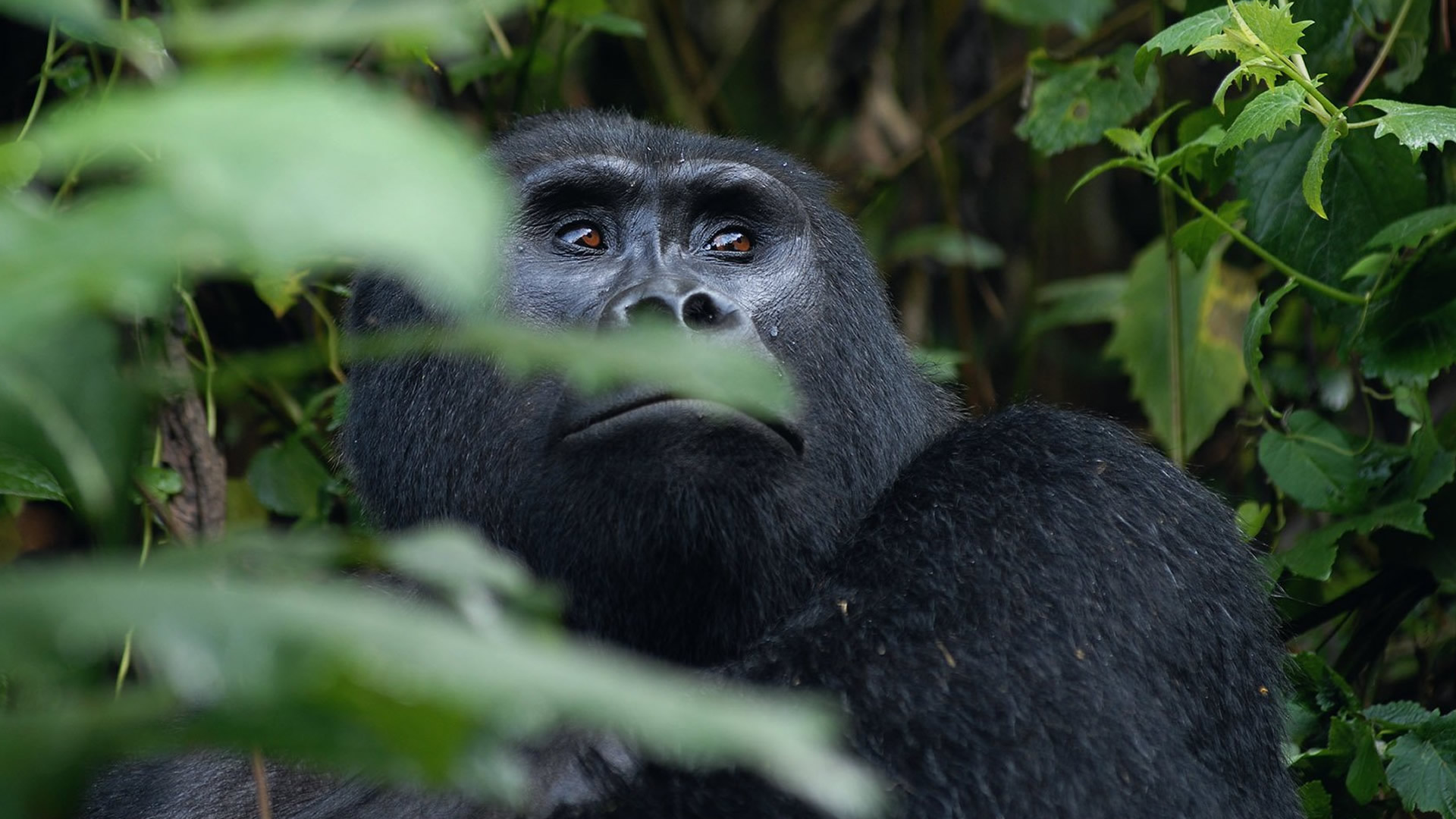
Mgahinga's gorilla trekking centres on a single habituated family — the Nyakagezi group — a dynamic, well-established family whose composition has shifted over the years as silverbacks compete, females transfer, and infants are born. Because there is only one trekking group, permits are limited to eight visitors per day, and the experience feels intimate and exclusive in a way that the larger Bwindi operation sometimes cannot. The gorillas here inhabit bamboo and montane forest on the volcanic slopes — a more open, visually dramatic setting than Bwindi's dense lowland canopy — and on clear days the encounters unfold against a backdrop of volcanic cones and Rift Valley views.
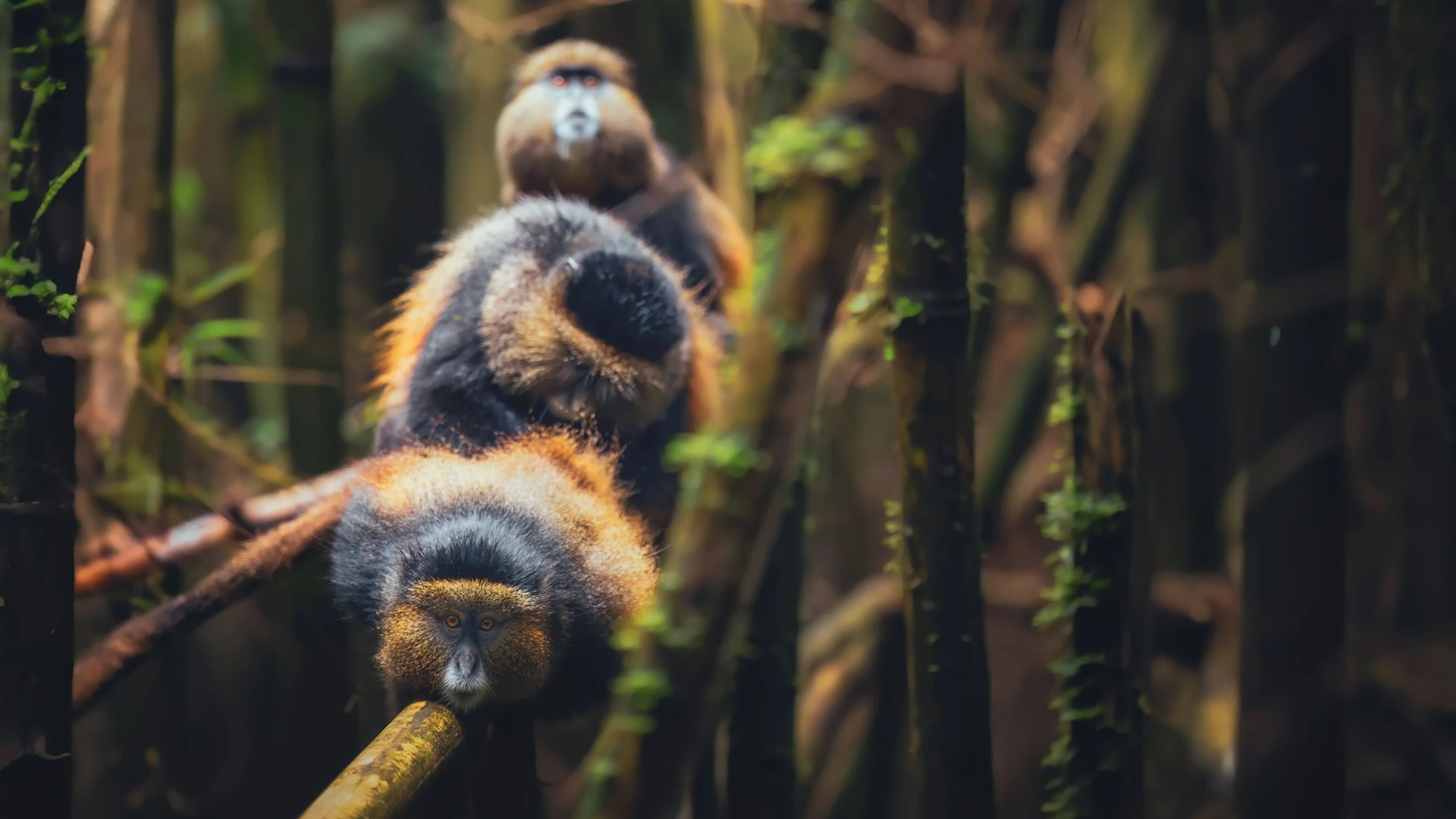
But Mgahinga offers something that no other gorilla destination in Uganda can: the golden monkey. This striking, endemic primate — bright orange-gold body, black limbs, and an expressive face — is found only in the bamboo forests of the Virunga volcanoes. Mgahinga supports a habituated group, and golden monkey tracking is a vibrant, fast-paced experience that contrasts with the slow gravity of the gorilla encounter. Combined with volcano hiking, the Batwa Trail, and the sheer visual drama of the Virunga landscape, Mgahinga packs a remarkable range of experiences into the smallest possible space.
Mountain gorillas on volcanic slopes, the endemic golden monkey, three summits including a triple-border point, and an intimacy that larger parks cannot offer.
Mgahinga's gorilla trekking unfolds on the bamboo-clad slopes of the Virunga volcanoes — a more open, more visually dramatic setting than Bwindi's lowland forest. The Nyakagezi family moves through bamboo, hagenia woodland, and clearings that frame the gorillas against the volcanic landscape. On clear mornings, the encounter happens with the cones of Muhabura and Sabinyo visible above the canopy. Only eight permits are issued per day, so the experience is quieter, less crowded, and often feels more personal than at Bwindi's busier sectors.
The golden monkey (Cercopithecus kandti) is found nowhere on Earth except the bamboo forests of the Virunga volcanoes. Mgahinga's habituated group — typically 80 to 100 individuals — is a spectacle of colour and motion: bright orange-gold fur flashing through green bamboo, acrobatic leaps between stems, and the constant chatter of a large, active troop. Tracking takes one to four hours depending on the group's position, and the hour spent with them is fast, lively, and photogenic. No other Uganda destination offers this species.
All three of Mgahinga's volcanoes can be climbed as day hikes, each offering a different character and challenge. Mount Sabinyo — the most popular — involves a series of steep ridges and ladders that culminate at the triple-border summit where Uganda, Rwanda, and the DRC meet. Mount Gahinga is the shortest climb, ascending through bamboo to a swampy crater. Mount Muhabura, the highest at 4,127 metres, is the most demanding — a full-day ascent rewarded with a crater lake and, on clear days, views stretching from Lake Edward to the Rwenzori range.
The Virunga volcanoes are among the most visually striking landscapes in Africa — a chain of steep-sided volcanic cones draped in forest and cloud, rising abruptly from the intensively farmed valleys below. Mgahinga occupies the Ugandan end of the chain, and the views from the park — across to Rwanda's Volcanoes National Park, north to the Rift Valley, and south to the hills of Kisoro — are dramatic from every angle. The landscape provides a constant, theatrical backdrop to every activity in the park.
The Batwa people — the indigenous forest dwellers of the Virunga volcanoes — were displaced when Mgahinga was gazetted as a national park. The Batwa Heritage Trail, guided by community members, follows a route through the forest to the Garama Cave, a sacred site used for centuries as a shelter and gathering place. Along the way, the Batwa demonstrate traditional skills — fire-making, honey gathering, medicinal plant use, and forest navigation — and share the songs, dances, and oral histories of a culture intimately bound to this volcanic landscape.
Mgahinga receives a fraction of the visitor numbers of Bwindi — and that quietness is its gift. With only eight gorilla permits per day and a single golden monkey group, the park never feels busy. The trails are shared with a handful of visitors, the lodge options are small and personal, and the pace of the experience is unhurried. For visitors who have done (or plan to do) the larger parks and want something more intimate — a park where you might be the only group on the mountain — Mgahinga delivers a quality of solitude that larger destinations increasingly cannot.
Mgahinga Gorilla National Park lies in the extreme south-west corner of Uganda, approximately 14 kilometres south of the town of Kisoro and directly on the border with Rwanda and the Democratic Republic of Congo. The park encompasses the Ugandan portion of the Virunga volcanic chain — three of the eight Virunga volcanoes fall within its boundaries, with the remaining five divided between Rwanda's Volcanoes National Park and the DRC's Virunga National Park.
Together, these three parks form a single transboundary conservation area — the Virunga massif — that protects roughly half the world's mountain gorilla population (the other half is at Bwindi, 60 kilometres to the north). Mgahinga's proximity to the Rwandan border means that cross-border itineraries are straightforward: the Cyanika border post is just 14 kilometres from the park gate, and Kigali is approximately three hours beyond. Bwindi Impenetrable is roughly two to three hours by road to the north, making a combined Mgahinga-Bwindi gorilla itinerary a natural pairing.
From gorilla trekking on volcanic slopes and golden monkey tracking in bamboo to summit hikes, the Batwa Trail, and the Garama Cave.
Mgahinga's single habituated family — the Nyakagezi group — is tracked daily by UWA rangers from the park headquarters at Ntebeko. Treks typically last one to four hours through bamboo forest and montane woodland on the lower volcanic slopes. The one-hour encounter with the family takes place in terrain that is more open and more photogenic than Bwindi's dense understorey. The bamboo setting, the volcanic backdrop, and the limited group size (eight visitors) create an encounter that feels exclusive and deeply personal.
The golden monkey is endemic to the Virunga volcanoes — found nowhere else on Earth — and Mgahinga's habituated group of 80 to 100 individuals provides the only opportunity to track this species in Uganda. The experience is vibrant and fast-paced: the monkeys move quickly through the bamboo, flashing bright orange-gold fur against green stems, leaping acrobatically, and chattering constantly. The tracking typically takes one to three hours, with an hour of observation. It pairs perfectly with a gorilla trek — two primate encounters in one day.
The most popular volcano climb at Mgahinga, Mount Sabinyo (3,669 m) ascends through bamboo forest, hagenia woodland, and exposed ridgelines connected by wooden ladders, culminating at the summit where Uganda, Rwanda, and the DRC meet at a single point. You can stand with a foot in three countries simultaneously. The hike takes approximately eight hours round trip and is moderately strenuous. The views from the upper ridges — across the Virunga chain, the Rift Valley, and the lakes below — are among the most spectacular in Uganda.
Mount Muhabura (4,127 m), the highest of Mgahinga's three volcanoes, is a demanding full-day climb rewarded with a small crater lake at the summit and panoramic views on clear days stretching to Lake Edward, the Rwenzoris, and the forests of the Congo basin. Mount Gahinga (3,474 m) is the gentlest of the three — a half-day hike through bamboo to a swampy crater that hosts a distinctive high-altitude plant community. Both climbs begin and end at the park headquarters.
A guided walk through the forest led by Batwa community members, the Heritage Trail follows ancestral routes to the Garama Cave — a large volcanic cavern that served as a shelter, meeting place, and refuge for the Batwa for generations. Along the trail, guides demonstrate traditional fire-making, bamboo crafts, medicinal plant identification, and hunting techniques. The cave itself is dramatic — a wide, echoing space inside the mountain. The experience provides essential human context for the conservation story of the Virungas.
For visitors who prefer a gentler alternative to the summit hikes, guided nature walks explore Mgahinga's lower slopes — through bamboo forest, along the park boundary with its views over Kisoro and the surrounding farmland, and into a small forested gorge with a waterfall. The walks are an opportunity to look closely at the volcanic ecology: bamboo regeneration, hagenia and hypericum woodland, orchids and mosses, and the bird species that inhabit the transitional zone between farmland and forest.
Gorilla and golden monkey tracking operate year-round. The dry months offer the easiest trails and the clearest volcanic views; the wet months are quieter and more atmospheric.
The best months for gorilla and golden monkey tracking — trails are drier, the bamboo forest is more navigable, and the volcanic summits are most likely to be clear. The Sabinyo triple-border hike is at its most rewarding when views extend across all three countries. Morning mists clear earlier, making gorilla photography more favourable. These are the busiest months; permits and lodge bookings should be secured well in advance.
The rains make Mgahinga's steep volcanic trails muddy and slippery — gaiters and waterproof layers are essential. However, tracking operates year-round, and the gorillas and golden monkeys are no less present. Cloud often obscures the volcanic summits, reducing the appeal of the longer hikes but adding a moody, atmospheric quality to the forest encounters. Visitor numbers drop significantly, permits are more available, and lodge rates may be lower. The wet-season bamboo — green, thick, and dripping — has its own beauty.
A flight to Kisoro and a short drive to the park gate — or an overland journey through Uganda's dramatic south-western highlands.
Scheduled and charter flights operate from Entebbe to Kisoro airstrip, approximately 1.5 hours by air. From Kisoro, the park gate at Ntebeko is a 14-kilometre drive — roughly 30 minutes on a tarmac road. AeroLink Uganda operates scheduled services; charter flights are available daily. Kisoro airstrip also serves visitors heading to the Rushaga and Nkuringo sectors of Bwindi, making a combined Mgahinga–Bwindi itinerary logistically straightforward.
The overland drive from Kampala or Entebbe to Kisoro takes approximately 8 to 9 hours via Kabale — a long but scenic journey through Uganda's western highlands, past terraced hillsides, tea plantations, and the volcanic peaks appearing on the horizon as you approach. From Bwindi (Rushaga or Nkuringo sectors), Mgahinga is approximately 1.5 to 2.5 hours by road. From Rwanda's Volcanoes National Park area (Musanze/Ruhengeri), the Cyanika border crossing puts Mgahinga approximately 1.5 hours away.
Mgahinga pairs naturally with Bwindi for a dual-gorilla trekking experience — two different gorilla encounters in two different habitats. A typical combination runs two to three nights at Bwindi (lowland forest gorillas, Batwa Trail, birding) followed by one to two nights at Mgahinga (volcanic gorillas, golden monkey, Sabinyo hike). The road between Bwindi's southern sectors and Mgahinga takes roughly two hours. Cross-border itineraries linking Mgahinga with Rwanda's Volcanoes National Park add a third gorilla destination to the sequence.
Mountain gorillas on volcanic slopes, golden monkeys in the bamboo, the Virunga summits, and Uganda's smallest, most dramatic park.
Both offer extraordinary gorilla encounters, but the experiences differ. Bwindi has over 20 habituated families across four sectors, giving more permit availability and a wider choice of trekking terrain. Mgahinga has one family (Nyakagezi), with only eight permits per day — meaning fewer visitors on the trail and a more exclusive feel. Mgahinga's bamboo-and-volcano setting is more visually dramatic and more open than Bwindi's dense lowland forest. And Mgahinga uniquely offers golden monkey tracking — a species unavailable at Bwindi. If permits are available and the golden monkey and volcanic landscape appeal, Mgahinga is the more unusual choice. If permit flexibility and multiple trekking options matter, Bwindi is the safer bet. The ideal is both.
Not always. With only eight permits per day for a single family, Mgahinga's gorilla permits are more limited than Bwindi's and can sell out, particularly during the peak dry-season months (June to September and January to February). There is also a complication unique to Mgahinga: the Nyakagezi family occasionally crosses the border into Rwanda or the DRC, in which case trekking may not be possible on that day. This is rare, but it does happen. Permit holders are typically offered an alternative experience (golden monkey tracking or a volcano hike) or a refund. Booking well in advance and building flexibility into the itinerary is advisable.
One to two nights is typical. One night allows either a gorilla trek or a golden monkey track the following morning. Two nights — the recommended allocation — allows both gorilla trekking and golden monkey tracking on consecutive days, plus either the Batwa Heritage Trail, the Sabinyo hike, or a nature walk. The park's compact size means that a two-night stay covers the full range of experiences. Many itineraries pair Mgahinga with Bwindi (two to three nights), creating a dual-gorilla, dual-habitat programme.
A gorilla trekking permit at Mgahinga costs USD 700 per person per trek — the same as Bwindi. A golden monkey tracking permit costs USD 100 per person. Both include park entry and the services of UWA rangers and trackers. The Sabinyo, Gahinga, and Muhabura volcano hikes are charged separately (approximately USD 75–100 per person depending on the peak). The Batwa Heritage Trail is approximately USD 80 per person. All permits and activity fees on Kuldip's Touring Company itineraries are included in the quoted price.
Gorilla trekking at Mgahinga is moderate — the bamboo forest terrain is steep but generally more open and less tangled than Bwindi. Golden monkey tracking is moderate and often shorter. The volcano hikes vary: Gahinga is a half-day at moderate difficulty; Sabinyo is a full day requiring good fitness and comfort with exposure on narrow ridges and ladders; Muhabura is a demanding full-day climb to 4,127 metres requiring stamina and altitude tolerance. The park's base elevation is already above 2,200 metres, so all activities take place at altitude — acclimatisation matters, particularly for the summit hikes.
Gorilla trekking requires a strict minimum age of 15 — no exceptions. Golden monkey tracking also requires a minimum age of 15. The Batwa Heritage Trail and nature walks are open to younger visitors and provide engaging alternatives. The volcano hikes are demanding and best suited to fit teenagers and adults. For families with children aged 15 and above, Mgahinga offers an exceptional combination of gorillas, golden monkeys, and adventure hiking. For families with younger children, the Batwa Trail and nature walks provide a programme while adults trek, and some lodges near Kisoro can arrange childcare.
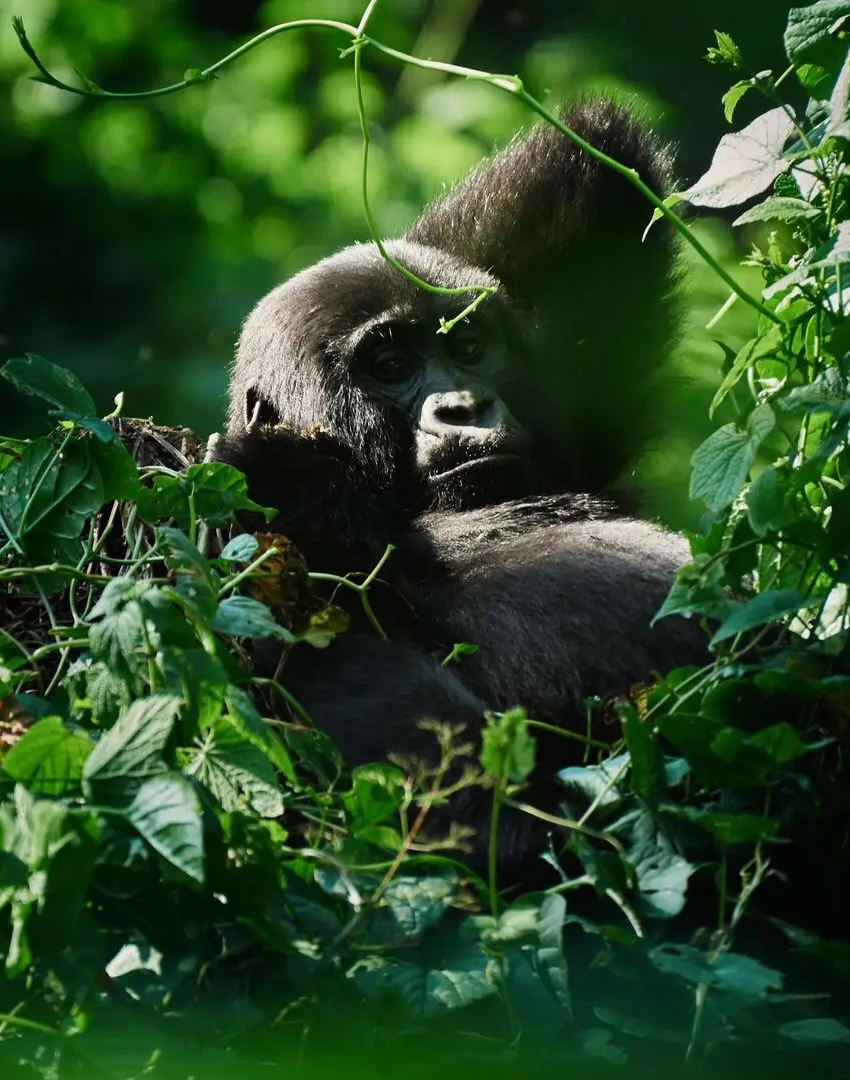
One of Africa's most ancient rainforests and home to roughly half the world's mountain gorillas. An extraordinary wildlife experience.
Explore Bwindi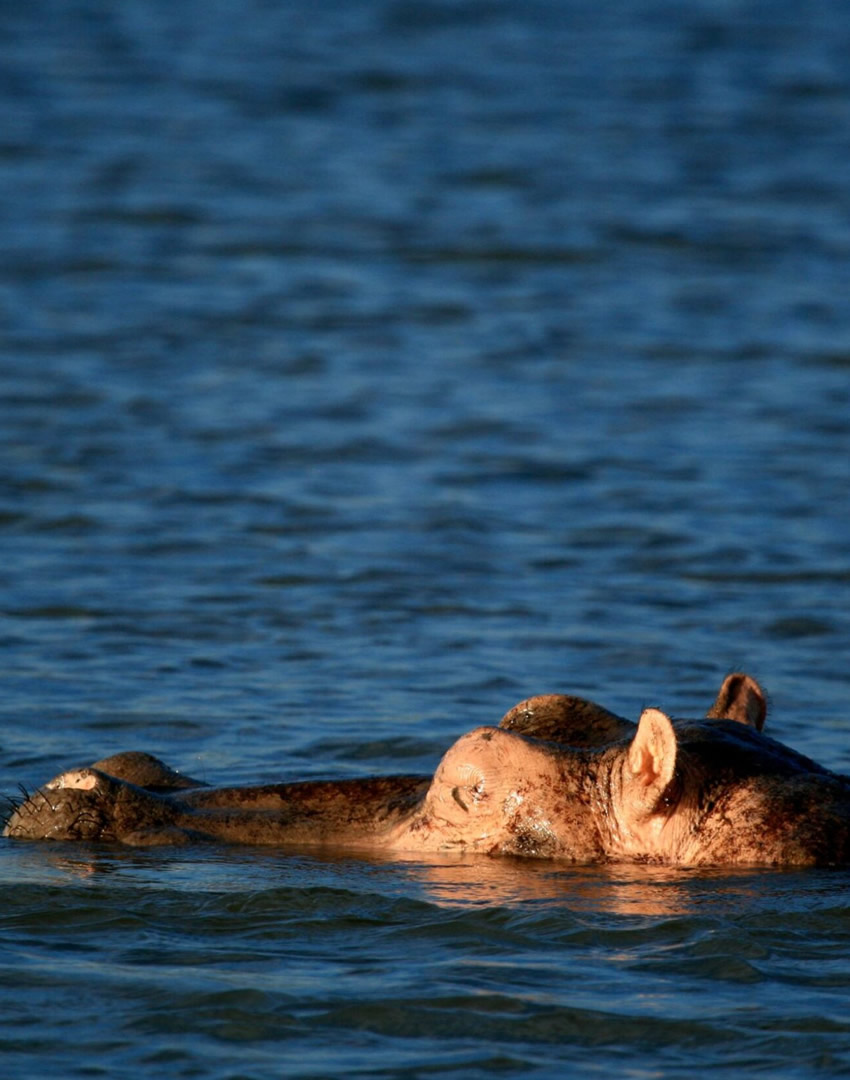
Uganda's largest national park, where the Victoria Nile forces itself through a narrow rock gap and plunges forty-three metres.
Explore Murchison Falls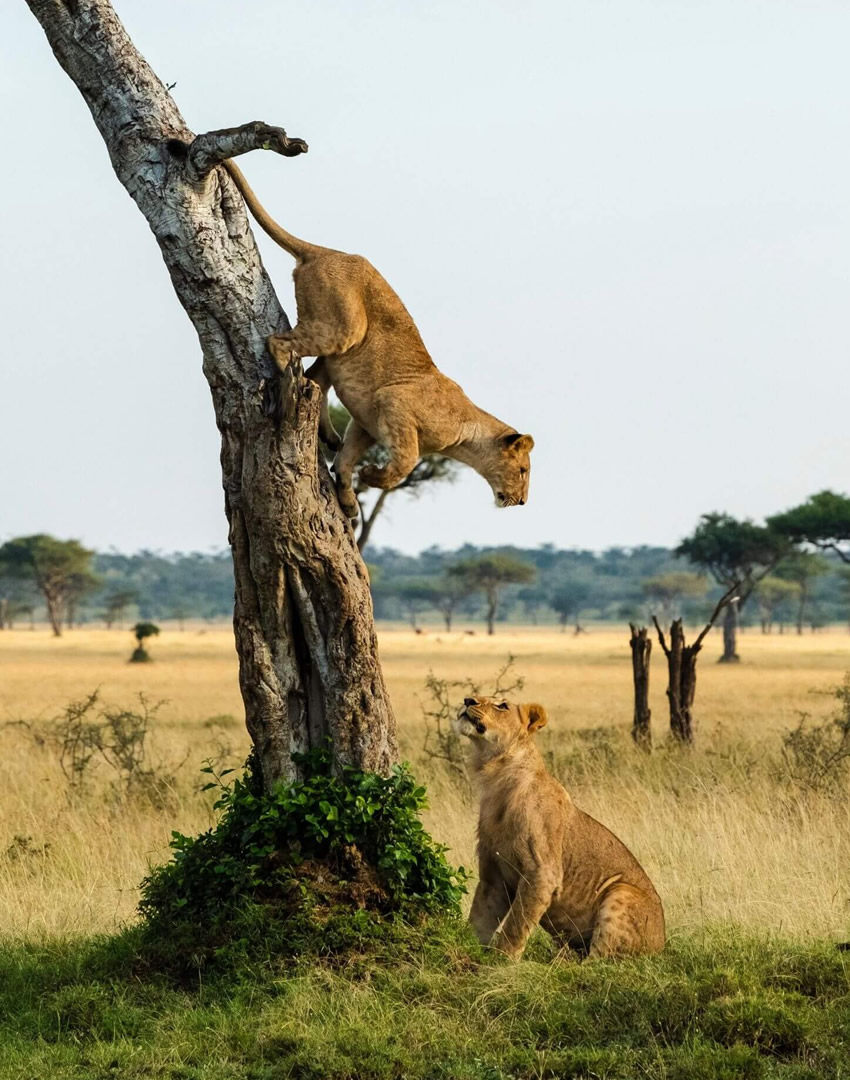
A mosaic of savannah, wetlands, crater lakes and tropical forest. Best known for tree-climbing lions and the Kazinga Channel boat safari.
Explore Queen Elizabeth NP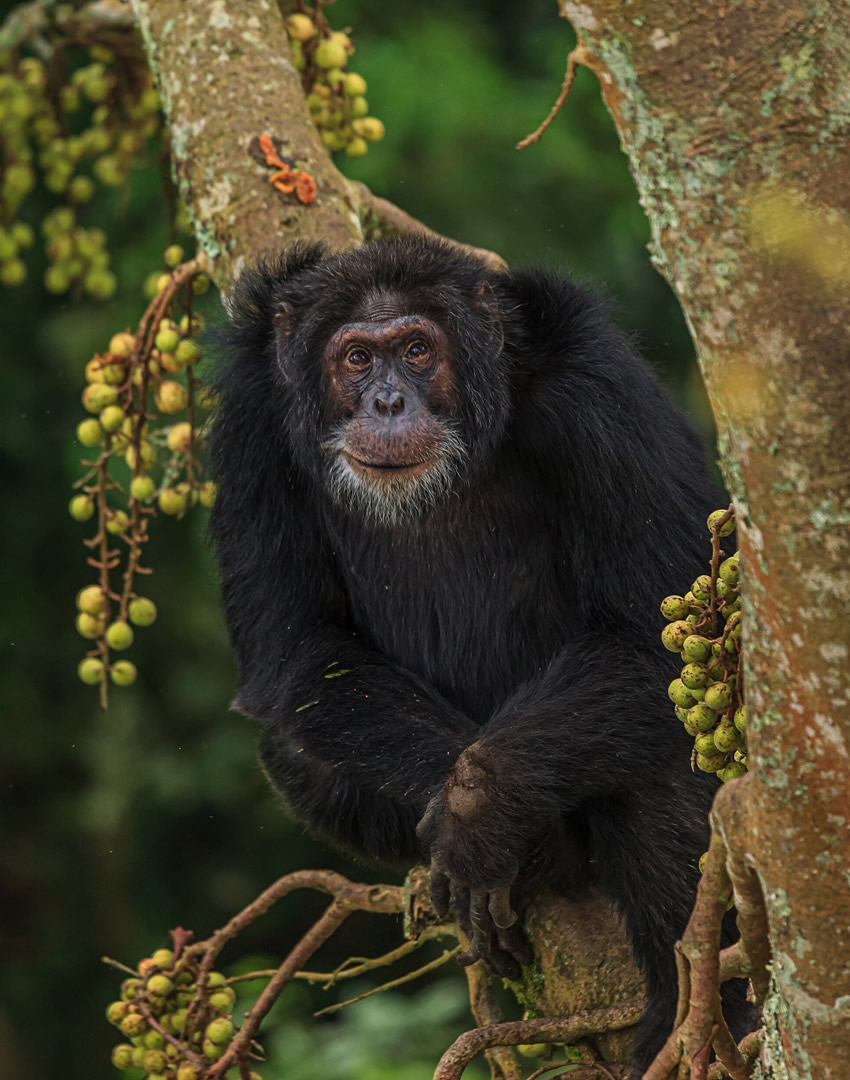
Africa's premier chimpanzee tracking destination, with the highest density and diversity of primates on the continent.
Explore Kibale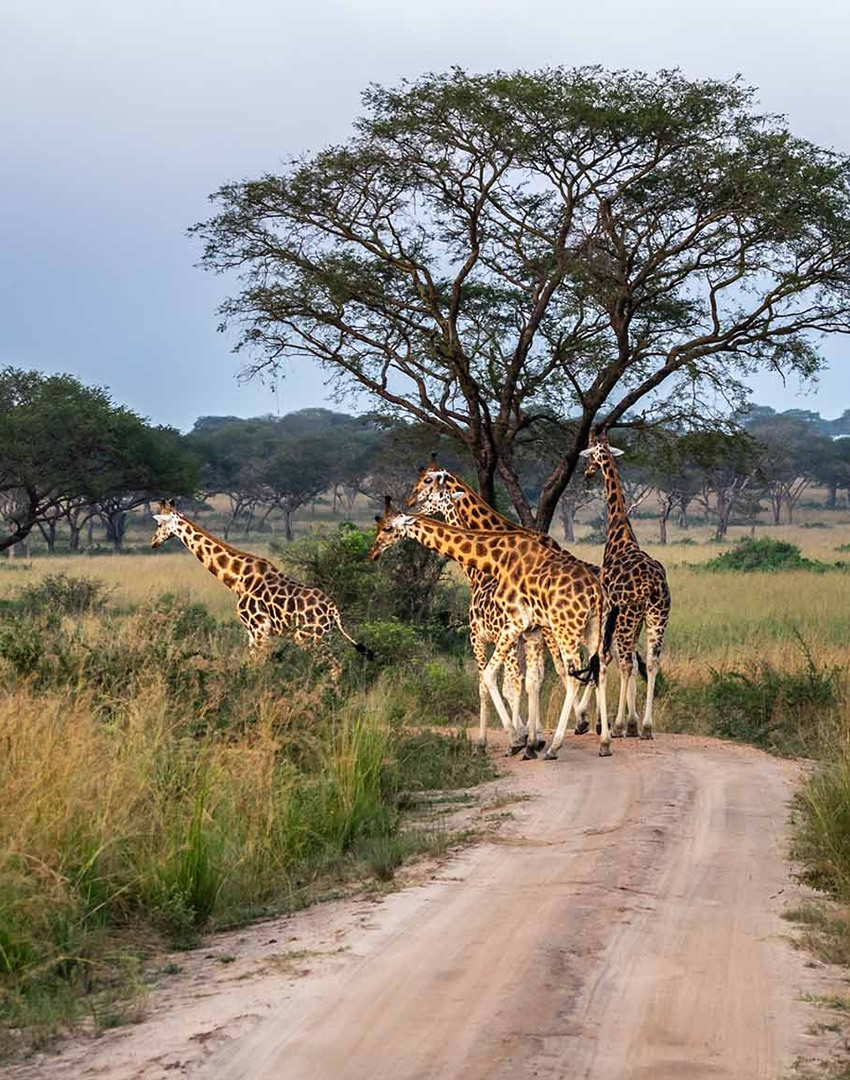
One of Africa's last true wilderness frontiers. Semi-arid savannah and rugged mountain scenery with species found nowhere else in Uganda.
Explore Kidepo ValleyThe smallest and most scenic of Uganda's gorilla parks, set on the slopes of the Virunga volcanoes at the meeting point of three countries.
Explore Mgahinga