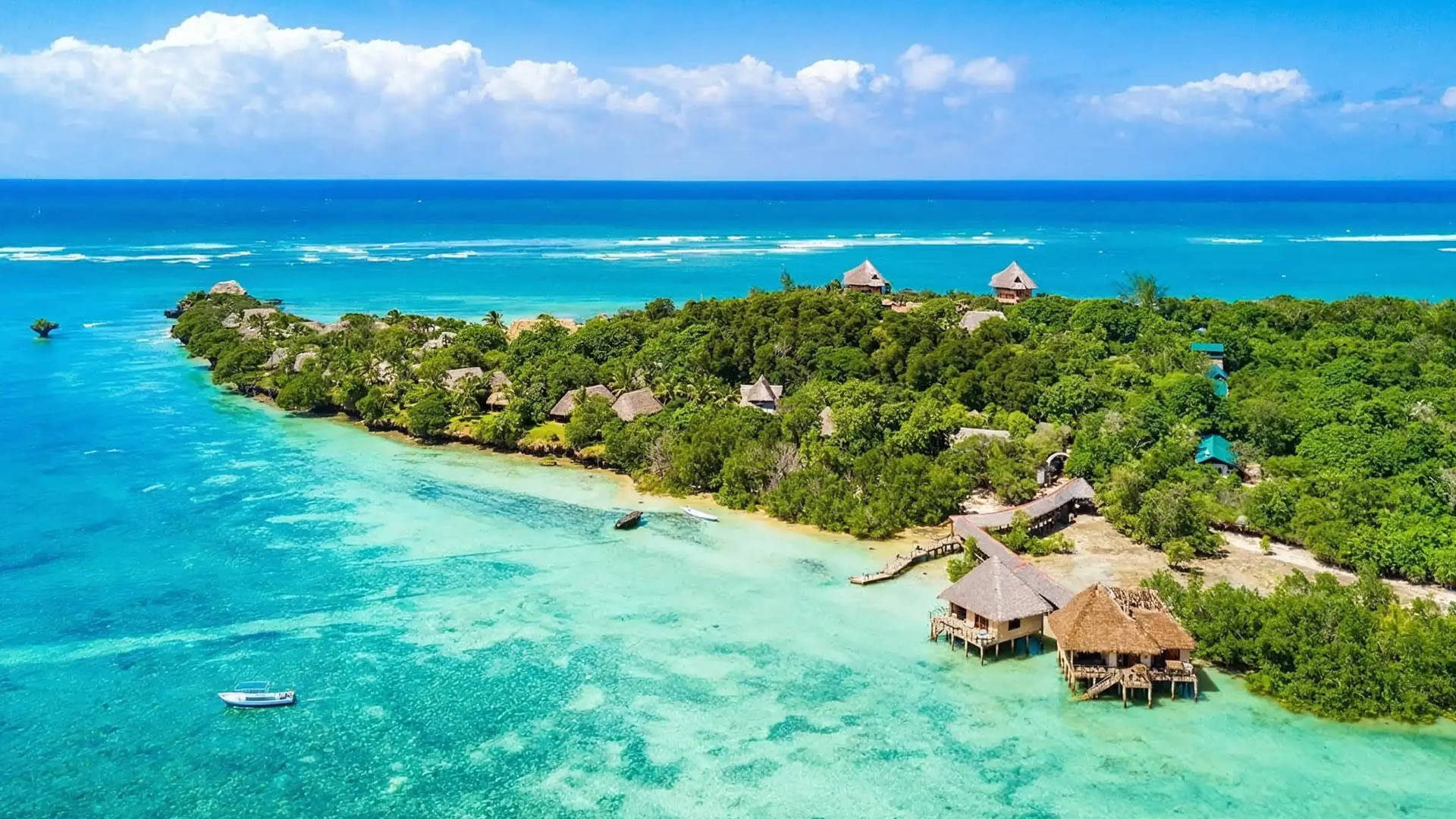
Where the Pemba Channel drops to over a thousand metres and the Indian Ocean's greatest game fish run. This is big-game fishing at its most raw and rewarding.
Kenya's coastline holds numerous All-Africa sport-fishing records, and for good reason. The deep Pemba Channel off Shimoni and Diani drops to over 1,000 metres just a few miles from shore, creating a world-class big-game fishery that draws serious anglers from across the globe.
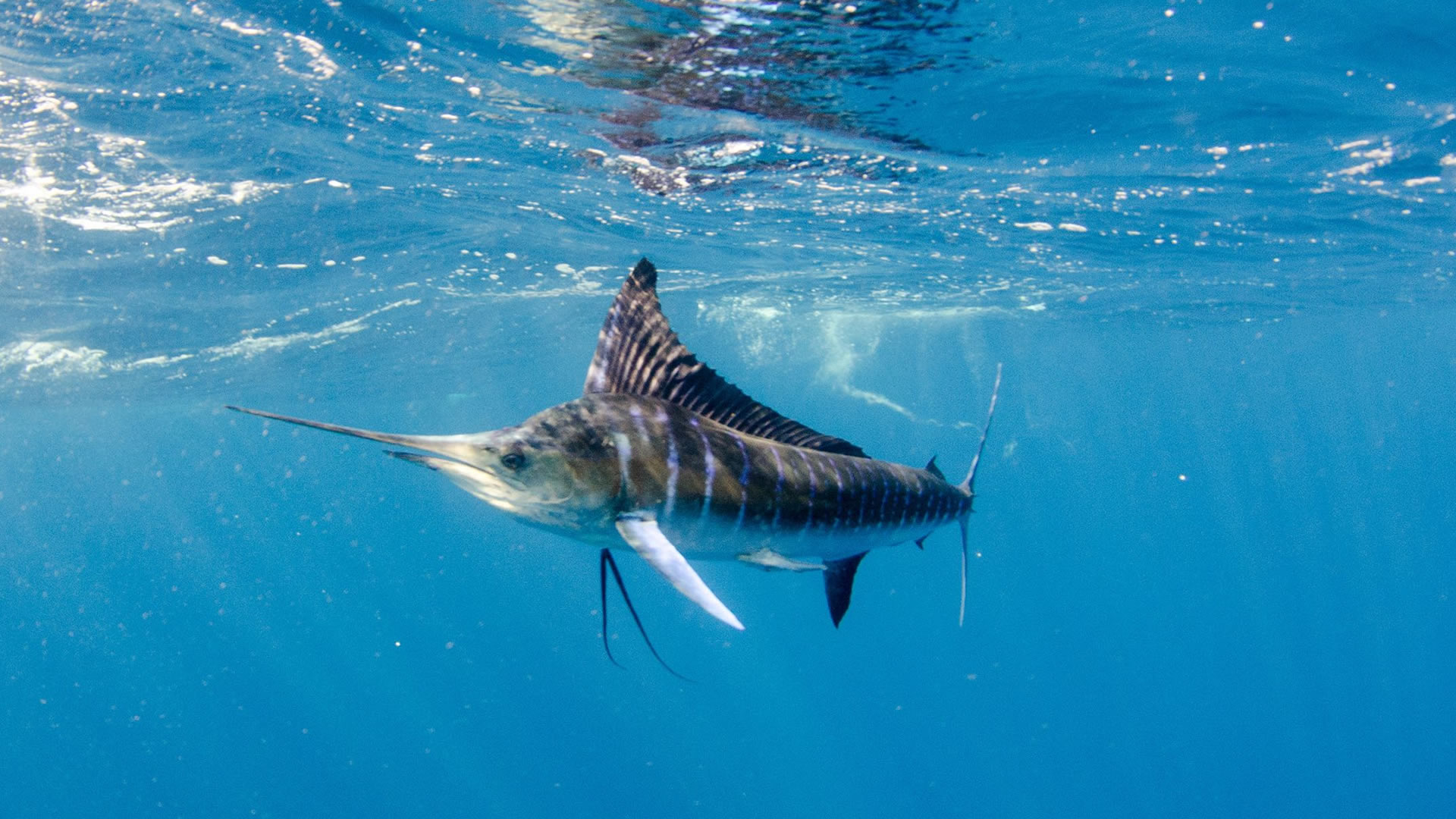
Half-day and full-day charters are available aboard professionally equipped sportfishing boats with experienced skippers who know these waters intimately. The target list reads like a trophy-hunter's wish list: Blue, Black, and Striped Marlin, Sailfish, Yellowfin Tuna, Wahoo, Kingfish, Mahi Mahi, Giant Trevally, and Barracuda — all within reach of the deep channel.
Whether you're a seasoned angler chasing a career-best billfish or a first-timer looking for the thrill of a big tuna fight, the crew will match the experience to your skill level. All billfish are tagged and released in line with IGFA conservation practices, while edible catches — tuna, wahoo, kingfish — can be kept and prepared fresh.
From the Pemba Channel's legendary depths to year-round warm waters — this is big-game fishing at its finest.
One of the world's deepest near-shore channels drops to over 1,000 metres just miles from the coast, drawing blue-water pelagics within easy reach of a day trip.
Blue Marlin, Black Marlin, Striped Marlin, Sailfish, and Broadbill Swordfish — Kenya's waters deliver all five billfish species, with multiple All-Africa records to prove it.
Warm equatorial waters mean there is no off-season. Peak months shift the target species — tuna and wahoo in Sep–Oct, sailfish and marlin in Dec–Mar — but the fishing never stops.
Charter boats are fully equipped sportfishers with outriggers, fighting chairs, professional-grade tackle, VHF radio, and experienced crews who have logged thousands of hours in these waters.
No experience required. The crew handles rigging, baiting, and boat positioning — you handle the rod when the fish hits. Full instruction provided for first-timers.
All billfish are tagged and released following IGFA and KASA guidelines. Edible species — tuna, wahoo, kingfish — can be kept and prepared fresh at your hotel or a local restaurant.
Everything you need to know to prepare for your deep-sea fishing charter.
Reef-safe sunscreen, polarised sunglasses, hat, light long-sleeved shirt for sun protection, camera, and motion-sickness medication if you're prone to seasickness. Wear comfortable, non-slip footwear.
Suitable for beginners with crew instruction. Some stamina helpful for big-game fights which can last 30–60 minutes. Guests with severe back problems should consult beforehand. Not physically strenuous otherwise.
No strict minimum age, but children under 10 should be accompanied and may find long trips tiring. Most operators recommend age 8+. Shorter half-day trips are ideal for families with younger children.
All boats carry life jackets, VHF radio, flares, and first-aid kits. Operators are members of the Kenya Association of Sea Anglers (KASA) and the International Game Fish Association (IGFA). Confirm operator credentials before booking.
Fishing is weather and sea-condition dependent. Operators offer reschedule or full refund for weather cancellations. Client cancellation typically requires 24–48 hours notice for a refund. Rougher seas possible during Apr–May long rains.
Book at least 48 hours in advance to secure your preferred vessel and date. During peak season (Sep–Mar), booking 1–2 weeks ahead is strongly recommended as the best boats fill quickly.
Different seasons bring different target species — the fishing is year-round, but peak months shift.
The Kaskazi (northeast monsoon) season brings calm seas, warm water, and the best conditions for billfish. Sailfish, Blue Marlin, and Striped Marlin are the primary targets. December through March is the season that draws international anglers to Kenya's coast.
As the Kusi (southeast monsoon) winds ease, large schools of Yellowfin Tuna and Wahoo move through the channel. September and October offer exceptional action for speed and volume — a great season for anglers who want constant rod-bending action.
All billfish — Marlin, Sailfish, and Swordfish — are tagged and released on every Kuldip's Touring Company charter, in line with the International Game Fish Association (IGFA) and Kenya Association of Sea Anglers (KASA) conservation guidelines. Edible species such as tuna, wahoo, and kingfish may be kept for personal consumption. We partner only with operators who practise responsible fishing and contribute to the long-term sustainability of Kenya's marine fisheries.
Tell us your dates, group size, and target species — we'll match you with the right boat and skipper.
Enquire NowNot at all. The skipper and crew handle all the technical work — rigging, baiting, trolling, and boat positioning. When a fish strikes, they'll put the rod in your hands and coach you through the fight. Beginners regularly land impressive catches on their first trip.
The target species depend on the season and how far offshore you go. Common catches include Yellowfin Tuna, Wahoo, Kingfish, Mahi Mahi (Dorado), Giant Trevally, and Barracuda. During the billfish season (Dec–Mar), Sailfish and Marlin are the prized targets. The deeper you go, the bigger the potential — but even half-day trips close to shore produce exciting action.
All billfish (Marlin, Sailfish, Swordfish) are tagged and released — this is a conservation requirement. Edible species such as tuna, wahoo, kingfish, and mahi mahi can be kept. Many crews will fillet your catch on the boat, and your hotel kitchen or a local restaurant can prepare it for dinner — there's nothing fresher.
Yes, with caveats. Children aged 8 and above generally enjoy shorter half-day trips. Very young children (under 8) may find the long hours, sun exposure, and boat motion challenging. Life jackets for all sizes are provided. A half-day bottom-fishing trip closer to shore is a great alternative for families with younger kids — it's more active with frequent bites.
Take motion-sickness medication (such as Dramamine or Stugeron) at least 30 minutes before departure — your pharmacist can advise. Sea conditions off Diani and Shimoni are generally calm, especially during the Dec–Mar Kaskazi season. If you're prone to seasickness, a half-day trip is advisable for your first experience. The crew are experienced with this and will help you stay comfortable.
Safety is non-negotiable. If sea conditions are unsuitable, the operator will contact you to reschedule or offer a full refund. During the long rains (April–May), trips may be limited. The skipper makes the final call on departure — experienced skippers will not risk passenger safety or comfort for the sake of a trip.