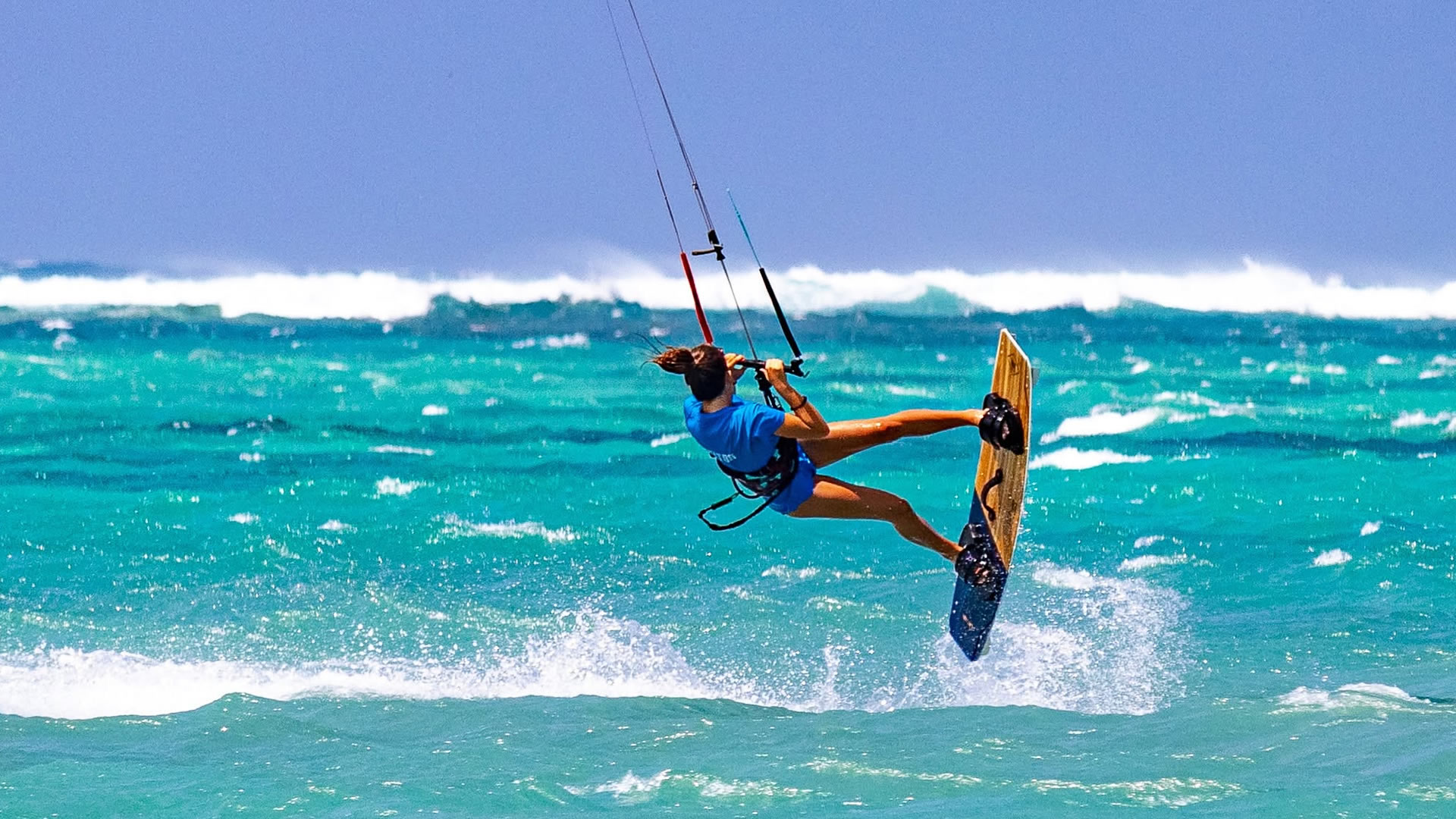
Two reliable trade-wind seasons, 14 kilometres of white sand, and a secret flatwater island — this is East Africa's premier kite destination, and the wind is calling.
Diani is one of those rare places where the kiting is as good as the setting. Two distinct trade-wind seasons — the lighter, warmer Kaskazi from the northeast (December to March) and the stronger, cooler Kusi from the southeast (June to October) — deliver reliable, rideable wind for the better part of the year. Between seasons there are transitional weeks where the wind is fickle, but for six to eight months the conditions are genuinely world-class.
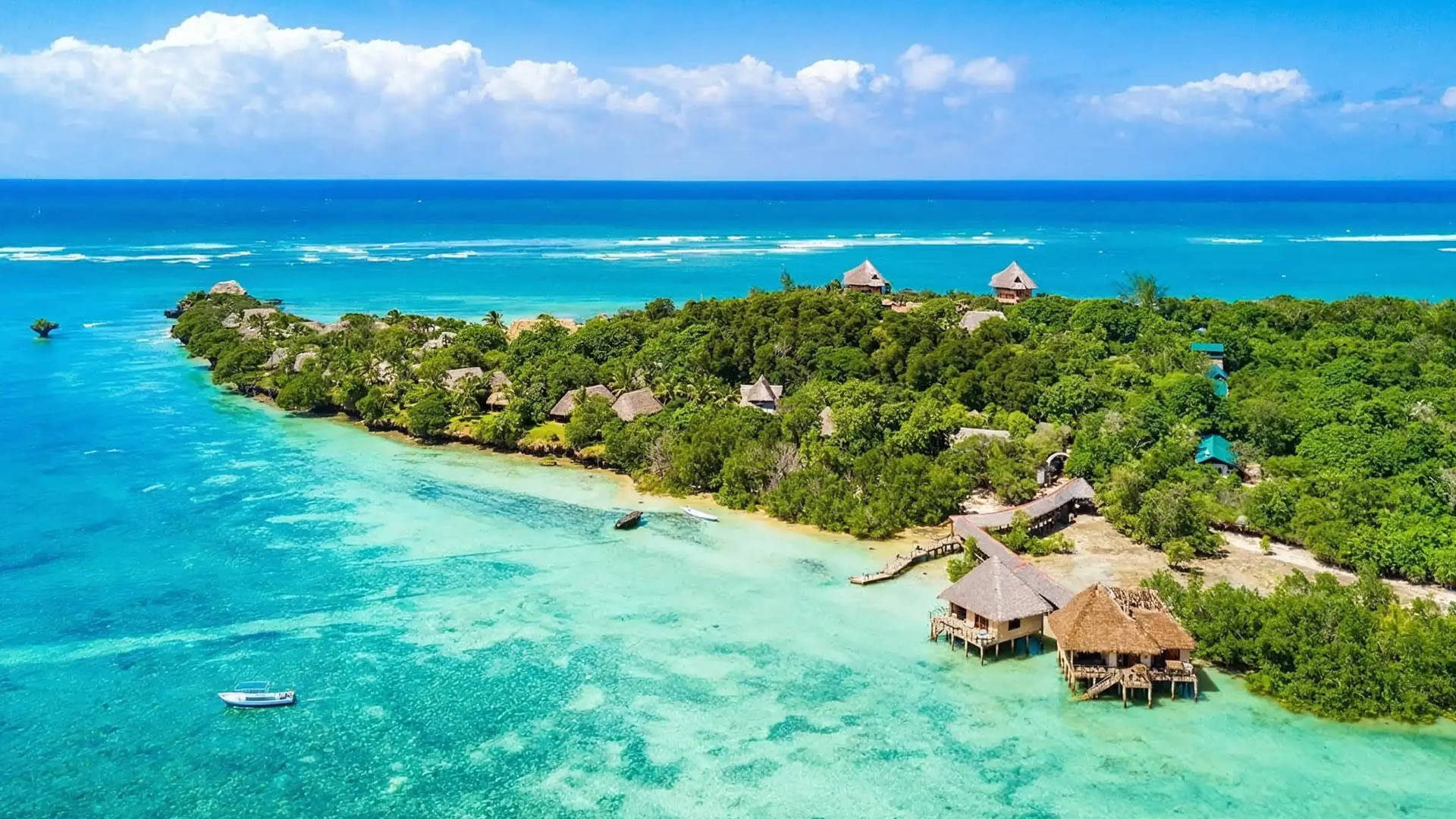
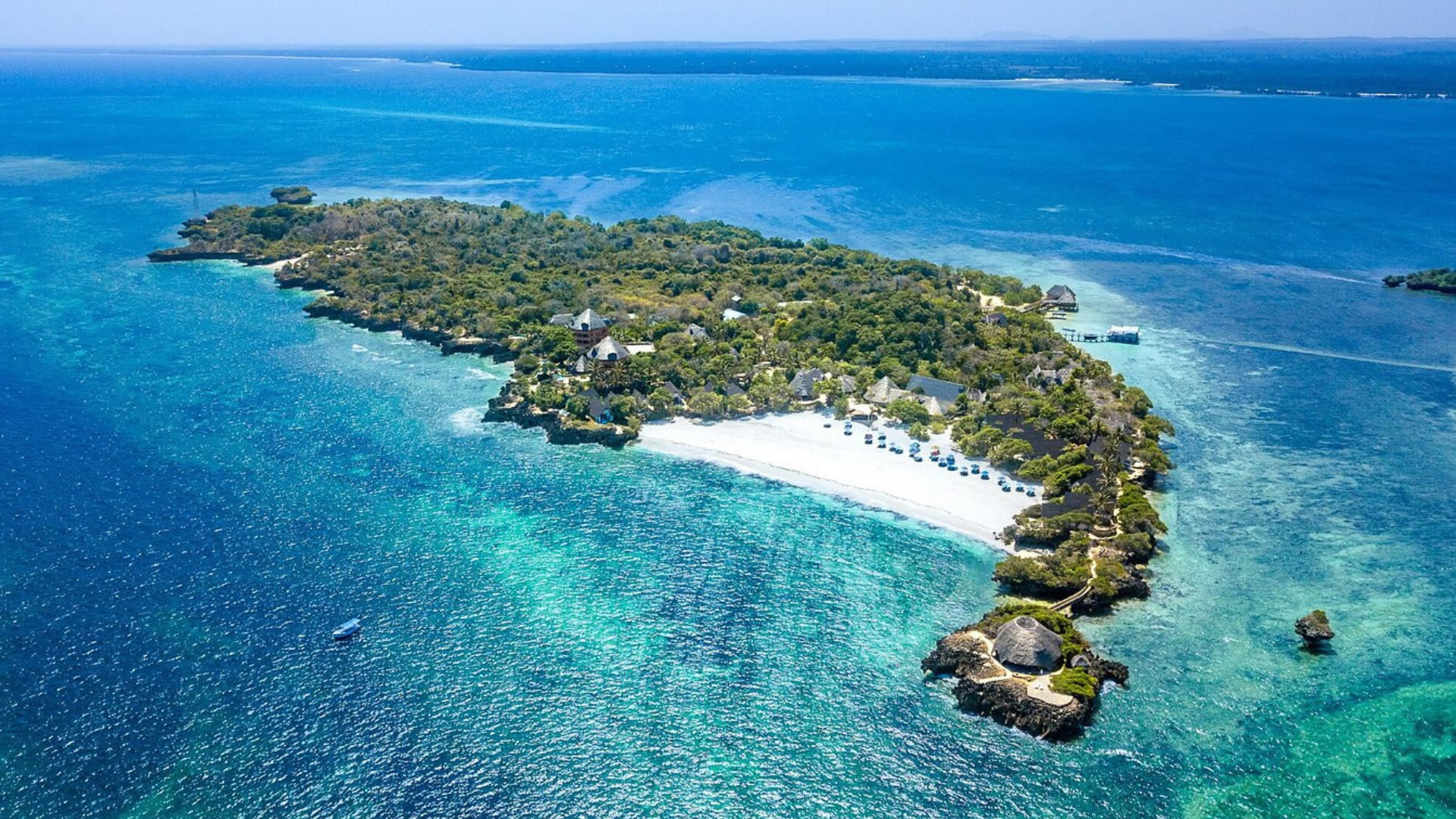
The main beach at Diani stretches 14 kilometres — a vast expanse of white sand and turquoise shallows that offers plenty of space for launching, riding, and landing. Galu Beach, at the southern end, picks up the most consistent wind and is home to several IKO-certified kite schools. For experienced riders, the real prize is Funzi Island: a tide-dependent flatwater sandbank 40 minutes south by road and 15 minutes by boat through the mangroves. The wind blows offshore here, creating butter-flat conditions on sandy shallows with no hazards — a kiter's paradise that barely appears on the map.
Beginners start on the beach with a trainer kite, progress to body-dragging in the shallows, and are typically riding independently within a multi-day course of 9–12 hours. The schools are professional, the instructors patient, and the warm, waist-deep water makes Diani one of the friendliest places on the planet to learn. For experienced riders, the 14-kilometre Diani-to-Galu downwinder along the pristine coastline is a bucket-list run.
Trade winds, warm water, white sand, and a kite community that makes you feel at home from day one.
The Kaskazi (Dec–Mar) and Kusi (Jun–Oct) trade winds deliver six to eight months of consistent, rideable conditions. The Kaskazi is lighter and warmer — ideal for learners. The Kusi is stronger and steadier — perfect for experienced riders chasing big air.
A tide-dependent sandbank 40 minutes from Diani with offshore wind and butter-flat, sandy shallows — no rocks, no reef, no hazards. Accessible only by boat through the mangroves, it barely appears on the map and feels like your own private kite spot.
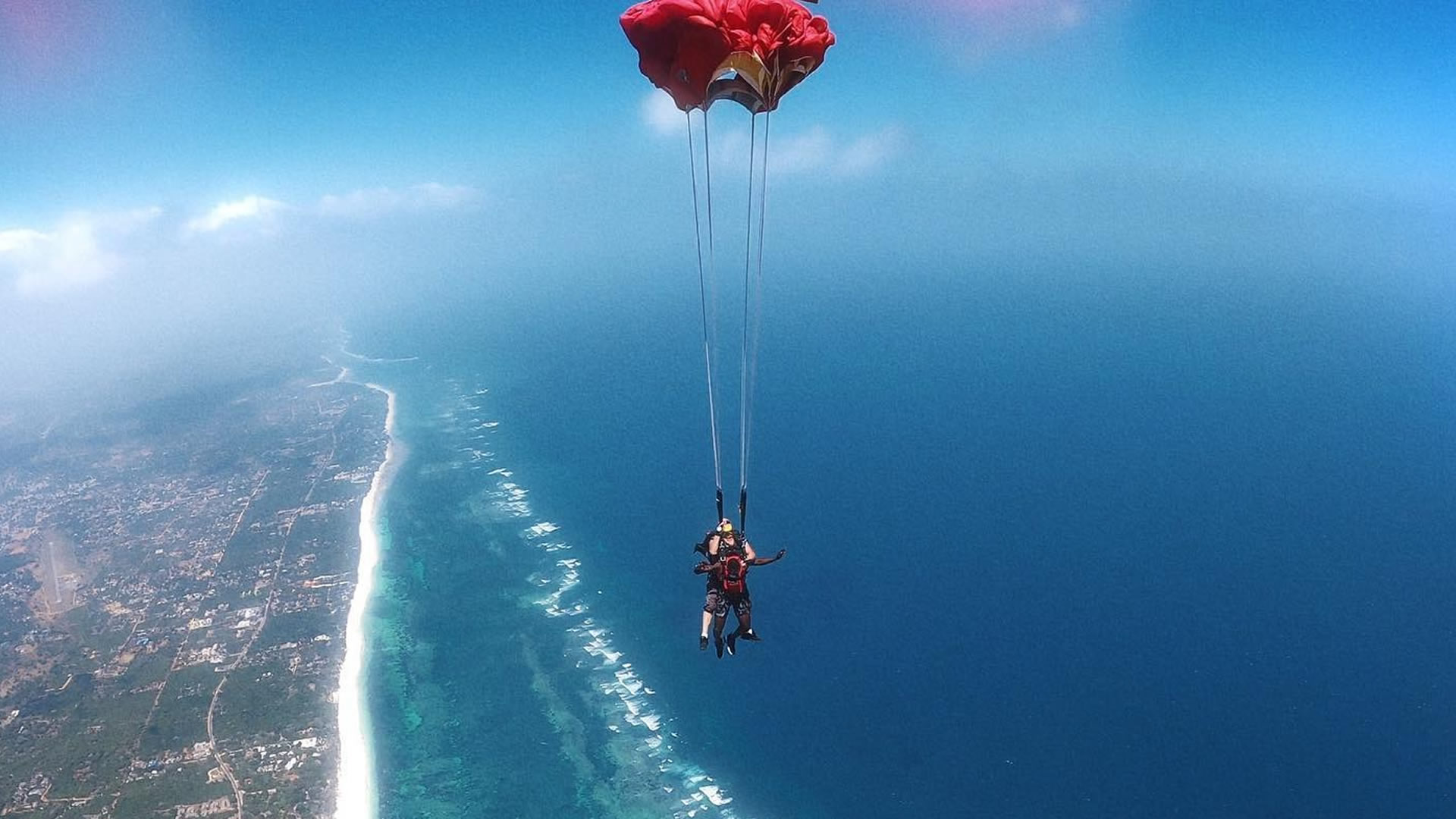
The Diani-to-Galu coastline is one continuous stretch of white sand and turquoise shallows. The legendary 14-kilometre downwinder along this coast — palm trees, reef, open ocean — is a bucket-list run for any kiter.
Warm, waist-deep water. Sandy bottom. Consistent wind. Patient, IKO-certified instructors. Diani's combination of ideal learning conditions and professional teaching makes it one of the friendliest places on the planet to pick up the sport.
Water temperatures between 25°C and 29°C year-round mean you ride in boardshorts or a rash guard. No wetsuits, no boots, no hoods. Just warm tropical ocean and the feel of the board on your bare feet.
Diani has a tight, welcoming kite community centred around the beach schools and cafés at Galu. Riders from across Europe, South Africa, and East Africa converge here during the seasons. The vibe is inclusive, social, and genuinely fun — whether you are a first-timer or a freestyle veteran.
What to know about wind, fitness, and getting on the water.
Swimwear, rash guard (long-sleeve recommended to prevent harness rash), sunscreen with high SPF, sunglasses with a strap, and water shoes if you prefer. The school provides all kite equipment. Bring a waterproof phone pouch if you want beach-side photos.
Moderate to advanced. Reasonable upper-body strength is needed to control the kite, and you must be a confident swimmer comfortable in waist-to-chest-deep water. Beginners do not need to be athletes — the instructor does the heavy lifting in early sessions — but fitness helps you progress faster.
Most schools accept ages 10 and above, though weight is the real determinant — lighter children may start on smaller trainer kites in lighter wind. Adult supervision required for under-16s. Kite surfing is not suitable for very young children.
Entirely wind-dependent. Sessions are scheduled based on daily forecasts and real-time conditions. If wind is insufficient or too strong, the school reschedules or offers credit — you are never charged for a session that cannot run. Transitional months (Apr–May, Nov) have less reliable wind.
Helmet and impact vest provided and mandatory during lessons. A safety boat accompanies Funzi Island excursions for offshore rescue if needed. Independent-level riders only for Funzi (offshore wind — must stay upwind). All IKO schools carry third-party liability insurance.
The 14-km Diani-to-Galu downwinder is available for intermediate and advanced riders. You ride the length of the coast with the wind, arriving at the school's base. A vehicle collects you (or your gear) from the other end. Check with the school for scheduling — it depends on wind direction and tide.
Two trade-wind seasons define the kite calendar — each with a different character.
Lighter, warmer wind from the northeast. Ideal for beginners and intermediate riders — the wind is consistent without being overpowering. Warm water, sunshine, and the peak tourist season on the coast. This is when most kite schools run their multi-day beginner courses.
Stronger, steadier wind from the southeast. The season that draws experienced riders chasing bigger air, longer sessions, and the Funzi Island flatwater excursions. Slightly cooler temperatures and drier skies. July through September are the strongest months — bring your smaller kite.
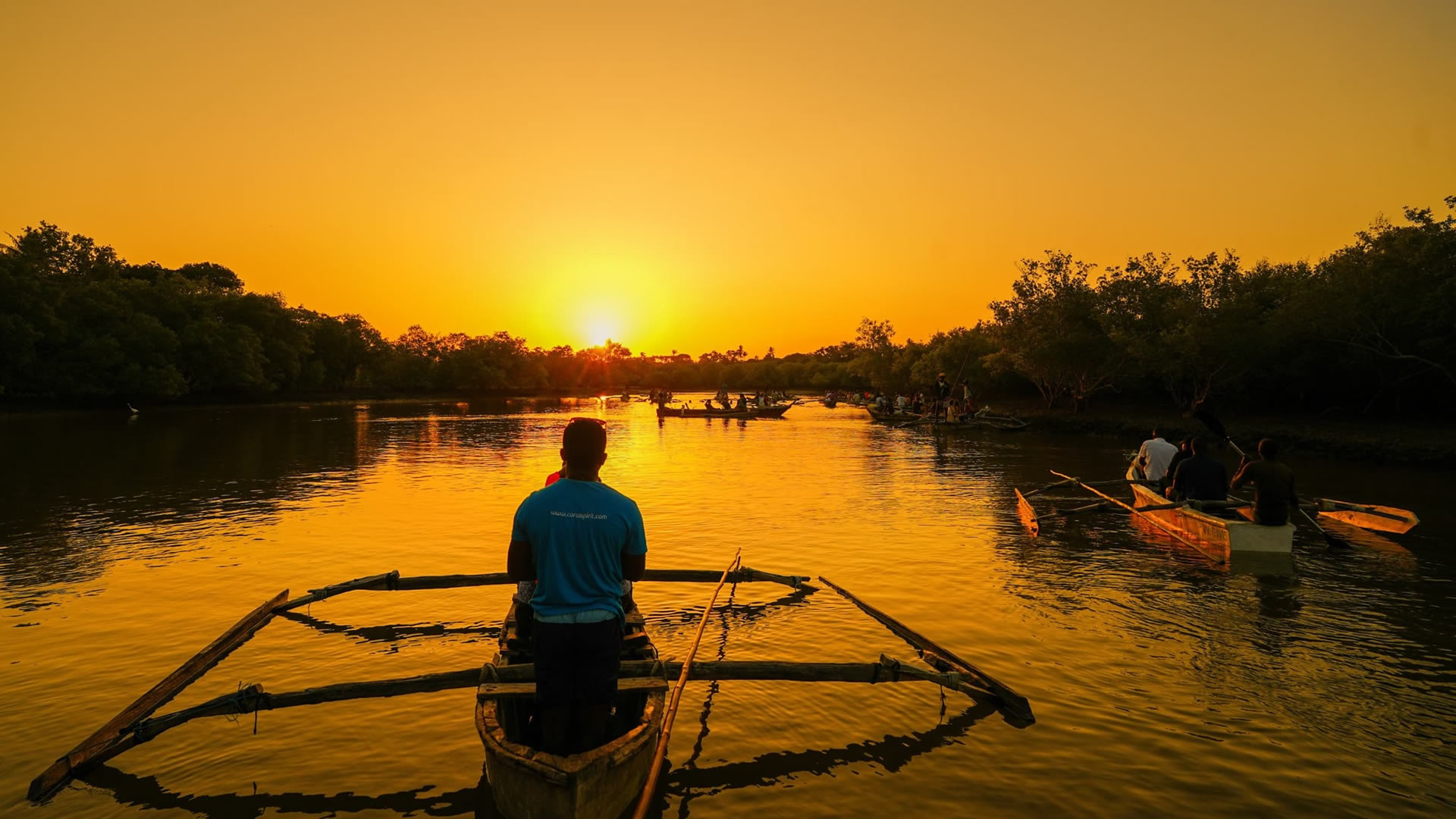
The Gazi Bay mangrove creek — part of the legendary Diani-to-Galu downwinder route — is home to the Mikoko Pamoja blue-carbon project, one of the world's first community-led mangrove carbon-credit programmes. The Funzi Island kite excursion passes through the Ramisi River mangrove ecosystem, a vital nursery for marine life and a natural coastal buffer. Some kite schools actively support local conservation initiatives. By riding here, you are part of a community that values the environment that makes the sport possible.
Tell us your dates, experience level, and whether you want lessons, rental, or the Funzi Island trip — we'll connect you with the right school.
Book My SessionMost beginners can fly the kite confidently, body-drag through the water, and attempt their first board starts within 6–9 hours of instruction, spread over 2–3 days. Riding independently (staying upwind and making turns) typically takes 9–12 hours total. Some people progress faster, some slower — it depends on your coordination, fitness, and the wind conditions during your lessons. The key is patience: kite surfing has a steep initial learning curve, but once it clicks, the progression is rapid and addictive.
You need reasonable fitness and confident swimming, but you do not need to be an athlete. The harness takes most of the kite's pull through your hips and core, not your arms. Upper-body strength helps with board handling and kite control, but technique matters far more than muscle. Many riders are surprised at how accessible the sport is once the equipment is on. That said, sessions are physically tiring — especially the first few — so come rested and hydrated.
An all-day excursion for independent-level riders. You drive 40 minutes south to Bodo Village, transfer by boat through the Ramisi River mangroves (15 minutes), and arrive at a tide-dependent flatwater sandbank that appears at low tide. The wind blows offshore, creating perfect butter-flat conditions on sandy shallows with no hazards. Shelters are set up on the sandbank, cold drinks provided, and lunch is served on a nearby island afterwards. It costs approximately USD 50 per person including transfers, boat, and lunch. Tide scheduling is critical — the school coordinates timing.
During the main wind seasons (Dec–Mar and Jun–Oct), windless days are uncommon — most days deliver rideable conditions for at least part of the day. During the transitional months (April, May, November), wind is less reliable and you may encounter days without enough wind to kite. Schools never charge for sessions that cannot run due to insufficient wind — you will be rescheduled or credited. If kiting is a primary goal of your trip, book during a confirmed wind season.
The main kite areas at Diani and Galu Beach are sandy shallows inside the reef — the reef is far enough offshore that it is not a hazard for riders in the designated zones. Helmets and impact vests are mandatory during lessons. At Funzi Island the bottom is entirely sand with no reef, rocks, or sharp objects. The biggest safety factor is wind: IKO schools will not let beginners ride in conditions beyond their ability, and safety boats accompany offshore excursions.
Yes. Experienced riders with their own gear are welcome to ride independently from the beach — no school affiliation required. If you want to join the Funzi Island excursion or the downwinder, you can bring your own kite and board and pay only for the logistics (transport, boat, lunch). Storage for gear is available at most kite schools for a small fee. Check with your airline for kite-bag dimensions and excess baggage policies before you fly.