A thousand years of Swahili, Arab, Portuguese, and British history compressed into one extraordinary island city. Walk its alleys, touch its walls, taste its spices — Mombasa is Kenya's living chronicle.
Mombasa is not a city that reveals itself from a car window. To understand it, you must walk its narrow alleys, duck beneath its carved lintels, stand on the ramparts of its fortress, and breathe in the scent of cloves and cardamom drifting from its oldest market. This is a city that has been fought over, traded through, and reinvented by every civilisation that touched East Africa — and the evidence is everywhere, written in coral stone, iron balconies, and the faces of its people.
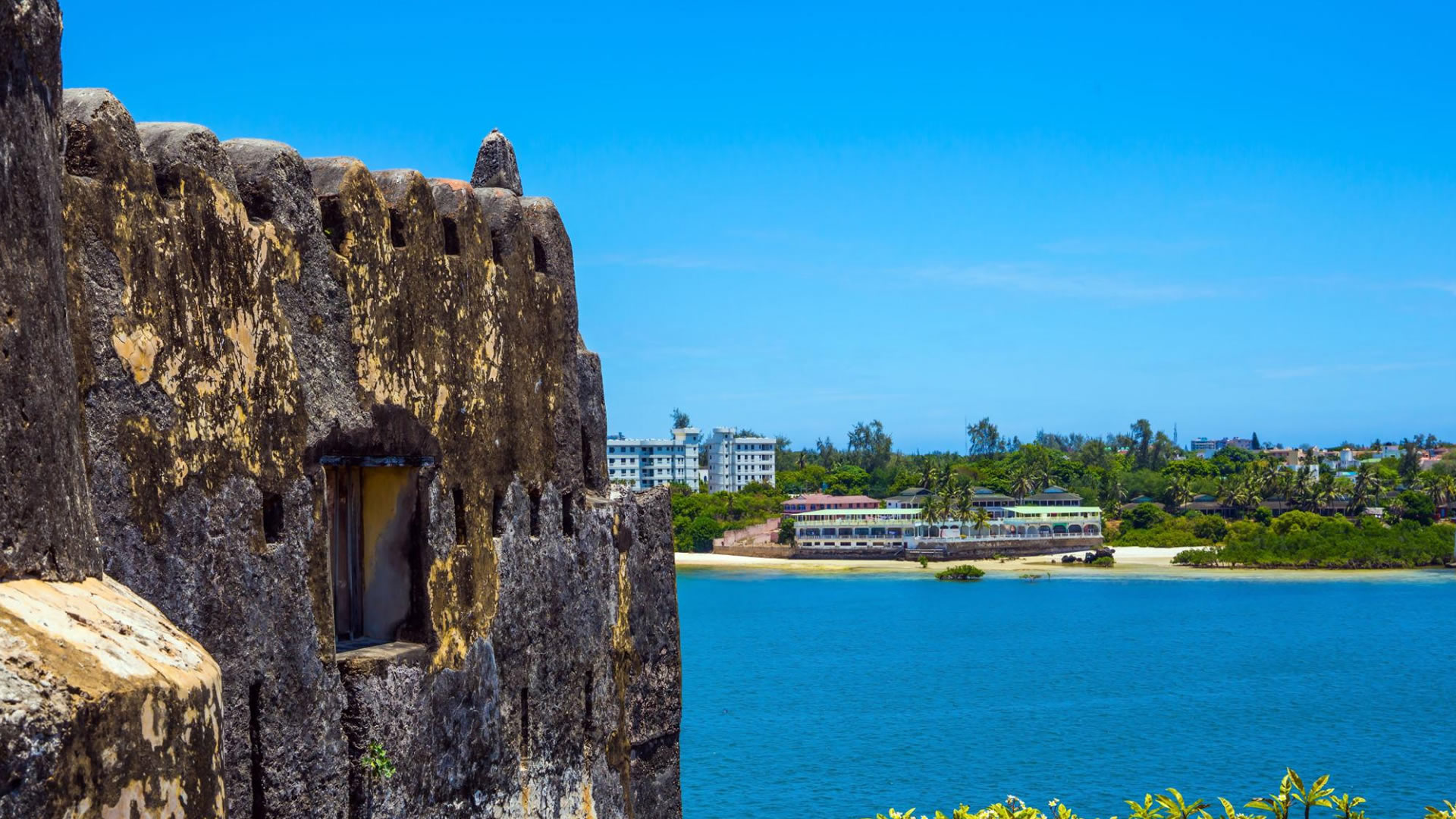
The tour begins at Fort Jesus, the imposing 16th-century Portuguese fortress that dominates Mombasa's Old Harbour. Built in 1593 to secure Portugal's grip on the Indian Ocean trade routes, the fort changed hands nine times between the Portuguese and Omani Arabs before becoming a British prison and, finally, a UNESCO World Heritage museum. Its coral-block walls, underground passages, and rooftop views over the harbour are extraordinary.
From the fort, your guide leads you into Old Town — a labyrinth of narrow lanes, carved Swahili doors, overhanging balconies, mosques, and Hindu temples that reflects every culture that has shaped this port city. Stops include the iconic Mombasa Tusks on Moi Avenue, the century-old MacKinnon (Marikiti) Market, and the Akamba Wood Carving cooperative where artisans work in the open air. Full-day versions add Haller Park wildlife sanctuary for an entirely different dimension — giraffes, giant tortoises, and one of Africa's great ecological restoration stories.
History you can touch, architecture you can walk through, and a cultural depth that no beach resort can match.
A 16th-century Portuguese fortress that changed hands nine times, survived sieges lasting years, and now houses one of East Africa's finest museums. Its coral-block walls and rooftop harbour views are unforgettable.
Mombasa's Old Town is a living museum of Swahili architecture — narrow alleys, intricately carved wooden doors, overhanging balconies, mosques, and Hindu temples layered over centuries of Arab, Indian, and African influence.
The giant aluminium elephant tusks arching over Moi Avenue were erected in 1952 to commemorate a royal visit and have become the city's most photographed landmark — a quintessential Mombasa moment.
The MacKinnon Market, established in 1914, is Mombasa's oldest and most vibrant marketplace — an explosion of tropical fruit, spices, fabrics, and everyday commerce that captures the city's energy at its rawest.
Hindu temples stand beside Swahili mosques. Omani balconies shadow Portuguese archways. Sikh gurdwaras neighbour colonial-era churches. Mombasa's layered identity is visible on every street — a millennium of coexistence.
Visit the Akamba Handicraft Cooperative where skilled artisans carve animals, masks, and figures from local hardwoods in the open air. Watch them work, learn the techniques, and take home a hand-carved souvenir.
What to wear, what to expect, and how to get the most from your Mombasa day.
Comfortable walking shoes for cobblestone streets and uneven fort stairs. Hat, sunscreen, sunglasses, and a camera. Modest clothing for mosque and temple areas — shoulders and knees covered. Small cash for souvenirs and market purchases.
Easy and family-friendly overall. Fort Jesus involves uneven stone stairs and walkways — manageable for most but may be challenging for guests with significant mobility limitations. Old Town walking is on flat but narrow cobblestone lanes. The market is bustling but navigable.
All ages welcome. Children enjoy the fort's ramparts and cannons, the market's colours and energy, and the Haller Park extension with giraffe feeding and giant Aldabra tortoises — the full-day version is particularly popular with families.
Mombasa's Old Town is a living community with active mosques and temples. Your guide will advise on appropriate behaviour and photography etiquette in religious and heritage zones. Dress modestly and ask before photographing people.
Mombasa is generally safe for tourists, particularly with a guide. Keep valuables secure and out of sight in busy market areas. Your guide knows the city intimately and will keep you on comfortable, well-trafficked routes throughout the tour.
Morning start recommended (08:00–09:00) to avoid the midday heat — Mombasa is hot and humid year-round. The Marikiti Market is at its liveliest in the morning. Fort Jesus and Old Town have some shaded areas but the fort ramparts are fully exposed.
Fort Jesus entry fees contribute directly to the Kenya Wildlife Service and National Museums of Kenya heritage conservation programmes. The Akamba Handicraft Cooperative supports the livelihoods of over 3,000 local artisan families. By choosing a guided tour with a licensed local guide, you support Mombasa's cultural economy and help sustain the knowledge and storytelling traditions that bring this city's extraordinary history to life.
Tell us your dates and hotel — we'll arrange a private guide, transport, and the complete Mombasa experience.
Book This TourThe half-day tour (3–4 hours) covers Fort Jesus, Old Town, the Mombasa Tusks, and the Marikiti Market. The full-day tour (6–8 hours) includes everything in the half-day plus a visit to Haller Park — Mombasa's wildlife sanctuary where you can feed giraffes, meet giant Aldabra tortoises, and see hippos, crocodiles, and birdlife in a remarkable ecological rehabilitation site. The full-day tour includes lunch.
Without question. Fort Jesus is a UNESCO World Heritage Site and one of the most significant historical monuments on the East African coast. The museum inside houses artefacts spanning five centuries — Portuguese cannons, Omani ceramics, Chinese porcelain from the trade routes, and ship timbers recovered from the harbour. The rooftop offers commanding views of the Old Harbour and the Indian Ocean. Even if you are not a history enthusiast, the scale and atmosphere of the fort are genuinely impressive.
Yes, but add approximately 1–1.5 hours each way for the drive via the Likoni Ferry. This makes the half-day version a tighter schedule — the full-day option is more comfortable from Diani as it allows proper time at each stop without feeling rushed. Your driver will handle the ferry crossing and all logistics. Pick-up from Diani is typically around 07:00.
Yes, particularly with a guide. The Marikiti Market is a working local market, not a tourist attraction — it is busy, noisy, and full of life, which is precisely the point. Your guide will navigate the stalls, explain the produce and spices, and ensure you are comfortable throughout. Keep valuables in a front pocket or close bag, as you would in any bustling market anywhere in the world.
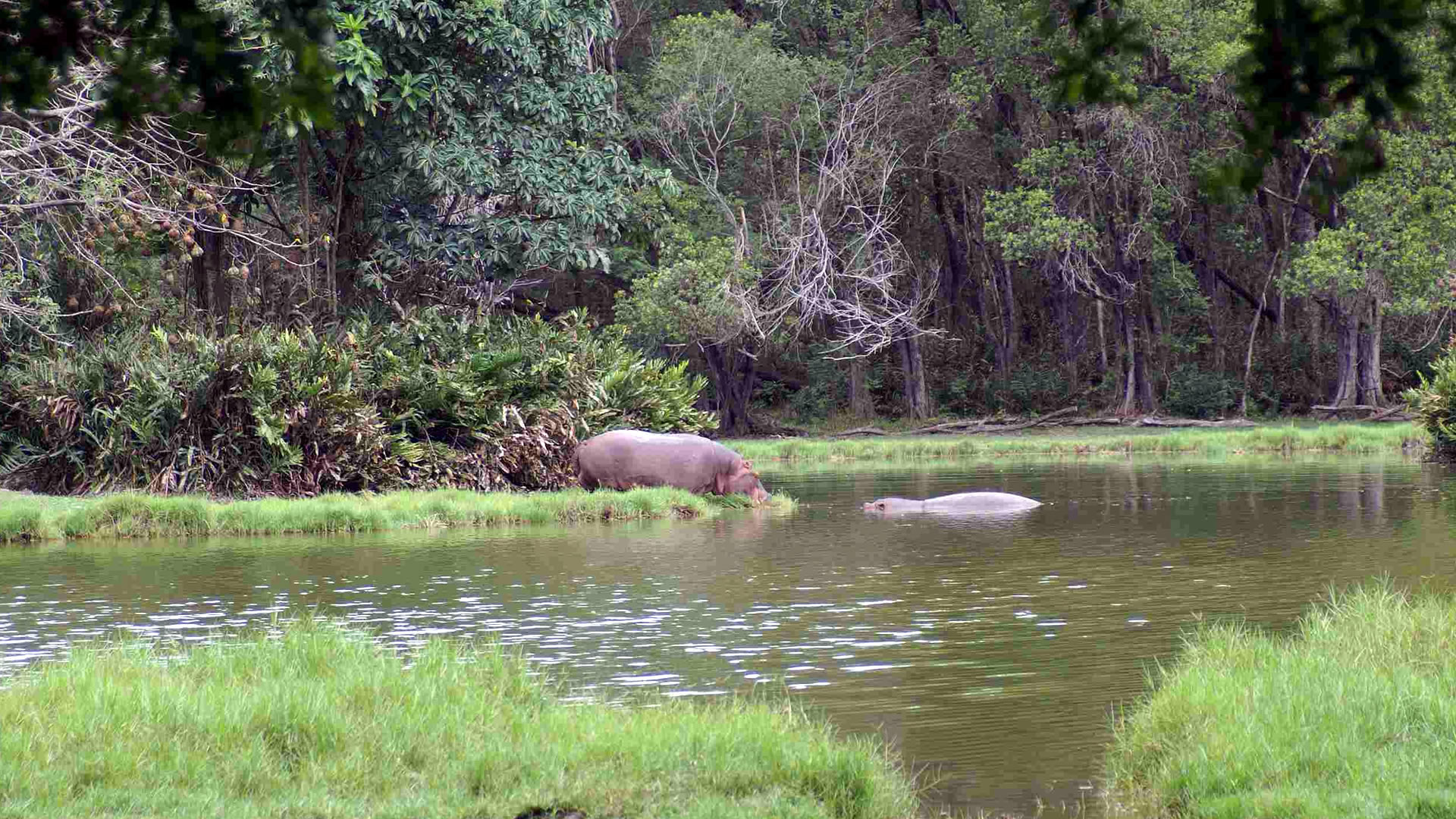
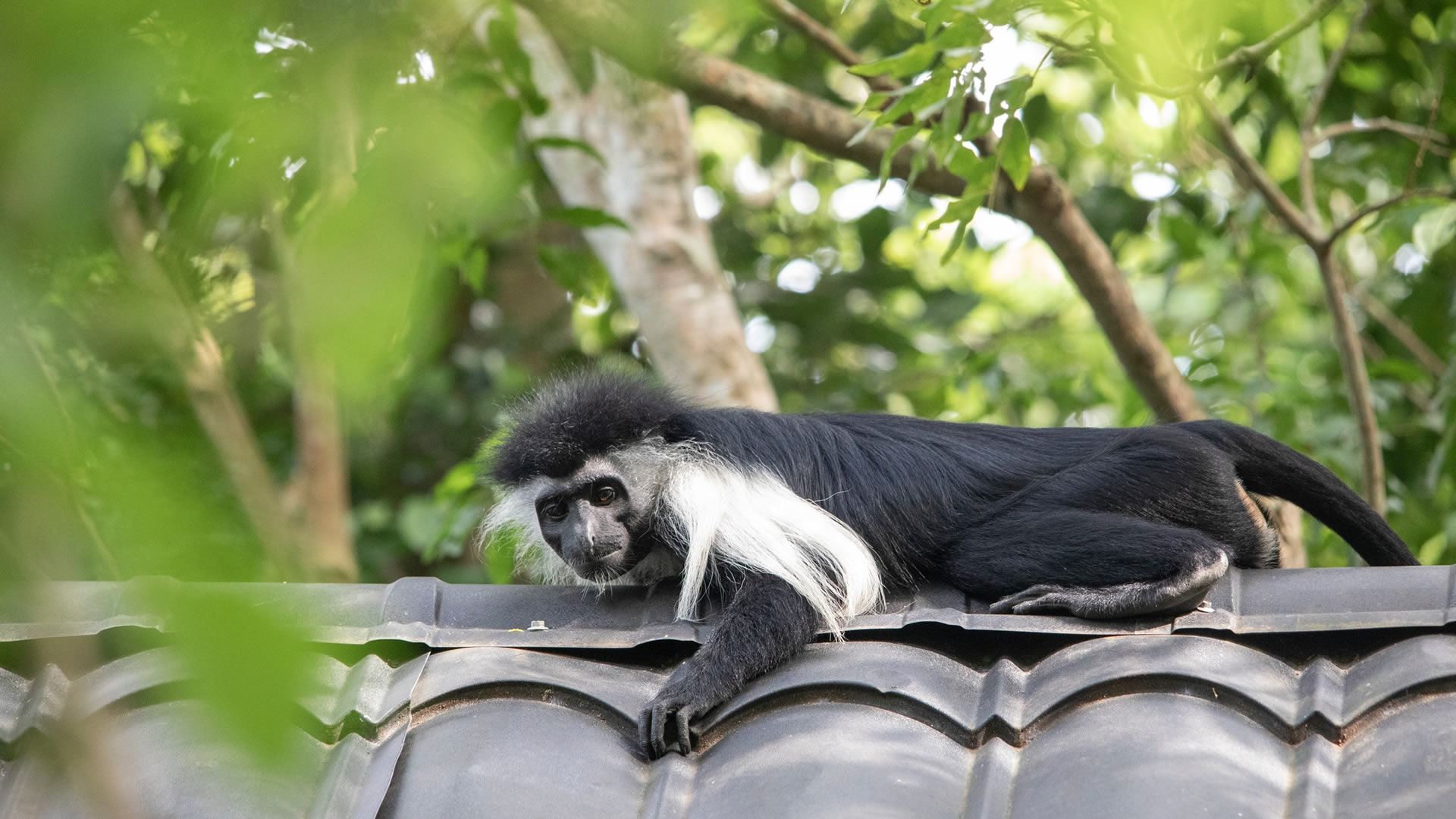
Haller Park is a wildlife sanctuary built on the site of a former limestone quarry in Bamburi, north of Mombasa. Over decades, the barren industrial wasteland was transformed into a thriving ecosystem of woodland, grasslands, and ponds — one of Africa's most inspiring ecological rehabilitation stories. Visitors can hand-feed giraffes, walk with giant Aldabra tortoises, and observe hippos, crocodiles, monkeys, and abundant birdlife. It is included in the full-day tour and is particularly popular with families.
In the Old Town area specifically, yes — shoulders and knees should be covered as a mark of respect when passing active mosques and religious sites. This does not mean formal clothing: lightweight trousers or a long skirt and a T-shirt with sleeves are perfectly fine. Your guide will brief you on appropriate behaviour if you enter any religious or community-sensitive areas.