
Rwanda's newest and smallest national park — two fragments of montane forest in western Rwanda, rescued from near-total destruction and now home to chimpanzees, golden monkeys, and one of Africa's most remarkable stories of forest restoration and community-led conservation.
Gishwati-Mukura National Park — gazetted in 2015 as Rwanda's fourth national park — protects two small, separate patches of montane forest in the western highlands between Lake Kivu and the Virunga volcanoes. Gishwati, the larger fragment at roughly 15 square kilometres, and Mukura, at approximately 19 square kilometres, are connected by a narrow biological corridor of reforested land. Together they form the smallest national park in Rwanda — and, in terms of conservation narrative, one of the most important.
The backstory is devastating. In the early 1990s, Gishwati Forest covered over 700 square kilometres — a vast tract of highland rainforest stretching from the Congo-Nile divide toward Lake Kivu. The aftermath of the 1994 genocide and the subsequent refugee crisis destroyed almost everything. Returning populations cleared the forest for agriculture and settlement. By the early 2000s, Gishwati had been reduced to a few fragmented patches totalling barely 6 square kilometres — less than one percent of its original extent. The chimpanzee population, estimated at over 30 before the crisis, dropped to fewer than 20 individuals clinging to survival in the remaining fragments.
The restoration that followed has been extraordinary. Led by the Forest of Hope Association and supported by the Rwandan government, a programme of reforestation, community engagement, and primate research has slowly rebuilt the forest — replanting native trees, establishing buffer zones, training local guides, and creating a sustainable tourism model that channels income to the communities surrounding the park. The chimpanzees have stabilised. Golden monkeys have been reconfirmed. Bird species continue to be added to the checklist. Gishwati-Mukura is not a park you visit for the quantity of wildlife; you visit it for the story — and for the privilege of seeing a forest ecosystem pulling itself back from the edge.
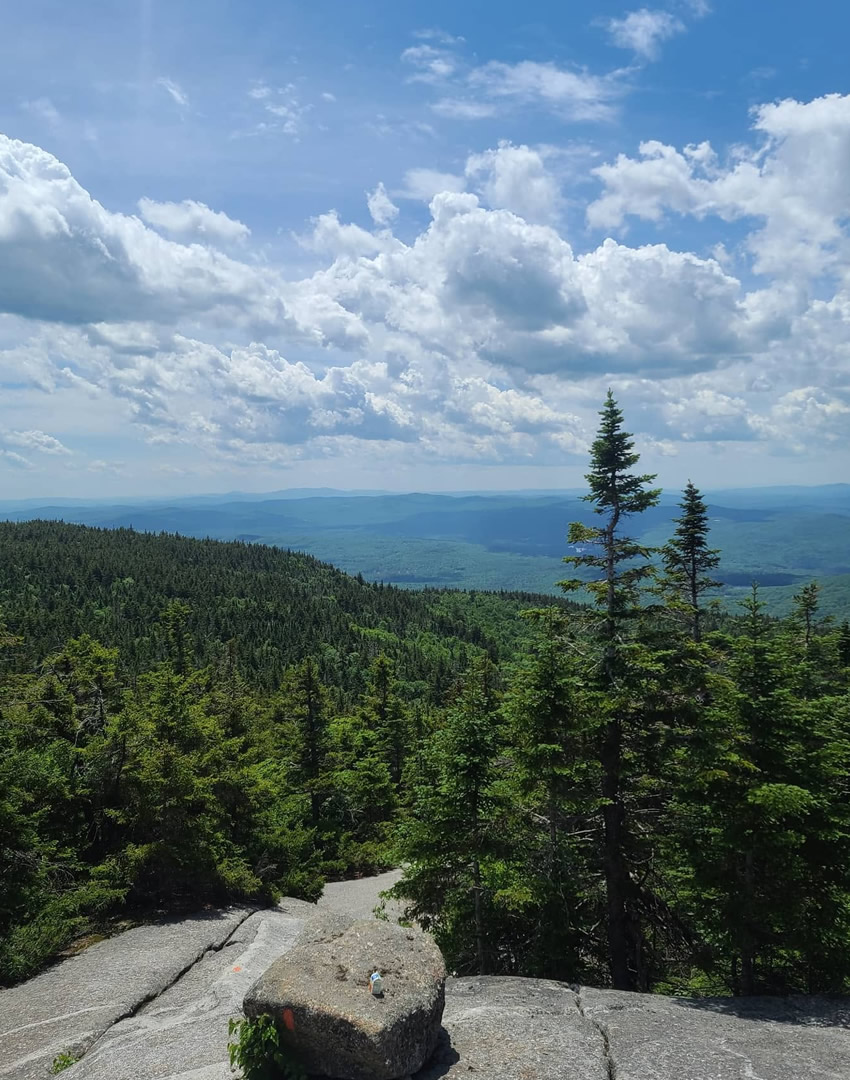
A forest restored from near-extinction, intimate chimpanzee encounters, community conservation in action, and a destination where almost every visitor is the first.
Gishwati-Mukura is not merely a national park — it is evidence that a forest, reduced to less than one percent of its original size, can recover. The reforestation programme has replanted hundreds of thousands of native trees. The biological corridor reconnecting Gishwati and Mukura is growing, season by season. The chimpanzee population has stabilised. For visitors who care about conservation as practice rather than theory, Gishwati-Mukura offers something rare: the chance to stand in a forest that was almost entirely destroyed and see, in the canopy above and the undergrowth below, the tangible results of the decision to bring it back.
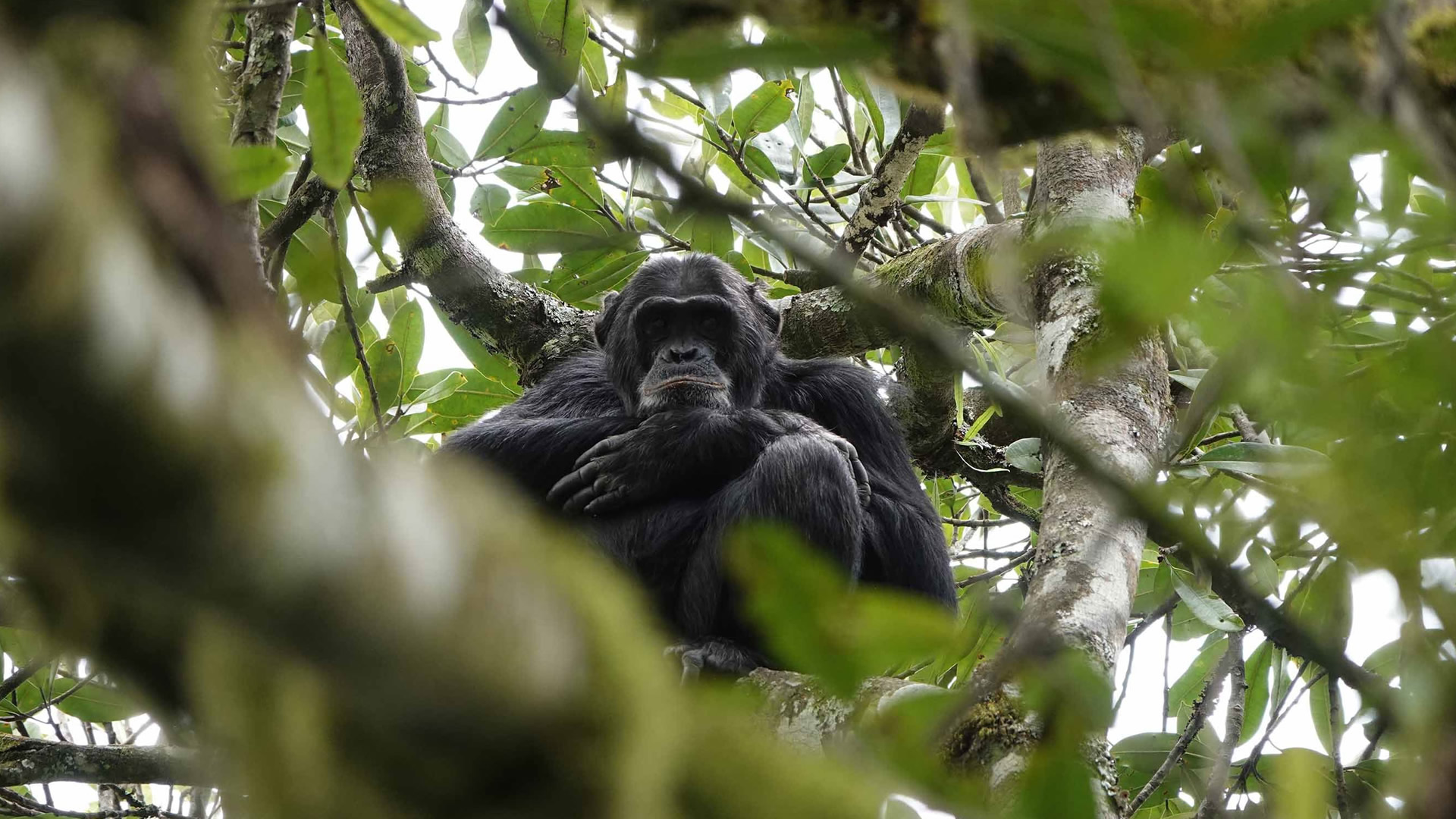
Gishwati's chimpanzee community is small — approximately 20 individuals — and the forest is compact. When the chimps are located, the encounter is often remarkably intimate: the group is close, the forest is quiet, and there are no other visitors. The habituation is ongoing and deepening, which means the chimps are curious and responsive rather than indifferent. The experience is rawer and less predictable than at larger parks like Kibale or Nyungwe — fewer individuals, more forest, and the knowledge that this small group represents a population that was weeks away from disappearing entirely.
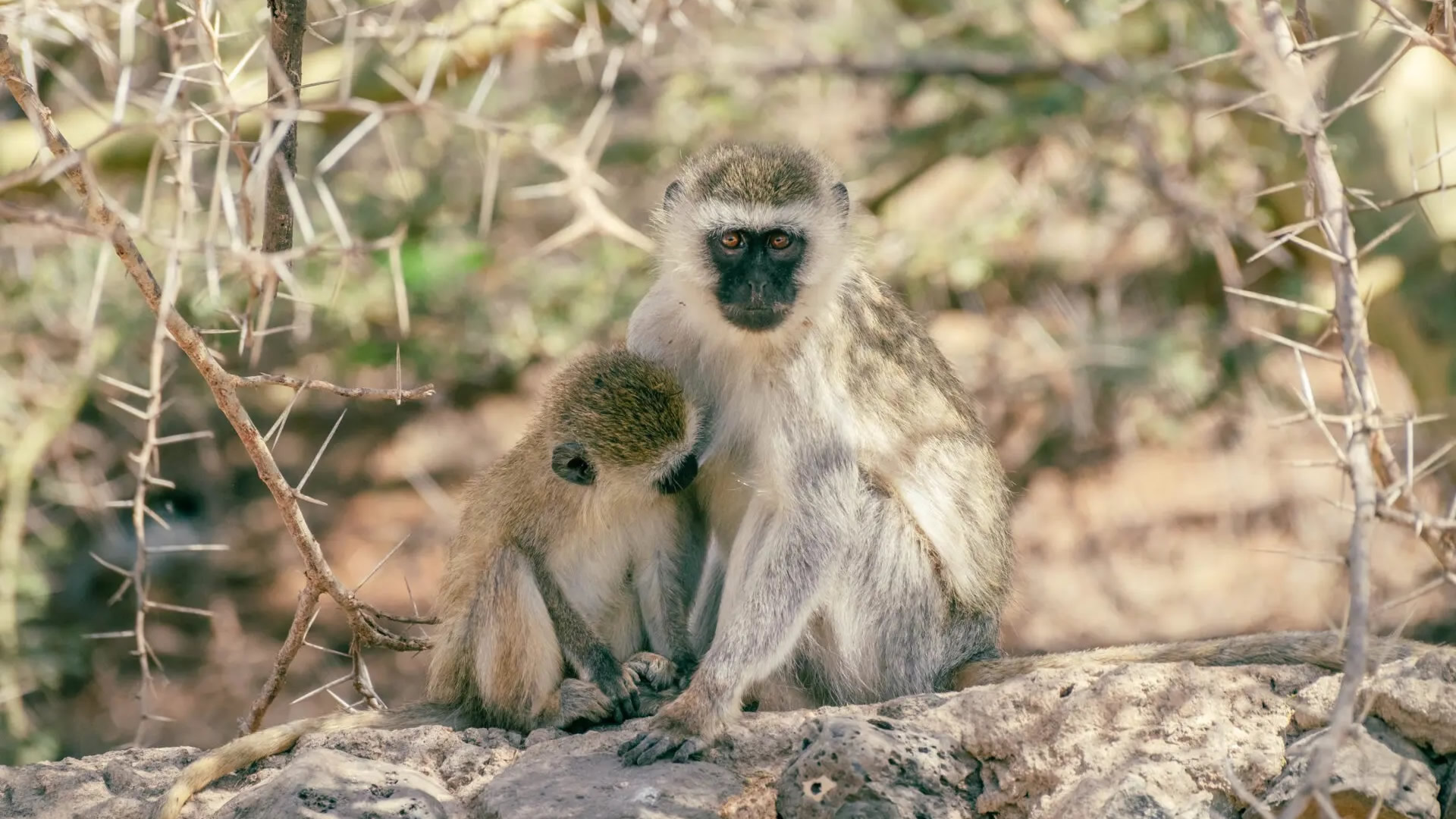
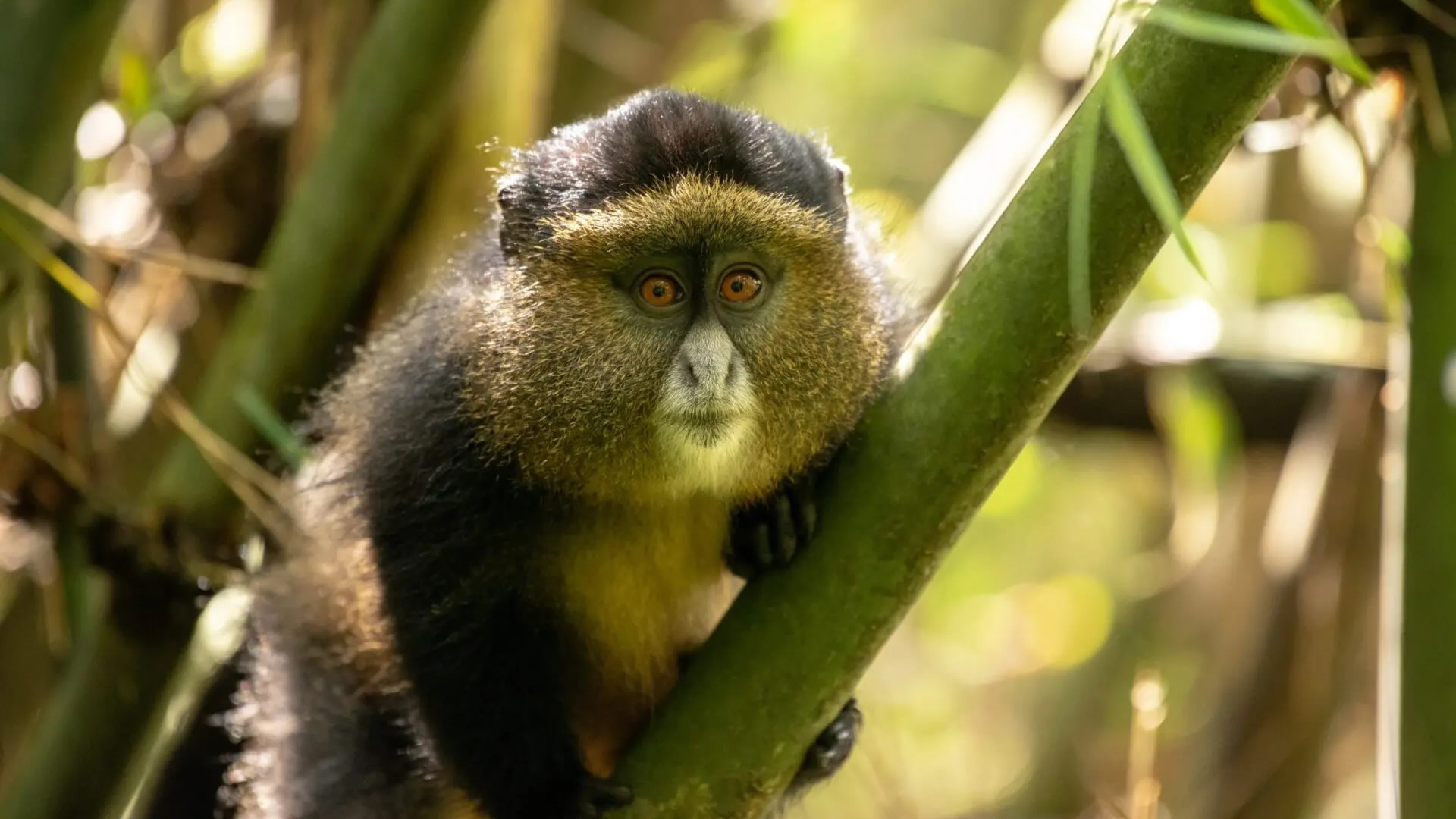
Gishwati-Mukura supports a population of golden monkeys — the Virunga endemic found elsewhere only in Volcanoes NP and Mgahinga. The golden monkeys in this park are less well-known and less heavily tracked than those on the volcanoes, which makes the encounter less structured and more exploratory. Tracking through the bamboo and montane forest of Mukura, following the chattering calls of a golden monkey troop through dappled light, is one of the gentler primate experiences in Rwanda — and one that very few visitors have had.
The communities surrounding Gishwati-Mukura are not adjacent to the conservation effort — they are integral to it. Local farmers participate in reforestation, maintain buffer zones, and serve as guides and trackers. Tourism revenue feeds directly into community projects: schools, health clinics, and sustainable agriculture initiatives. Visiting the park includes encounters with the people who are rebuilding the forest — conversations that place the ecosystem in its human context. The community dimension is not an add-on here; it is the mechanism through which the park survives.
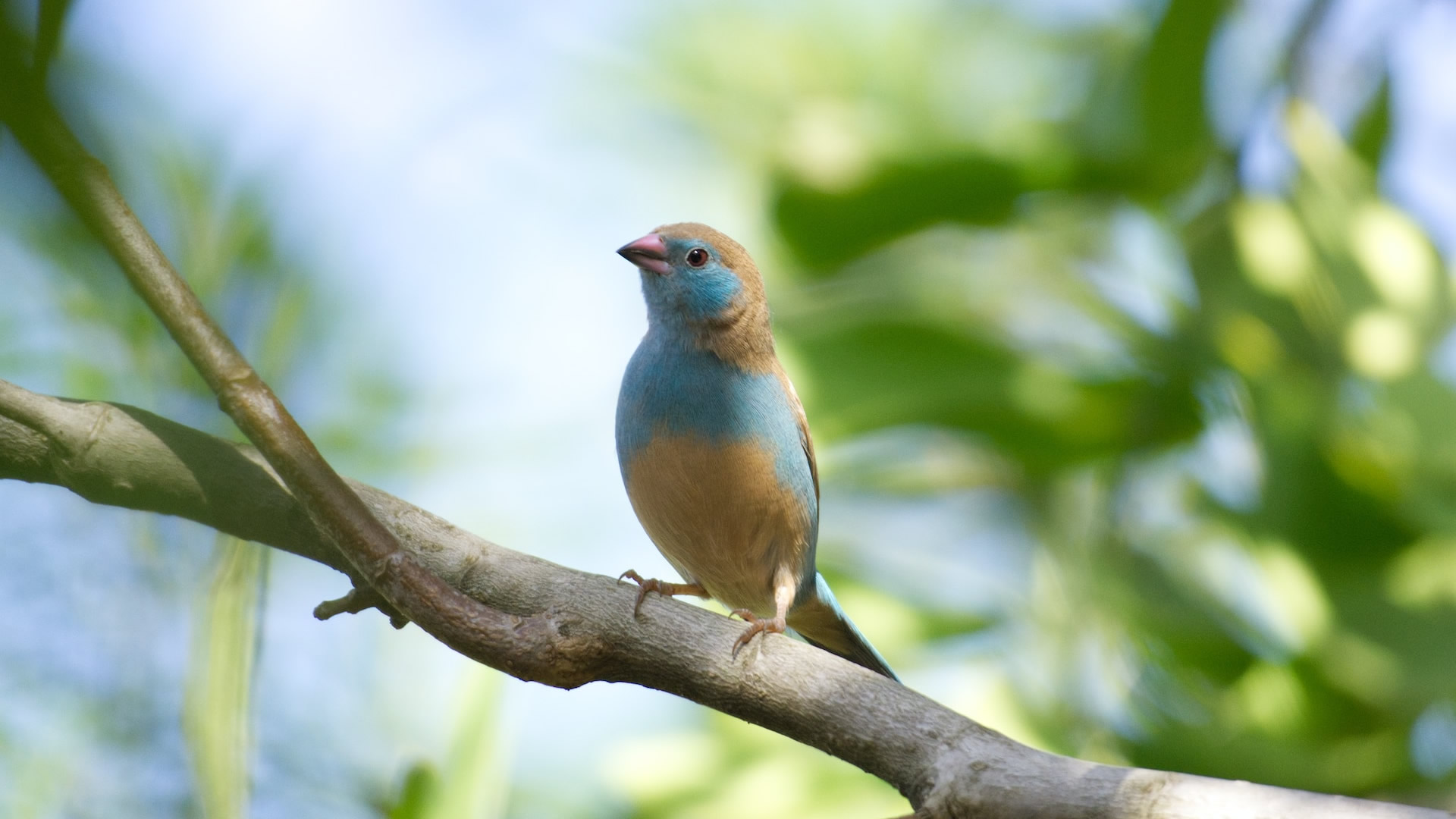
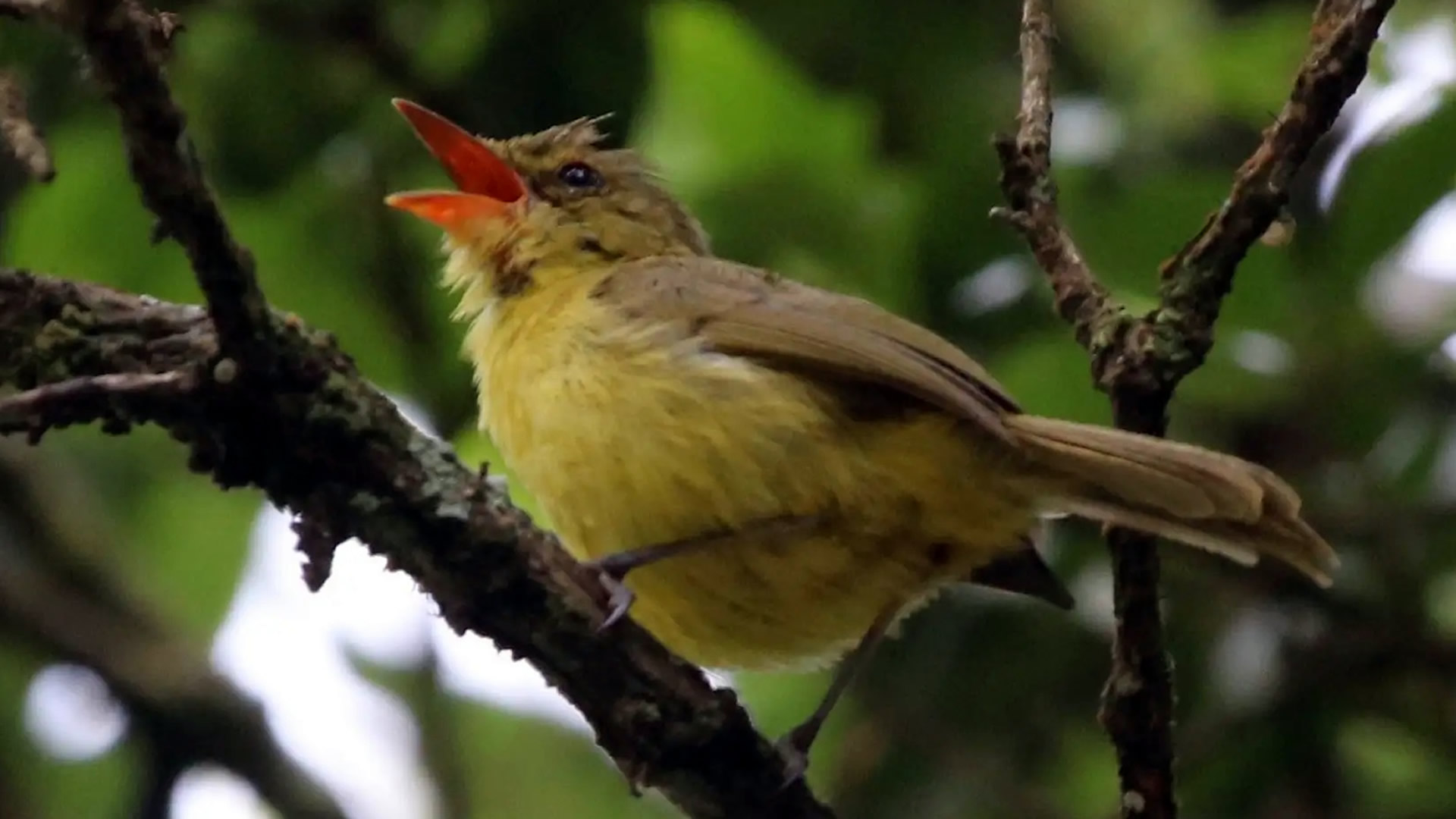
Despite their small size, the Gishwati and Mukura forests support over 232 bird species — including several Albertine Rift endemics shared with Nyungwe: Rwenzori turaco, red-collared mountain babbler, Grauer's swamp warbler, and Albertine owlet. The forest edges and regenerating areas attract species that are harder to find in mature, closed-canopy forests. For birders already visiting Nyungwe, Gishwati-Mukura adds a different habitat structure — younger, more open, more edge-dominated — that produces a subtly different species mix and sometimes better visibility.
Gishwati-Mukura receives a fraction of the visitors that Rwanda's other parks attract. On most days, you will be the only group in the forest. The infrastructure is basic, the trails are quiet, and the experience is defined by the absence of other tourists rather than by luxury amenities. For experienced travellers who have done Volcanoes and Nyungwe and want to see a different face of Rwandan conservation — smaller, rawer, more personal — Gishwati-Mukura offers something that no other park in the country can: the feeling of participating in a conservation story that is still in its early chapters.
Gishwati-Mukura National Park lies in western Rwanda, on the highlands between Lake Kivu and the Virunga volcanoes. The park consists of two separate forest blocks — Gishwati to the north and Mukura to the south — connected by a reforested biological corridor along the Congo-Nile divide. The nearest towns are Kibuye (Karongi) on Lake Kivu and Gisenyi (Rubavu) to the north.
The park sits at elevations between approximately 2,000 and 2,800 metres, on the same Albertine Rift highlands as Nyungwe but farther north. The landscape surrounding the forests is intensively farmed — terraced hillsides, banana groves, and tea plantations — making the contrast between the dark forest fragments and the cultivated countryside stark and immediate. The position between Lake Kivu and Volcanoes NP makes Gishwati-Mukura a natural stopover on the western Rwanda circuit, adding barely two hours to the Kibuye-to-Musanze transfer.
From chimpanzee tracking and golden monkey encounters to forest walks, birding, community visits, and witnessing one of Africa's most determined reforestation efforts.
Tracking Gishwati's small chimpanzee community is an intimate, unhurried experience. The group of approximately 20 individuals occupies a compact forest fragment, and encounters — when the chimps are located — tend to be close and personal. The forest is quieter and the experience less structured than at Nyungwe or Kibale: fewer visitors, fewer rules, and a rawness that reflects the ongoing nature of the habituation process. Tracking is led by local guides who have monitored the community for years and know individual animals by sight. The chimp trek requires advance booking through the park.
The Mukura forest block supports a population of golden monkeys — the same Virunga endemic tracked at Volcanoes NP and Mgahinga. The experience here is less polished and more exploratory: the troops are less habituated, the forest is quieter, and the encounter unfolds without the infrastructure and visitor density of the volcanic parks. For visitors who have already tracked golden monkeys at the volcanoes, Mukura offers a wilder version of the same species in a different habitat. For first-time trackers, the intimacy of the small forest is its own reward.
Guided forest walks explore both the mature remnant forest and the regenerating areas — a walk through ecological time, from the ancient canopy trees that survived the deforestation to the young saplings planted as part of the restoration. The trails are not long — the park is small — but they are rich in interpretation. Guides explain the reforestation techniques, point out the differences between remnant and regrown forest, and identify the primate species visible in the canopy: L'Hoest's monkey, blue monkey, and mountain monkey alongside the chimps and golden monkeys. The walks are gentle and suitable for most fitness levels.
Over 232 bird species have been recorded across the two forest blocks, including several Albertine Rift endemics: Rwenzori turaco, red-collared mountain babbler, Grauer's swamp warbler, and stripe-breasted tit. The regenerating forest edges — with their mix of young trees, scrub, and mature remnants — produce a habitat structure that attracts species harder to find in the dense interior of mature forests like Nyungwe. Morning birding walks with knowledgeable local guides are the most productive sessions. The species list continues to grow as the forest recovers and habitat diversity increases.
The human story is inseparable from the forest story at Gishwati-Mukura. Guided community visits introduce visitors to the farmers, guides, and conservationists who are rebuilding the ecosystem — the people who plant the trees, monitor the chimps, and manage the buffer zones. Visits can include tree-planting participation, conversations about sustainable farming practices, and tours of community projects funded by tourism revenue. These encounters provide the most direct connection between a visitor's presence and the conservation outcome — the link between the permit fee paid and the seedling planted is visible and immediate.
The western slopes below the park drop toward Lake Kivu — one of Africa's Great Lakes — and several viewpoints along the park's access roads offer panoramic views across the lake, its islands, and the mountains of the Congo on the far shore. The landscape between the forest and the lake — terraced farmland, eucalyptus groves, and small villages — is visually striking and provides context for the pressures that the park faces and the community efforts that sustain it. The proximity to Kibuye and the Lake Kivu shoreline makes it easy to combine a Gishwati-Mukura visit with lakeside relaxation.
The same seasonal pattern as Rwanda's other highland forests — drier from June to September and January to February, wetter from March to May and October to November.
The most comfortable months for forest walks and primate tracking. Trails are drier, visibility in the canopy is better, and the chimps are easier to locate. The dry season aligns with the rest of Rwanda's highland parks, making circuit planning straightforward. January and February — a shorter dry window — are also good months to visit. Gishwati-Mukura is a highland forest and the weather is cool year-round (15–25°C), so even the dry season can produce morning mist and occasional showers.
Heavier rainfall makes the forest trails muddy and the chimp tracking more challenging. The forests are at their greenest and most atmospheric, birding is productive, and visitor numbers drop to near zero. Waterproof boots and rain layers are essential. The park remains open and fully operational throughout the wet season. For visitors drawn to the restoration story rather than the wildlife checklist, the wet season offers the most immersive forest experience — quiet, green, dripping, and completely private.
Between Lake Kivu and the Virunga volcanoes — a natural stopover that adds barely two hours to the western Rwanda transfer.
The nearest airport is Kamembe (Cyangugu) on Lake Kivu, served by RwandAir from Kigali. From Kamembe, the drive to Gishwati-Mukura takes approximately three hours. Alternatively, fly into Kigali and drive west — approximately four hours to the Gishwati forest block. Helicopter transfers can be arranged. Most visitors reach the park overland as part of a road-based Rwanda circuit, with the drive itself through the western highlands forming part of the experience.
The park sits on the highlands between Kibuye (Karongi) on Lake Kivu and Musanze (the Volcanoes NP gateway). From Kibuye, the drive to the Gishwati forest block takes approximately 1.5 to 2 hours on mountain roads through terraced farmland and tea plantations. From Musanze, the drive is approximately 2 to 2.5 hours heading south along the Congo-Nile divide. The roads are paved but steep and winding. The position makes Gishwati-Mukura a natural half-day or overnight addition to any transfer between Lake Kivu and the volcanoes.
Gishwati-Mukura slots into a Rwanda circuit as a stopover between Lake Kivu and Volcanoes NP, or between Nyungwe Forest and the volcanoes. A route might run: Kigali → Volcanoes NP (gorillas) → Gishwati-Mukura (chimp tracking, forest walk, community visit) → Kibuye/Lake Kivu (lakeside rest) → Nyungwe (canopy walkway, forest chimps) → Akagera (Big Five savannah) → Kigali. The stop adds half a day to a full day, depending on activities chosen.
Regenerating forest, surviving chimpanzees, golden monkeys in bamboo, community reforestation, and the park that proves forests can return.
One night is sufficient for most visitors — allowing a morning chimp trek or golden monkey tracking plus a forest walk or community visit. Gishwati-Mukura is a small park with a focused activity menu, and it works best as a half-day to full-day addition to a Rwanda circuit rather than a standalone multi-day destination. Two nights suits visitors who want to track both chimps and golden monkeys on separate mornings, do a longer forest hike, and spend time with the community conservation projects. The park's proximity to both Lake Kivu and Volcanoes NP makes overnight logistics straightforward.
The chimpanzee community is small (~20 individuals) and the forest is compact, which cuts both ways: when the chimps are in a cooperative mood, encounters can be excellent and remarkably close; when they move to a difficult part of the forest or are unresponsive, tracking can be challenging. Sighting rates are variable — this is not Kibale's 90+ percent guarantee. A morning trek with experienced local trackers gives a good chance, but flexibility and realistic expectations are important. The experience, when it works, is among the most intimate chimp encounters in East Africa precisely because of the small group size and the quiet forest.
Basic. Gishwati-Mukura is Rwanda's newest and least-developed park. There are no luxury lodges within the park itself — accommodation options include community-run guesthouses, eco-lodges near the forest edge, and lodges in Kibuye or Gisenyi. The trails are maintained but not manicured. Facilities are functional rather than polished. The experience is grassroots conservation tourism — authentic, personal, and modest. Visitors expecting the infrastructure standards of Volcanoes NP or Nyungwe should calibrate expectations. The simplicity is part of the character.
Gishwati-Mukura National Park entry is approximately USD 40 per non-resident adult. Chimpanzee tracking permits are approximately USD 100 per person. Golden monkey tracking is approximately USD 60 per person. Guided forest walks and community visits are available at modest additional cost. Fees are subject to change as the park develops its tourism infrastructure. All park fees and applicable taxes on Kuldip's Touring Company itineraries are included in the quoted price.
For conservation-minded travellers — absolutely. Gishwati-Mukura will not match Volcanoes or Nyungwe for wildlife spectacle, and it doesn't try to. What it offers is the most powerful restoration story in Rwandan conservation, an intimate and unpredictable primate encounter, and the chance to visit a park where your presence directly supports the community that is rebuilding the forest. It adds half a day to a day to a circuit that already passes through the area. The stop costs very little time and contributes disproportionately to one of Africa's most important small-scale conservation projects.
Chimpanzee tracking requires a minimum age of 15 years, consistent with Rwanda's other primate parks. Golden monkey tracking also has a minimum age requirement (typically 15). Forest walks and community visits — including tree-planting activities — are open to younger visitors and provide hands-on engagement that children find memorable. The park's small size means that walks are short and manageable. The community conservation aspect is particularly engaging for families who want their children to understand how conservation works in practice. Accommodation options are basic; families should plan accordingly.
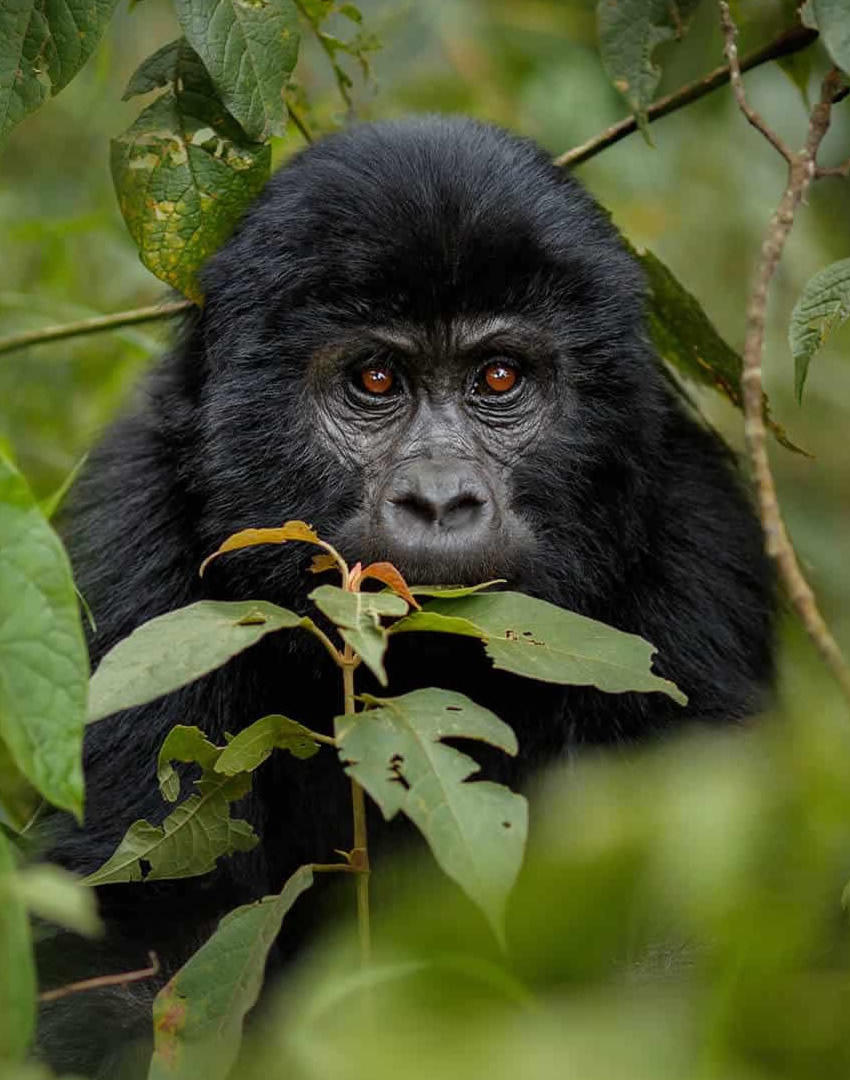
The crown jewel of Rwandan conservation and the original home of Dian Fossey's ground-breaking gorilla research on the Virunga volcanoes.
Explore Volcanoes NP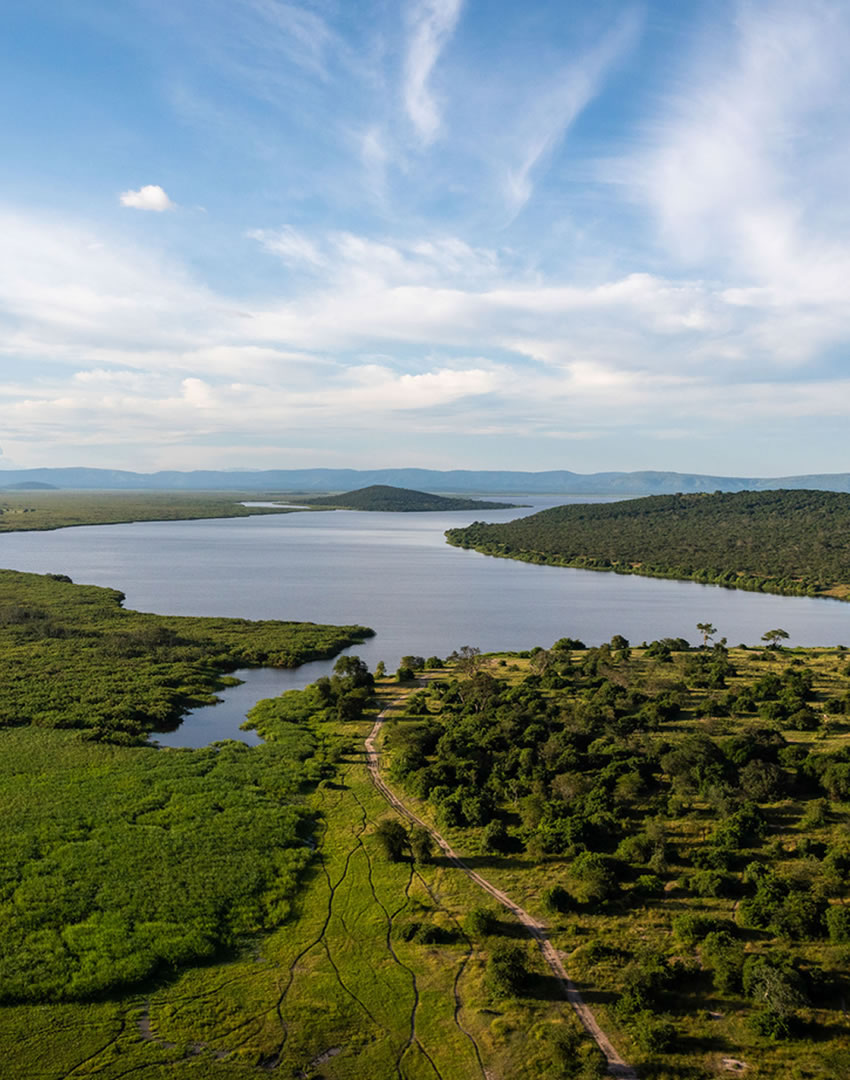
East Africa's greatest conservation comeback — a fully restored Big Five park with lions reintroduced in 2015 and black rhinos in 2017.
Explore Akagera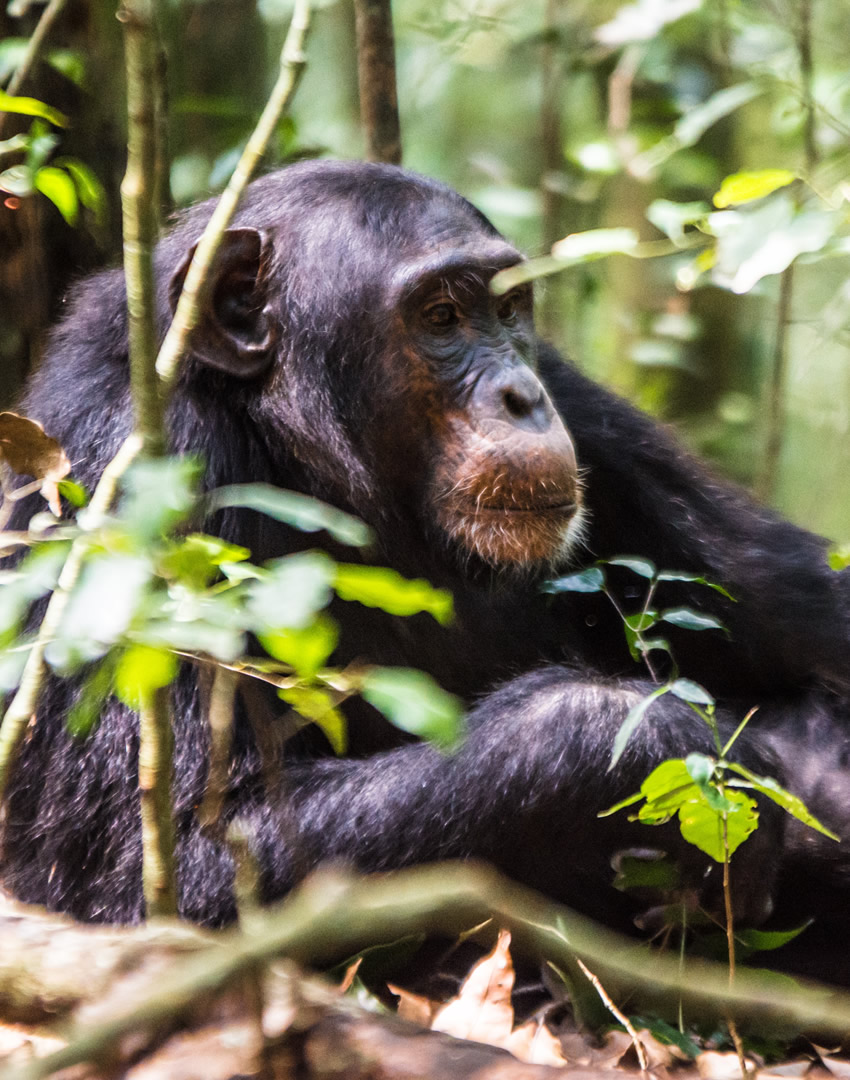
One of the oldest and most biodiverse montane rainforests in Africa. Rwanda's premier chimpanzee tracking destination with a canopy walkway.
Explore Nyungwe ForestRwanda's newest national park, home to a recovering population of eastern chimpanzees, golden monkeys and over 230 bird species.
Explore Gishwati Mukura